Clifton · Passaic County
Roof Repair Services in Clifton, New Jersey
Storm Guard Roofing provides specialized roof repair for residential properties throughout Clifton, New Jersey, covering ZIP codes 07011, 07012, 07013, and 07014. As a family-owned contractor with over 25 years of experience, we operate with full state licensing and insurance to address active leaks, structural flashing failures, and weather-related damage across Passaic County. Our operations include 24/7 emergency response dispatch for urgent water intrusion and full assistance with homeowners insurance claims. We work directly on local housing stock in neighborhoods including Botany Village, Athenia, Richfield, Delawanna, Lakeview, and Montclair Heights. Rather than pushing full roof replacements when existing shingles remain viable, we pinpoint the precise entry point of water and execute permanent repairs using industry-standard mechanical attachments and flashing techniques. Contact us directly at (201) 403-0024 to schedule an on-site evaluation.
Masonry and Flat Roof Transition Repairs on Clifton Capes
Clifton contains a high concentration of specific architectural styles, notably two-family homes and 1950s brick capes with flat rear roof sections over kitchens and porches. These structures present specific moisture management challenges due to the integration of sloped asphalt shingle roofs, low-slope flat roofs, and exterior brick walls. In these configurations, moisture intrusion occurs systematically at the material junction points standard surface sealants fail after repeated freeze-thaw cycles.
The failure point is usually where the flat roof meets the sloped roof or the brick wall above it. We install new base and counterflashing into the masonry rather than smearing sealant on top of it, then run the membrane up the wall to a proper termination bar. Grinding out existing mortar joints to cut a reglet allows us to insert metal counterflashing deep into the brick wall. This creates a mechanical shed for water, ensuring driving rain cannot migrate behind the roof membrane even under high wind conditions common along North Jersey elevated ridges.
- Reglet mortar joint cutting to embed metal counterflashing directly into brick masonry.
- Base membrane installation extending upward onto vertical wall surfaces past waterline thresholds.
- Mechanical securement using aluminum termination bars and high-grade polyurethane sealant.
- Transition tie-ins between low-slope EPDM or modified bitumen membranes and adjacent sloped shingle courses.
Diagnostic Leak Repair: Valleys, Step Flashing, and Penetrations
Active roof leaks frequently originate far from the location of visible interior ceiling stains. Water travels along rafters, plywood deck seams, and insulation before dripping down interior drywall. Our repair process starts with tracing the water path back to structural vulnerabilities. In Clifton, common leak points include valley transitions, step flashing along sidewalls, and deteriorated rubber boots surrounding plumbing vent stacks.
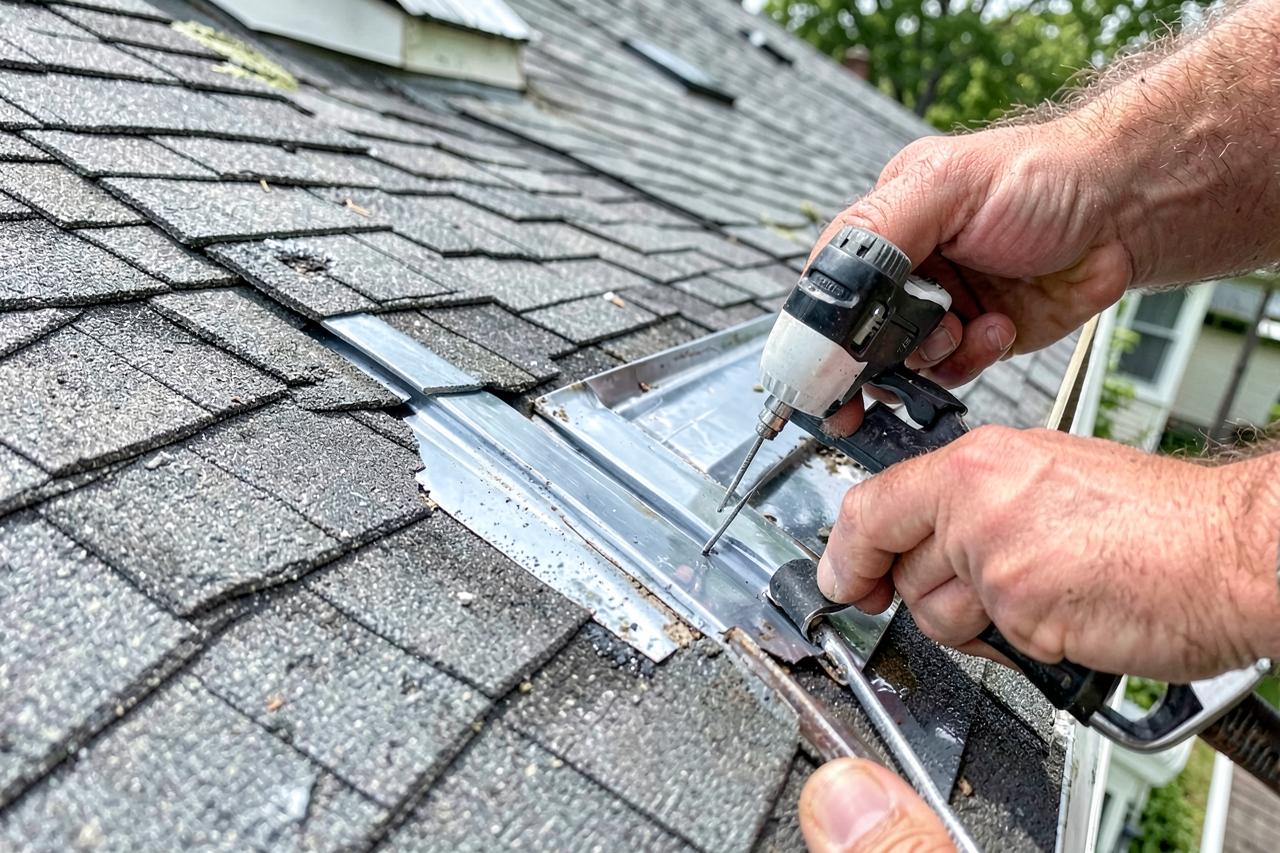
Open and woven valleys collect high volumes of runoff during heavy rainstorms. When shingles crack inside the valley trough or underlying felt degrades, water passes through exposed nail shanks into the sheathing. Similarly, side walls require overlapping step flashing integrated with every course of shingles. When installers rely on single strip wall flashing or improper caulking, thermal expansion creates gaps that draw water behind the siding. We remove damaged shingles, replace corroded flashing with aluminum or copper units, and install self-adhering ice and water protection membranes underneath the repair zone.
- Removal of compromised shingle sections to inspect sub-decking for rot or delamination.
- Replacement of decayed rubber pipe boots with heavy-duty metal base plumbing stack collars.
- Installation of new aluminum step flashing interleaved shingle-by-shingle along dormers and sidewalls.
- Rebuilding failed metal valley pans with ice and water shield underlayments.
24/7 Emergency Storm Damage Tarping and Repair
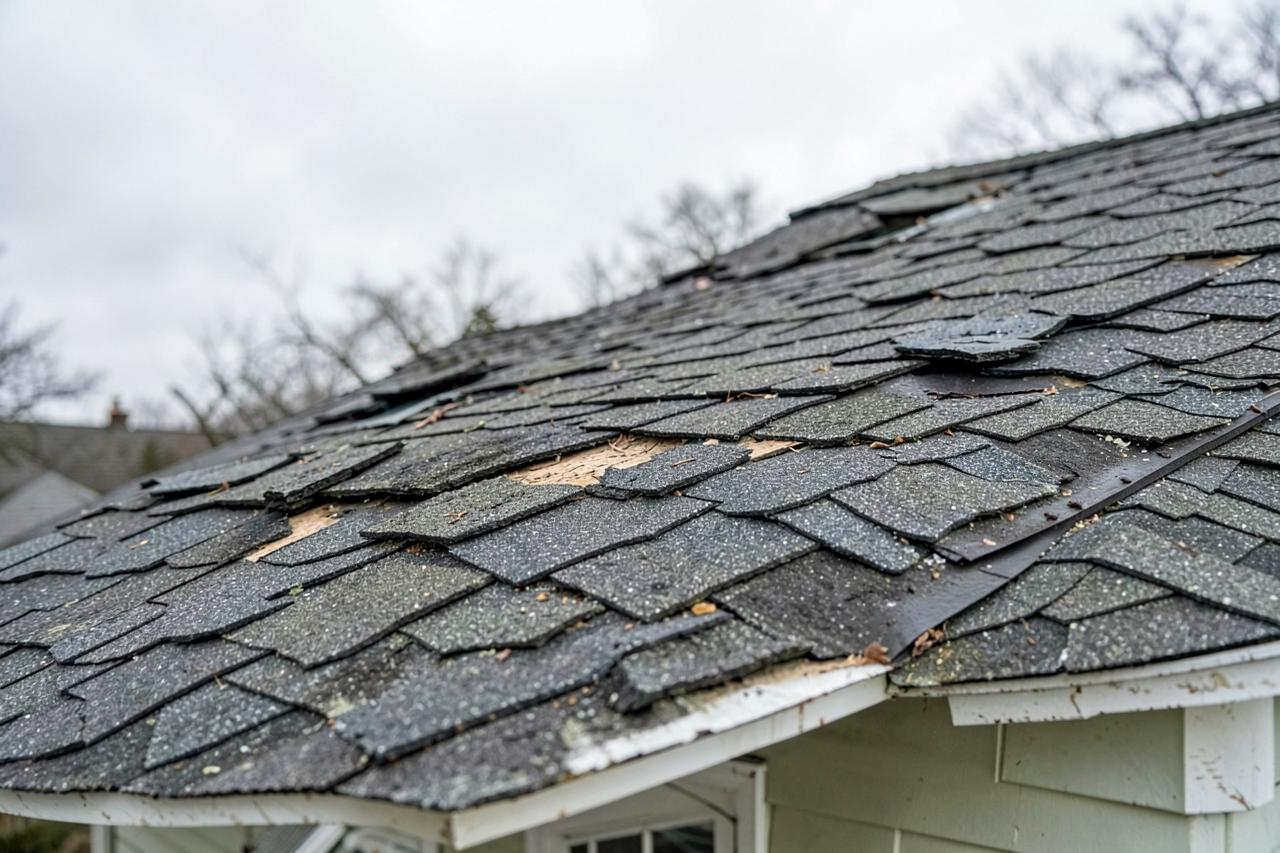
Severe weather events in Passaic County, including severe winter ice storms and heavy thunderstorm downbursts, can dislodge asphalt shingles, damage ridge caps, or cause tree limb punctures. When the roof envelope is compromised, immediate containment is necessary to minimize structural interior damage, electrical hazard risks, and drywall collapse.
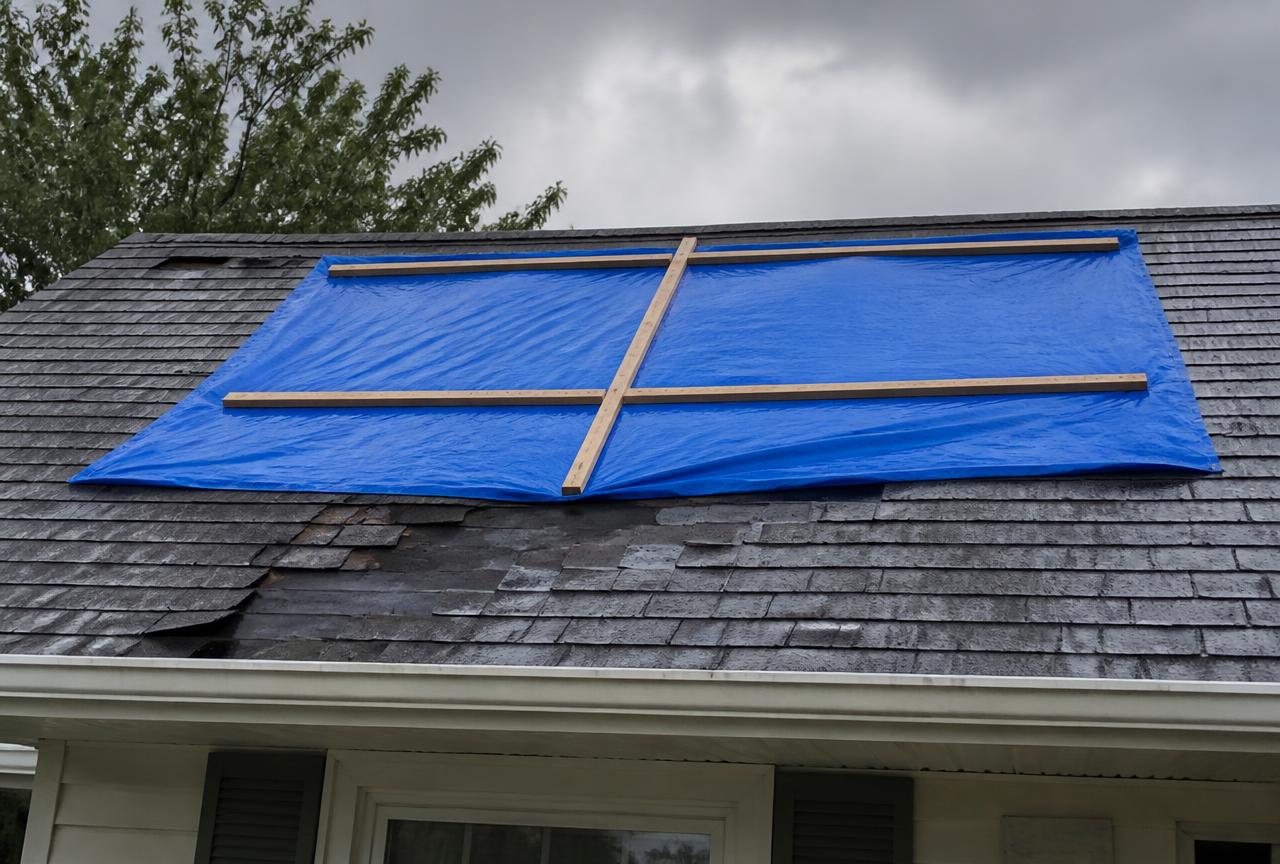
Storm Guard Roofing maintains 24/7 emergency response service to perform heavy-duty tarping and temporary stabilization across Clifton. Once the site is secured against immediate weather exposure, we prepare itemized damage reports for home insurance adjusters. We assist homeowners through the insurance claim process, providing line-item estimates, photo documentation of wind uplift or hail impacts, and technical specs required to meet local code requirements during permanent repairs.
- Immediate emergency dispatch for tree impact, wind blow-offs, and active interior leaks.
- Installation of heavy-duty, weather-resistant tarps mechanically fastened with wood furring strips.
- Photographic evidence collection and physical loss documentation for insurance adjusters.
- Permanent structural repair execution following insurance scope approval.
Evaluating Repair vs. Replacement Economics
A full roof replacement is not always necessary when water enters a home. If the surrounding asphalt shingle field retains its structural integrity, flexibility, and granule surface, a targeted repair restores total weather-tight performance at a fraction of the cost of a complete tear-off. Spot repairs make economic sense when damage is localized to flashing, storm-damaged sections, or isolated penetration boot failures.
We assess shingle condition by measuring granule loss, checking for thermal cracking, and inspecting the underside of the roof deck via attic access. If the roof deck exhibits widespread rot, or if the shingles have exceeded their functional service life across all slopes, spot repairs become temporary measures. When structural decking remains sound, replacing bad flashing, re-securing loose courses, and repairing valley transitions extends the functional lifespan of the existing roof by years.
- Detailed roof inspection to measure granule retention, wood deck stiffness, and material age.
- Targeted shingle course replacement using matching color profiles and exposure dimensions.
- Isolating damage to keep labor and disposal costs limited to the affected roof slope.
- Clear technical assessment outlining repair longevity versus replacement necessity.
Clifton Building Code and Weather Resistance Standards
Roof repairs in Clifton must withstand regional North Jersey climate conditions, including heavy winter ice accumulation, snow loads, and summer severe winds. The City of Clifton Building Department enforces specific code standards for structural framing, underlayments, and penetration sealing during major roof work. Minor spot repairs and leak fixes must also align with sound building practices to prevent code violations during property resale home inspections.
Ice dams pose a recurring threat to homes in Montclair Heights, Richfield, and Lakeview. Ice dams form when warm air escapes poorly insulated attics, melting snow on upper slopes that re-freezes at the unheated eaves. Liquid water backs up under lower shingle courses. Our repairs address these areas by adding self-adhering rubberized asphalt membranes beneath shingles along gutters and valley bottoms, preventing backed-up meltwater from reaching the interior framing.
- Application of ice and water shield along eaves and valleys to stop ice dam intrusion.
- Fastening repair materials according to North Jersey high-wind uplift resistance criteria.
- Compliance with local Passaic County construction code standards for structural deck integrity.
- Attic ventilation assessments to reduce roof deck heat build-up and ice dam formation.
Clifton questions we get asked
- How do you fix leaks at the brick wall transition on Clifton's 1950s brick capes?
- We cut a horizontal groove (reglet) directly into the brick mortar joint above the roof line. We then install new metal base and counterflashing embedded into the joint, run the roof membrane up the vertical masonry wall, and secure it with an aluminum termination bar sealed with polyurethane sealant. This prevents water from running behind the roof flashing.
- Do I need a permit from the City of Clifton for a minor roof repair?
- Minor repairs that involve spot-replacing small areas of damaged shingles or localized flashing fixes typically do not require a full building permit in Clifton. However, structural repairs or work covering large sections of the roof deck may require municipal permits. We handle all code compliance requirements directly with the local building department when permits are needed.
- Will insurance cover emergency tarping after storm damage in Passaic County?
- Most standard homeowners insurance policies cover emergency mitigation services, such as tarping, to prevent secondary water damage following a covered storm event. We provide detailed photo documentation and itemized invoices that you can submit directly to your insurance adjuster for reimbursement.
- How do I know if my Clifton roof can be repaired or needs a total replacement?
- If the roof shingles retain their granule coating, remain flexible, and the plywood decking beneath is solid, a targeted repair can resolve active leaks cost-effectively. If shingles across all slopes are curling, brittle, missing significant granule mass, or if the decking suffers from widespread rot, replacement is the more reliable solution. We inspect the system and provide a direct factual recommendation.
More in Clifton
Call (201) 403-0024 for a Clifton inspection, or send the form.