Storm Guard Roofing
Call

Lakewood · Ocean County

Roof Repair & Emergency Leak Service in Lakewood, NJ

Storm Guard Roofing provides specialized roof repair and emergency leak stabilization for residential properties across Lakewood, New Jersey (ZIP 08701). With over 25 years of hands-on experience as a family-owned, licensed, and insured contractor, our focus is diagnosing specific structural failures and restoring water tightness. Lakewood's building stock presents a distinct mix: fast-growing housing stock featuring recent construction alongside 1970s framing requiring structural attention. We operate throughout all Lakewood neighborhoods, including Downtown Lakewood, Westgate, Coventry, Leisure Village, Chestnut, and Presidential Estates. Whether responding to wind-driven rain penetration or severe storm damage, our team provides 24/7 emergency response and assists with complete insurance claims documentation to streamline repairs. Call (201) 403-0024 to speak directly with an experienced roof repair specialist.

Diagnosing Leak Sources Across Lakewood's Housing Stock

Lakewood contains a contrasting blend of architectural styles and roof ages. On newer homes and recent developments in areas like Westgate and Coventry, roof leaks rarely stem from shingle degradation. Instead, we frequently correct improper installation details left by rapid construction schedules. These include valley metal improperly aligned, step flashing missing at multi-story additions, and vent boots that were sealed with temporary caulk instead of integrated directly into shingle courses using proper lap techniques.

Conversely, older 1970s housing stock found in Leisure Village, Downtown Lakewood, and Chestnut often presents widespread shingle fatigue and underlayment decay. On these older roofs, leaks manifest at critical transition points—specifically where room additions and extended kitchens tie into the original roof plane. When original slopes meet lower-pitched addition roofs, water backup occurs if flashing transitions are not step-flashed and sealed against ice damming.

  • Correcting faulty builder details on newer properties, including un-flashed plumbing stacks and misplaced valley fasteners.
  • Rebuilding valley and sidewall flashing at tie-in points where 1970s residential structures meet room additions.
  • Locating hidden leak pathways caused by wind-driven rain forced under shingle laps along exposed gables.

Flashing and Valley Failures: Primary Causes of Water Intrusion

Flashing vulnerabilities represent over 80 percent of the active roof leaks we inspect in Ocean County. In neighborhoods such as Presidential Estates and Chestnut, sidewall flashing along dormers and brick chimneys degrades due to thermal expansion and seasonal freeze-thaw cycles. When step flashing splits or pulls away from the wall sheath, water flows behind the exterior cladding and penetrates interior drywall long before damage is visible on the roof surface.

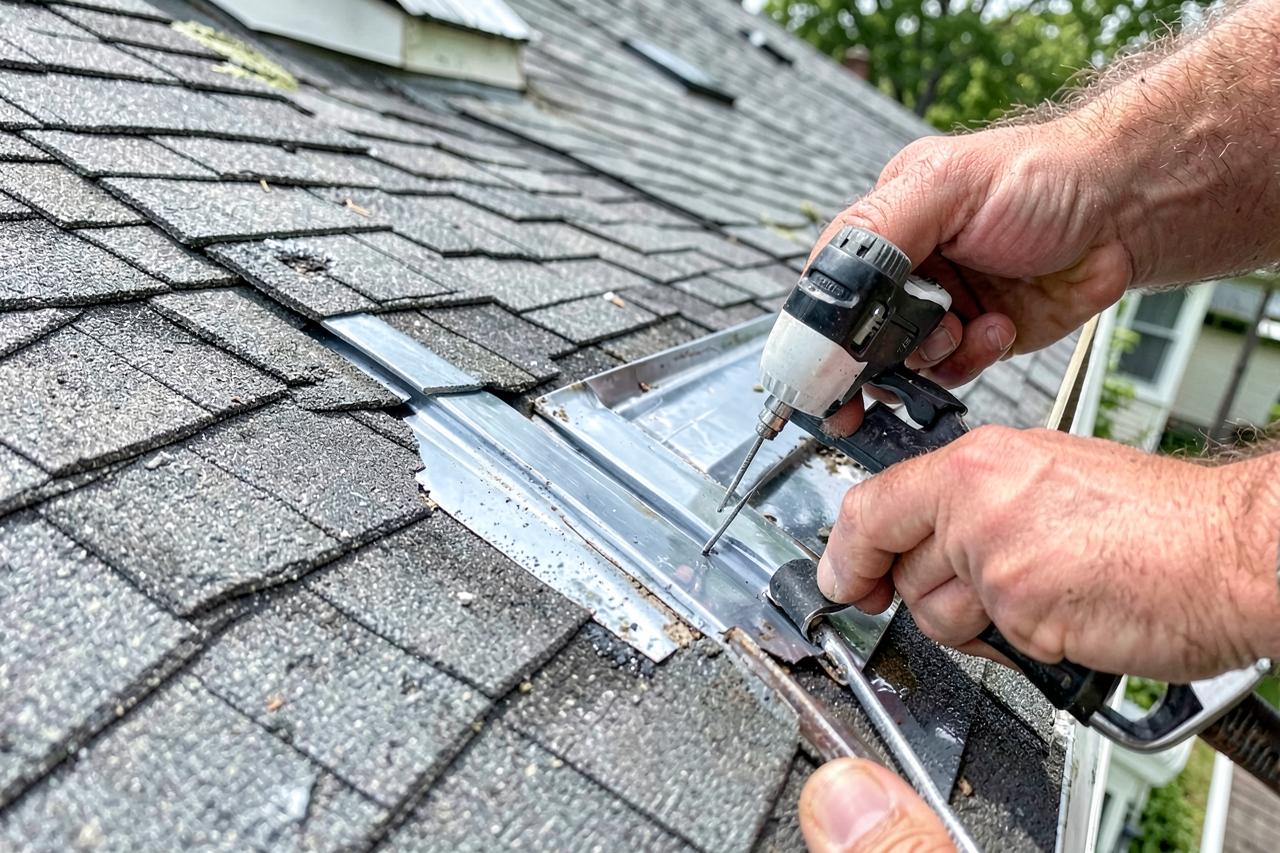
Valley metal failures require precise mechanical repair rather than surface sealants. Closed-cut valleys installed without heavy-gauge metal underlayment or ice and water shield often wear thin from heavy water runoff, leading to rot in the roof deck beneath. We replace failed valley systems by stripping shingles back to the solid plywood deck, installing self-adhering modified bitumen underlayment, and laying hand-bent aluminum or copper valley metal properly integrated into existing shingle rows.

  • Replacement of cracked, rusted, or missing counter-flashing along brick chimneys and stone veneers.
  • Installation of proper step flashing at second-story dormers and vertical wall intersections.
  • Complete tear-out and reconstruction of failed roof valleys using heavy-gauge metal and self-adhering ice barriers.

24/7 Emergency Tarping and Storm Damage Response

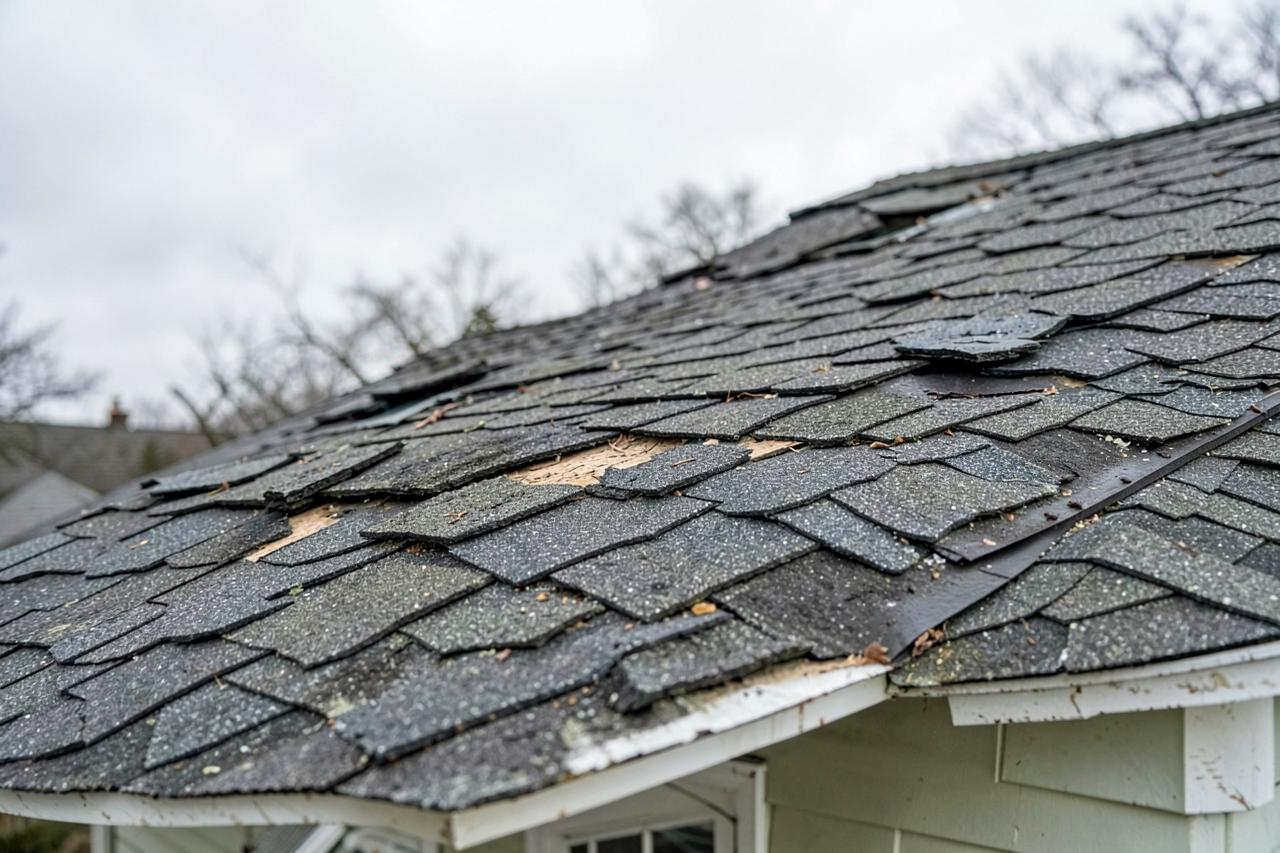
Northeasters, winter ice events, and severe summer thunderstorms across Ocean County frequently pull shingles, blow off ridge caps, or drop tree limbs onto Lakewood roofs. Storm Guard Roofing maintains a dedicated 24/7 emergency response protocol to secure compromised roofs before water ruins interior ceilings, insulation, and framing.

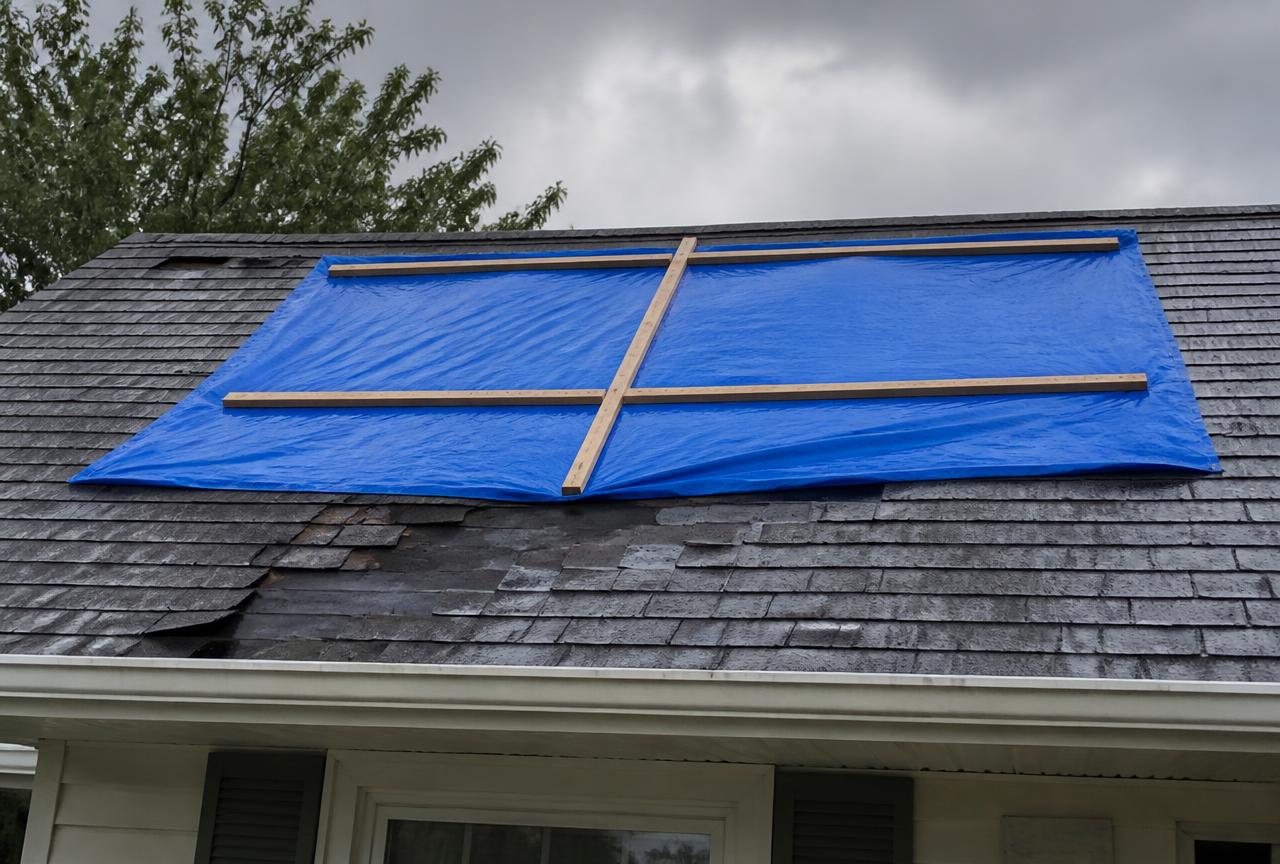
Our emergency tarping process involves securing industrial-grade, synthetic tarps using wood furring strips anchored directly into structural rafters. We do not rely on sandbags or unfastened covers that blow away during secondary storms. Once the property is stabilized against active water entry, our insurance claims team documents all structural damage, takes photo evidence of displaced shingles and punctured decking, and works directly with your insurance adjuster to ensure scope accuracy.

  • Immediate 24/7 deployment for emergency roof tarping and temporary structural stabilization.
  • Comprehensive storm damage evaluations documenting hail impacts, wind uplift, and shingle creasing.
  • Direct coordination with insurance adjusters to file accurate structural repair estimates.

Repair Costs Relative to Full Roof Replacement

Deciding between a targeted repair and a full roof replacement comes down to structural integrity, roof age, and the extent of deck deterioration. For newer roofs in Lakewood experiencing isolated leak points—such as a single failed vent boot or loose sidewall flashing—a localized repair costs a fraction of a full replacement and restores the roof to its original service life without disrupting sound shingle fields.

However, when dealing with older stock, it is often a matter of straight tear-off and replacement. In communities like Leisure Village that have reached the end of their design life, localized patching often yields diminishing returns. If shingles are brittle, granule loss is extreme, or plywood deck rot is present beneath multiple shingle layers, spot repairs only delay inevitable structural failure. On older stock, we pay specific attention to how additions and extended kitchens were tied into the original roof plane to determine if a targeted section repair or a complete roof system tear-off is required.

  • Localized repairs save money when applied to isolated installation errors on newer shingle roofs.
  • Full tear-off is recommended when shingle brittleness prevents clean lifting without causing secondary cracking.
  • Detailed deck inspections ensure sound plywood substrates before applying new underlayment or shingles.

Lakewood Permitting, Building Codes, and Weather Exposure

Roof repairs and replacements in Lakewood Township must strictly adhere to New Jersey Uniform Construction Code requirements for wind resistance and ice barrier protection. Ocean County's proximity to coastal weather patterns exposes roofs to sustained high winds and sudden freeze-thaw shifts.

When performing major structural repairs or roof replacements in Lakewood (08701), permits must be filed with the local construction office. Code dictates that all re-roofing projects include ice and water shield membrane extending inside the interior warm wall line at the eaves, as well as along all valleys and low-slope transitions. Storm Guard Roofing handles all municipal permit filings, code inspections, and structural verification to ensure your repair complies fully with Lakewood Township standards.

  • Full compliance with Lakewood Township building code and municipal permit acquisition.
  • Installation of ice and water shield protection along eaves, valleys, and wall intersections.
  • Fastener patterns calibrated for regional Ocean County wind loads to prevent future shingle uplift.

Lakewood questions we get asked

How do I know if my Lakewood home needs a roof repair or a complete replacement?
If your roof is less than 15 years old and experiencing a localized leak—such as around a pipe boot, valley, or single flashing detail—a targeted repair is typically sufficient. If your home has an older 1970s roof with widespread shingle curling, severe granule loss, or multiple structural leaks around old addition tie-ins, a straight tear-off and replacement is recommended.
Do minor roof repairs in Lakewood require a municipal permit?
Minor spot repairs involving isolated shingle replacement or flashing resealing generally do not require a permit in Lakewood Township. However, structural deck repairs or section replacements exceeding specified square footage trigger municipal code requirements. Storm Guard Roofing handles all permit determinations and filings directly with the Lakewood building department.
Why do leaks frequently occur where kitchen additions tie into older Lakewood homes?
Addition tie-ins often leak because the slope of the addition roof differs from the original roof plane. If the transition between the original framing and an extended kitchen is not stripped down, step-flashed, and lined with continuous ice and water shield, water pools at the joint and backs up under the shingles during heavy rainstorms.
How quickly can Storm Guard Roofing respond to an emergency roof leak in Lakewood?
We provide 24/7 emergency response for active roof leaks across Lakewood (08701). Our crew dispatches with commercial-grade tarping materials and structural fasteners to temporarily seal and stabilize your roof, preventing interior damage until permanent repairs or insurance claim processing can be completed.

More in Lakewood

Call (201) 403-0024 for a Lakewood inspection, or send the form.

Or call (201) 403-0024. Emergency line answered 24/7.