Franklin Lakes · Bergen County
Roof Replacement and Repair Services in Franklin Lakes
Storm Guard Roofing provides residential roofing services throughout Franklin Lakes, New Jersey. Operating as a family owned business with over 25 years of field experience, our company maintains full state licensing and general liability insurance. We deliver complete roof replacements, structural repairs, comprehensive maintenance inspections, and 24/7 emergency response. Property owners in Bergen County face specific architectural and environmental demands. When severe weather causes sudden damage or natural aging degrades structural components, our team manages every stage of project execution, including direct insurance claim assistance. You can reach our office at (201) 403-0024 to discuss project scope or schedule an on-site consultation with an experienced roofing contractor.
Material Selection for Franklin Lakes Architectural Structures
Local building stock in this area frequently features large wooded lots with complex rooflines, multiple valleys, and long gutter runs. These intricate structural designs require specific material selections capable of handling heavy shade, falling organic debris, and rapid runoff. Standard three-tab shingles rarely offer the tear resistance or weight needed for high-pitch hips and deep valleys. Heavyweight architectural asphalt shingles, synthetic slate tiles, and thick cedar shakes provide the dimensional strength necessary to withstand high winds and heavy winter snow loads.
Valleys require heavy-gauge metal flashing, such as copper or pre-finished aluminum, installed over self-adhering ice and water protection membranes. Heavy tree canopies create shaded microclimates that retain moisture on roof surfaces, accelerating algae and moss growth. Selecting shingles embedded with copper granules helps prevent biological staining over time. Additionally, long gutter runs must be fitted with properly scaled five-inch or six-inch continuous K-style or box gutters, secured with heavy-duty hidden hangers to handle the volume shed by expansive roof planes.
- Architectural shingle systems rated for high wind uplift resistance.
- Metal valley linings installed with ice and water shield underlayment.
- Heavy-duty gutter systems engineered to handle high-volume runoff from long roof edges.
Inspection Guidelines for Multi-Valley Roof Systems
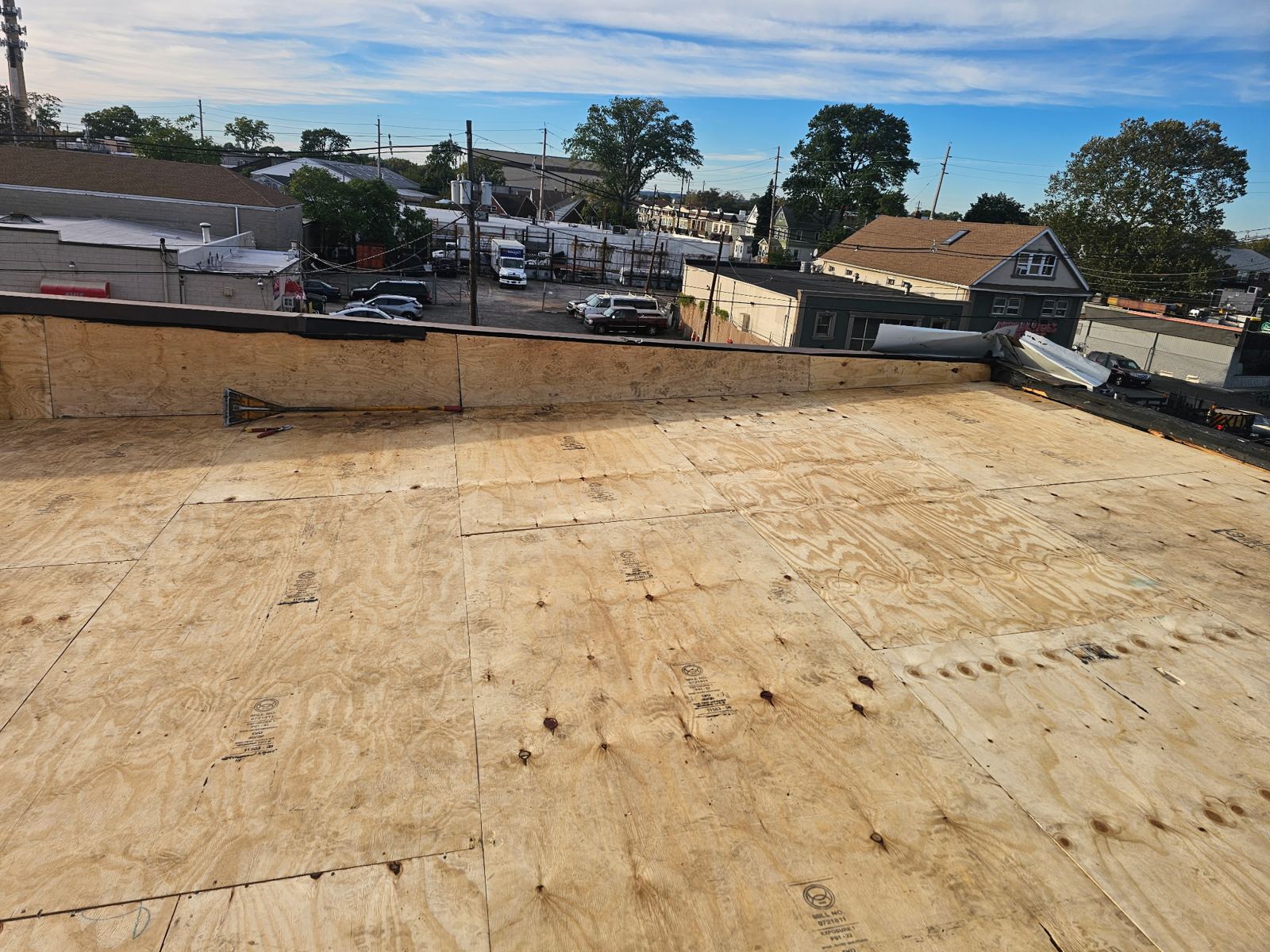
A thorough physical assessment is required before executing repairs or full tear-offs on homes with complex roof structures. Properties situated on heavily wooded lots experience continuous leaf and branch drop, which accumulates in roof valleys and behind chimney crickets. During an inspection, our field technicians evaluate the entire roof plane to identify failing underlayment, compromised flashing, and soft or decaying wood sheathing.
We examine structural intersection points where steep roof pitches meet. Valleys collect high concentrations of water from multiple roof planes, making them vulnerable to leakage if underlayment seals degrade. We inspect step flashing along dormers, skylights, and brick chimneys. Attic spaces are evaluated internally to verify that intake soffit vents and exhaust ridge vents maintain proper air balance, preventing moisture buildup beneath the roof deck during freezing temperatures.
- Moisture testing and physical inspection of structural plywood decking.
- Verification of step flashing, apron flashing, and counter-flashing along masonry junctions.
- Ridge vent and soffit intake calculations to prevent attic heat and moisture buildup.
Permitting and Code Compliance in Franklin Lakes, New Jersey
Roofing installations in Franklin Lakes require compliance with state building codes and municipal permitting procedures. Before construction begins, a registered roofing contractor files permit documentation with the local construction official. This step ensures that all tear-off procedures, underlayment installations, and surface materials meet current New Jersey Uniform Construction Code standards.
Permit applications require clear material specifications, including wind resistance ratings and fire resistance classifications. Building inspections may be required at specific phases, such as after old materials are stripped to allow inspectors to verify sheathing integrity before new underlayment is applied. Working with an established, licensed contractor ensures that all permit paperwork, fee schedules, and final inspections are properly completed without project delays or title transfer complications.
- Submittal of building permit documentation to municipal code officials.
- Mid-project deck inspections performed prior to underlayment application when required.
- Final building department inspection sign-off upon project completion.
Managing Storm Damage and Insurance Claims Assistance
Severe windstorms, heavy snow, and ice dams regularly impact residential structures in Bergen County. When falling tree limbs damage a roof on a wooded lot, fast stabilization is critical to prevent water from entering the home. Storm Guard Roofing maintains a 24/7 emergency response service to apply protective tarps, clear fallen debris, and secure the building envelope immediately following a storm.
After temporary stabilization is complete, our team helps homeowners navigate the insurance claims process. We compile detailed damage assessments, taking photographs of displaced shingles, broken sheathing, and bent flashing. We meet directly with insurance adjusters during field visits to review the scope of loss, ensuring that all necessary repairs (including valley reconstruction and gutter replacement) are fully detailed in the claim report.
- 24/7 emergency roof tarping and structural stabilization.
- Itemized repair estimates produced for insurance claim adjusters.
- On-site representation during adjuster visits to point out structural damage.
Evaluating Criteria for Hiring a Local Roofing Contractor
Selecting a qualified contractor requires verifying state credentials, insurance coverages, and local project experience. Homeowners should confirm that any bidding business maintains active registration with the New Jersey Division of Consumer Affairs. A reputable firm must carry general liability insurance along with full workers' compensation coverage to protect the property owner from financial liability during the project.
Review the contractor's experience with homes featuring complex architectural designs. Constructing steep slopes, multiple valleys, and custom flashing details requires advanced technical skills and crew management. Request a written contract detailing exact material lines, warranty terms, project timelines, and waste disposal protocols prior to authorizing any work.
- Verification of active New Jersey contractor registration and state licensing.
- Proof of current general liability and workers' compensation insurance certificates.
- Written contracts detailing specific material lines, flashing types, and project timelines.
Franklin Lakes questions we get asked
- How do large wooded lots in Franklin Lakes affect roof maintenance requirements?
- Wooded lots expose roofs to shade, falling branches, and heavy leaf litter. Organic debris traps moisture in valleys and gutters, accelerating shingle granule loss and encouraging moss growth. Regular inspections and clearing of valleys are necessary to prevent wood decay along decking seams.
- What permits are needed before a roofing contractor begins work in Franklin Lakes?
- A building permit issued by the municipal construction department is required for full roof replacements and major structural repairs. Your roofing contractor submits the permit application, specifies the materials, and schedules required municipal inspections.
- How does Storm Guard Roofing handle emergency repairs after severe weather?
- We operate a 24/7 emergency response service. Our crew dispatches to the property to install heavy-duty tarps over damaged sections, preventing water intrusion. We then document structural damage to assist with your insurance claim.
- What flashing details are required for homes with complex rooflines and multiple valleys?
- Roofs with multiple valleys require self-adhering ice and water protection membrane covered by corrosion-resistant metal valley flashing, such as aluminum or copper. Step flashing must be layered into shingle courses along all vertical wall and chimney intersections.
More in Franklin Lakes
Call (201) 403-0024 for a Franklin Lakes inspection, or send the form.