
New Jersey roof repair
Roof repair in New Jersey, traced to the real leak
Leaks traced to the actual entry point, flashing and valleys rebuilt instead of caulked, and storm damage documented for your insurance claim. Written estimate before any work starts.
(201) 403-0024NJ HIC# 13VH13549100 — independently owned and operated in New Jersey.
- 25+ years residential and commercial
- Family owned, licensed and insured
- Insurance claims handled start to finish
- Matches or beats any written quote
Get the leak looked at
Inspection and written estimate at no cost.
The repairs we are called for most
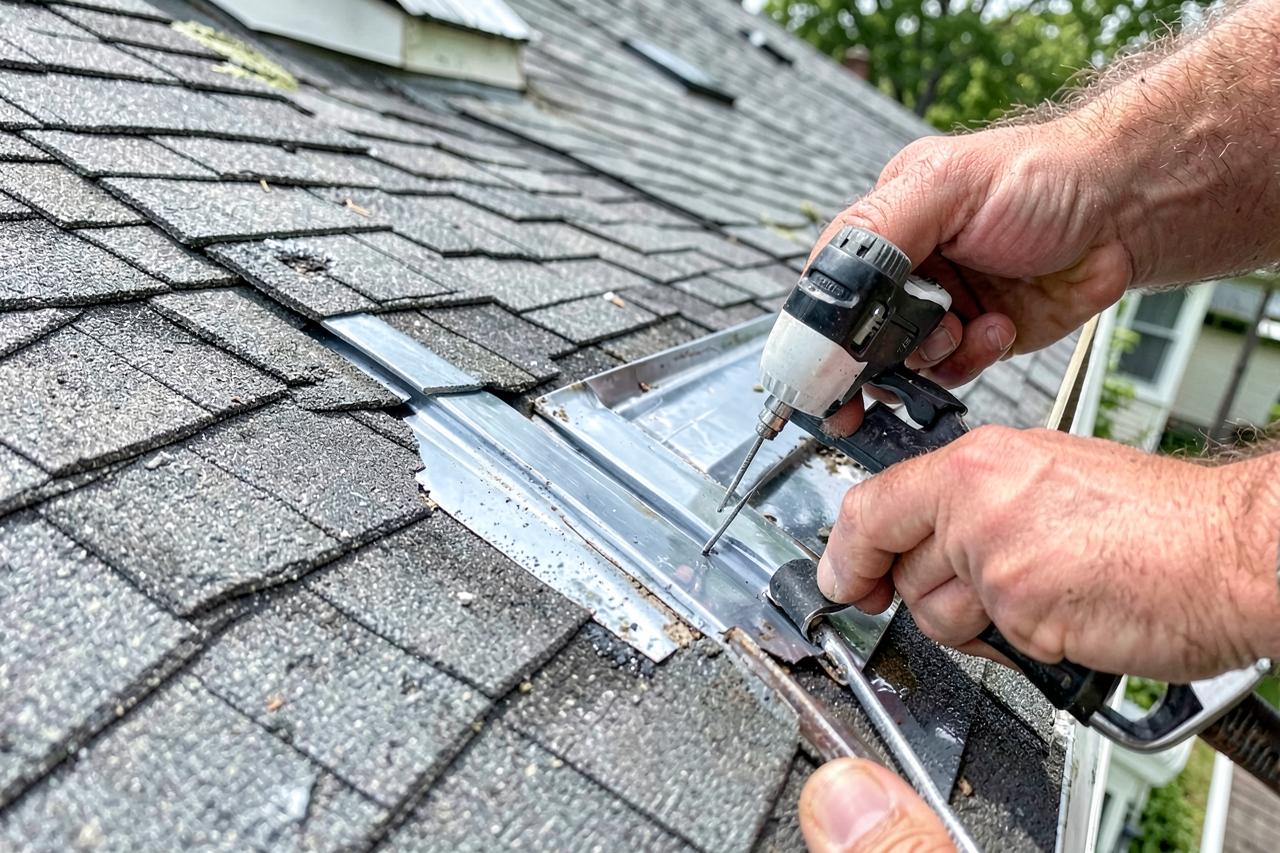
Nine out of ten leaks we are called to are not the shingles in the middle of the field — they are the transitions. Flashing at a wall, a valley carrying a whole slope's water, a cracked pipe boot. That is where we start, and it is why a proper repair holds where a tube of roof cement does not.
Flashing and chimney leaks
Step and counter flashing at walls and chimneys is the most common leak source on NJ homes. We remove and replace it — new metal woven into the shingle courses — instead of smearing sealant over rusted flashing that fails again next season.
Valley repair and rebuild
Valleys carry more water than any other part of the roof. Clogged, rusted, or improperly woven valleys get opened up, re-lined with ice-and-water shield and new metal where called for, and re-shingled.
Missing and wind-lifted shingles
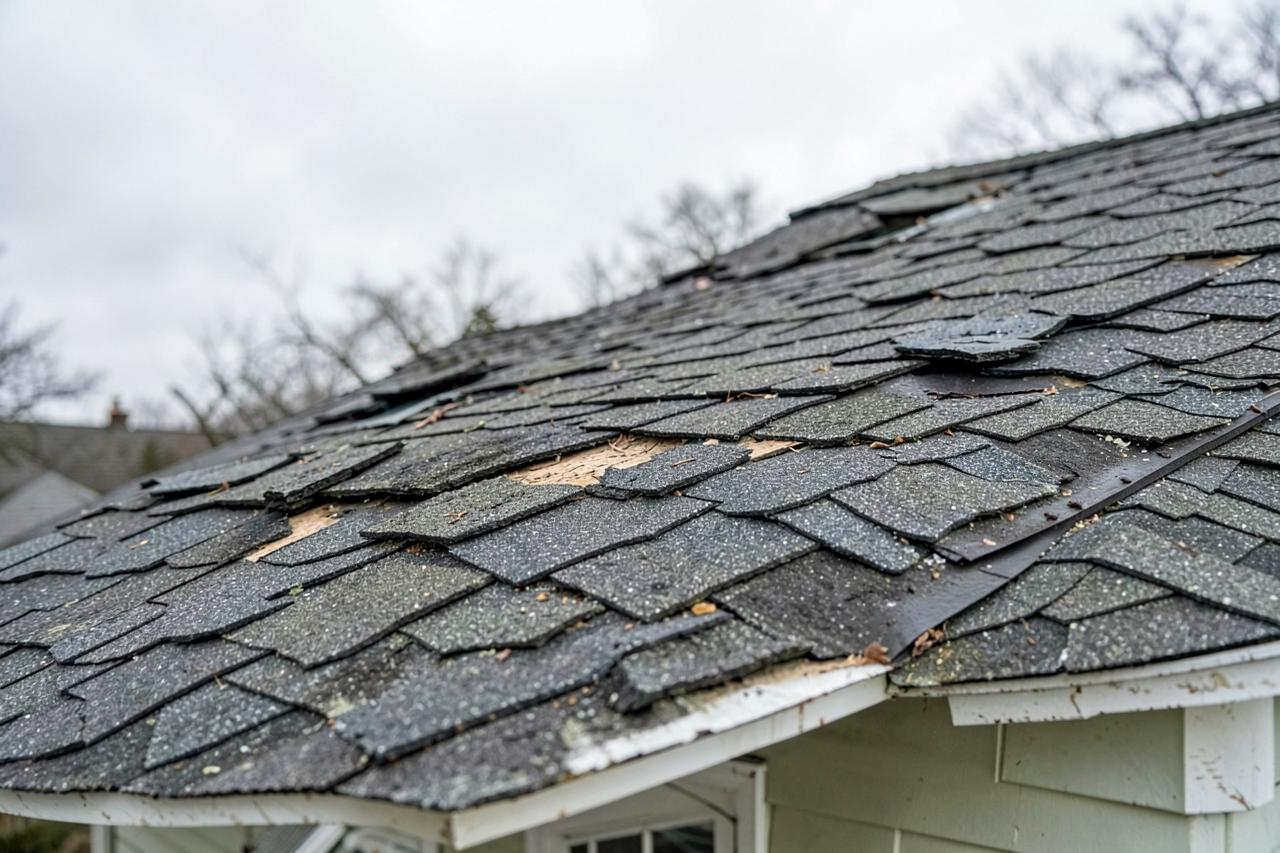
Shingles torn or creased by wind are replaced and the surrounding field checked for broken seals. One lifted shingle breaks the seal on the courses above it — we check the whole exposure, not just the hole.
Pipe boots, vents, and skylights
Rubber pipe boots crack in 7 to 10 years and are a quiet, steady leak. Boots, vent flashing, and skylight curb flashing are replaced as a unit so the seal outlasts the roof around it.
How a repair call runs
- Stage 1
Trace the leak
Stain traced uphill to the real entry point — flashing, valley, pipe boot, or nail pop — confirmed from the attic side where the deck shows the trail.
- Stage 2
Stop the water
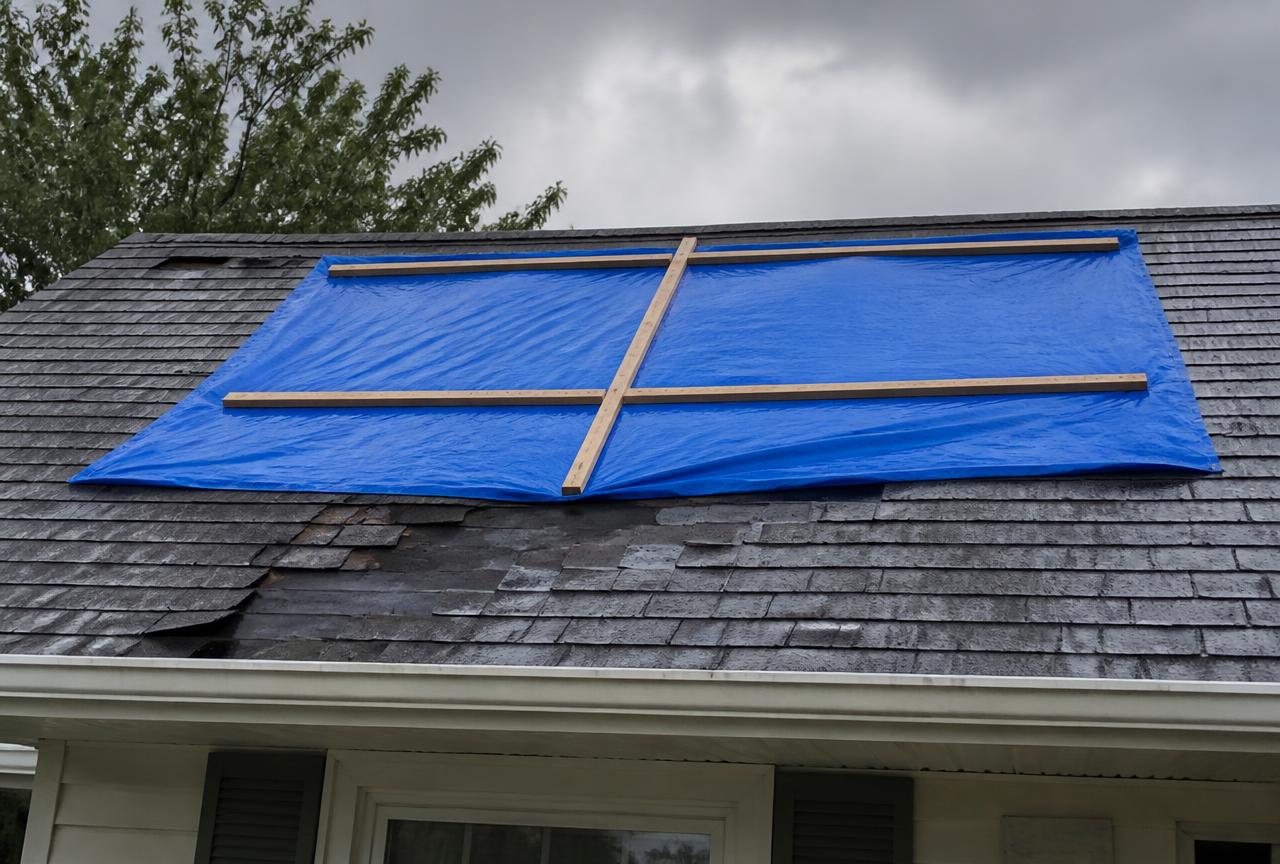
Active leaks get a tarp or temporary seal the same visit so no more water enters while the permanent repair and materials are scheduled.
- Stage 3
Repair to spec
Failed material removed, deck checked underneath, new flashing or shingles woven into the field — not caulked over. Caulk is a temporary measure, not a repair.
- Stage 4
Document and back it
Photos of the damage and the finished repair, insurance-ready documentation when a claim is involved, and the workmanship warranty in writing.
Roof repair questions
- How do you find where a roof leak is coming from?
- Water almost never drips straight down from the hole. We trace it from the stain uphill — checking flashing, valleys, pipe boots, and nail pops along the path — and confirm with the attic side where the decking shows the water trail. You get told the actual entry point, not a guess at the nearest vent.
- Can a roof leak be repaired or does the roof need replacing?
- Most leaks are repairable. Failed flashing, a cracked pipe boot, a clogged valley, or wind-lifted shingles on an otherwise sound roof are repairs measured in hours. Replacement enters the conversation when the field itself has failed — widespread granule loss, curling across slopes, or leaks in several unrelated spots. We show you photos either way.
- Do you repair storm and wind damage?
- Yes — missing or creased shingles, lifted flashing, tree impact, and hail bruising. We document the damage with photos formatted for insurance claims, tarp anything open the same visit, and the estimate separates storm damage from pre-existing wear so the claim is not denied over wording.
- How fast can you get to an active leak?
- Active water coming in gets same-day response with a tarp or temporary seal if weather stops permanent work. The permanent repair is scheduled as soon as the roof is dry enough to work safely, and the tarping cost is credited when you go ahead with the repair.
- What does roof repair cost in New Jersey?
- It depends on access, pitch, and what failed — a pipe boot and a valley rebuild are very different jobs. The inspection and written estimate are free, the price is agreed before work starts, and roofing work carries the SG10ROOF code for 10% off.
- Will a repair match my existing shingles?
- We match manufacturer and color line as closely as the shingle's age allows. A 15-year-old weathered shingle will not be a perfect color match to a new one and we tell you that up front — on visible slopes we feather repairs across a section so the blend reads clean from the street.