Bridgeton · Cumberland County
Roof Repair Services in Bridgeton, NJ
Storm Guard Roofing provides specialized roof repair services in Bridgeton, New Jersey, addressing localized leaks, structural wear, and storm damage. Operating for over 25 years as a family-owned, licensed, and insured contractor, our team provides 24/7 emergency response and directly assists homeowners with insurance claims processing. Bridgeton's residential neighborhoods—from the Historic District near the Cohansey River to East Commerce Street, Indian Avenue, and Laurel Heights—feature a distinct inventory of residential architecture. Local building stock: Historic frame housing with tall chimneys, porch roofs, and older low-slope additions. These specific architectural traits require targeted repair techniques rather than generic total replacements. If your roof shows active leakage, missing shingles, or flashing failure, contact Storm Guard Roofing at (201) 403-0024 for a technical inspection and detailed repair scope.
Common Failure Points in Bridgeton Housing Stock
Bridgeton features one of South Jersey's largest concentrations of historic Victorian, Federal, and mid-century frame homes. These structures present specific repair challenges due to high roof pitches, complex valley intersections, and aging masonry elements. Tall brick chimneys typical of 19th and early 20th-century Bridgeton homes suffer from mortar joint breakdown and rusted stepped flashing. Water penetrates these masonry voids and tracks down interior framing long before stains appear on finished ceilings.
Porch roof connections are another primary failure zone in Cumberland County homes. Where a lower porch roof ties into an exterior two-story frame wall, heavy water runoff from the upper main slope accelerates wear on the wall-to-roof transition. Furthermore, older low-slope additions attached to the rear of historic frame dwellings frequently suffer from standing water, seam separation, and perimeter drip edge pull-away. Storm Guard Roofing isolates these structural vulnerabilities to execute direct repairs without forcing unnecessary total tear-offs.
- Chimney mortar joint breakdown and corroded wall step-flashing.
- Dead valleys and wall intersections where wrap-around porch roofs join the main structure.
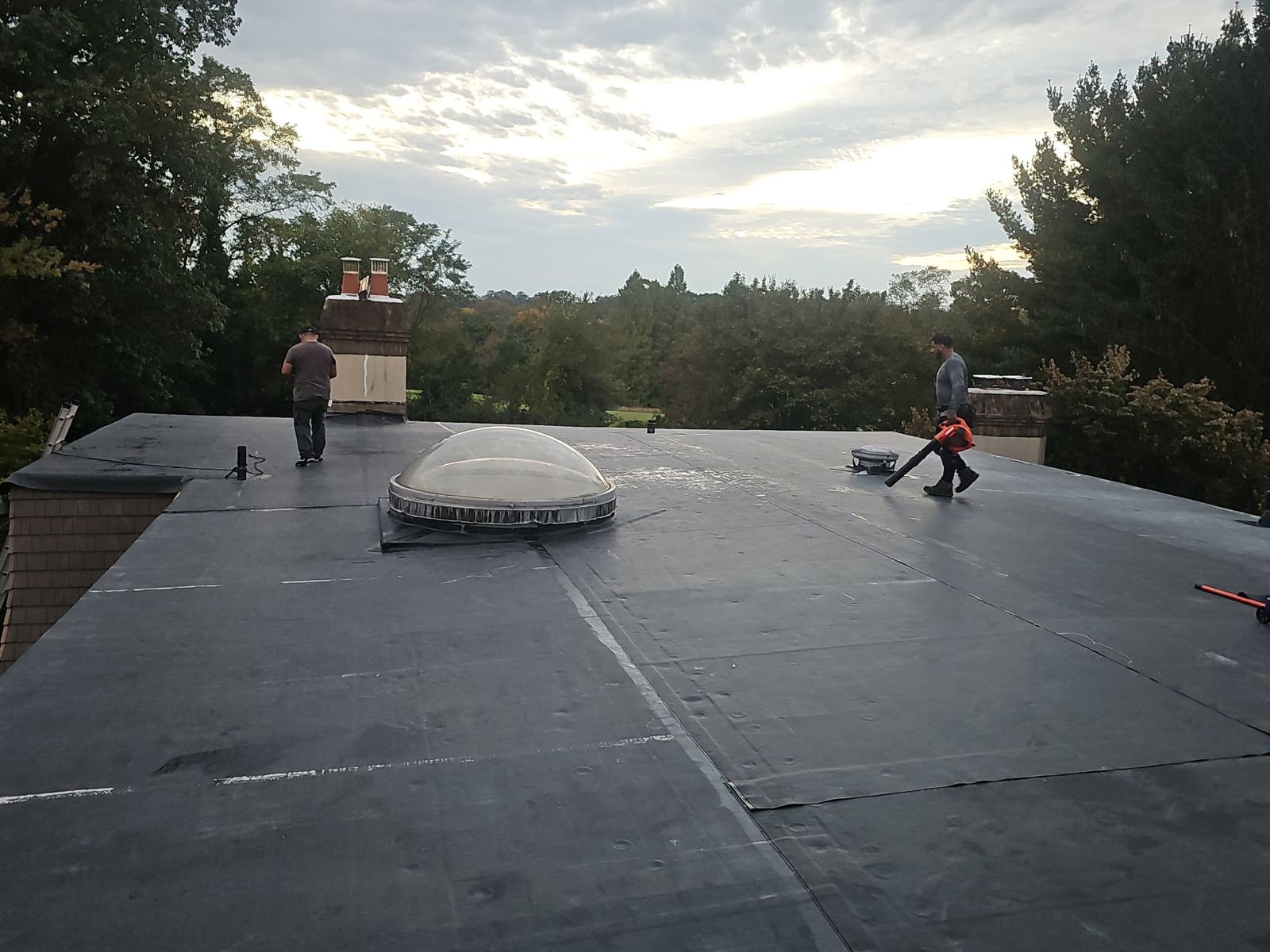
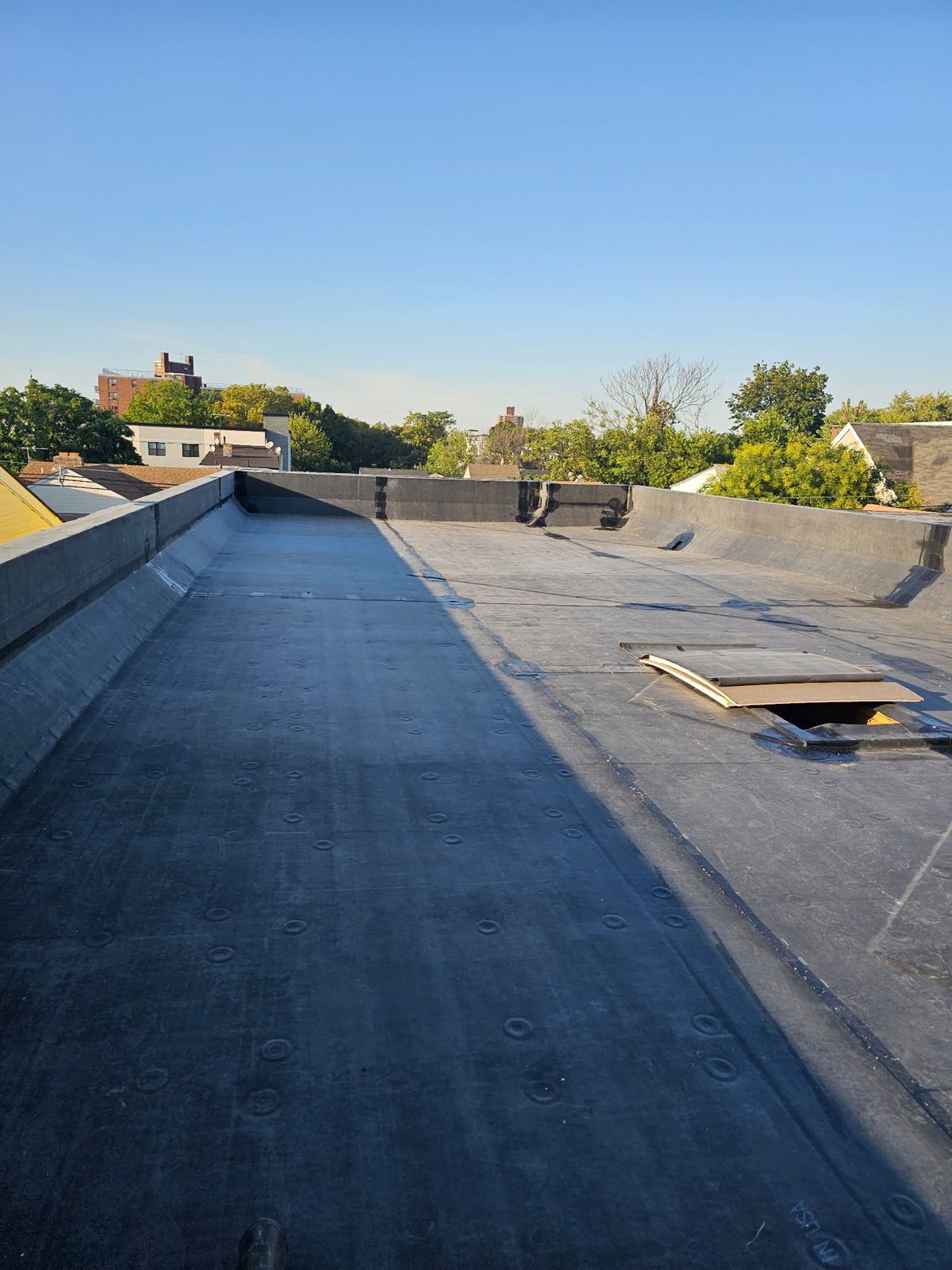
- Cracking, blistering, and seam failure on low-slope EPDM rubber or modified bitumen additions.
- Shingle blow-offs along eaves and gables exposed to wind-driven rain from the Cohansey River basin.
Technical Mechanics of Flashing, Valley, and Shingle Repair
Effective roof repair requires rectifying structural wear rather than smearing temporary sealants over active leaks. Applying caulk over damaged metal flashing or rotted underlayment traps water against structural wood framing, accelerating interior decay. In Bridgeton, severe weather systems driven across flat South Jersey terrain bring wind-driven rain that forces water into unsealed roof joints.
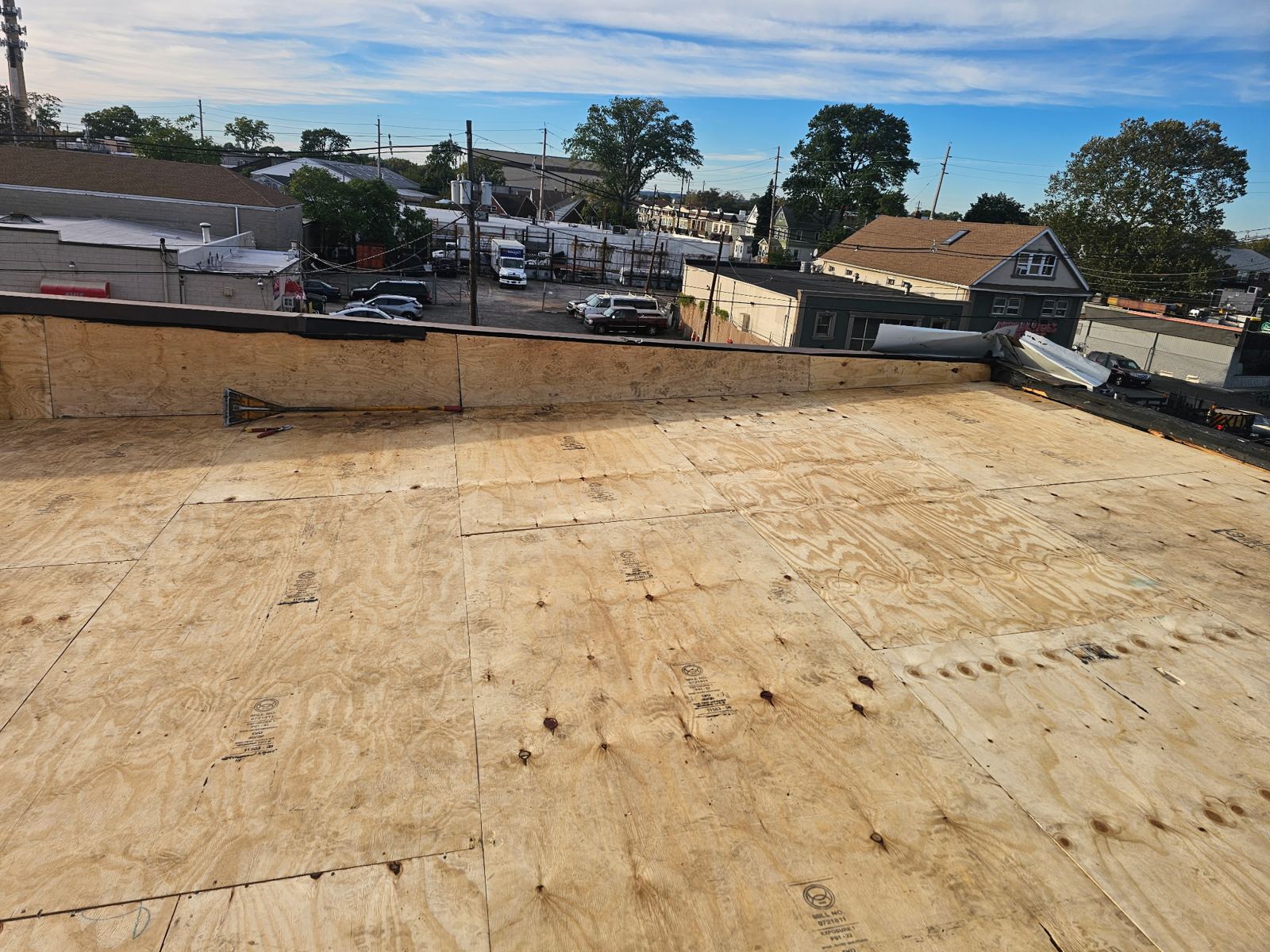
When repairing step-flashing along tall chimneys or exterior sidewalls, our technicians remove adjacent shingles, strip out failed metal, and install lead or aluminum counter-flashing cut directly into mortar joints. For valley repairs, we pull back degraded shingle courses and install heavy-gauge metal valley liners with self-adhering ice-and-water shield membranes beneath. Low-slope rear additions receive targeted membrane patches, seam re-welding, and perimeter mechanical fastening to restore watertight integrity across flat transitions.
- Precision step-flashing integrated into historic brickwork and exterior lap siding.
- Valley reconstruction using modified bitumen or rubberized self-adhering membranes.
- Individual shingle weaving and replacement matching existing weight, profile, and exposure.
- Low-slope addition membrane patching, lap seam sealing, and termination bar installation.
24/7 Emergency Tarping, Storm Damage, and Insurance Claims
Severe convective storms, summer squalls, and winter nor'easters in Cumberland County frequently cause tree limb impacts and lift older asphalt shingles. Storm Guard Roofing maintains 24/7 emergency dispatch to secure compromised roofs across Bridgeton immediately following storm events. Emergency service focuses on water mitigation using heavy-duty, UV-stabilized reinforced tarping systems anchored directly to structural rafters without causing secondary deck damage.
Once temporary stabilization is complete, we perform a thorough technical evaluation of the roof system. We document uplifted shingle courses, hail impact fractures, wind tears, and sub-deck saturation. We work directly with your insurance company, supplying itemized scope reports, field photographs, and structural assessments required to settle claims correctly under New Jersey regulations.
- 24/7 emergency dispatch for tarping and structural stabilization.
- Tree limb removal from roof surfaces and underlying rafter inspection.
- Detailed photo-documentation of storm, wind, and hail damage for insurance adjusters.
- Direct coordination with insurance adjusters during field site visits.
Repair vs. Replacement Cost Analysis for Homeowners
Homeowners often assume an active leak requires a total roof replacement. In Bridgeton, where historic frame housing often carries custom trim, multiple slate or shingle layers, and historic detailing, full replacement involves substantial labor and disposal expenses. A targeted repair addresses the specific point of failure at a fraction of the cost of a replacement, extending the current roof's functional life by five to fifteen years.
Evaluating whether to repair or replace depends on overall deck integrity, shingle flexibility, granule retention, and localized damage limits. If an architectural shingle roof is ten years old and experiencing isolated valley leakage or flashing breakdown at a porch transition, repairing the damaged section is the correct financial decision. Storm Guard Roofing evaluates attic ventilation, underlayment condition, and fastener retention to confirm that a localized repair will provide long-term protection without wasting capital on an unneeded full tear-off.
- Lower initial capital expenditure focused strictly on documented failure zones.
- Preserves original timber framing and historic tongue-and-groove roof decking.
- Eliminates unnecessary landfill disposal fees and structural disruption.
- Protects remaining service life on roof sections that remain structurally sound.
Bridgeton Code Compliance and Historic District Standards
Roof repair work in Bridgeton must comply with the New Jersey Uniform Construction Code (NJUCC) and local regulations administered by the City of Bridgeton Department of Inspections. Minor maintenance repairs replacing limited shingle areas generally do not require building permits, but structural deck repairs and full membrane replacements on low-slope additions require proper permitting and inspections.
Additionally, properties located within the Bridgeton Historic District—New Jersey's largest historic district—must adhere to strict guidelines regarding visible building materials. Structural repairs on historic frame dwellings must preserve original profiles, architectural lines, and matching material tones to maintain historical compliance while delivering weather resistance. Storm Guard Roofing coordinates all material selection and repair scope documentation to ensure compliance with municipal codes and historic preservation standards.
- Code-compliant self-adhering ice-and-water barrier installation along critical eaves and valleys.
- Adherence to Bridgeton Historic District rules regarding exterior material consistency.
- Deck board replacement engineered to meet NJ Building Code snow load standards.
- Attic ventilation adjustments to ensure compliance with net free vent area code ratios.
Bridgeton questions we get asked
- How do you repair leaks on older low-slope rear additions in Bridgeton?
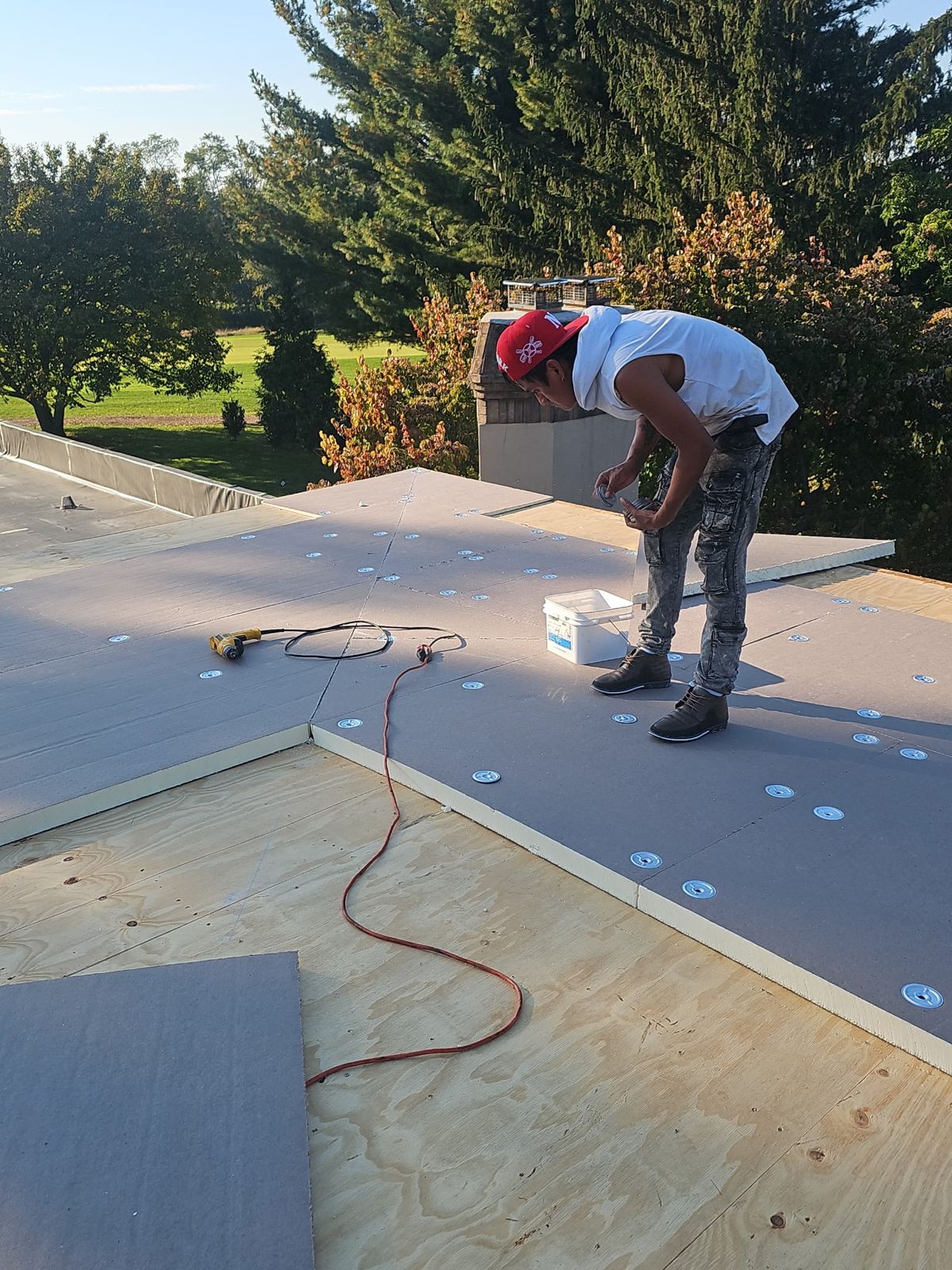
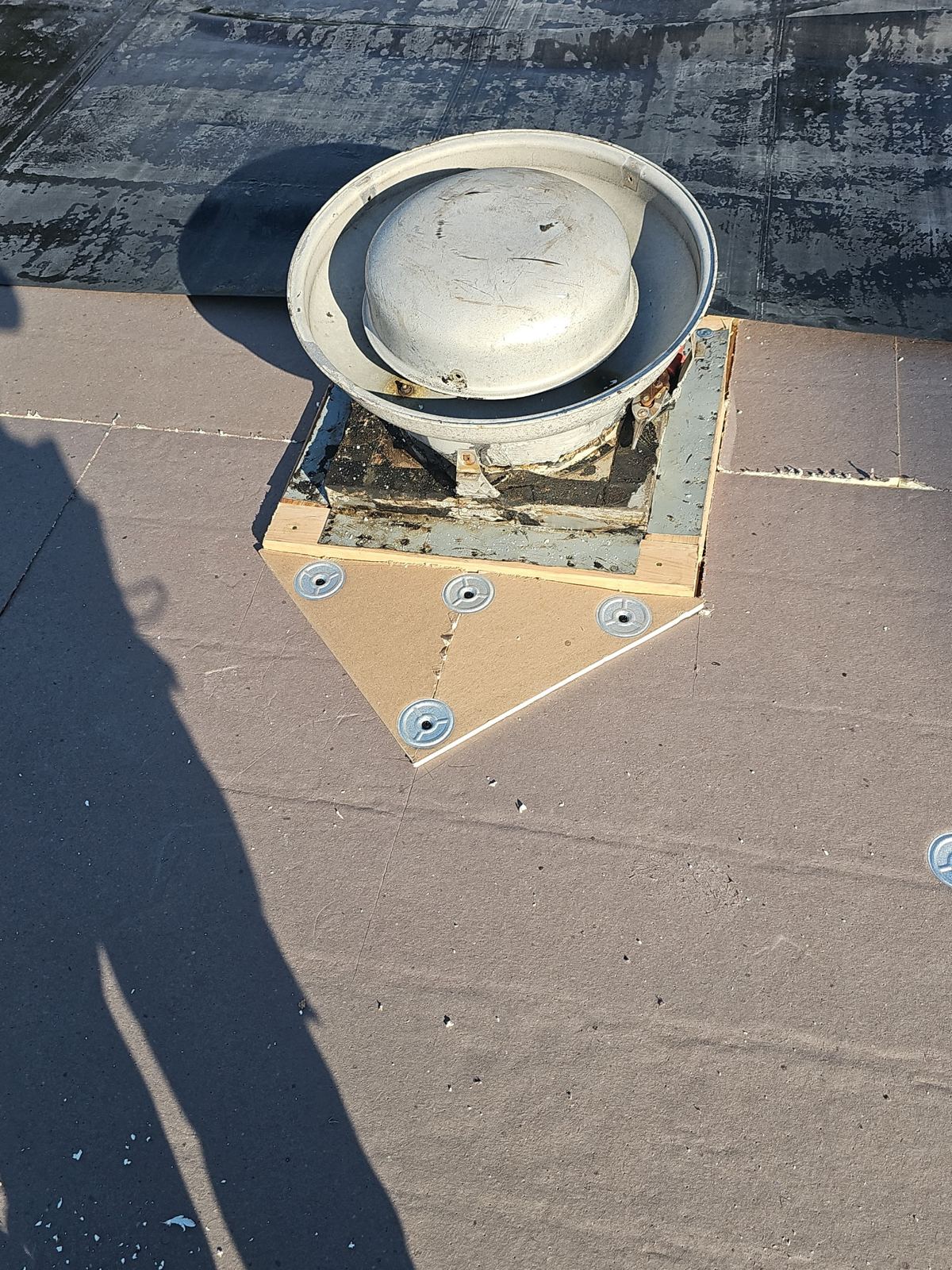
- Low-slope additions require dedicated flat-roof repair procedures. We inspect membrane seams, wall flashing terminations, and edge details on EPDM or modified bitumen surfaces. Damaged membrane sections are removed, replacing compromised underlayment or insulation board, and heat-welding or cold-adhesive bonding new membrane patches with mechanical termination bars.
- Can step-flashing around tall historic chimneys be repaired without replacing the entire roof?
- Yes. We lift adjacent shingle courses, remove deteriorated step and counter-flashing, re-grind mortar joints where required, and install custom-fit metal counter-flashing embedded into the masonry. New step-flashing pieces are then woven into the existing shingle matrix.
- Is a building permit required for roof repair in Bridgeton?
- Under the New Jersey Uniform Construction Code, localized roof repairs replacing minor shingle areas or sealing flashing do not require a permit. However, extensive repairs involving structural sheath replacement or full membrane removal on low-slope additions require permits from the Bridgeton Construction Code office, which we handle on your behalf.
- What is the emergency response process if a tree branch punctures my Bridgeton roof?
- Call Storm Guard Roofing immediately at (201) 403-0024. Our emergency team dispatches 24/7 to install heavy-duty, frame-anchored tarps over the puncture site, preventing interior water damage. We then conduct a full structural assessment and handle the insurance claim scope.
More in Bridgeton
Call (201) 403-0024 for a Bridgeton inspection, or send the form.