Cinnaminson · Burlington County
Targeted Roof Repair in Cinnaminson, NJ
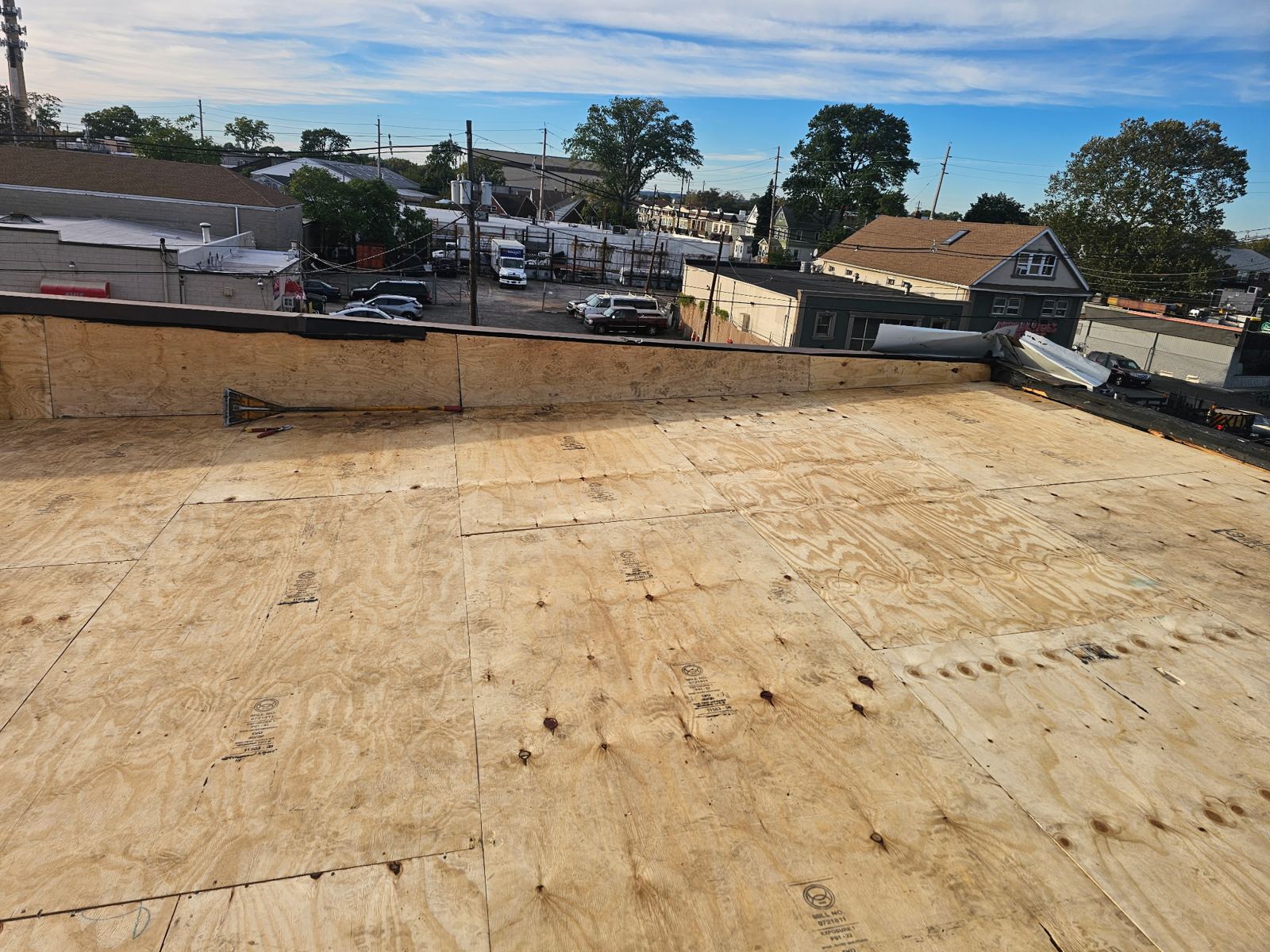
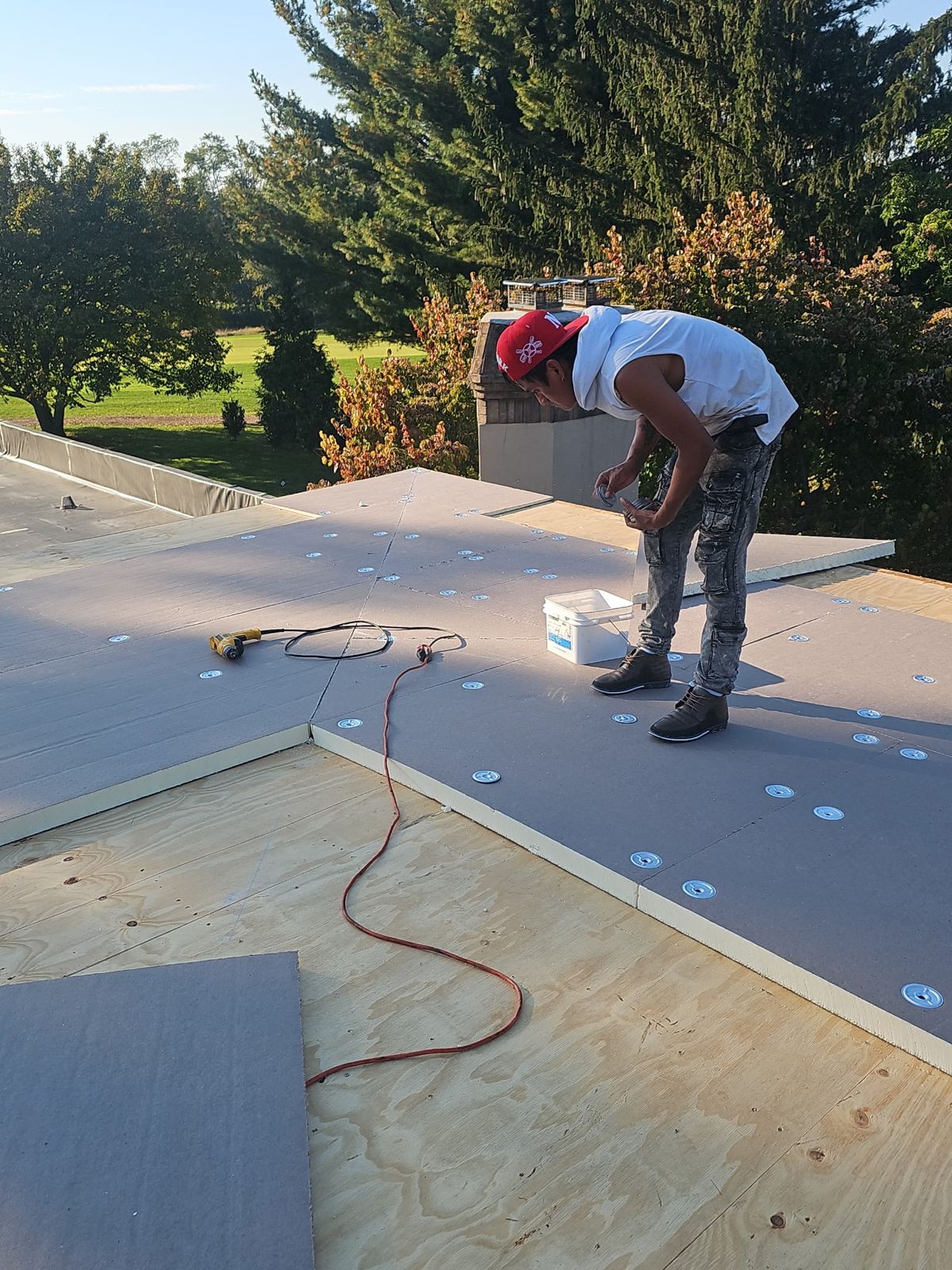
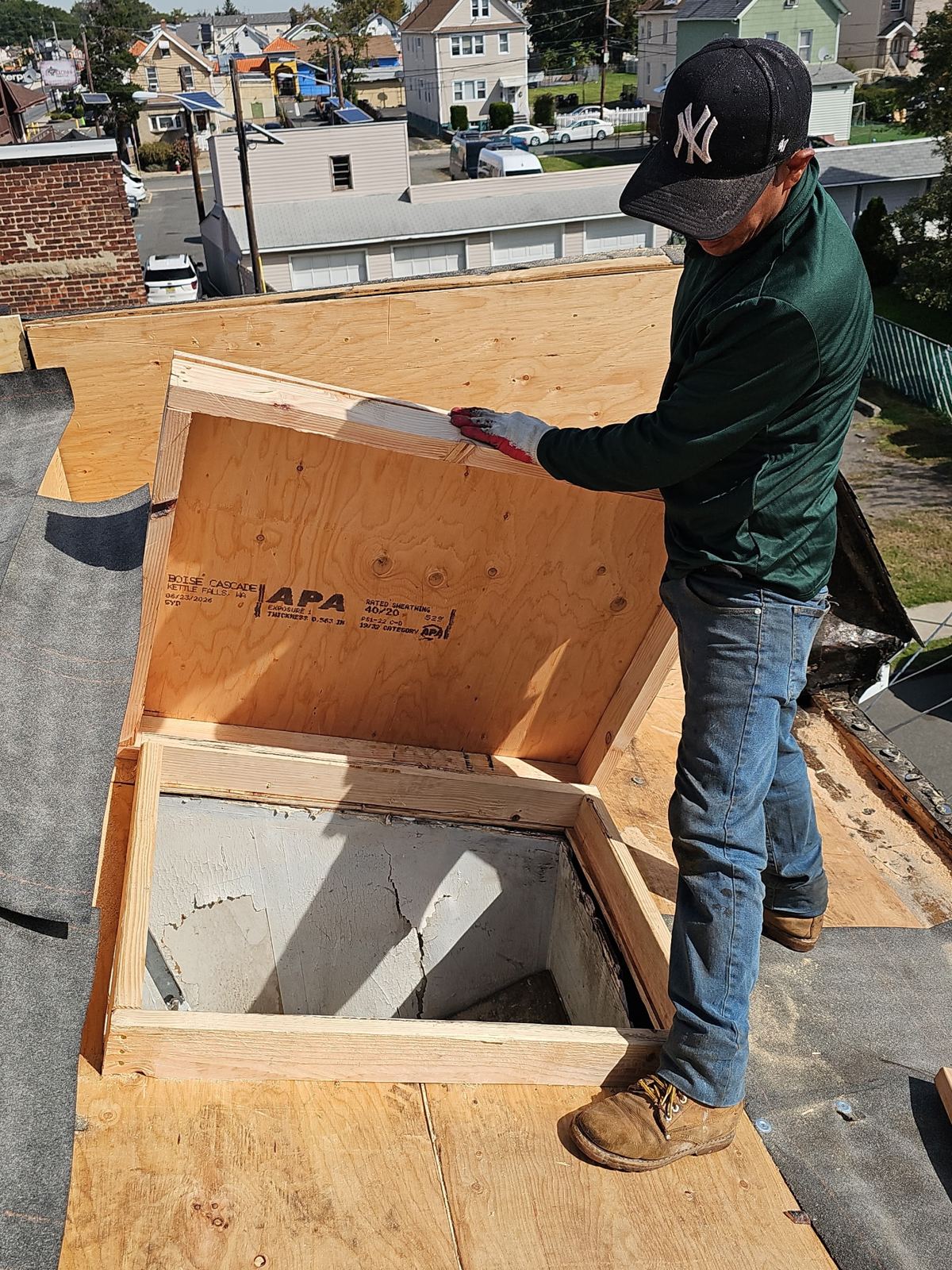
Roof leaks and structural shingle failures require immediate, targeted remediation to prevent interior framing rot and dry-rot ceiling damage. Storm Guard Roofing provides localized roof repair services throughout Cinnaminson, Burlington County, New Jersey. Operating for over 25 years, our family-owned company is fully licensed and insured, delivering direct technical diagnostics, emergency dispatch, and insurance claim navigation. Properties situated near the Delaware River basin and along the Route 130 corridor encounter high moisture levels, freeze-thaw cycles, and severe wind pressure from coastal storms. When your roof system shows signs of water penetration, flashing fatigue, or wind uplift, our technicians arrive equipped to stop active leaks and stabilize your home structure. We handle emergency calls 24 hours a day, 7 days a week at (201) 403-0024.
Structural Repair Needs of Cinnaminson's 1950s–70s Housing
The dominant residential building stock in Cinnaminson consists of 1950s-70s ranches and splits with low slopes and original attic venting. Neighborhoods like East Riverton, Broad Street corridors, and established tracts off Westfield Road feature roof pitches ranging from 3:12 to 5:12. Low-slope geometry naturally slows water runoff, allowing wind-driven rain and melting snow to linger longer on shingle surfaces than on steeper steep-slope homes.
Original static louvers and aluminum gable vents on these mid-century structures frequently lack the net free vent area (NFVA) required by modern building codes. Improper ventilation traps heat in the attic during summer months, baking asphalt shingles from the underside and shortening their functional lifespan. In winter, warm air escaping into the attic space melts snow on the upper roof plane, which refreezes at the unheated eaves. This dynamic creates ice dams that push water upward under 3-tab or architectural shingles, deteriorating original plywood decking and saturating fascia boards.
- Low-slope configurations (3:12 to 5:12) increase water retention time during heavy downpours.
- Inadequate original gable and static louvers elevate attic thermal stress and deck temperatures.
- Freeze-thaw cycles create ice damming along eaves, forcing moisture under low-slope shingle laps.
Diagnostic Isolation of Roof Leaks: Flashing, Valleys, and Pipe Boots
Accurate leak repair requires finding the exact point of water entry rather than merely patching where water drips into the living area. Gravity often carries water along rafters, ceiling joists, and top plates feet away from the exterior shingle breach. Our diagnostic process isolates vulnerable flashing junctions, valley transitions, and penetration collars.
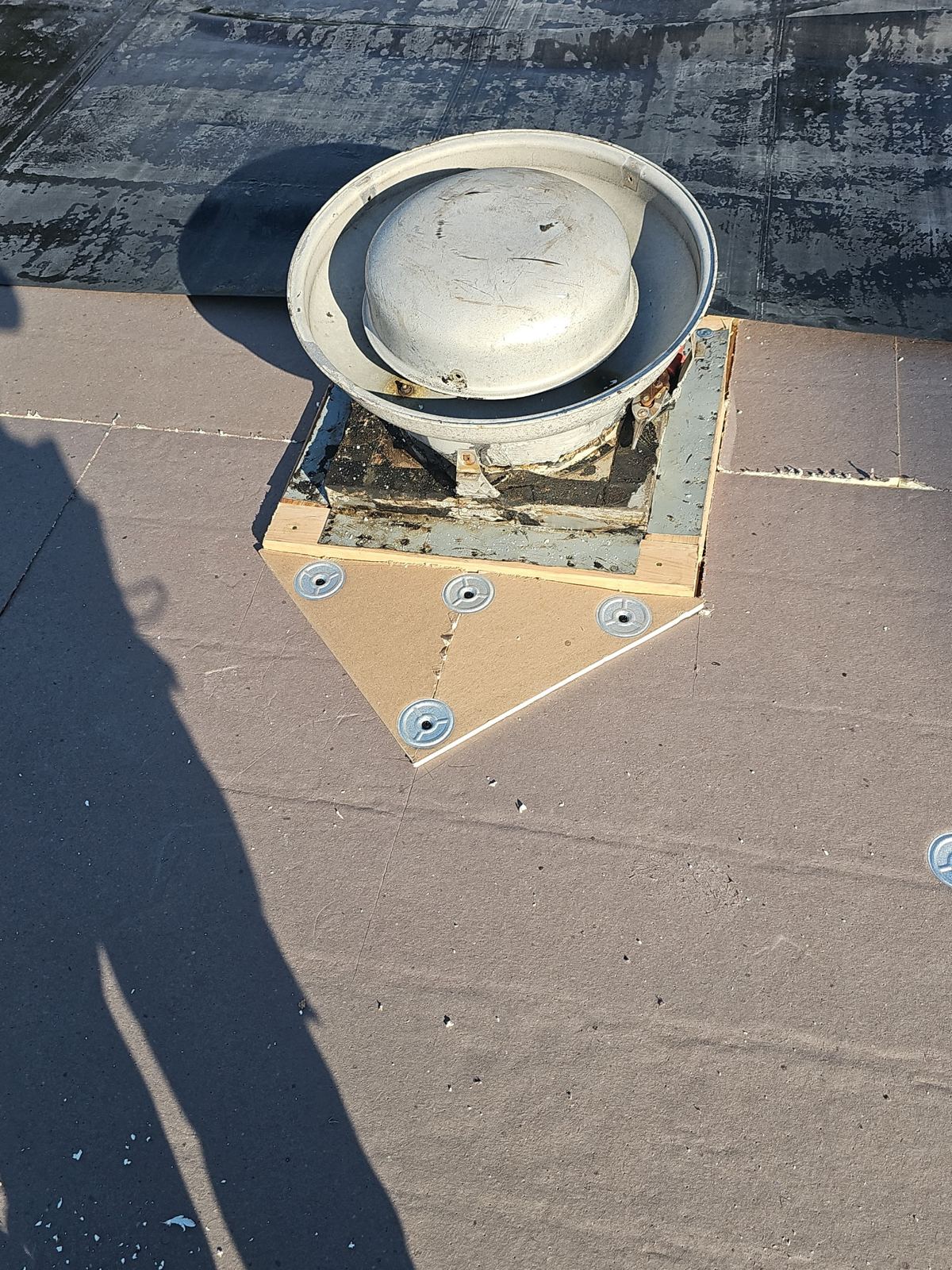
Deteriorated flashing is a primary failure point on Cinnaminson roofs. Wall-to-roof step flashing made of light-gauge galvanized metal corrodes over time, while counter-flashing sealants along chimney masonry dry out and split. Valleys lined with weathered roll roofing or worn metal collect leaves and pine needles, impeding drainage and scouring away shingle granules. Additionally, neoprene boots around plumbing vent pipes oxidize under solar ultraviolet radiation, cracking at the collar joint and allowing water to track directly down the vent pipe into interior walls.
- Step flashing and counter-flashing inspection at brick chimneys, dormers, and side walls.
- Valley analysis to detect granule strip-off, sediment backup, and underlayment exposure.
- Neoprene plumbing stack boot replacement when rubber seals dry-rot and split.
- Rafter and decking moisture tracking to locate entry points above interior ceiling stains.
Emergency Storm Damage Mitigation & 24/7 Tarping Protocol
Northeast storms, severe thunderstorms, and sudden straight-line winds bring tree limb impacts and localized shingle detachment across Burlington County. When structural integrity is compromised or shingles blow off, fast action prevents mass ceiling collapses, mold growth, and electrical hazards. Storm Guard Roofing operates a 24/7 emergency response fleet accessible at (201) 403-0024.
Our emergency protocol focuses on structural stabilization. We do not simply lay loose tarps on damaged roof slopes. We install heavy-duty, UV-resistant weather tarps secured with wooden furring strips anchored into structural rafter tails or sound decking. This method stops wind uplift from ripping the tarp away during ongoing storms. Once the building envelope is sealed, we take high-resolution photographic evidence and document structural damage to support your insurance claim process.
- 24/7 emergency dispatch for fast tarping and temporary leak containment.
- Furring-strip installation techniques engineered to withstand sustained storm winds.
- Comprehensive damage documentation including photo logs and written site assessments.
- Direct coordination with insurance adjusters to align scopes of loss with carrier standards.
Evaluating Repair Costs vs. Complete Roof Replacement
Homeowners frequently struggle to determine whether a partial repair makes financial sense compared to a full roof replacement. A targeted repair is the correct technical choice when the surrounding roof deck remains flat, existing shingles retain functional flexibility, and water intrusion is limited to a isolated point of failure—such as damaged valley flashing or isolated wind-blown shingles. Executing a localized repair preserves sound roofing materials and costs a small fraction of a full tear-off.
Conversely, if an aging roof exhibits widespread fiberglass mat exposure, extensive granule loss, or cupping across all slopes, attempting spot repairs can cause further damage. Nailing new shingles into brittle, aging material breaks adjacent seals and creates additional leak paths. During our initial assessment, we test shingle pliability, verify decking stiffness, and evaluate attic ventilation efficiency to provide a clear technical recommendation on whether a spot repair will hold up long-term or if full replacement is necessary.
- Partial repairs save substantial capital when localized to isolated wind or flashing failures.
- Decking integrity tests verify if plywood sheathings are sound enough to hold new fasteners.
- Shingle elasticity checks prevent secondary damage caused by working on brittle roofs.
- Factual technical reports provide clear repair-versus-replace threshold criteria.
Cinnaminson Municipal Building Code & Permitting Requirements
Roofing repairs in Cinnaminson must comply with the New Jersey Uniform Construction Code (UCC) and local municipal requirements administered by the Cinnaminson Township Construction Department. Minor maintenance repairs, such as replacing a small section of damaged shingles or swapping out a vent boot, generally do not require a full construction permit. However, structural repairs involving the replacement of structural sheathing, rafter repairs, or extensive structural alterations mandate official permitting and local code inspections.
Our repair processes adhere strictly to regional standards for Burlington County wind exposures and snow loads. When replacing damaged materials in valleys or along eaves during a repair, we integrate self-adhering polymer-modified bitumen underlayment (ice and water shield) that extends at least 24 inches inside the interior wall line. This technical detail ensures your repaired section meets current building code durability specifications.
- Strict adherence to Cinnaminson Township Construction Department permit guidelines.
- Installation of ice and water membranes in repaired eaves and valley zones.
- Compliance with NJ Uniform Construction Code wind-resistance and structural fastening standards.
Cinnaminson questions we get asked
- Why do 1950s ranches in Cinnaminson frequently develop ice dams and eave leaks?
- Many 1950s-70s ranches in Cinnaminson have low-slope roof lines (3:12 to 5:12 pitch) combined with minimal original attic ventilation. In winter, heat escaping into the attic melts snow on the upper roof plane. As the runoff hits the unheated eaves, it refreezes, creating ice dams that force water under low-slope shingles. Storm Guard Roofing repairs these zones by removing damaged materials and installing self-adhering ice and water membrane underlayments.
- What is included in your 24/7 emergency roof tarping service?
- Our emergency response team arrives equipped to stop active leaks immediately. We install high-density, UV-resistant tarps mechanically fastened using wood furring strips anchored directly into structural framing. This prevents wind from lifting the tarp during severe weather. We also document all structural and shingle damage with photos for your insurance company. Call (201) 403-0024 for immediate dispatch.
- Do I need a township permit to repair damaged shingles on my Cinnaminson home?
- Minor shingle patches and flashing repairs usually fall under general maintenance and do not require a permit from the Cinnaminson Township Construction Department. However, if the repair requires replacing structural plywood sheathing or altering rafter components, a building permit under the New Jersey Uniform Construction Code is required. Storm Guard Roofing manages all permitting requirements when structural work is necessary.
- How does Storm Guard Roofing assist with storm damage insurance claims?
- With over 25 years of local repair experience, we assist homeowners by providing line-item damage assessments, high-resolution photography, and technical scopes of loss. We meet with your insurance adjuster on-site in Cinnaminson to point out hidden damage, such as uplifted shingle seals, cracked underlayment, and compromised flashing, ensuring your claim covers all necessary structural repairs.
More in Cinnaminson
Call (201) 403-0024 for a Cinnaminson inspection, or send the form.