Garfield · Bergen County
Roof Repair Services in Garfield, NJ
Garfield’s residential streetscapes feature distinct architectural challenges. The city’s high density of narrow-lot two-family frame homes—built predominantly during the early to mid-20th century along corridors like Belmont Avenue, River Drive, and near the Plauderville station—presents specific structural vulnerable points where water intrusion begins. Storm Guard Roofing provides targeted roof repairs designed to address these localized leak patterns without forcing unnecessary full roof replacements. Family owned and operated for over 25 years, our licensed and insured roofers deliver technical diagnostics and emergency responses across Bergen County. Call (201) 403-0024 for immediate site inspections, 24/7 emergency tarping, or insurance claim documentation. When a roof suffers localized damage from severe weather, ice dams along the Passaic River valley, or failing step flashing, isolated repairs extend the service life of your existing slope while preventing water damage to underlying framing and interior plaster.
Structural Vulnerabilities of Garfield Housing Stock
Garfield’s classic building stock consists heavily of narrow-lot two-family frame structures built close to property lines. These multi-story homes frequently incorporate complex roof geometries, including steep-pitch gables, dormer additions, and narrow side-yard drainage paths. Water runoff from high-slope dormers concentrates heavily at dormer sidewalls and main roof junctions. On these narrow lots, wind currents channeled between tightly spaced houses force driven rain under worn shingle laps and compromised wall step flashing.
In narrow-lot two-family frame homes, leaks start at valleys and dormer sidewalls before traveling down inner wall cavities. Because these homes often feature finished attic apartments or dual living units, a hidden roof leak near a sidewall quickly damages ceiling joists, wall studs, and multi-tenant living spaces. Identifying the precise point of water entry requires inspecting the upper pitch down to the rake edges, evaluating metal valley liners, and inspecting sidewall step flashing beneath exterior siding transitions.
- Step flashing deterioration along dormer sidewalls where siding meets shingle courses.
- Valley wear in high-volume drainage paths caused by multi-pitch roof intersections.
- Wind-driven rain intrusion behind fascia boards along narrow side-lot clearances.
- Masonry chimney flashings degraded by freeze-thaw cycles typical of Bergen County winters.
Repair vs. Replacement Economics for Garfield Homeowners
Roof replacement is a major capital expense. For many Garfield property owners, total tear-off and replacement is unnecessary when structural decking and the majority of shingle courses remain dry and structurally sound. Targeted roof repair isolated to failing flashing, cracked pipe boots, or displaced shingles fixes the leak source at a fraction of the cost of a full re-roof.
Evaluating whether a roof requires targeted repair or complete replacement depends on shingle age, total surface granular loss, and structural deck integrity. If shingle deterioration is isolated to a single slope, a valley run, or around architectural penetrations, replacing the damaged substrate, underlayment, and shingles resolves the leak without disturbing the remaining system. Storm Guard Roofing provides factual assessments of shingle adhesion, mat flexibility, and decking condition so you can make an informed financial decision based on structural needs rather than sales pressure.
- Repair Cost Efficiency: Corrects active leaks without the labor and disposal overhead of total tear-offs.
- Structural Protection: Prevents rot in tongue-and-groove or plywood roof sheathing before decay spreads.
- Code Compliance: Avoids triggering full-roof permit requirements when repairs stay under local municipal limits.
Flashing Failures, Valley Leaks, and Penetration Diagnostics
Metal flashing and roof valleys handle the highest volume of water on any residential structure. In Garfield, where older multi-family homes have undergone partial renovations over the decades, mismatched flashing materials often lead to galvanic corrosion or adhesive failure. Closed-cut and woven valleys collect leaf debris and ice, accelerating granular loss along the valley centerline until water penetrates the felt underlayment.
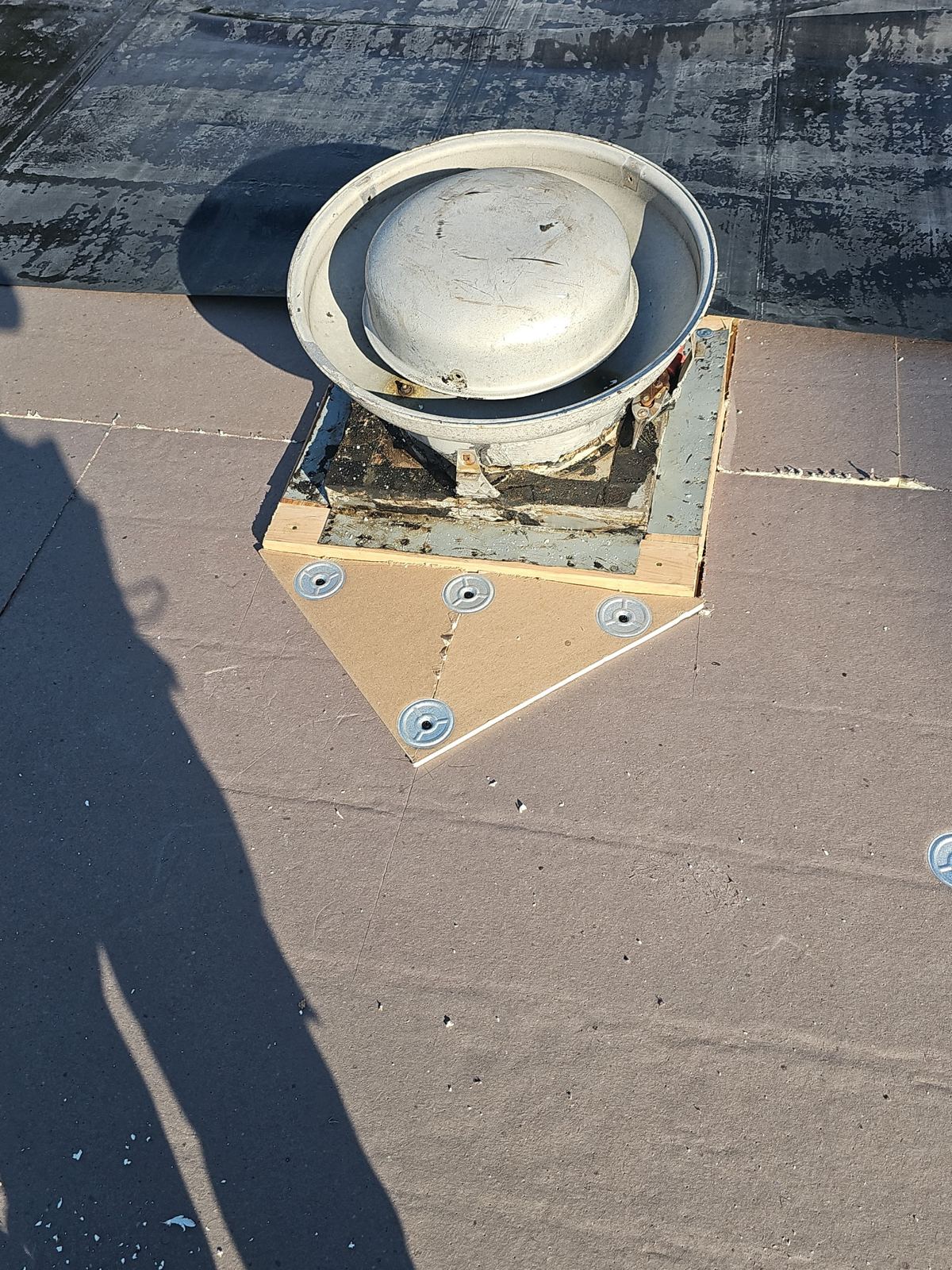
Pipe boots, vent stacks, and skylight curbs represent secondary intrusion points. Rubber neoprene seals on plumbing vent pipes crack after eight to ten years of ultraviolet exposure and temperature shifts, allowing water to trickle directly down vent pipes into interior walls. Our repair process includes removing damaged shingle runs around degraded penetrations, installing self-adhering ice and water membrane around base flanges, laying down fresh heavy-gauge step flashings, and tying new architectural shingles back into the existing weave pattern.
- Continuous valley liner replacement using heavy-duty ice-and-water membranes.
- Counter-flashing re-pointing along brick chimneys and masonry parapet walls.
- Neoprene collar replacement on plumbing stacks and attic exhaust vents.
- Sidewall flashing integration under aluminum, vinyl, or wood clapboard siding.
Storm Damage, Ice Dams, and Emergency Response
Bergen County weather patterns subject Garfield roofs to severe wind gusts, heavy wet snowfall, and summer squalls. High winds moving along the Passaic River corridor lift unsecured shingle tabs, breaking the thermal sealant strip and exposing nail heads to moisture. Once a nail head is exposed, water travels along the shank directly into the wooden deck. Winter storms create ice dams along uninsulated eaves, backing water up under shingle courses where it freezes, expands, and tears underlayment.
Storm Guard Roofing operates a 24/7 emergency response service reached at (201) 403-0024. When severe weather punctures decking or strips large shingle sections, immediate stabilization is essential to prevent interior flooding. We dispatch technicians to install heavy-duty, sandbagged or batten-secured emergency tarps. This temporary defense protects your property while permanent repair plans and structural assessments are conducted.
- Rapid-deploy emergency roof tarping to stop active interior water penetration.
- Repair of wind-lifted, creased, or blown-off asphalt shingles.
- Remediation of ice dam backup damage along low-slope eaves and gutters.
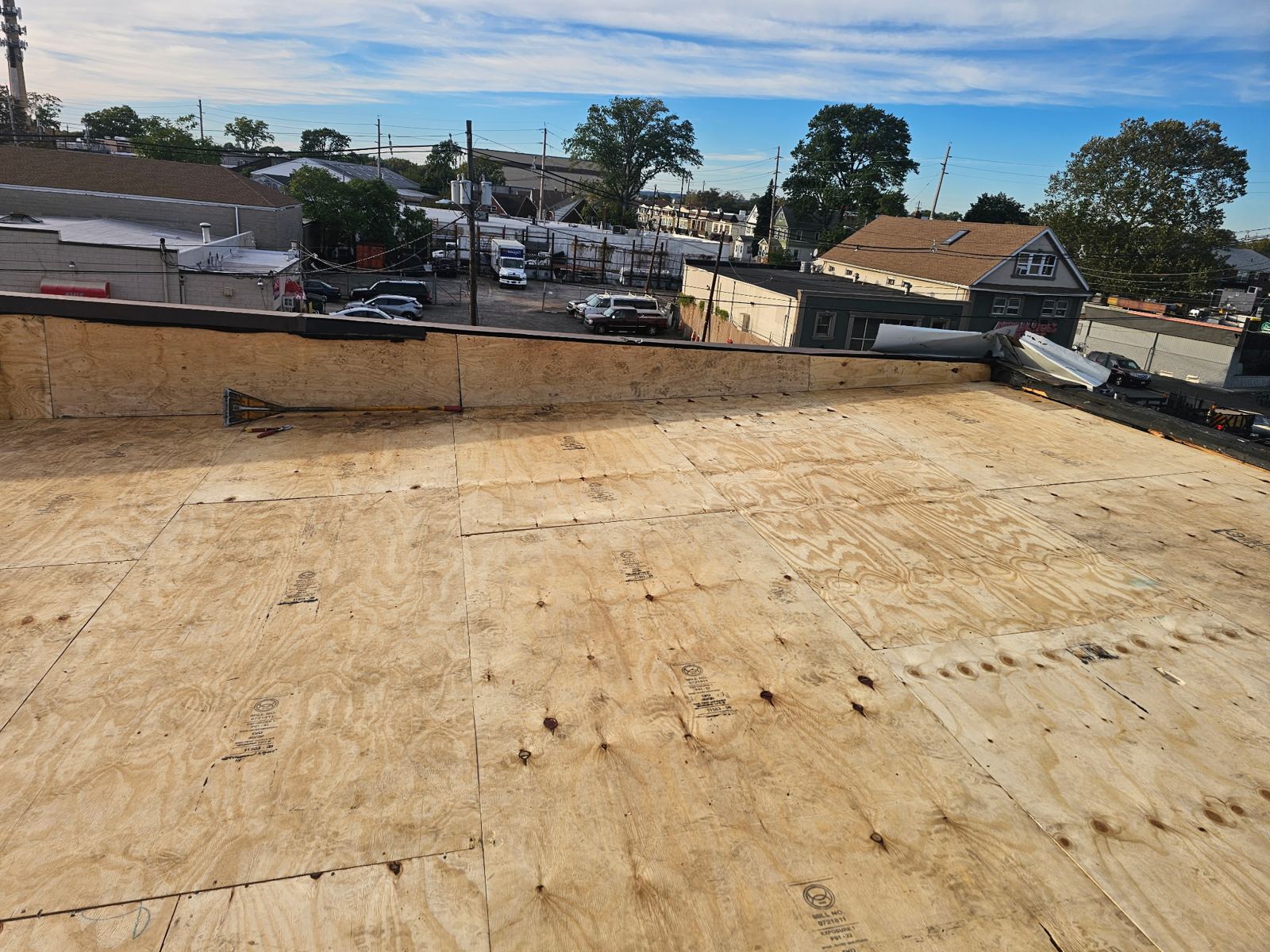
- Structural inspection of exposed rafters, collar ties, and tongue-and-groove decking.
Insurance Claim Documentation and Garfield Permit Requirements
Navigating storm damage repairs through property insurance policies requires precise technical documentation. Storm Guard Roofing assists Garfield homeowners by providing detailed site photos, damage scope write-ups, and itemized material breakdowns required by insurance adjusters. With over 25 years of experience handling storm damage claims across Northern New Jersey, we ensure structural damages—such as hail impact fractures, wind uplift, and tree branch impacts—are fully documented.
For non-structural, localized maintenance repairs, full construction permits from the Garfield Building Department located on Outwater Lane are generally not required, allowing work to commence immediately. However, if structural roof sheath replacement or extensive structural repairs are necessary, we handle all municipal code compliance requirements, ensuring that all work adheres to current New Jersey Uniform Construction Code standards.
- Comprehensive scope of work documents and photographic proof for insurance adjusters.
- Direct communication with claims examiners to confirm technical repair specifications.
- Local permit filing with the Garfield Building Inspector when structural repairs apply.
- Full compliance with New Jersey licensing standards and OSHA safety rules.
Garfield questions we get asked
- Why do roof leaks in Garfield frequently appear near dormer sidewalls?
- In Garfield's narrow-lot two-family frame homes, roof valleys dump high volumes of water directly against dormer sidewalls. Over time, wind-driven rain penetrates degraded step flashing concealed behind exterior siding, allowing water to migrate into wall cavities before dripping through lower-level ceilings.
- How do I know if my Garfield roof needs a spot repair or a complete replacement?
- If the underlying plywood or tongue-and-groove decking is solid, and water entry is isolated to specific flashing failures, damaged pipe boots, or localized shingle loss from wind, a spot repair is the correct, cost-effective solution. Full replacement is only necessary when shingles across all slopes have reached total granular loss, mat failure, or widespread deck rot.
- What should I do if a storm causes an active roof leak in Garfield outside business hours?
- Call Storm Guard Roofing immediately at (201) 403-0024 for 24/7 emergency response. We dispatch emergency crews to perform rapid tarping and seal exposed areas, stopping active water damage to your living space until permanent repairs can be completed.
- Are building permits required for minor roof repairs in Garfield, NJ?
- Minor roof repairs, such as replacing damaged shingles, fixing step flashing, or swapping out pipe boots, typically do not require a permit from the Garfield Building Department. If repairs involve replacing structural roof decking or large sections of sheathing, Storm Guard Roofing handles all necessary municipal permit filings.
More in Garfield
Call (201) 403-0024 for a Garfield inspection, or send the form.