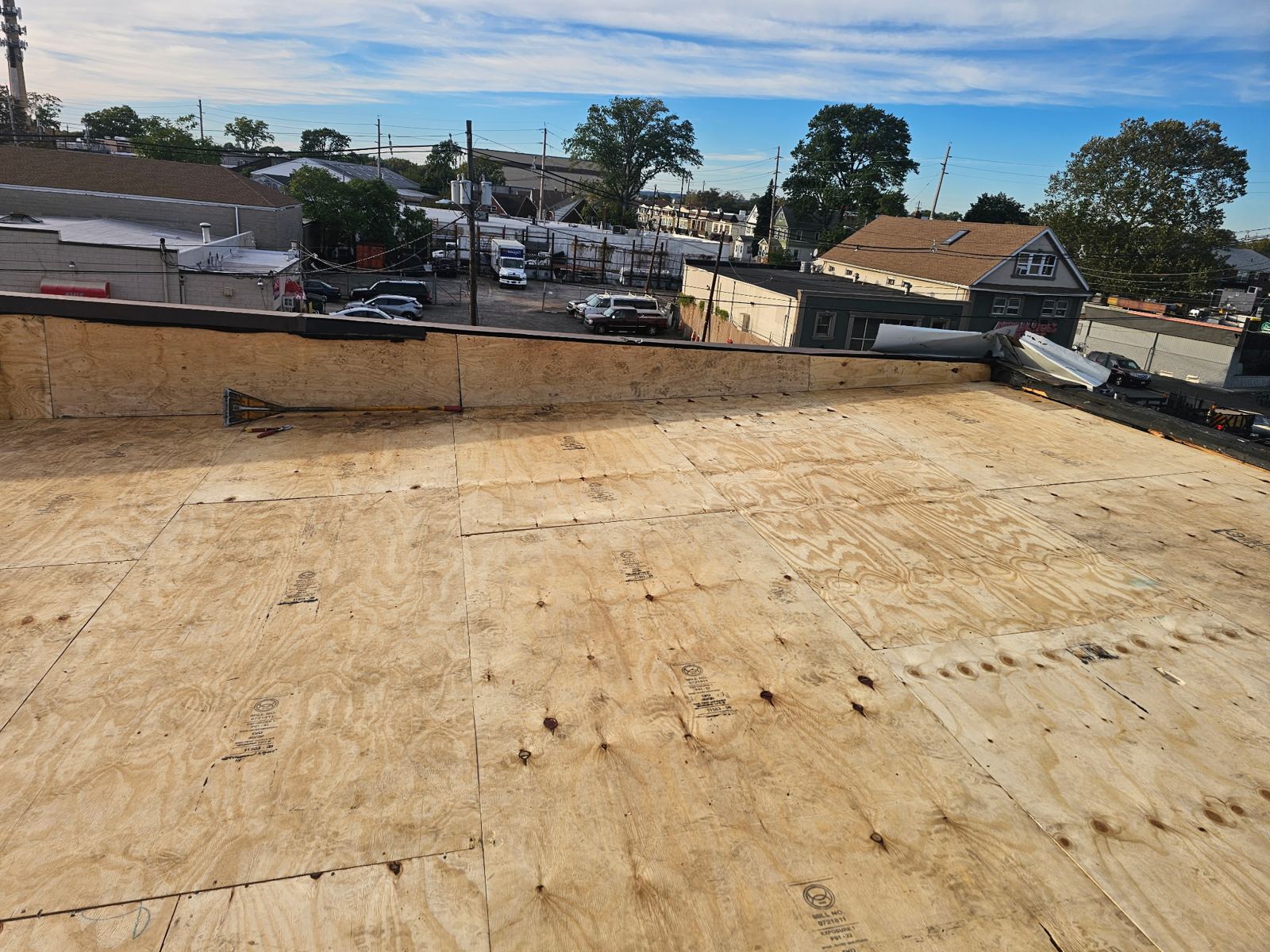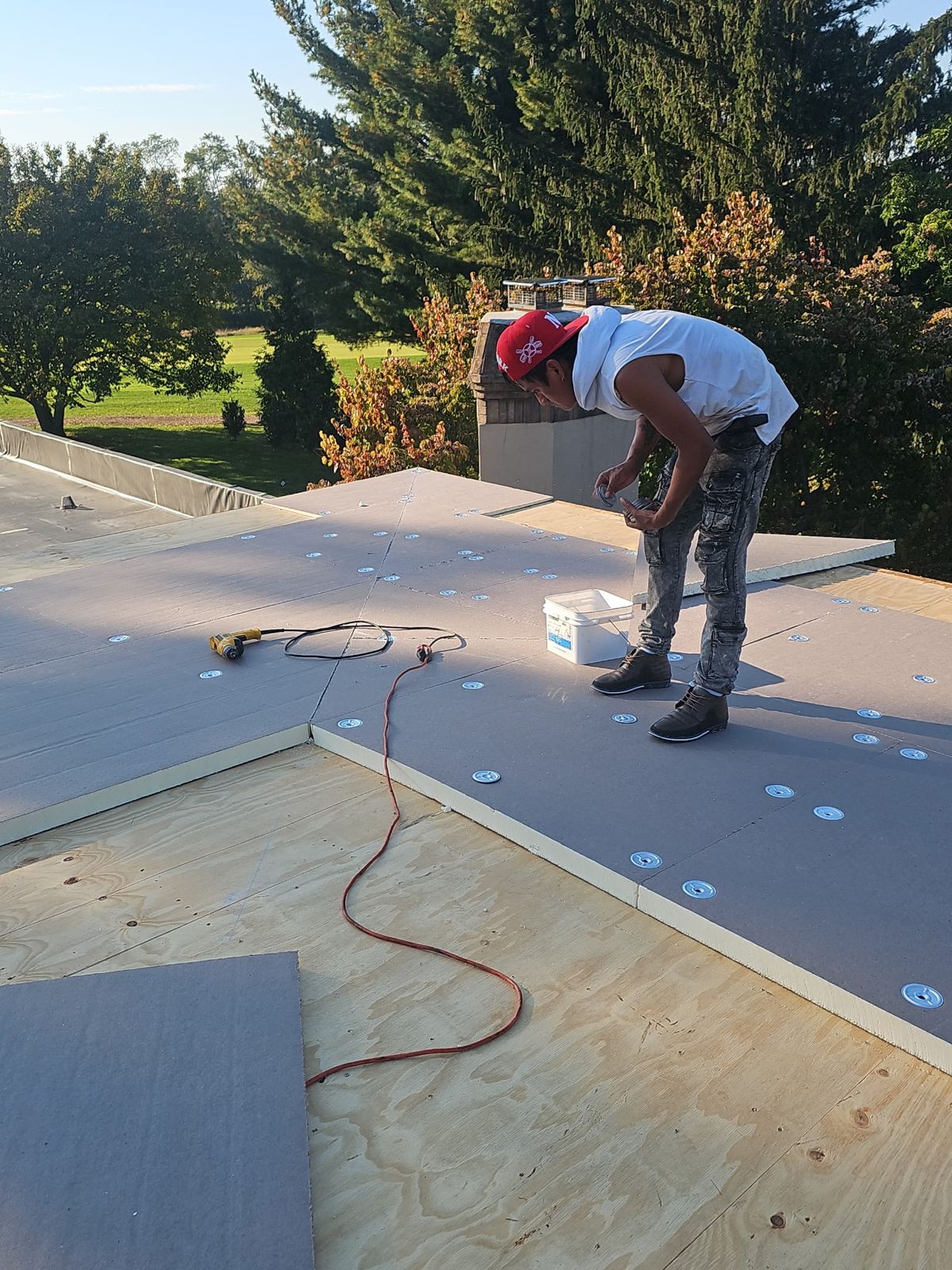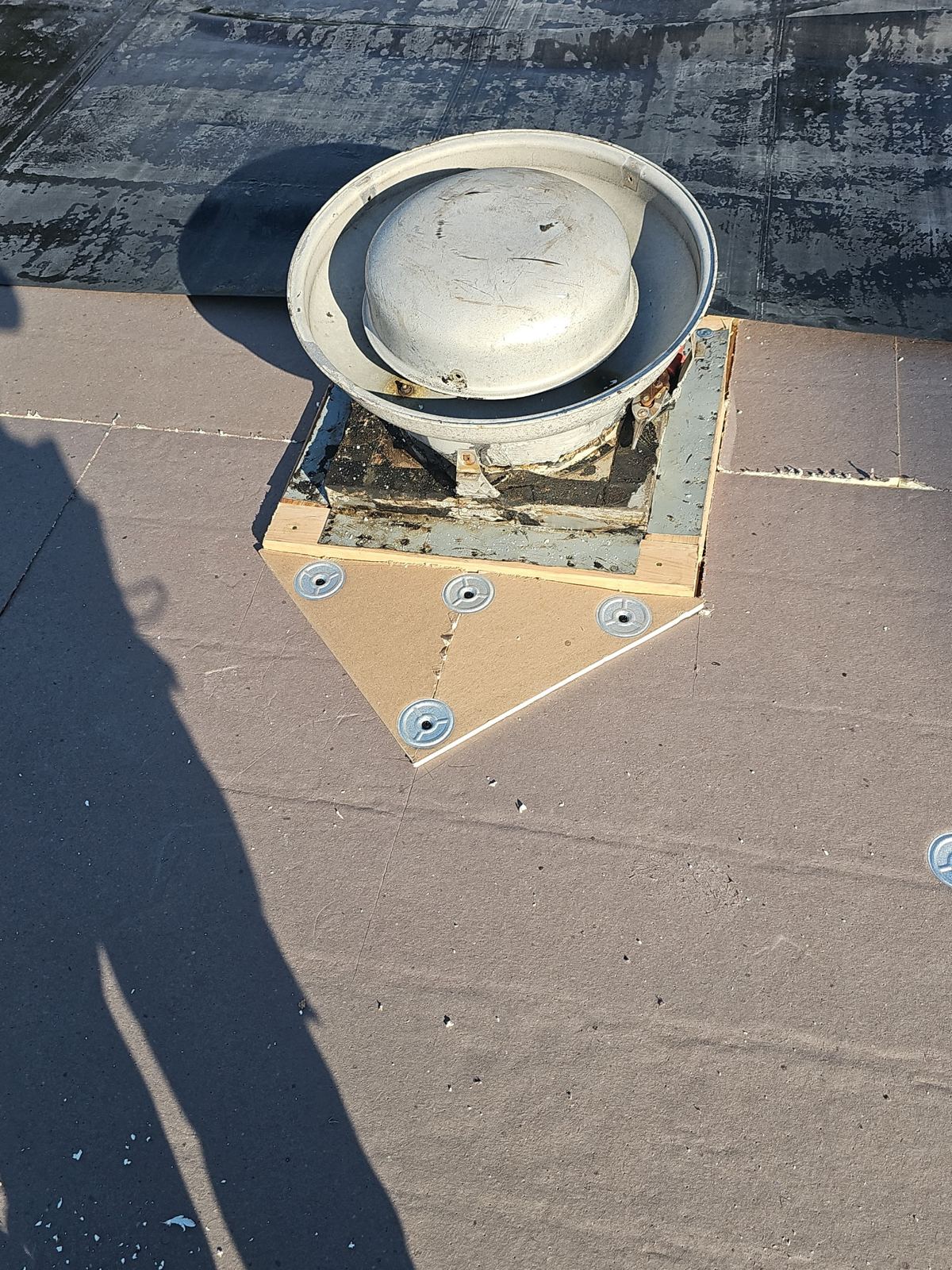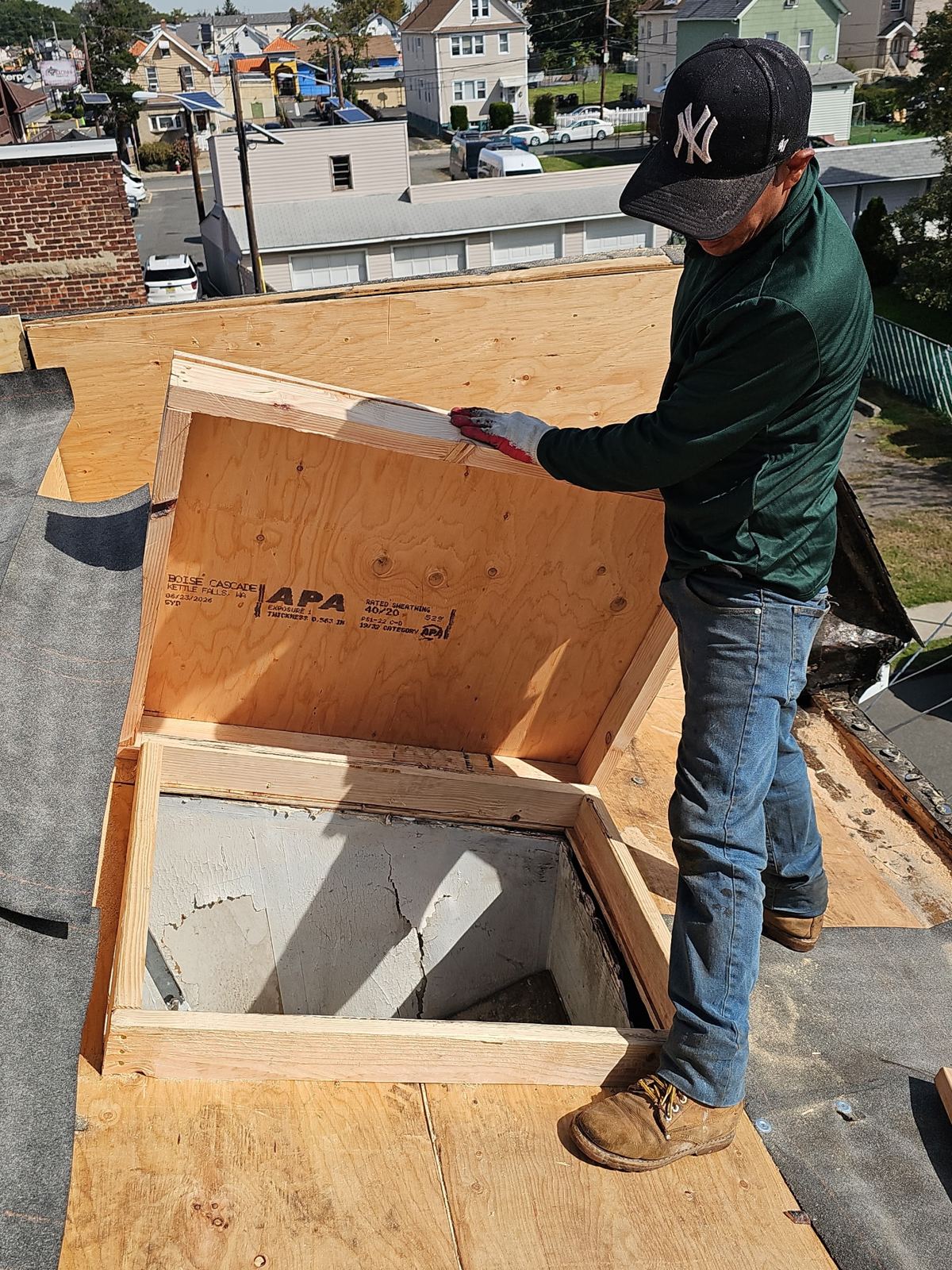
Hopatcong · Sussex County
Roof Repair Services in Hopatcong, NJ
Storm Guard Roofing brings over 25 years of hands-on experience to roof repairs in Hopatcong, New Jersey. As a family-owned, licensed, and insured roofing contractor, we provide targeted diagnostic and structural repairs rather than pushing total roof replacements when a system can be restored. Hopatcong presents distinct environmental pressures: severe lake-effect microclimates, high wind gusts off the open water, and sustained winter weather. We operate a 24/7 emergency response service for active water intrusion and assist homeowners directly with insurance claim documentation. For direct technical inspections or emergency tarping, call (201) 403-0024.
Hopatcong Lake Slopes, Ice Damming, and Site Access
Homes located in Hopatcong shoreline neighborhoods—such as Prospect Point, River Styx, and Crescent Cove—are built on steep, lake-slope lots. These sharp grade changes create specific structural challenges. Heavy winter snow load accumulates on upper roof planes and slides down toward shaded eave lines. Thermal loss from under-insulated attic spaces melts the lower snow layer, which refreezes at the unheated overhang, forming dense ice dams. This trapped meltwater backs up under asphalt shingles, penetrating sub-fascia boards, soffits, and interior ceilings.
Executing repairs on steep lake-slope properties requires specialized staging equipment and rigging. Narrow access roads and tight lot lines around Lake Hopatcong limit the footprint for standard booms, dump trailers, and material delivery trucks. Our crews utilize targeted ladder stabilization systems, harness tie-offs, and manual material transport to safely repair roofs on tight hillside lots without damaging adjacent properties or retaining structures.
- Ice dam remediation and eave membrane restoration along high-risk margins.
- Safety rigging and staging protocols designed for high-pitch hillside homes.
- Sub-layer moisture evaluations beneath heavy snow-load areas.
- Inspection of intake soffits and ridge vents to reduce thermal transfer.
Identifying and Repairing Flashing and Valley Failures
Water intrusion on Hopatcong roofs frequently originates at metal flashing and valley transitions rather than field shingle degradation. High wind speeds sweeping over Lake Hopatcong drive rain upward into wall step-flashing, chimney saddles, and skylight channels. Step flashing that has rusted, detached, or been improperly integrated with exterior siding allows wind-driven rain to bypass the primary roofing surface.
Roof valleys handle high runoff volumes during severe downpours. Woven shingle valleys or deteriorated roll-roofing liners erode over time under continuous hydraulic pressure. Repairs require stripping back damaged shingles, tearing out failed underlayment, and installing self-adhering ice-and-water protection beneath heavy-gauge metal valley liners. We also replace cracked neoprene pipe boots and re-seal counter-flashing into masonry mortar joints using high-grade polyurethane sealant.
- Step flashing replacement at sidewalls, dormers, and brick chimneys.
- Valley rebuilds utilizing self-adhering membranes and metal liners.
- Pipe boot replacement and secondary seal installation at roof penetrations.
- Re-securing lifted architectural shingles along wind-exposed rake edges.
Emergency Tarping, Storm Damage, and Insurance Claims
Windstorms across Sussex County regularly down mature tree limbs onto residential roofs. High winds can lift shingle tabs, strip ridge caps, or puncture plywood sheathing, leaving interior framing vulnerable to sudden rain events. Storm Guard Roofing provides 24/7 emergency response to stabilize damaged structures before secondary water damage destroys insulation, drywall, and structural timber.
Temporary mitigation requires mechanical tarping procedures. We install heavy-duty UV-resistant tarps secured with wooden furring strips anchored into structural rafter lines, avoiding open nails through sound shingles that create additional leak paths. Following stabilization, we prepare detailed line-item damage assessments, photographic evidence, and repair estimates formatted specifically for insurance adjuster review.
- 24/7 emergency response for active leaks, tree strikes, and storm damage.
- Furring-strip anchored emergency tarping to prevent secondary interior damage.
- Detailed photographic documentation of wind uplift, hail, and structural impact.
- Direct line-item scope coordination with insurance claim adjusters.
Evaluating Repair Costs Relative to Full Roof Replacement
Homeowners must often evaluate whether a leaking roof requires targeted repair or complete replacement. A repair is technically and economically viable when the surrounding shingle matrix retains its structural integrity, asphalt mat flexibility, and protective granule coating. If water intrusion is isolated to a failed valley, damaged chimney flashing, or localized storm impact, replacing those specific components costs a small fraction of a full tear-off.
Conversely, if an asphalt shingle roof has reached the end of its design life—showing widespread granule loss, cupping shingle edges, brittle matting, and multiple leak sites across separate planes—patch repairs become cost-inefficient. During our diagnostic inspection, we evaluate deck condition, shingle age, and water migration paths to provide a factual, objective recommendation on whether a targeted repair will ensure long-term protection.
- Targeted repairs preserve functional roofing material and lower immediate costs.
- Clear diagnostic criteria based on shingle flexibility, deck integrity, and damage scope.
- Written scopes of work detailing exact repair boundaries and material specifications.
- Objective cost-benefit evaluations comparing repair longevity against full replacement.
Local Building Codes and Site Execution in Hopatcong
Roof repairs in Hopatcong must comply with New Jersey Uniform Construction Code (NJ UCC) standards and local municipal regulations enforced by the Hopatcong Borough Construction Office. Minor maintenance, such as replacing isolated shingles or repairing pipe boots, generally does not require a municipal permit. However, structural repairs involving deck board replacement, rafter splicing, or multi-square structural restoration require proper permits and inspections.
Our field execution accounts for local Sussex County conditions. We manage property safety on steep driveways, secure equipment on inclined grades, and execute thorough site cleanups using magnetic sweepers to collect nails from driveways, footpaths, and lawn areas. Over 25 years of regional experience ensures every repair meets local building standards.
- Strict compliance with Hopatcong Borough codes and NJ UCC regulations.
- Structural deck evaluations to verify load capacity under heavy snow loads.
- Clean work sites secured against steep grade hazard risks.
- Licensed and insured operations tailored to Sussex County weather conditions.
Hopatcong questions we get asked
- How do steep lake-slope lots in Hopatcong impact roof repair work?
- Steep hillside lots around Lake Hopatcong limit heavy machinery access and create severe slope working conditions. We use specialized ladder rigging, fall-protection harness systems, and manual material handling to work safely on tight driveways and steep slopes without damaging property landscaping or retaining walls.
- Why are ice dams common on Hopatcong homes, and how are they repaired?
- Hopatcong experiences heavy snow load combined with cold lake winds. Heat escaping from under-insulated attics melts snow on the upper roof, which refreezes at the colder eaves, forming an ice dam that traps water behind it. We repair ice dam damage by removing compromised shingles, installing self-adhering ice-and-water shield membrane extending up the deck, and repairing damaged step and valley flashing.
- Do I need a Hopatcong Borough building permit for a roof repair?
- Minor repairs—such as replacing individual damaged shingles, installing pipe boots, or re-securing step flashing—do not typically require a permit from the Hopatcong Borough Construction Office. However, structural repairs that involve replacing structural decking, rafters, or extensive roof plane sections require permits and inspections under the NJ Uniform Construction Code, which we handle directly.
- How does Storm Guard Roofing handle storm damage insurance claims?
- We perform immediate 24/7 emergency tarping to stop active water intrusion, followed by a thorough diagnostic inspection. We compile line-item photographic reports detailing wind uplift, hail damage, or limb impact, and submit these technical evaluations directly to your insurance adjuster to ensure all necessary repair scope is covered under your policy.
More in Hopatcong
Call (201) 403-0024 for a Hopatcong inspection, or send the form.