Little Ferry · Bergen County
Emergency and Targeted Roof Repair Services in Little Ferry, New Jersey
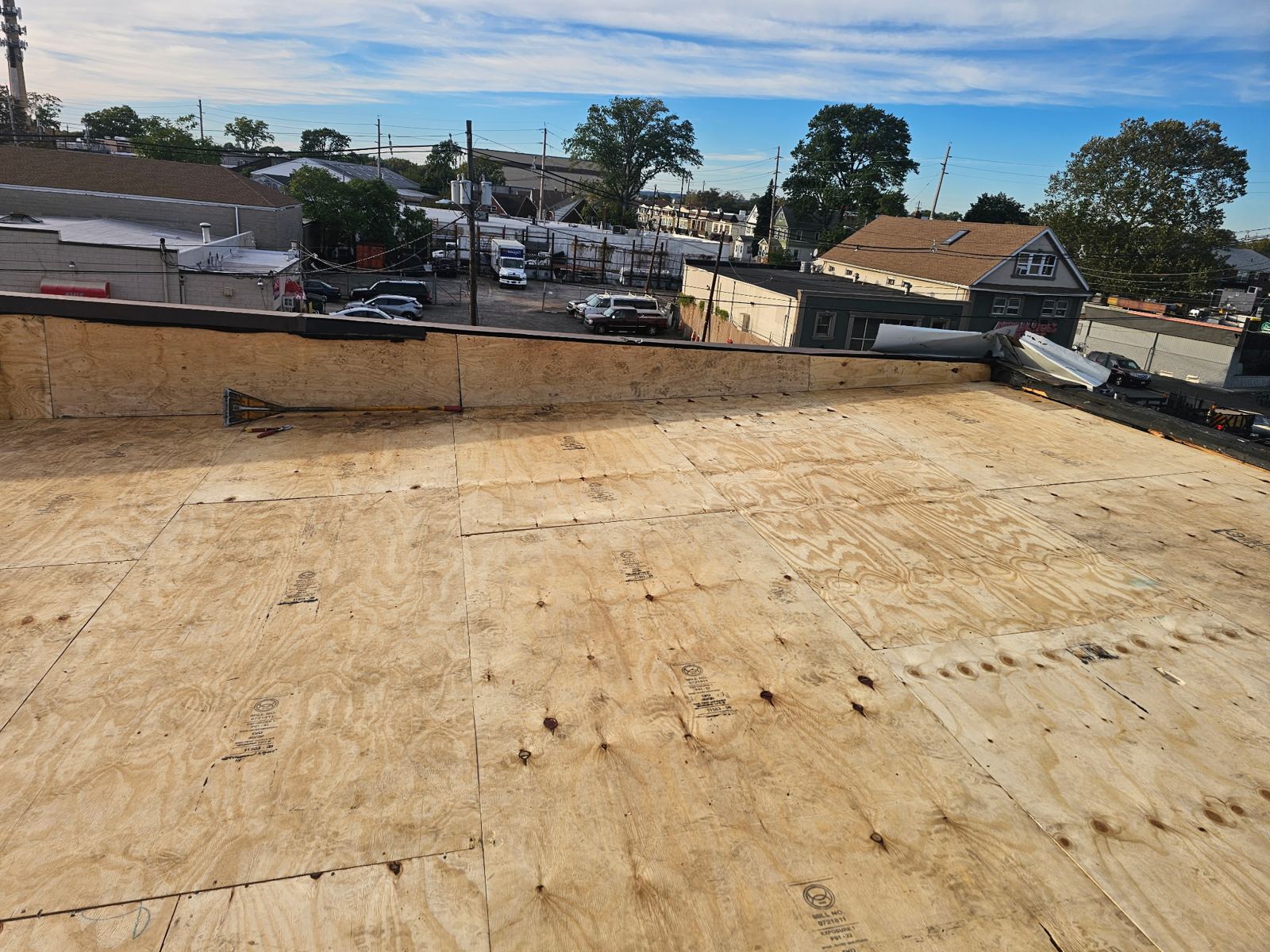
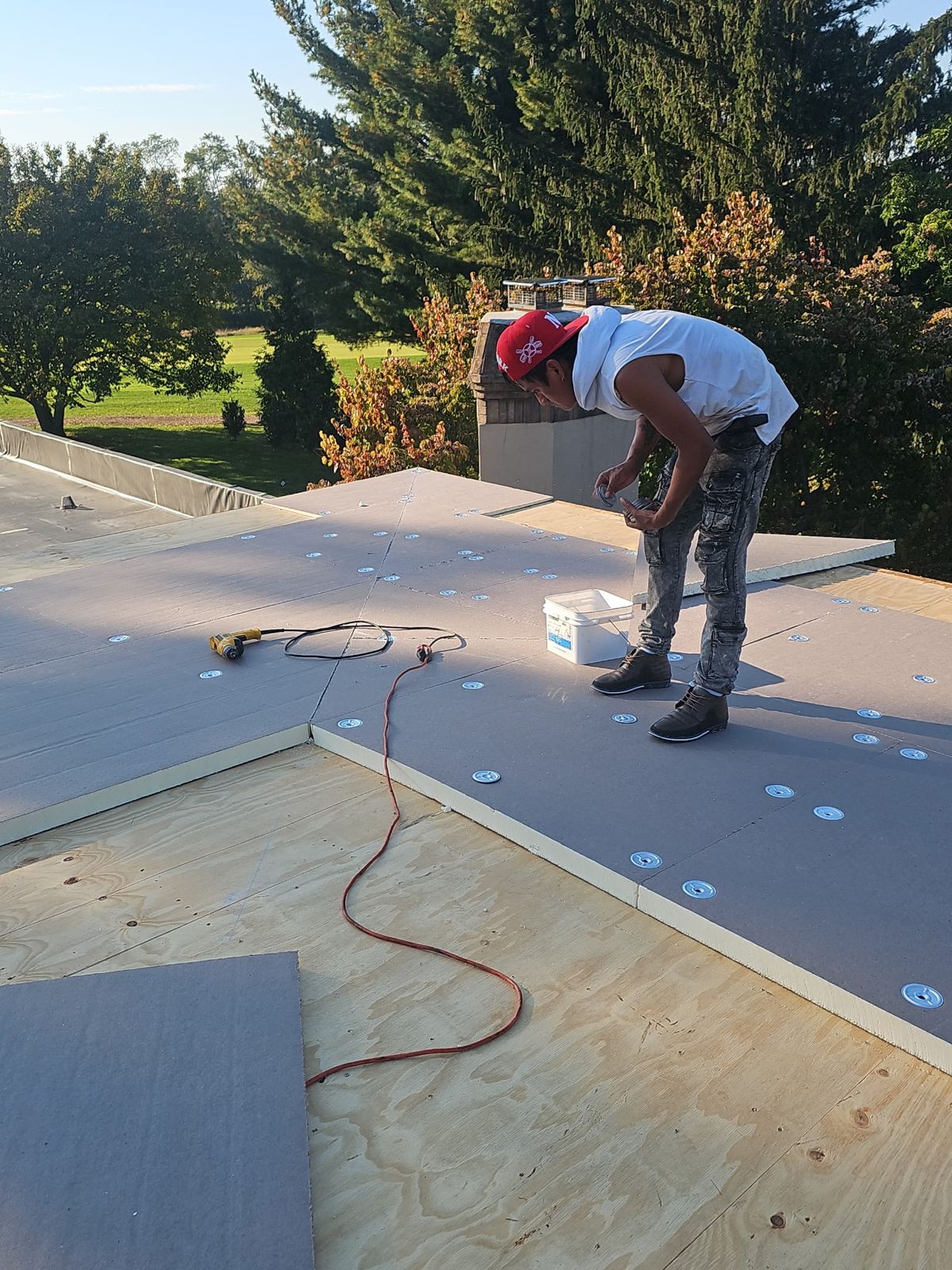
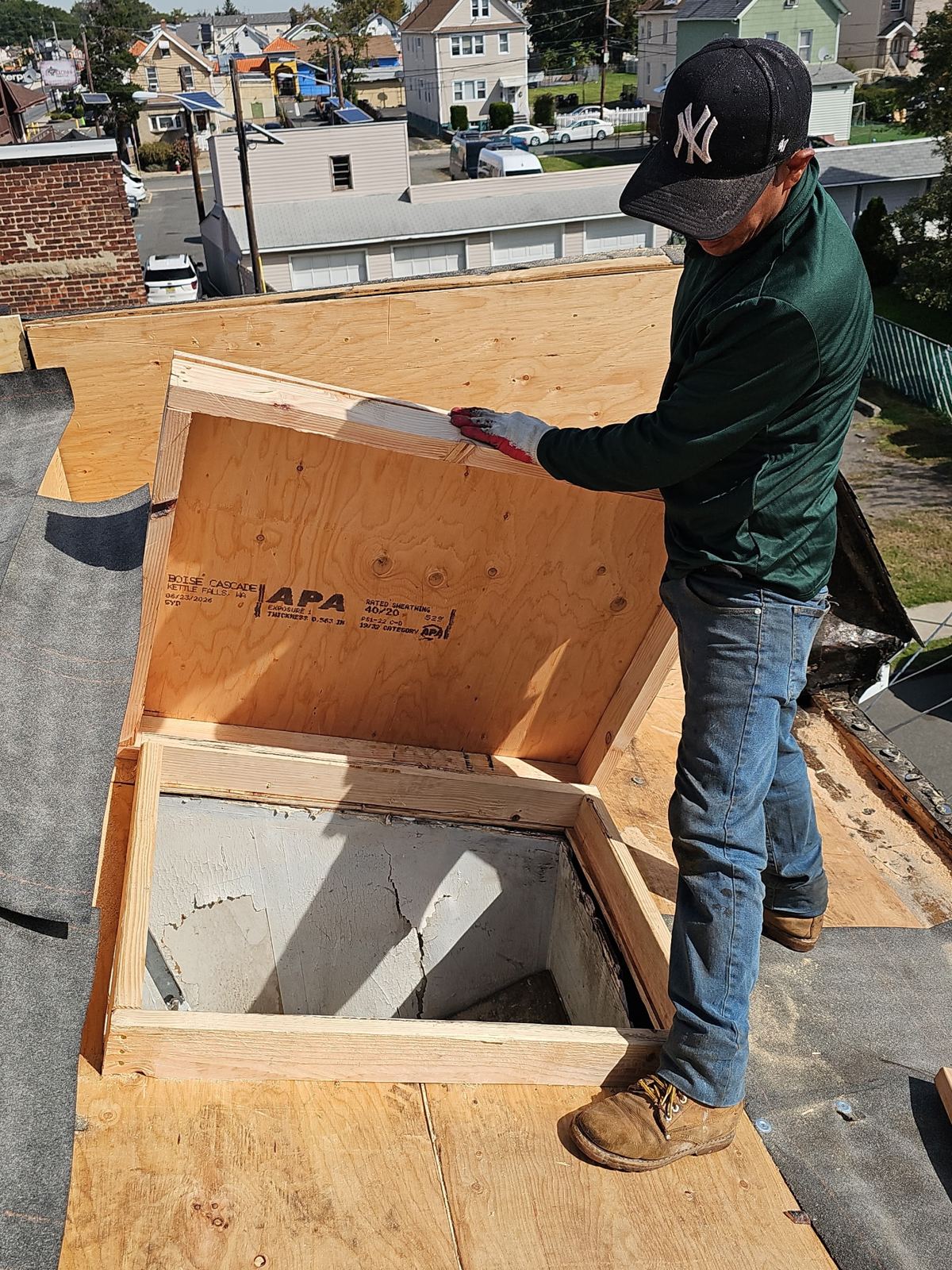
Storm Guard Roofing delivers direct, structural roof repair for residential and commercial properties in Little Ferry, New Jersey. With over 25 years of hands-on experience as a family owned, licensed, and insured roofing contractor, our crew focuses strictly on identifying water intrusion points and correcting structural weaknesses before complete system failure occurs. Little Ferry features unique architecture and environmental stressors, particularly low-lying meadowlands blocks with flat rear roofs and wind exposure. When sustained winds push moisture under asphalt shingles or force standing water back across low-slope sections, localized roof failure occurs quickly. We provide 24/7 emergency response to stabilize damaged structures, prevent internal ceiling collapse, and preserve your structural framing. Homeowners can reach our dispatch line directly at (201) 403-0024 for immediate emergency response or diagnostic appointments.
Diagnosing Leak Sources on Low-Lying Little Ferry Properties
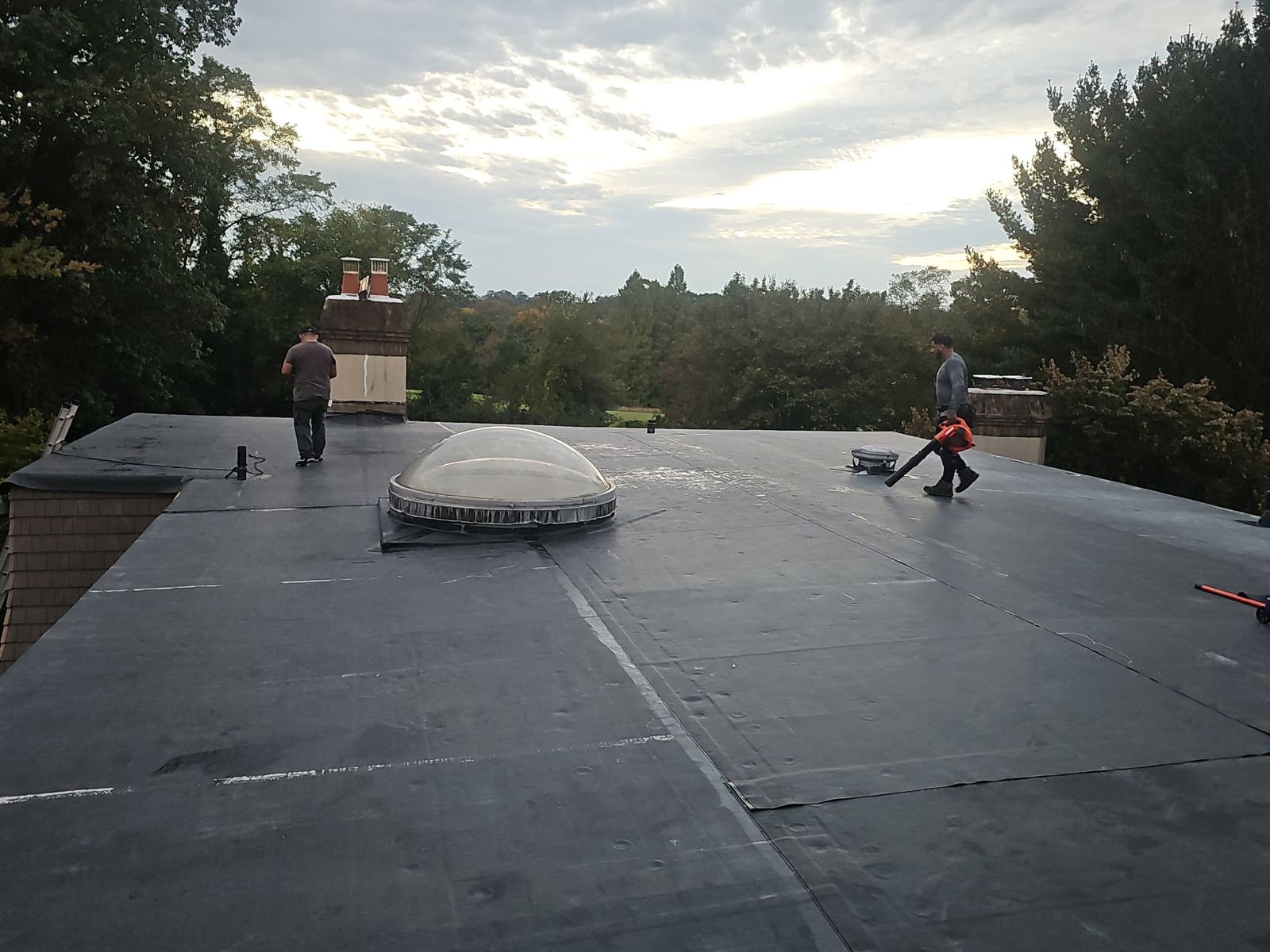
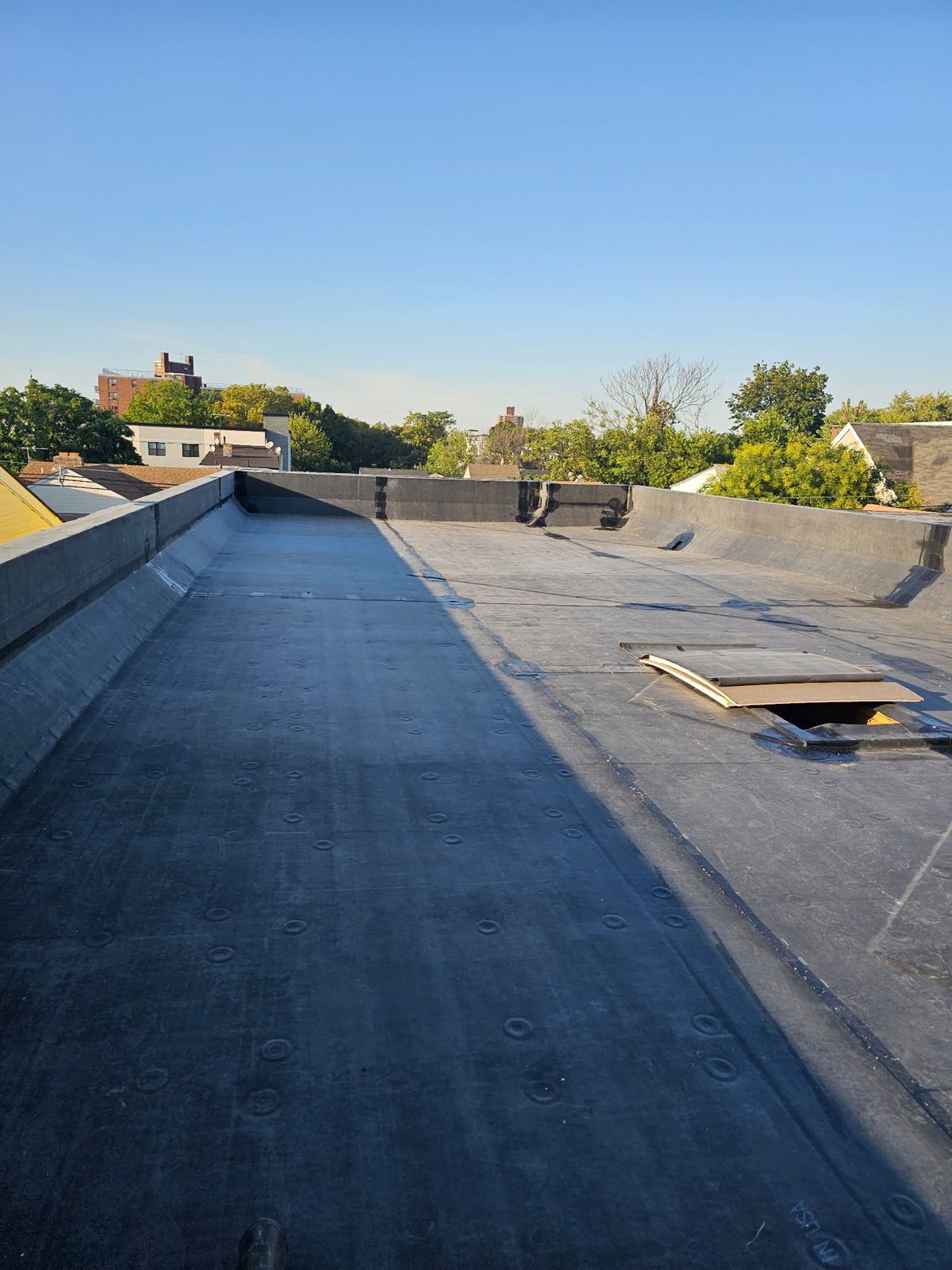
Water intrusion rarely begins directly above the visible stain on your interior ceiling. On pitched structures, water penetrates damaged asphalt shingles, tracks down along wooden roof rafters, and drips onto ceiling drywall several feet away from the initial compromise. In Little Ferry, properties located on low-lying meadowlands blocks with flat rear roofs face distinct water management challenges. Flat rear extensions collect standing water when pitch transitions are incorrectly constructed or when drainage scuppers become clogged with seasonal debris.
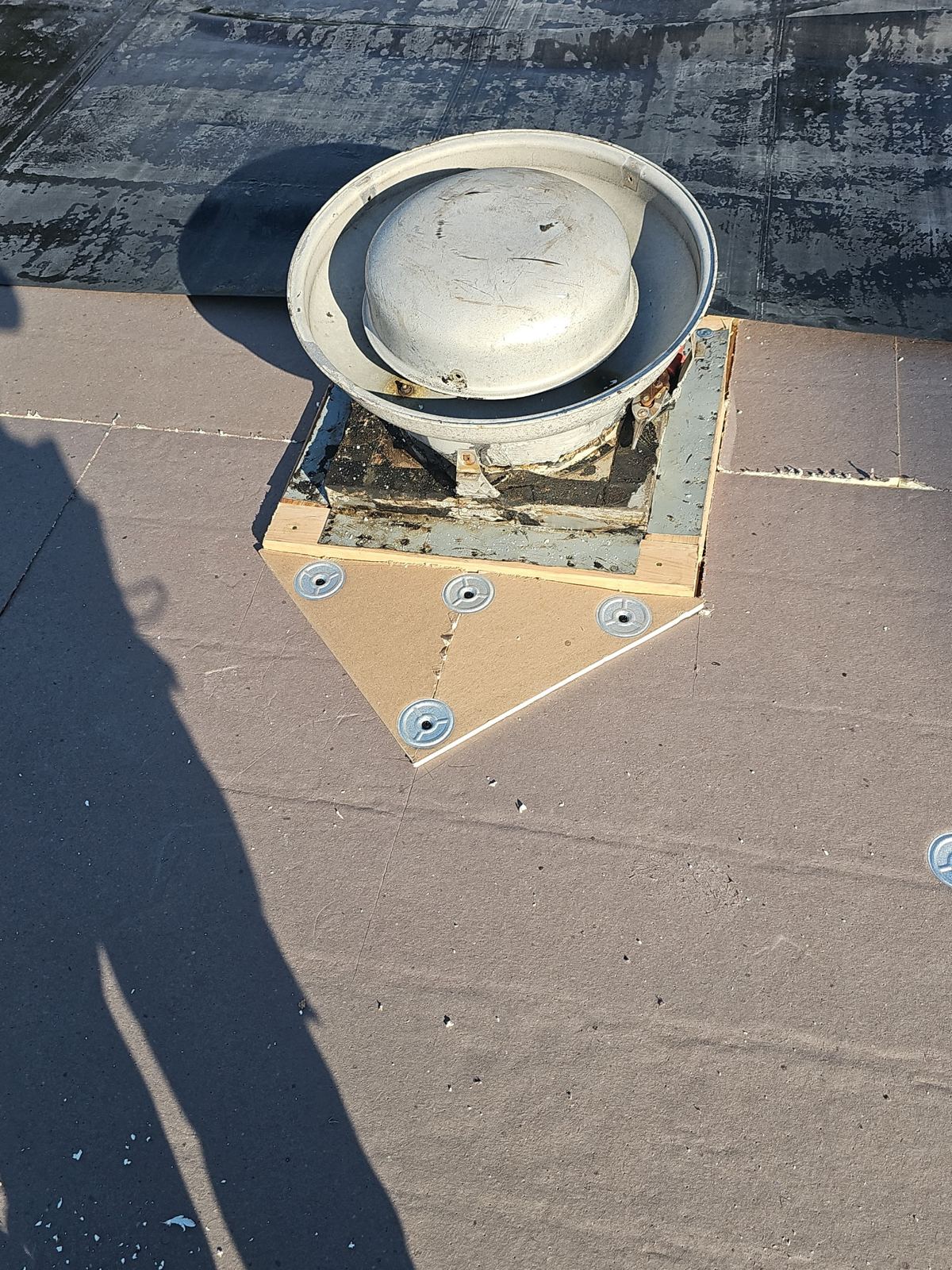
Our diagnostic inspection evaluates the roof deck beneath the surface material. We inspect membrane seams, pipe boots, wall copings, and step flashing along vertical walls. Continuous wind exposure in open meadowlands areas can pull back shingle edges, breaking the adhesive seal and allowing wind-driven rain to infiltrate the underlayment. Identifying whether moisture originates from back-pitched flat roof sections or failed penetration collars is the critical first step in performing a lasting roof repair.
Flashing and Valley Failures Near the Bergen County Meadowlands
Valleys and flashing connections represent the primary failure points on older roofing systems across Bergen County. Valleys handle the highest concentration of water runoff during heavy rainstorms. When valley metal rusts through or woven shingle valleys split, water flows directly into the underlying plywood decking. Similarly, step flashing surrounding chimneys, skylights, and dormers degrades over time as building vibration and thermal changes break mortar joints and sealant beads.
In Little Ferry homes where pitched main roofs join flat rear additions, the transition flashing bears continuous expansion and contraction. High wind exposure along the open meadowlands terrain accelerates seal deterioration at these critical junctions. We repair these failure points by removing damaged materials back to sound decking, installing heavy rubberized underlayment membranes, and placing custom-bent metal flashing. Replacing corrupted valley linings and wall flashing restores water shedding capability without forcing a premature complete roof teardown.
24/7 Emergency Tarping and Wind Damage Response
Severe coastal weather events and sudden squalls in Bergen County frequently tear away shingle tabs, blow off flat roof trim, or force tree branches through structural roof decks. During active rainstorms, secondary water damage spreads through wall cavities and electrical runs within hours. Storm Guard Roofing provides 24/7 emergency response to seal exposed roof structures immediately. Call (201) 403-0024 to dispatch a repair crew to your property day or night.
Our emergency protocol centers on stabilizing the building envelope using heavy structural tarps, mechanical fasteners, and weight distribution boards where penetration is restricted. Emergency tarping stops active leaks until weather conditions allow for permanent structural repairs. We secure open rafters, seal torn membrane sections on flat rear roofs, and prevent further interior framing damage. Rapid containment protects interior framing, insulation, electrical systems, and personal property from progressive water loss.
Managing Insurance Claims for Storm and Wind Damage
Navigating structural restoration after severe storm damage requires detailed documentation and precise technical reporting. Insurance adjusters require clear evidence connecting interior water leaks to recent wind uplift or storm impact rather than deferred maintenance. Because we have operated for over 25 years as a family owned business, we understand the documentation requirements of major property insurance carriers.
We assist with insurance claims by conducting complete roof assessments, capturing photographic evidence of uplifted shingles, failed step flashing, and torn flat roof membranes. We prepare itemized estimates detailing the exact materials, labor, and code compliance steps required to execute your roof repair. Working directly with your insurance representative ensures that all hidden structural damage, including rotten plywood decking and saturated underlayment, is recognized and covered in the carrier scope.
Evaluating Roof Repair Costs Against Full System Replacement
Homeowners often face the choice of whether to perform targeted roof repair or replace the entire system. A full replacement involves complete teardown, deck replacement, new underlayment, and complete re-shingling, which represents a substantial capital investment. When a roof is less than 15 to 20 years old and the underlying decking remains structurally sound, targeted repairs are the economically sensible choice.
Isolated damage, such as localized wind damage along flat rear roofs or failed flashing around a single plumbing vent, can be restored for a fraction of complete replacement costs. Executing targeted repairs extends the operating lifespan of the existing system by several years. However, if water damage covers more than 30 percent of the total roof surface or the decking exhibits widespread structural rot, localized fixes become ineffective. We provide technical assessments to help Little Ferry property owners determine if a repair will reliably protect the building.
Little Ferry questions we get asked
- How do flat rear roofs on low-lying meadowlands blocks in Little Ferry affect leak risks?
- Low-lying meadowlands blocks in Little Ferry experience elevated wind exposure and slow drainage on low-slope surfaces. Flat rear roofs collect standing water if drains clog, while sustained winds pull at edge flashing and shingle seams on adjacent pitched slopes.
- What is the typical timeframe for completing an emergency roof repair in Little Ferry?
- Emergency stabilization and tarping are executed immediately upon crew arrival, usually within hours of calling (201) 403-0024. Permanent structural repairs are completed within one day once emergency conditions pass and weather permits.
- How do I know if my Little Ferry home needs a roof repair or a full replacement?
- If water intrusion is confined to a specific zone like a pipe boot, chimney flashing, or flat roof section, a targeted roof repair restores protection. If the roof deck shows widespread sagging or shingles are past their rated lifespan, replacement may be recommended.
- Will Storm Guard Roofing assist with my property insurance claim after a wind storm?
- Yes. We document all storm impact points, supply itemized repair schedules, and meet directly with your insurance adjuster to ensure all necessary structural work is covered under your claim.
More in Little Ferry
Call (201) 403-0024 for a Little Ferry inspection, or send the form.