Lodi · Bergen County
Roof Repair Services in Lodi, New Jersey
Storm Guard Roofing provides targeted roof repair services in Lodi, New Jersey. Operating for over 25 years as a family-owned, licensed, and insured contractor, our team addresses structural leak vulnerabilities, weather damage, and material degradation. Lodi features a distinct residential footprint dominated by two-family frame homes on small lots. These tight property lines present specific challenges for drainage and ladder access, requiring accurate diagnostics rather than unnecessary roof replacements. Whether responding to wind-driven rain, winter freeze-thaw cycles, or aging roof components, we focus on isolating and resolving leaks to preserve your existing roof structure. When water enters your home, immediate containment is critical to prevent rot in underlying decking and interior framing. We maintain a 24/7 emergency response unit for immediate dispatch across Bergen County, performing emergency tarping, structural stabilization, and complete insurance claim management. Call Storm Guard Roofing at (201) 403-0024 for an on-site technical inspection.
Lodi Housing Stock and Primary Leak Vulnerabilities
Lodi’s residential streets—such as those along Main Street, Union Street, and adjacent to Hasbrouck Heights—consist largely of two-family frame homes on small lots. Most repairs involve valleys, step flashing, and rear flat roofs. Because lot lines are narrow, roof runoff must be managed effectively to prevent water from collecting in side yards or damaging adjacent building foundations.
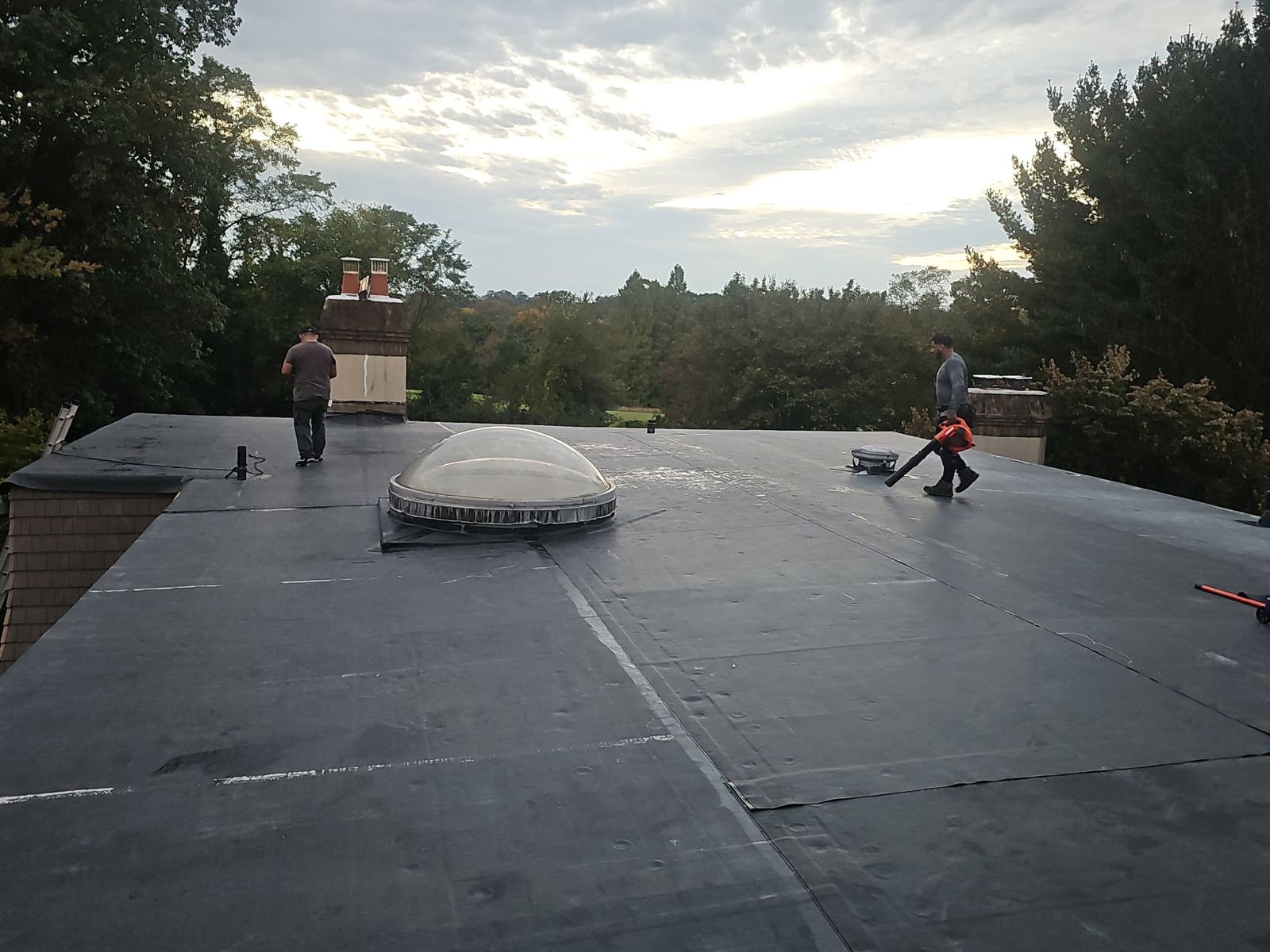
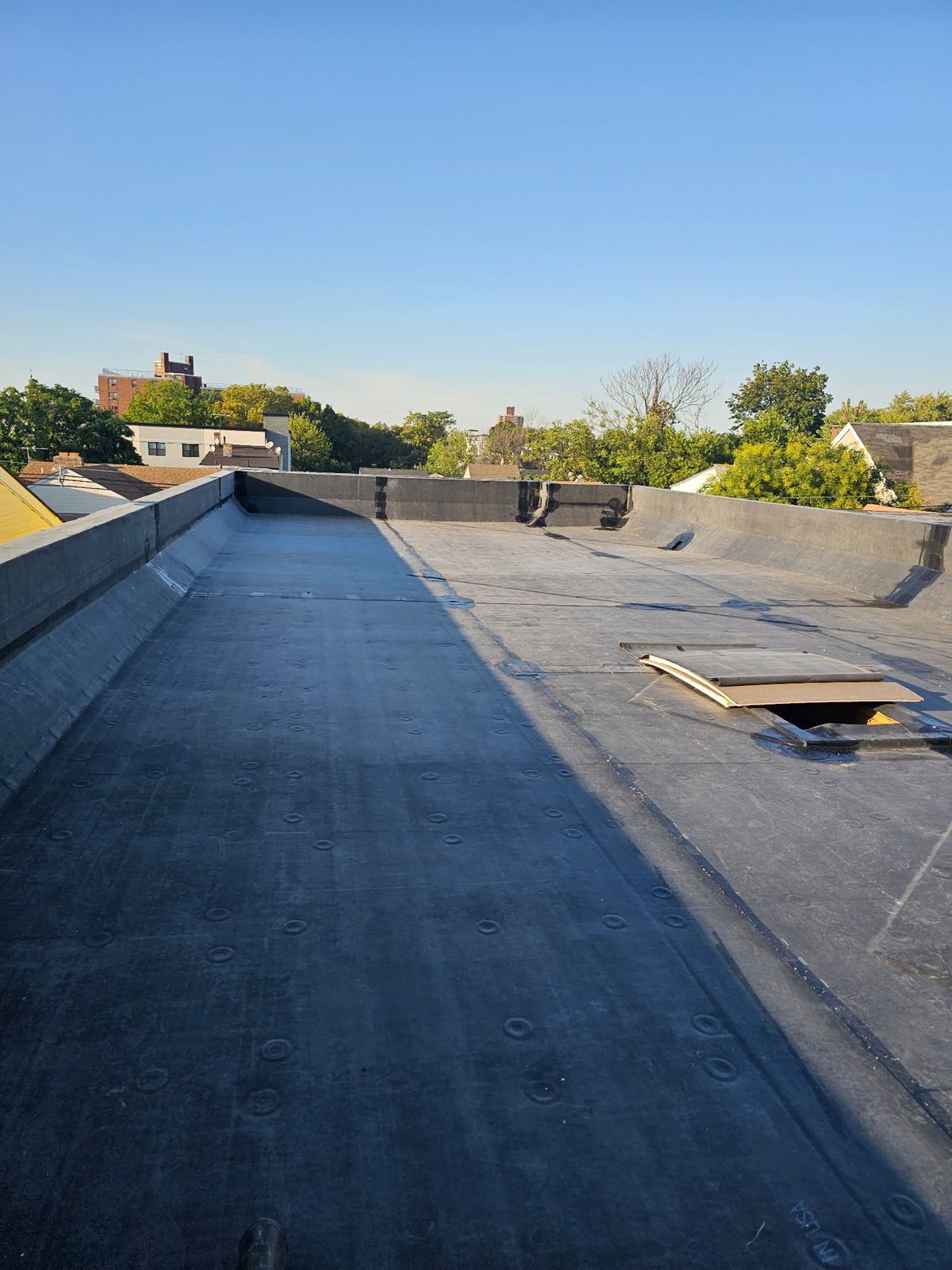
Complex roof geometry on these multi-family dwellings creates heavy water runoff paths. During heavy rain events in Bergen County, water accumulates rapidly in roof valleys and against sidewalls. Corroded or unseated step flashing allows water to migrate behind exterior siding. Meanwhile, rear flat roofs—commonly finished with EPDM rubber or modified bitumen over home additions—experience standing water when drainage slopes degrade, leading to seam separation along roof transitions.
- Step Flashing Failures: Corrosion and displacement along two-story sidewalls and dormer seams.
- Valley Wear: Rapid granule loss and underlayment decay in primary drainage channels.
- Flat Roof Seam Separation: Moisture entry on rear flat additions due to standing water and UV degradation.
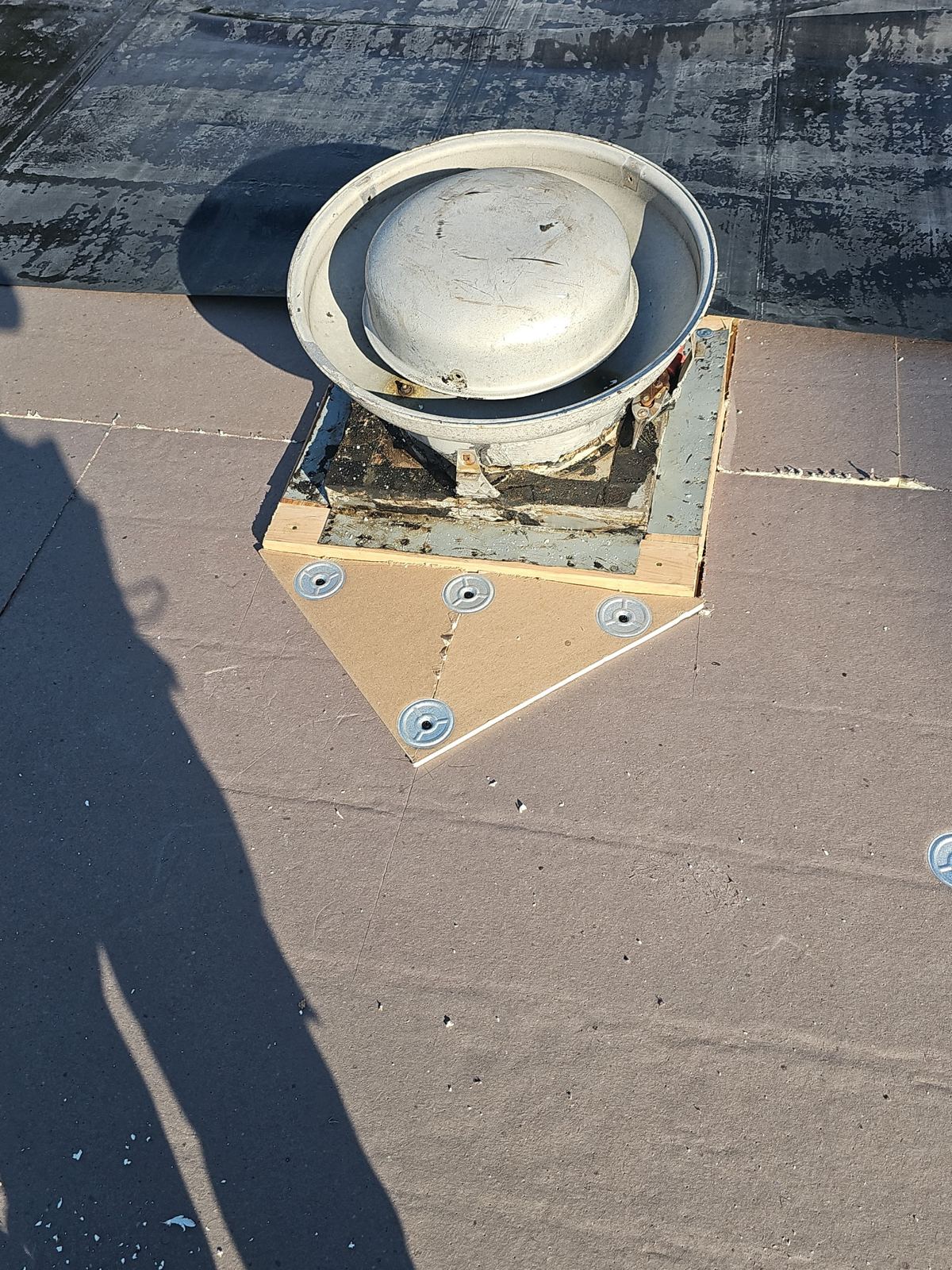
- Pipe Boot Deterioration: Cracked rubber collars allowing direct leaks into upper-floor units.
Diagnostic Approaches and Component Repair Methods
Effective leak repair requires tracing water back to its entry point rather than applying temporary surface sealants. Hydrostatic pressure can force water underneath shingles several feet away from interior ceiling stains. Our diagnostic process starts with inspecting attic rafters for water trails, followed by examining roof penetrations, flashing intersections, and underlying membranes.
For step flashing repairs on Lodi’s frame homes, we unfasten lower siding panels and lift surrounding shingles to replace damaged metal steps. We install self-adhering ice and water membrane beneath new step flashing to create a sealed barrier. In valleys, we remove worn shingles, inspect wood decking for decay, install heavy-duty self-adhering valley underlayment, and lay replacement shingles to match water-shedding specifications.
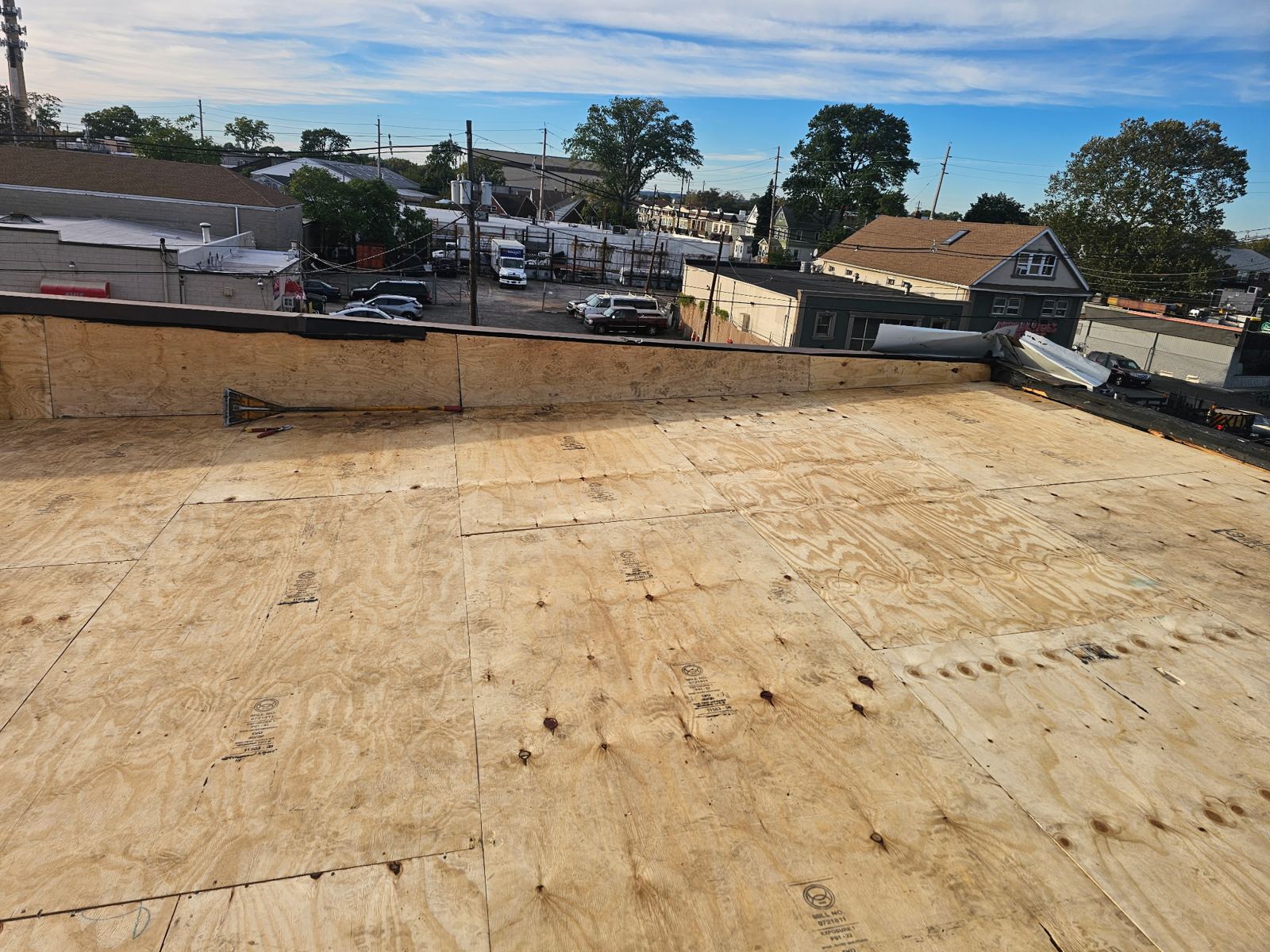
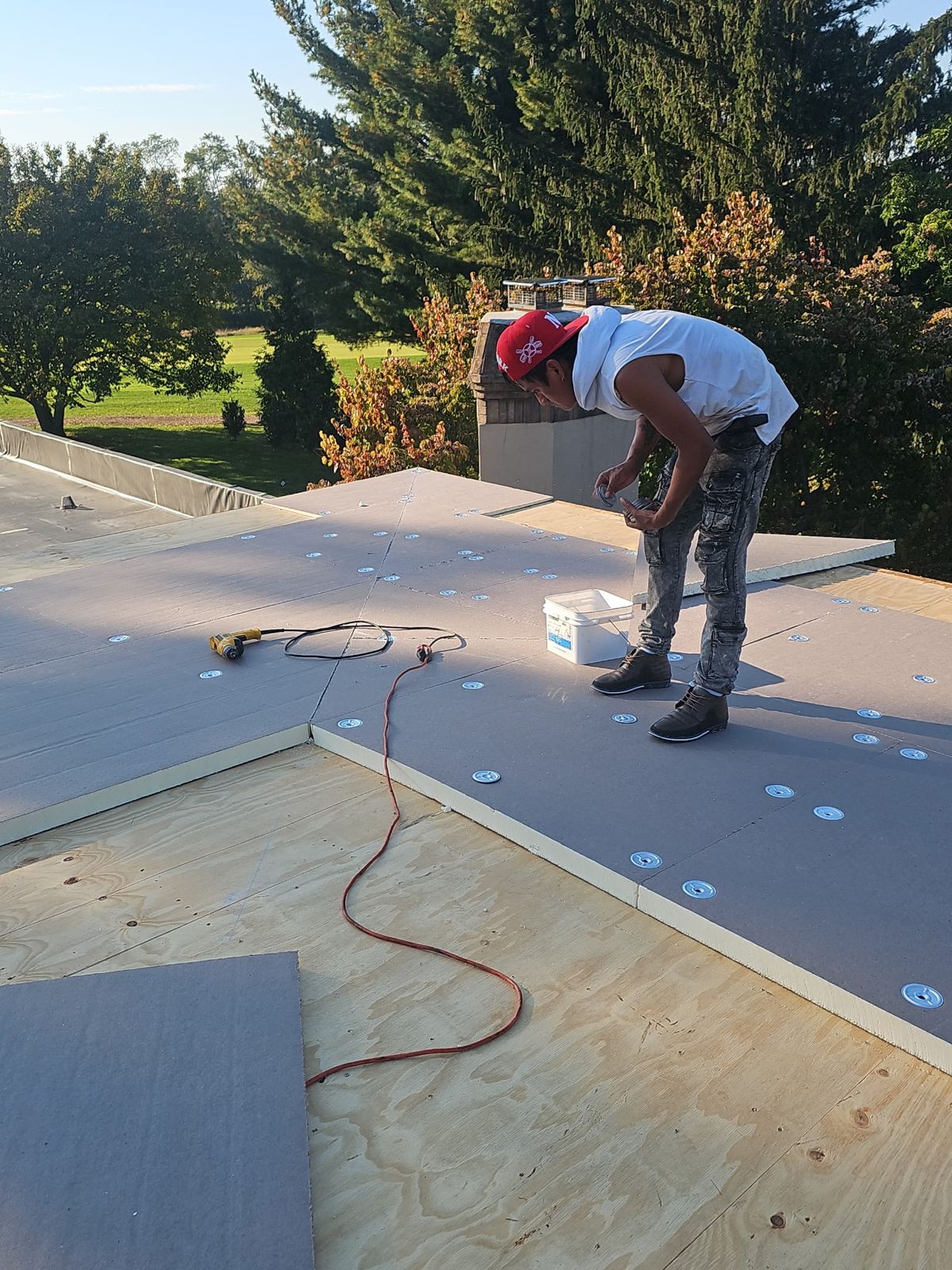
Rear flat roof repairs require low-slope membrane techniques. For EPDM rubber, we clean the surface, prime compromised areas, and apply cold-applied adhesive patches over split seams. For modified bitumen, we clear debris, assess edge terminations, and seal open seams using asphaltic lap cement or hot-air welding, extending the life of the flat roof extension without requiring total tear-off.
- Siding Integration: Controlled unfastening of vinyl or aluminum siding to install step flashing correctly.
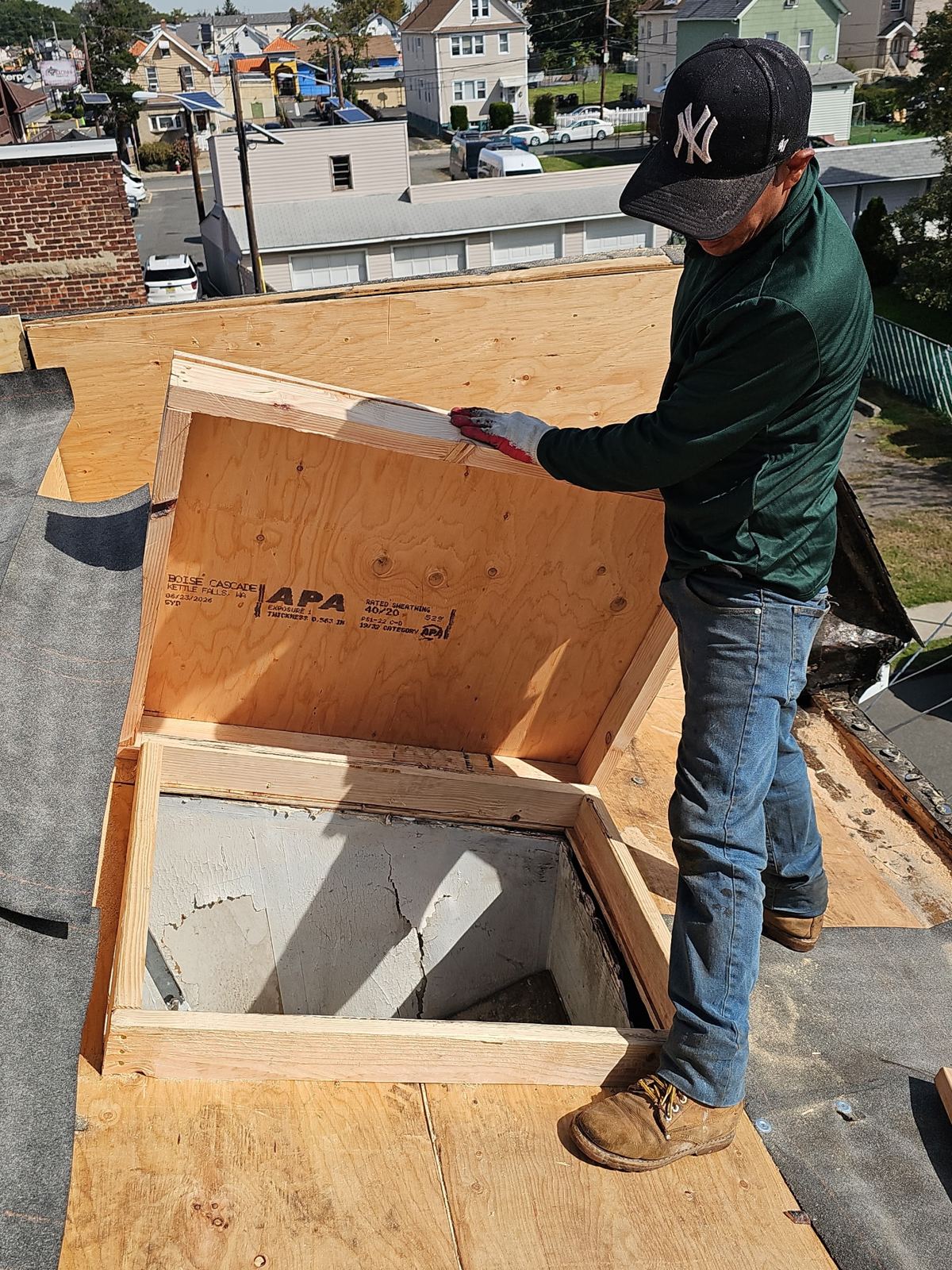
- Valley Decking Restoration: Replacement of rotted plywood or tongue-and-groove boards beneath failed valleys.
- Flat Membrane Patching: Sealing punctures, blisters, and open seams on rear flat roof additions.
Emergency Tarping and Insurance Claim Assistance
Severe weather in Bergen County—including severe thunderstorms, high winds along the Saddle River corridor, and winter nor'easters—causes sudden roof damage. Blown-off shingles, tree branch impacts, and ice dams expose wooden decking to water intrusion. Storm Guard Roofing provides 24/7 emergency response to install secure, heavy-duty tarping systems, preventing water from reaching ceilings, electrical systems, and framing.
Managing insurance claims for storm damage on multi-family properties can be challenging. We assist Lodi property owners throughout the process. We document damage with photos, prepare technical line-item repair scopes, and meet directly with insurance adjusters on site to verify that claim allowances match necessary structural repairs.
- 24/7 Emergency Tarping: Securely anchored temporary covers to seal active leaks during severe storms.
- Storm Damage Assessment: Documentation of wind uplift, shingle creasing, and hail impact evidence.
- Insurance Adjuster Meetings: On-site technical reviews with insurance carrier representatives.
Evaluating Repair Scope Relative to Full Replacement Costs
Homeowners in Lodi often evaluate whether a leaking roof requires localized repair or complete replacement. Full roof replacement involves significant labor and disposal costs, which increase on two-story frame homes with limited side-yard access. If the main roof structure remains sound, targeted repairs resolve water entry points at a fraction of full replacement expenses.
We analyze shingle flexibility, adhesive integrity, and decking condition. When damage is isolated to valleys, step flashing, or a rear flat roof addition, repairing those specific components restores complete weather protection. If systemic deck rot or failure exceeds 30% of the total roof surface, we provide clear factual findings explaining why full replacement is recommended.
- Cost Control: Targeted repairs preserve functional material and eliminate unnecessary tear-off expenses.
- Decking Preservation: Replacing localized decayed decking without disturbing adjacent healthy roof sections.
- Service Life Extension: Resolving flashing and valley leaks to maximize remaining roof lifespan.
Lodi Building Code Compliance and Site Management
Roof repair operations must comply with New Jersey Uniform Construction Code (NJUCC) standards enforced by the Lodi Building Department. While minor shingle patches do not require permits, structural repairs, deck replacement, and flat roof modifications must meet technical municipal guidelines. Storm Guard Roofing ensures all repairs comply with local wind resistance and ice barrier regulations.
Given the dense building placement in Lodi, executing roof repairs demands site control. Narrow spaces between frame homes require precise material handling and net containment to protect neighboring properties. We handle all permits, safety staging, and site cleanups for compliant project execution.
- Code Adherence: Meeting NJUCC standards for flashing, membrane, and underlayment installation.
- Local Permitting: Coordination with the Lodi Construction Code Department for required project permits.
- Property Line Safety: Debris netting and controlled staging on tight residential lots.
Lodi questions we get asked
- How do you locate leaks on rear flat roof additions common on Lodi two-family homes?
- We inspect edge terminations, wall flashings, and membrane seams, using moisture meters to identify trapped water beneath the EPDM or modified bitumen layer.
- Does repairing step flashing require removing the siding on my Lodi home?
- We temporarily unfasten and lift only the bottom courses of vinyl or aluminum siding above the roofline to replace step flashing, then secure the original siding back in place.
- Can Storm Guard Roofing handle ice dam leaks during Bergen County winters?
- Yes. Our 24/7 emergency team clears ice blockages, applies temporary seals to halt active leaks, and installs self-adhering membranes during permanent weather repairs.
- Does the Borough of Lodi require a permit for minor roof leaks?
- Minor localized shingle or flashing repairs generally do not require a permit under the NJUCC. If structural deck replacement is required, we manage permit filings with the Lodi Construction Code Department.
More in Lodi
Call (201) 403-0024 for a Lodi inspection, or send the form.