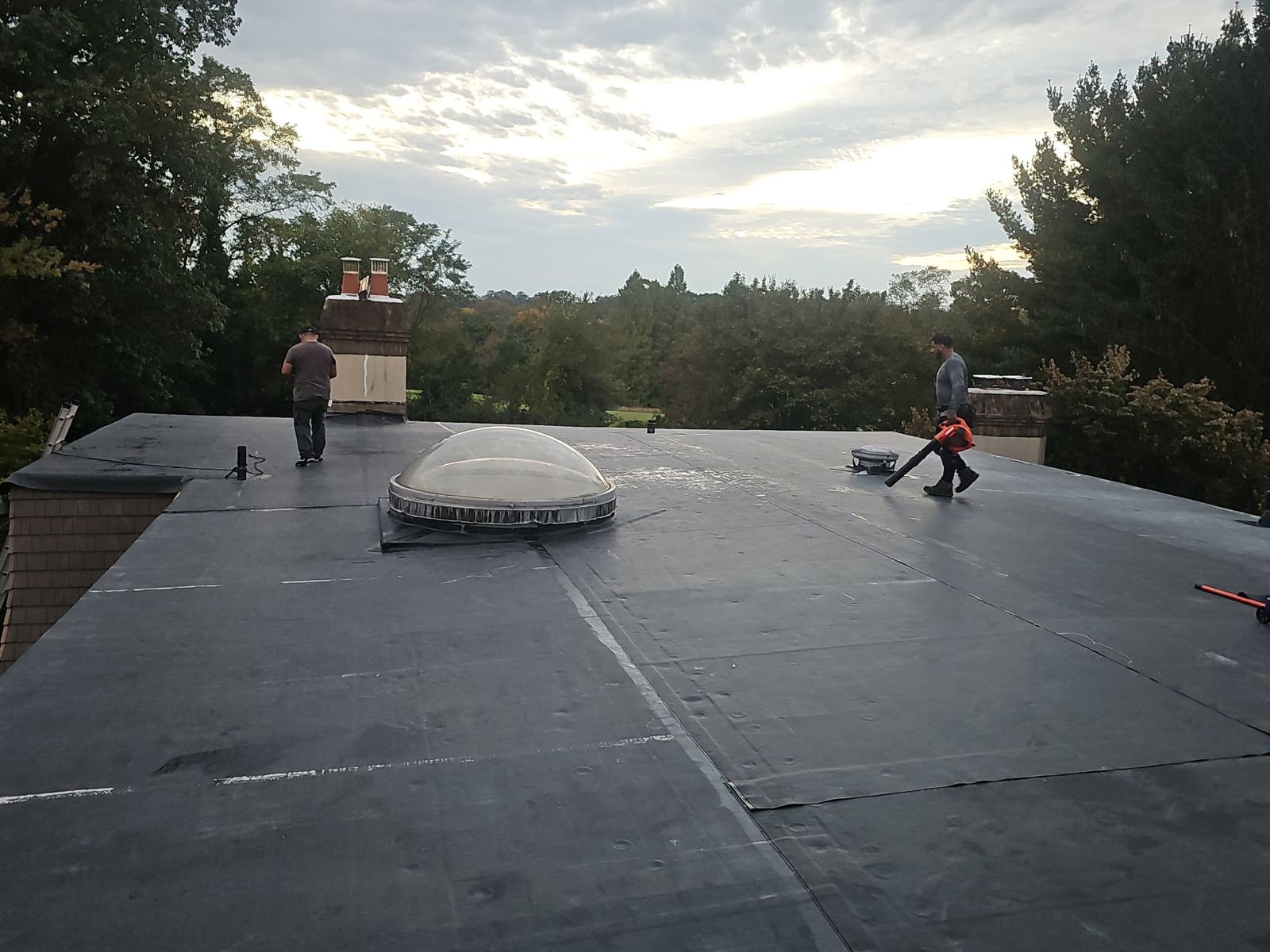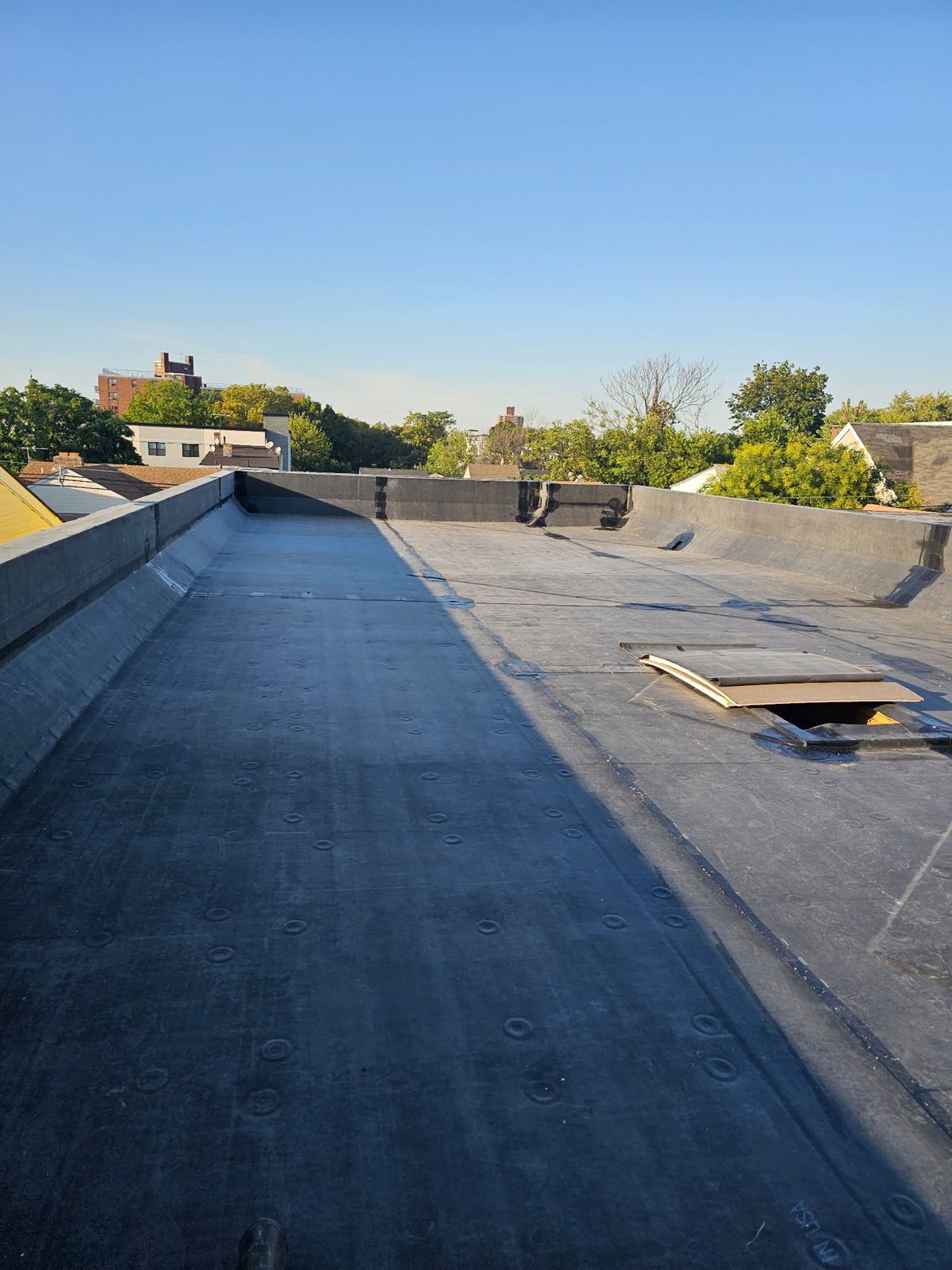
Metuchen · Middlesex County
Targeted Roof Repair and Leak Diagnosis in Metuchen, NJ
Metuchen features a dense concentration of older architectural styles, primarily two-story colonials, Dutch colonials, and historic Victorians built throughout neighborhoods like the Radio District, Campbell Park, and the Downtown core. These homes routinely feature high-pitch gables, dormers, complex valley intersections, and integrated masonry chimneys. Combined with the borough's heavy oak and maple tree canopy, local roofs collect high volumes of organic debris each fall. This leaf accumulation retains moisture against shingle courses and obstructs internal roof drainage points. Storm Guard Roofing provides dedicated repair services focused exclusively on diagnosing and resolving structural leaks, flashing degradations, and storm-related failures. Operating for over 25 years as a family-owned, licensed, and insured contractor, we provide 24/7 emergency leak response and handle insurance claim documentation for homeowners across Middlesex County. For dispatch or technical assessments, call (201) 403-0024.
Leak Mechanics in Metuchen's Colonial and Victorian Rooflines
Older colonials and Victorians in Metuchen present recurring points of failure due to complex roof geometry. When multiple roof planes intersect, water volume increases at the junctures. During autumn, heavy leaf loads settle into roof valleys and behind chimney saddles. This organic matter holds rainwater against the shingle surface, preventing natural evaporation and accelerating granular loss. Over time, capillary action draws water upward underneath the shingle butts, decaying the underlying wood decking.
Ice damming is another frequent cause of winter leaks in older Metuchen properties. Inadequate soffit-to-ridge ventilation in uninsulated knee walls—common in historic attic spaces—allows indoor heat to escape into the roof cavity. This heat melts snow high on the slope. The meltwater runs down to the unheated eaves, re-freezing over the gutter line. Water backs up beneath the lower shingle courses, penetrating past saturated felt underlayment directly into interior plaster or drywall ceilings.
- Valley clogs caused by heavy oak and maple leaf accumulation.
- Capillary water draw underneath unsealed asphalt shingle edges.
- Ice dam formation along uninsulated low-eave margins.
- Decking rot behind unvented masonry chimney structures.
Flashing, Valley, and Penetration Diagnostics
Flashing failures account for most active leaks in local homes. Step flashing along sidewalls and dormers degrades through continuous thermal expansion and contraction. On older Metuchen homes, original copper or galvanized step flashings often corrode or pull away from siding material, allowing wind-driven rain to enter behind the wall line. Chimneys require two-part flashing: step flashing integrated into the shingle courses, and counter-flashing cut into the mortar joints. When mortar deteriorates due to freeze-thaw cycles, water penetrates behind the metal.
Valleys on historic homes are equally vulnerable. Woven shingle valleys trap fine dirt and leaf dust, creating constant dampness that prematurely breaks down the asphalt substrate. Open metal valleys can buckle or lift if thermal fasteners back out, allowing surface runoff to channel underneath the valley lining. Plumbing vent boots also fail over time; original neoprene collars crack under UV radiation, creating a direct path for water to travel down the PVC stack into attic framing.
- Step flashing separation along dormer sidewalls and wall intersections.
- Mortar joint failure behind chimney counter-flashing.
- Neoprene boot cracking on plumbing stack vent pipes.
- Shingle breakdown in closed-woven valley transitions.
24/7 Emergency Tarping and Storm Damage Interventions
Severe weather in Middlesex County brings localized severe thunderstorms and winter nor'easters that tear off aged shingles or drop heavy branches onto roof structures. Storm Guard Roofing maintains a 24/7 emergency response service to prevent water intrusion immediately following a storm event. Our emergency procedures focus on securing the structural envelope before interior damage escalates.
Proper emergency tarping requires more than placing a sheet over damaged shingles. We install heavy-duty, UV-resistant tarps secured with wooden furring strips screwed directly into roof rafters through non-damaged areas. This technique prevents wind lift during subsequent rain events and keeps water from migrating under the edges. We also document all structural damage, underlying sheath fracture, and shingle displacement with clear photography to assist with home insurance claims processing.
- 24/7 immediate dispatch for active leaks and tree-impact damage.
- Mechanical tarp attachment using wood furring strips to prevent wind lift.
- Structural decking assessments to verify load safety after impacts.
- Direct documentation and itemized estimates for insurance claims.
Repair Economics: Calculating Spot Repair vs. Replacement
Determining whether to perform a targeted spot repair or pursue full roof replacement depends on structural factors rather than age alone. A spot repair is the correct financial decision when damage is localized to a specific zone—such as a single wind-damaged slope, a degraded wall flashing, or cracked pipe boots—provided the surrounding shingle matrix retains its flexibility and granular coating. If the rest of the roof field remains sound, targeted repairs restore water-tight integrity at a fraction of full replacement costs.
Conversely, when shingles show widespread thermal cracking, extensive clawing, or systemic granular loss down to the fiberglass mat, localized repairs become inefficient. Attempting to tie new shingles into brittle, aged materials often breaks adjacent courses, causing new leak points. We evaluate slope area, decking deflection, fastener integrity, and shingle flexibility to provide clear recommendations on whether a repair will extend the roof's service life by several years or if replacement is necessary.
- Spot repairs are cost-effective for isolated wind, tree, or flashing damage.
- Flexible shingles allow successful integration of replacement courses.
- Brittle, aged shingles increase labor repair risk and warrant replacement.
- Decking integrity determines if localized repairs can support new materials.
Metuchen Municipal Regulations and Repair Code Standards
Roofing repairs in the Borough of Metuchen must align with the New Jersey Uniform Construction Code (NJUCC). While localized minor repairs may not always trigger full permit reviews, structural repairs involving sheathing replacement or alterations to structural framing require documentation with the Metuchen Construction Code Department. Adhering to these local codes prevents complications during future property transfers.
Current codes dictate specific underlayment and flashings requirements during repairs. When repairing valleys or eave lines damaged by ice dams, New Jersey code mandates the application of self-adhering polymer-modified bitumen ice and water shield extending at least 24 inches inside the interior wall line. We ensure all flashing assemblies, valley linings, and fastener patterns meet local administrative standards and manufacturer specifications.
- Compliance with New Jersey Uniform Construction Code repair standards.
- Installation of self-adhered ice and water shields along eave lines.
- Coordination with Metuchen building officials for structural deck repairs.
- Strict adherence to mechanical fastener and flashing spacing codes.
Metuchen questions we get asked
- Why do roofs on Metuchen Victorians leak more frequently around dormers?
- Victorian architecture often features sharp roof pitches, multi-tiered gables, and decorative dormers. These features create numerous vertical wall-to-roof junctions. Over time, step flashing along these junctions corrodes, separates from siding, or gets clogged with leaf debris from Metuchen's dense tree canopy, allowing water to bypass the shingle barrier.
- Do minor roof repairs in Metuchen require a municipal building permit?
- Minor spot repairs involving small shingle replacements or pipe boot seals generally do not require a permit. However, extensive repairs involving structural sheath replacement, rafter work, or large-scale section tear-offs must comply with the Metuchen Construction Code Department and may require a building permit. We manage all code verification.
- How do heavy autumn leaves affect roof valleys in local neighborhoods?
- Metuchen's mature oak and maple trees shed heavy foliage that collects in roof valleys and behind chimneys. This leaf matter holds moisture against the shingles, preventing drying and accelerating asphalt breakdown. Organic buildup also blocks water runoff, forcing water laterally under adjacent shingle edges.
- Can Storm Guard Roofing help manage my storm damage insurance claim in NJ?
- Yes. We provide complete documentation of storm, wind, and hail damage, including high-resolution photographs, structural defect notes, and itemized repair estimates. We assist you through the technical process to ensure your insurance claim reflects all necessary scope of work to restore your roof.
More in Metuchen
Call (201) 403-0024 for a Metuchen inspection, or send the form.