West Milford · Passaic County
Roof Repair Services in West Milford, NJ
Storm Guard Roofing brings over 25 years of family-owned, licensed, and insured experience directly to homeowners in West Milford, Passaic County. When water enters your home, immediate, targeted repair stops structural damage before it requires a complete roof replacement. We specialize strictly in roof diagnosis, leak trace tracking, component restoration, and emergency tarping throughout the Township of West Milford, including Hewitt, Newfoundland, Upper Greenwood Lake, Macopin, and Pinecliff Lake. Our team operates 24/7 for emergency leaks, handles insurance claims for storm damage, and can be reached directly at (201) 403-0024.
High-Elevation Weathering and Structural Ice Dam Repairs
West Milford sits within the New Jersey Highlands, experiencing higher elevations, colder temperatures, and heavier snow accumulation than lower-elevation Passaic County towns. This climate subjects asphalt shingle and metal roofing systems to severe freeze-thaw cycles. During winter storms, heat escaping from unconditioned attic spaces melts the lower snow layer on the roof deck. As water runs down toward unheated eaves, it freezes, creating ice dams that trap meltwater. This standing water forces its way upward underneath shingle laps, bypassing standard felts and eroding decking along the roof perimeter.
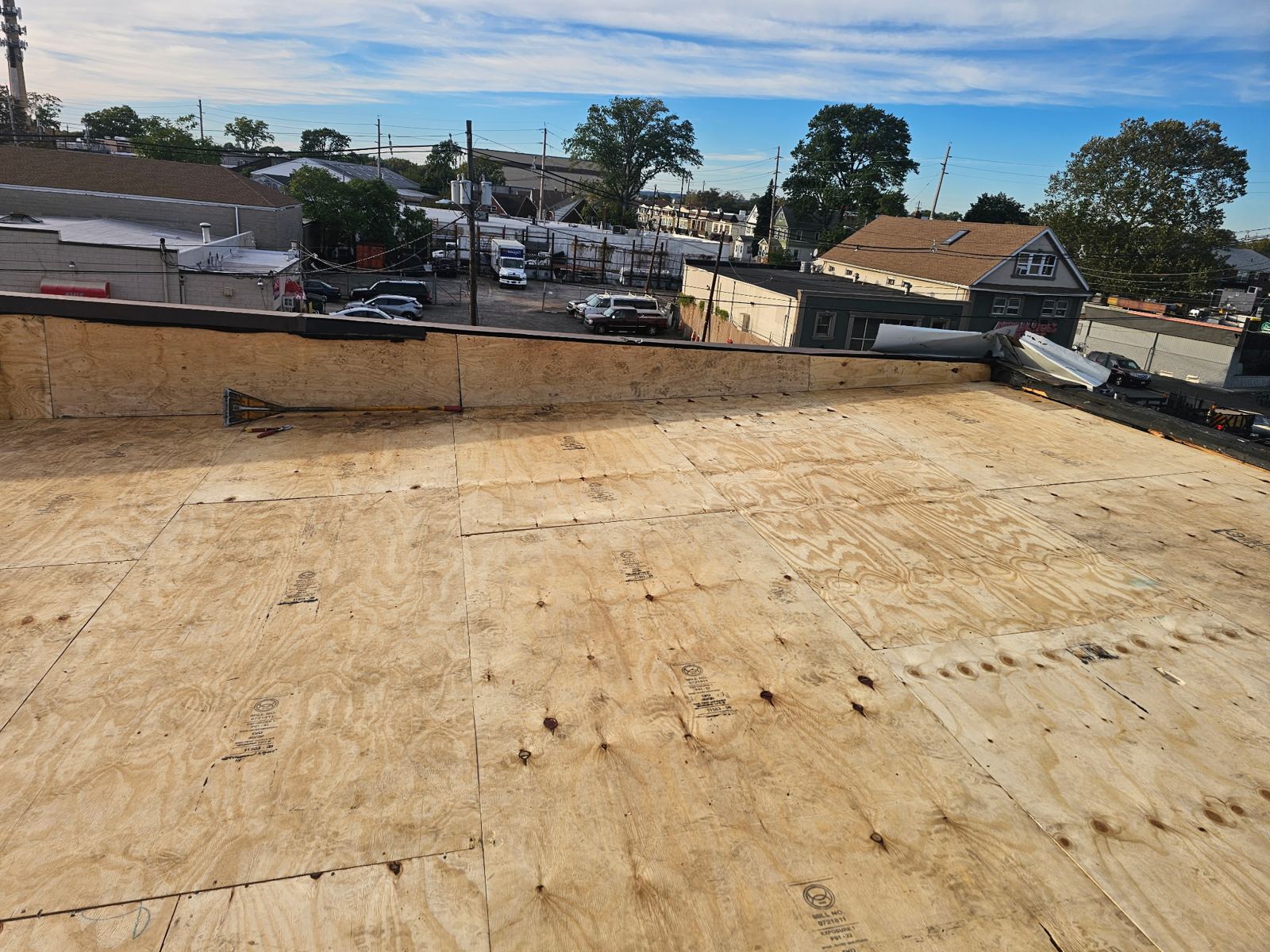
Repairing ice dam damage requires removing compromised shingles along the lower roof edge, inspecting the plywood deck for rot, and retrofitting self-adhered rubberized ice-and-water shield membrane at least 24 inches inside the interior warm wall line. We replace damaged underlayment, re-secure loose drip edges, and verify proper intake ventilation components to balance attic thermal zones, stopping repeat water infiltration.
- Inspection of decking rot along eaves, dormers, and low-slope transitions
- Installation of self-adhering polymer-modified bitumen underlayments
- Retrofitting valley underlayment and drip edges to clear ice blockages
- Attic thermal zone evaluation to reduce heat loss causing ice dams
Flashing, Valley, and Penetration Failures
Valleys and roof intersections endure the highest volume of water runoff during heavy rainstorms. In heavily wooded sections of West Milford—such as Macopin, Clinton, and Pinecliff Lake—falling pine needles, oak leaves, and organic debris accumulate in open metal or woven valleys. This debris retains moisture against shingle edges and clogs water pathways, backing water up under adjacent courses. Step flashing along sidewalls, dormers, and stone chimneys also degrades due to structural settling and thermal expansion.
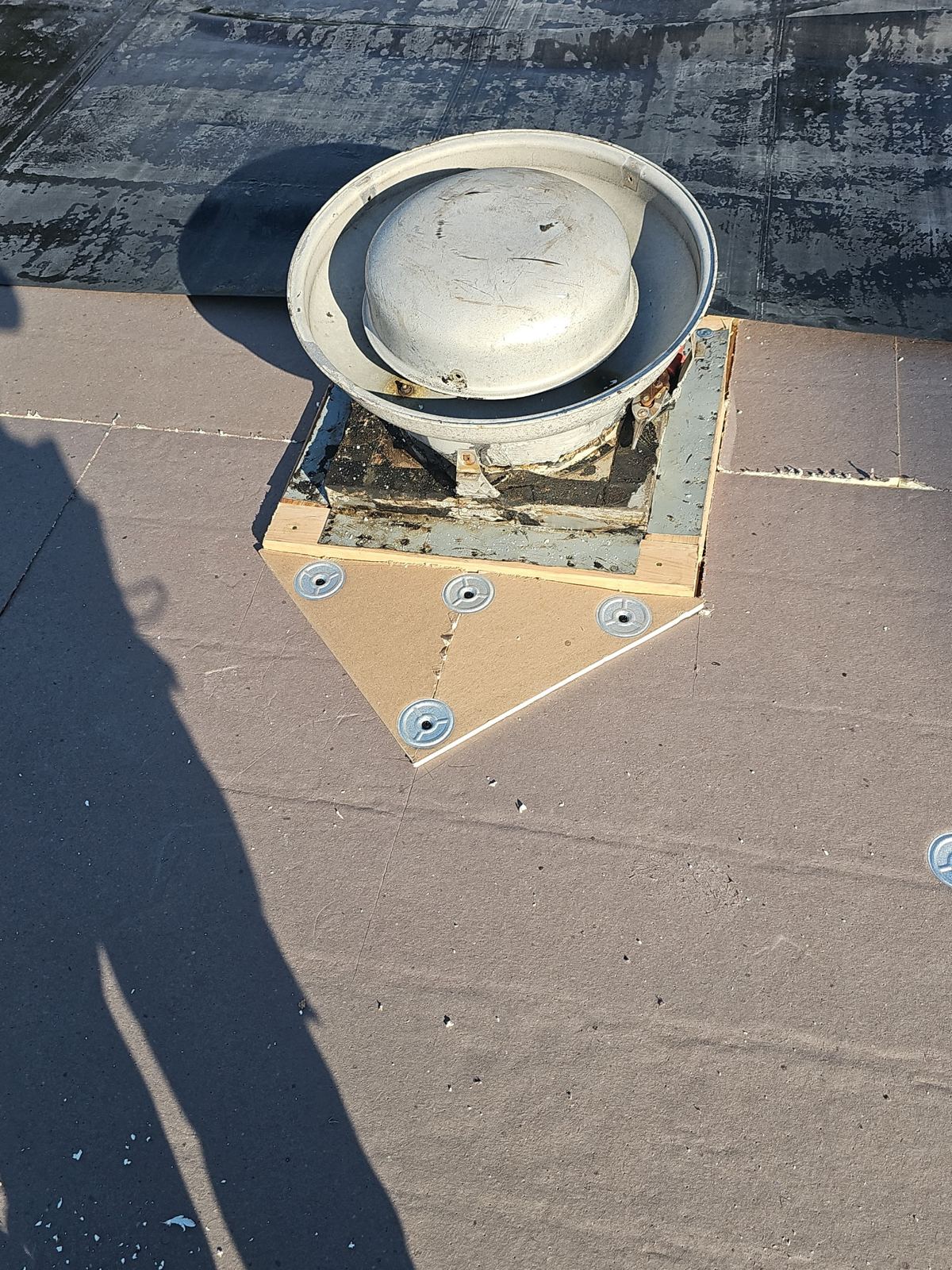
Our technicians trace leaks from interior ceiling stains back to the exterior entry source. We remove damaged shingles, clean out clogged valley troughs, replace corroded metal step flashing, and apply polyurethane sealant at wall counter-flashing joints. Where pipe boots, ridge vents, or exhaust fans fail due to UV degradation or animal damage, we swap damaged seals and re-seal flashing collars without disturbing unaffected roof sections.
- Step flashing replacement along brick, stone, and vinyl dormer walls
- Lead and aluminum counter-flashing resets at chimney bases
- Metal valley lining repairs and debris clearing for free drainage
- Rubber pipe boot collar replacement and vent cap flashing re-seals
Emergency Tarping and Severe Storm Damage Response
High wind gusts traveling over Bearfort Ridge and severe weather events frequently lift shingles, tear ridge caps, or drop tree limbs onto residential roofs in West Milford. Exposed decking, torn underlayment, or fractured rafters allow immediate water intrusion that quickly damages drywall, ceiling joists, and home interiors. Storm Guard Roofing provides 24/7 emergency response to contain structural damage and prevent interior water saturation.
Emergency calls trigger immediate deployment equipped with heavy-duty woven polyethylene tarps, wood furring strips, and structural fasteners. We secure tarps over damaged hips, ridges, and slopes without driving fasteners into salvageable roofing materials. Once the roof plane is secured against weather, we complete a photo-documented damage assessment for your insurance carrier, facilitating claim processing and repair execution.
- 24/7 immediate dispatch for active leaks and tree impact damage
- Industrial-grade weatherproofing tarp installation secured with furring strips
- Photo and video damage documentation for insurance claim filing
- Temporary structural stabilization and tree limb removal off roof decks
Long Driveway Logistics and Property Protection on Wooded Lots
Properties across West Milford feature long, steep, unpaved, or winding driveways bordered by mature trees and mountain boulders. Standard heavy commercial dump trucks cannot access many of these sites without risking damage to asphalt driveways, septic fields, or low-hanging overhead utility lines. Storm Guard Roofing tailors job-site logistics specifically to these rural and suburban site constraints.
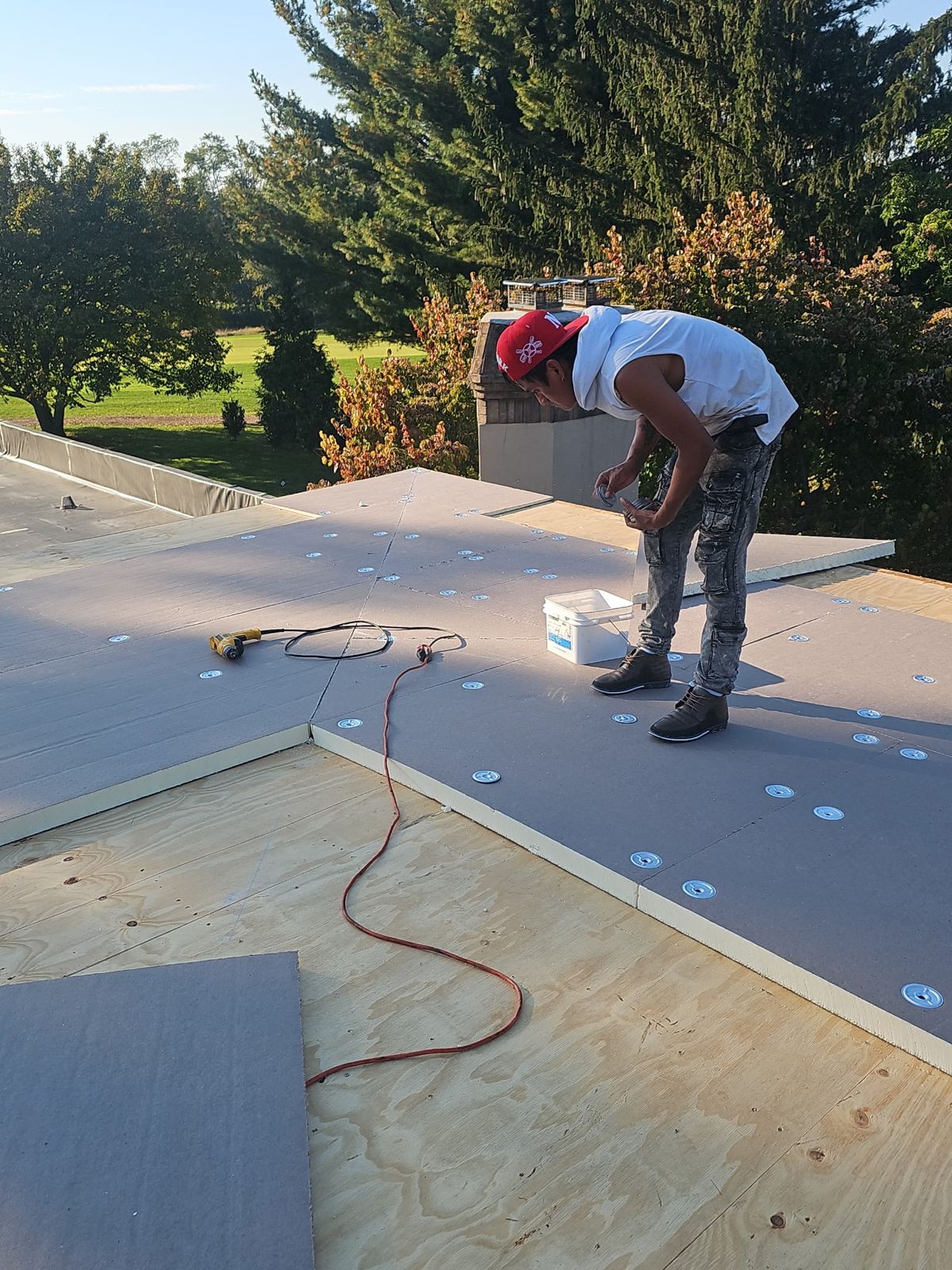
We utilize compact service vehicles, mobile dump trailers, and specialized material transport methods to bring replacement shingles, flashing stock, and underlayment up long driveways without damaging your property. Ground protection tarps are staged along work zones to capture nails, torn shingles, and old metal flashings, followed by magnetic sweeps over lawn and gravel areas.
- Compact utility equipment suited for long, narrow, or steep mountain driveways
- Dedicated driveway protection mats to prevent surface cracking
- Ground magnetic sweeps to recover nails and metal debris in grass and gravel
- Material drops organized around low overhead tree canopies and power lines
Roof Repair versus Replacement Costs
Homeowners dealing with a roof leak must decide whether targeted repairs or a full roof tear-off is necessary. Replacing a residential roof requires major capital investment, whereas targeted repairs extend the functional service life of an existing architectural shingle roof by years at a fraction of full replacement cost. If the overall shingle field retains its granule coating, flexibility, and wind resistance, replacing localized flashing, repairing a valley, or fixing wind-damaged shingle courses is the correct technical solution.
Full replacement is necessary only when structural decking has suffered widespread rot, or when over 30% of the shingle surface exhibits severe granule loss, cupping, and mass fastener pull-through. Storm Guard Roofing inspects the underlying roof deck, shingle adhesion, and flashings to provide an objective assessment. We recommend repairs whenever structural integrity can be fully restored without requiring unnecessary tear-offs.
- Objective evaluation of shingle adhesion, flexibility, and granule retention
- Detailed repair-versus-replace cost comparison based on localized failure points
- Targeted repair solutions that preserve unaffected roof sections
- Insurance claim documentation support for wind, hail, and tree impact repairs
West Milford questions we get asked
- How do West Milford's elevation and winter weather cause roof leaks?
- West Milford's Highlands elevation brings heavier snow loads, colder temperatures, and severe wind exposure off mountain ridges. These factors cause ice dams along eaves and valleys, which push standing meltwater underneath shingle courses and create leaks in decking and interior ceilings.
- Do I need a building permit from West Milford Township for roof repairs?
- Minor roof repairs, such as replacing damaged shingles, fixing pipe boot seals, or swapping localized step flashing, do not require a building permit from West Milford Township. However, repairs involving structural rafter modifications or extensive deck replacement require permits. We verify permit requirements based on your repair scope.
- How do you handle long driveways in heavily wooded West Milford neighborhoods during repairs?
- We deploy compact service vehicles and mobile trailers suited for long, steep, or unpaved driveways in areas like Hewitt or Upper Greenwood Lake. This prevents damage to pavement, septic systems, and low-hanging tree branches while delivering repair materials directly to your home.
- When does a roof leak require a complete tear-off instead of an isolated repair?
- An isolated repair is sufficient when the leak originates from a specific failed component—such as rusted flashing, a cracked pipe boot, or wind-damaged shingles—on a roof where the surrounding shingles remain flexible. Complete replacement is only necessary if widespread deck rot exists or shingles across the entire roof have lost structural integrity.
More in West Milford
Call (201) 403-0024 for a West Milford inspection, or send the form.