Lincoln Park · Morris County
Full Tear-Off and Roof Replacement in Lincoln Park, NJ
Storm Guard Roofing provides direct, full-service roof replacement throughout Lincoln Park, New Jersey. Operating as a family owned business for over 25 years, our licensed and insured team focuses on complete tear-offs, structural decking repairs, and system installation. Lincoln Park features many river-plain lots dominated by post-war ranches. These structures present specific roofing challenges, including low slopes susceptible to standing water, aging wood decking, and recurring skylight leaks. When a roof reaches the end of its functional life, installing a new surface over damaged substrate only delays critical repairs. We inspect the entire roof structure, manage required permits, and rebuild your roofing system from the sheathing up. If your roof has suffered severe weather damage, our team provides 24/7 emergency response and assists with storm-related insurance claims to keep your project moving forward without delay. Contact Storm Guard Roofing at (201) 403-0024 to evaluate your roof replacement options.
Tear-Off vs. Overlay on Lincoln Park Post-War Ranches
Installing a second layer of shingles over an existing roof, known as an overlay, introduces long-term structural risks. On the post-war ranches common to Lincoln Park, existing roofs often conceal hidden rot, sagging plywood, or deteriorated underlayment. Laying new shingles over old ones traps moisture underneath, accelerates thermal degradation, and adds unnecessary weight to aging roof frames. An overlay also prevents a thorough inspection of the roof deck, leaving active framing issues unaddressed.
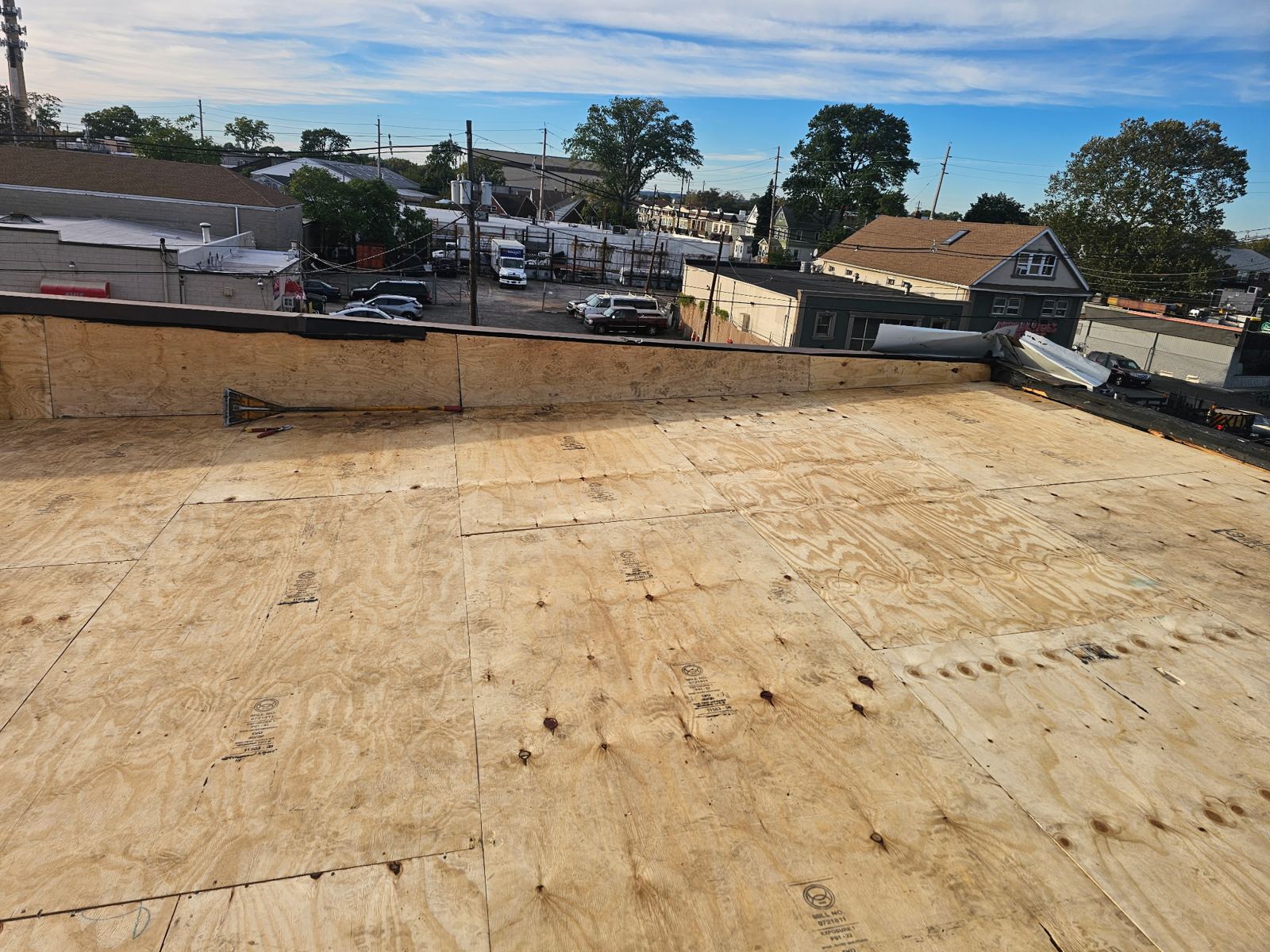
A complete tear-off is the standard approach for a long-lasting roof replacement. Removing all existing shingles down to the bare wooden deck allows our crew to spot rotting plywood, loose fastening, and structural dips before laying down new materials. A clean deck ensures that ice and water shields adhere directly to the wood substrate, establishing a continuous seal along eaves and valleys. This structural resetting is critical for low slopes and post-war construction, where inadequate drainage can cause water to back up under shingle edges.
- Full removal of old shingles exposes hidden moisture damage and rotting roof decking.
- Direct application of ice and water membrane onto clean decking creates an airtight weather barrier.
- Eliminates excess weight on older framing structures found in post-war ranch homes.
- Ensures full manufacturer material performance without compromising underlying components.
Decking Repairs and Ridge Ventilation on River-Plain Properties
Homes situated on river-plain lots across Lincoln Park experience consistent humidity levels that can impact roof decking and attic spaces. During a roof replacement, evaluating the condition of the plywood or tongue-and-groove decking is essential. Soft, delaminated, or water-stained boards cannot securely hold roofing nails. Our crew replaces damaged sheathing with exterior-grade plywood, ensuring a solid foundation for the new roof. Proper fastening prevents shingle lift during high wind events.
Attic ventilation plays a critical role in regulating temperature and moisture under the roof deck. Many older post-war ranches in Lincoln Park were constructed with minimal gable vents or insufficient soffit intake. Trapped heat in summer bakes shingles from below, while winter moisture accumulation leads to wood decay and ice damming along low slopes. We calculate the required net free vent area for your specific attic space and install continuous ridge vents combined with intake soffit venting to establish balanced airflow.
- Replacement of compromised sheathing with nominal exterior plywood sheets.
- Calculation of net free ventilation area based on attic square footage.
- Installation of continuous ridge vents to vent warm, moist air out of the attic.
- Prevention of condensation build-up that weakens roof decks on humid river-plain sites.
Material Options for Pitch Transitions and Low Slopes
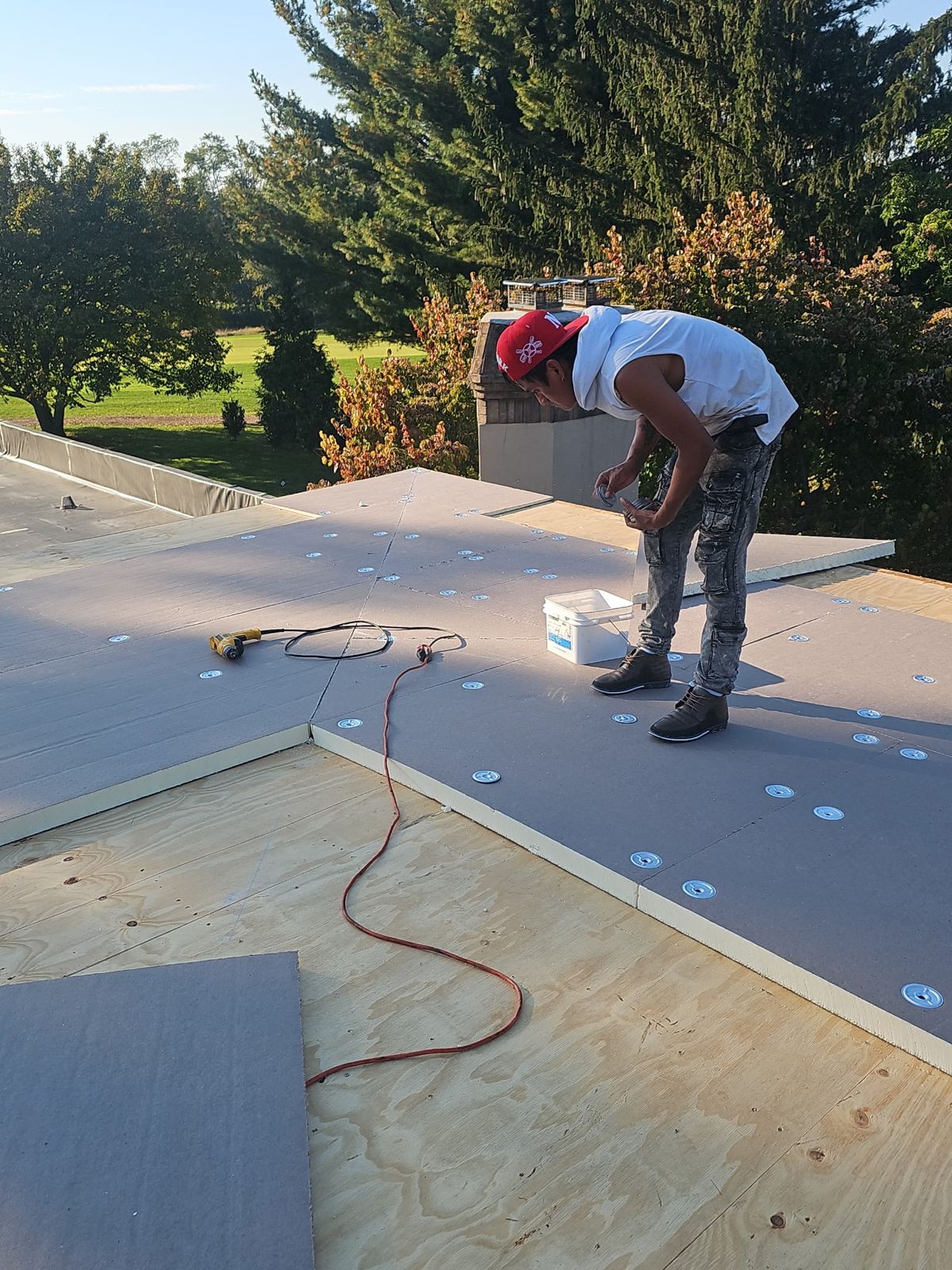
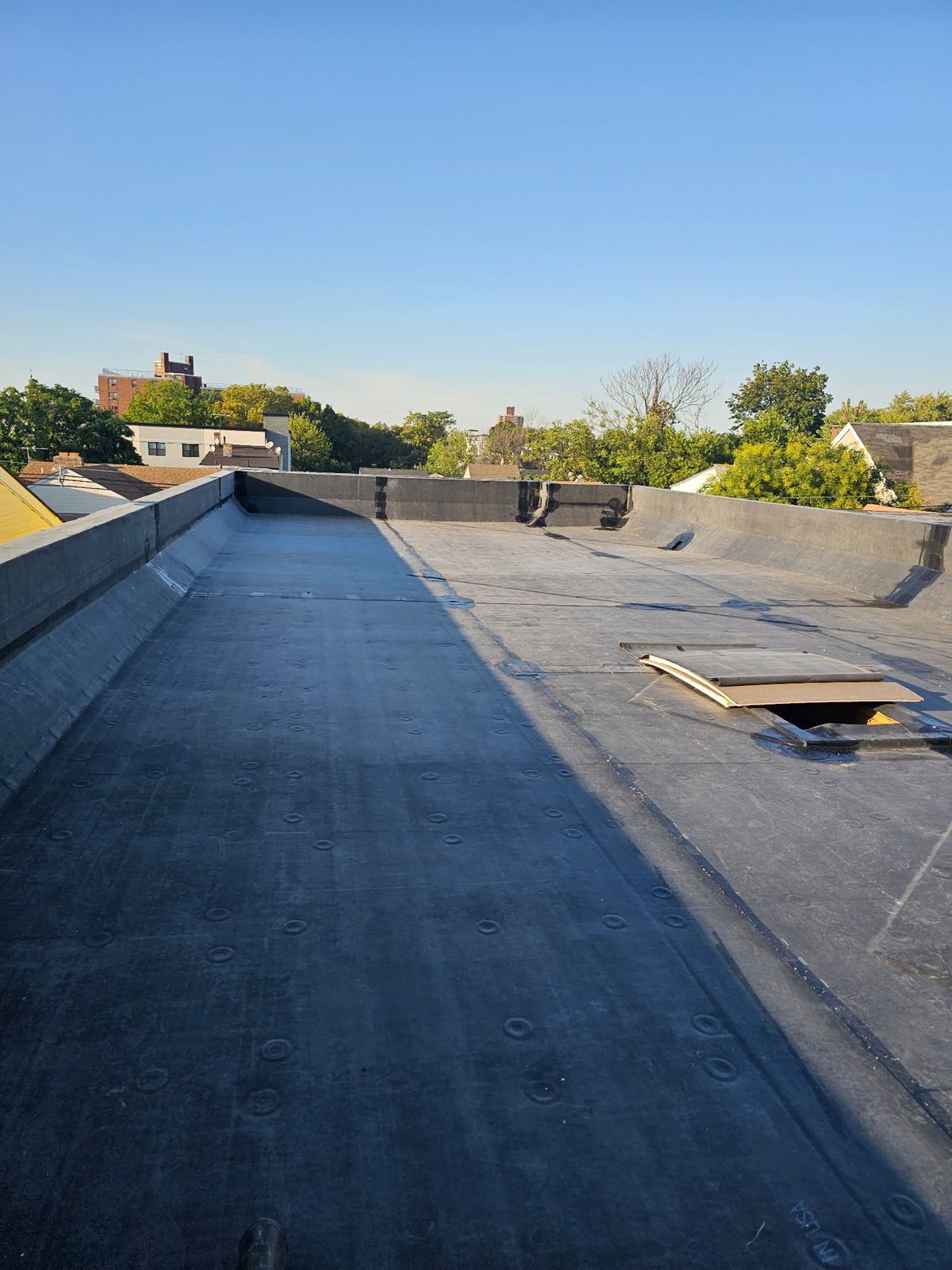
Selecting the right materials depends heavily on roof pitch and architectural geometry. Many post-war ranches in Lincoln Park feature low-slope roof sections over home additions, carports, or porch conversions. Traditional asphalt shingles require a minimum slope of 4:12 to shed water effectively. On slopes below this threshold, standard shingles allow water to creep beneath the laps. For these areas, we install dedicated low-slope self-adhering modified bitumen systems or single-ply membranes that create a watertight seal across low-pitch transitions.
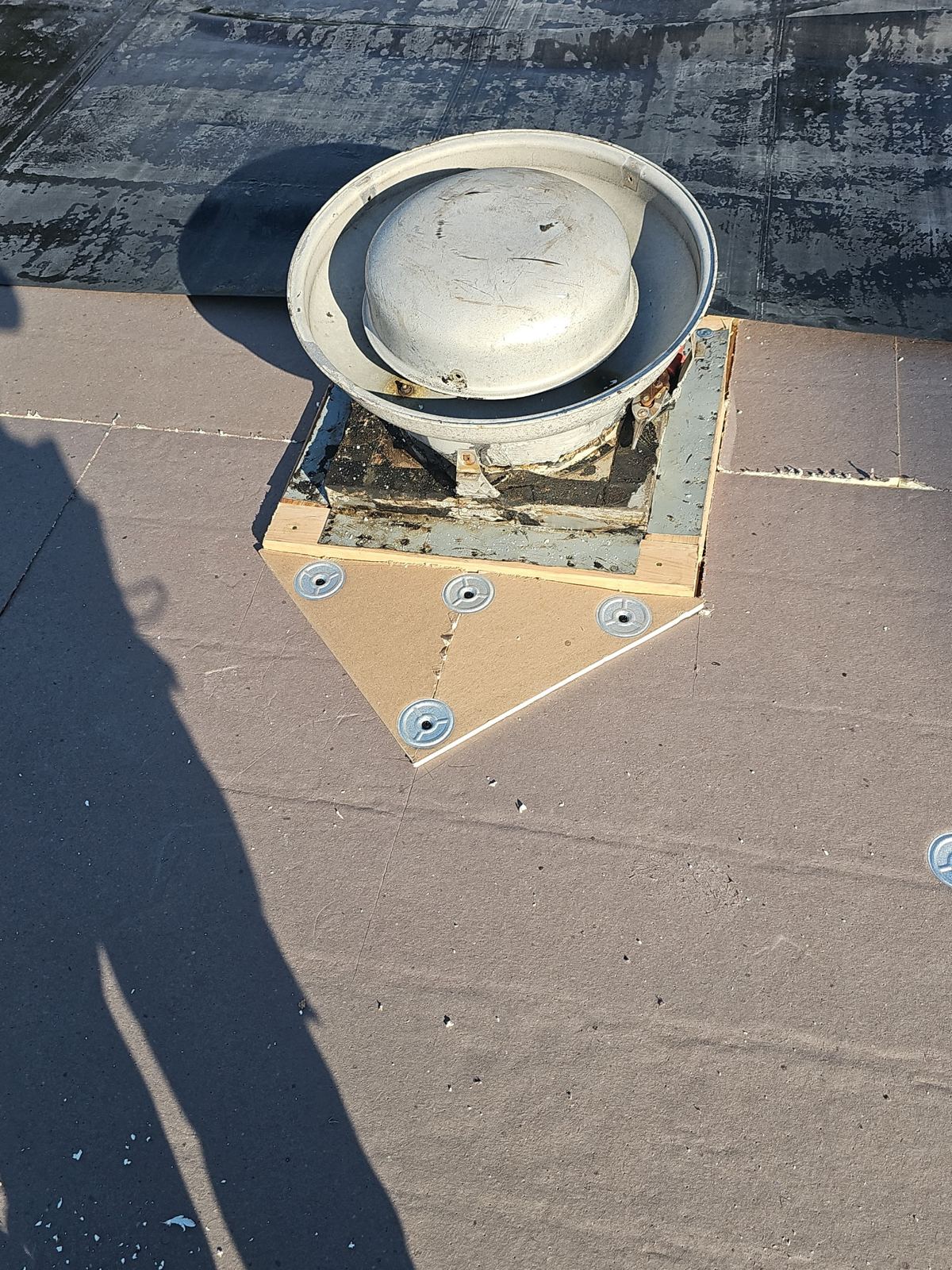
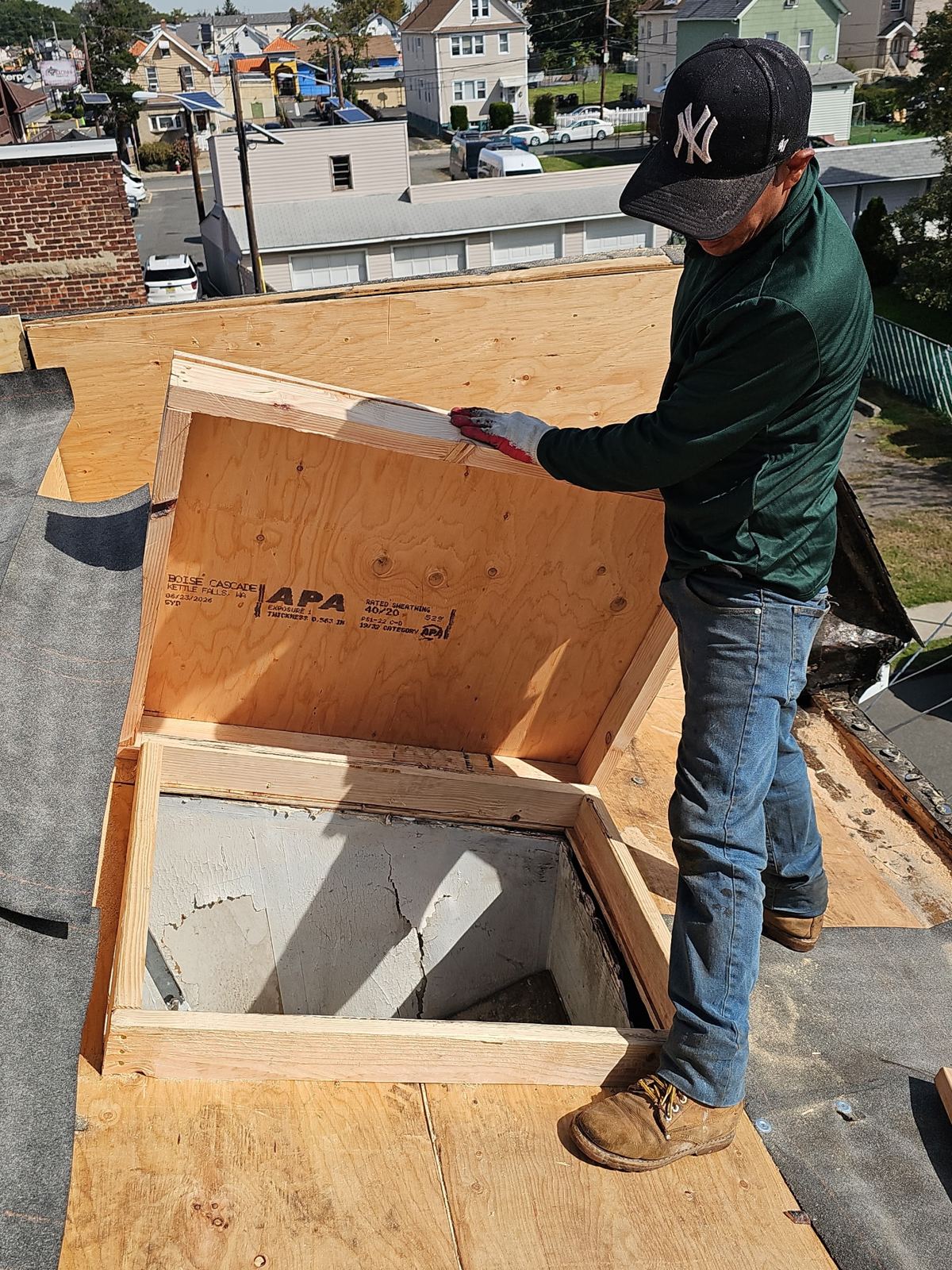
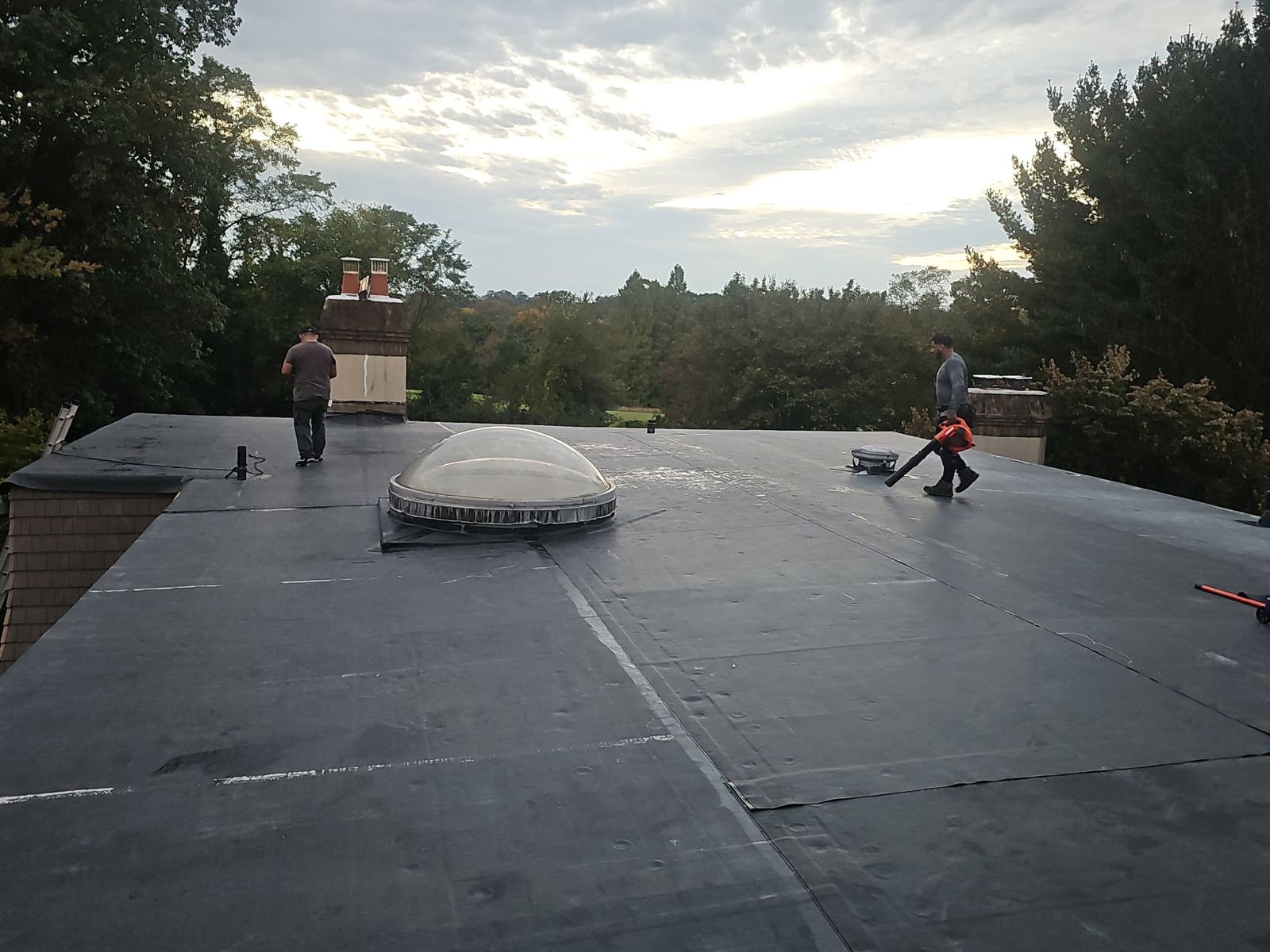
For steep-slope areas, heavyweight architectural shingles offer improved wind resistance and impact durability compared to legacy three-tab shingles. Architectural shingles feature multiple layers of asphalt-saturated fiberglass, providing depth and resistance to blow-offs. In addition, post-war ranches in the area frequently feature skylight leaks due to failed flashing kits or deteriorating metal collars. During roof replacement, we replace worn skylight flashing with custom-bent aluminum step flashing and counter-flashing, or install replacement skylight units to ensure a watertight seal around all roof penetrations.
- Architectural asphalt shingles engineered for wind uplift resistance and durability.
- Self-adhered modified bitumen membrane systems for low-slope roof sections under 4:12 pitch.
- Complete skylight flashing replacement to eliminate chronic perimeter leaks.
- Heavy-duty corrosion-resistant drip edges along all eaves and rakes.
Roof Replacement Timeline and On-Site Property Protection
A standard residential roof replacement on a Lincoln Park ranch typically takes one to two days, depending on roof size, pitch complexity, and the extent of deck repairs needed. Before work begins, our team prepares the site by placing protective plywood boards and tarps over surrounding landscaping, decks, air conditioning units, and siding. We clear driveway access to accommodate tear-off dump trailers and material delivery trucks, minimizing interference with your daily routines.
Throughout the project, workers collect stripped shingles, old nails, and metal flashing directly into designated disposal units. At the conclusion of each workday and upon project completion, our crew runs magnetic sweepers across your lawn, driveway, and garden beds to collect stray nails and metallic debris. We conduct a final walk-through around the home to inspect gutter clearing, pipe boot seals, and overall clean-up before clearing the job site.
- Most single-family ranch roof replacements completed within one to two business days.
- Plywood sheets and heavy tarps installed to guard landscaping, shrubbery, and windows.
- Continuous magnetic sweeping to pick up loose nails from driveways and lawns.
- Daily job site cleanup and prompt removal of tear-off debris.
Storm Damage Claims and 24/7 Emergency Response Services
Severe weather events in Morris County can cause sudden roof failures, tree branch impacts, or wind-driven shingle loss. Storm Guard Roofing operates a 24/7 emergency response service to tarp damaged roofs immediately and prevent internal water intrusion. Prompt emergency stabilization protects your home structure while long-term replacement plans are put in place. Call (201) 403-0024 at any hour when severe weather compromises your roof covering.
When wind or hail damage requires a full roof replacement, navigating insurance claims can be complicated. With over 25 years of industry experience, our team assists homeowners by documenting storm impact, providing itemized material estimates, and meeting directly with insurance adjusters on site. We help ensure all required scope items, including local permit fees and code-mandated underlayments, are included in your claim assessment so your replacement project proceeds smoothly.
- 24/7 emergency roof tarping and stabilization during severe weather events.
- On-site insurance adjuster meetings to verify storm-related damage scope.
- Detailed technical estimates matching insurance scope requirements.
- Management of local building permits for Lincoln Park municipal compliance.
Lincoln Park questions we get asked
- Why are post-war ranches in Lincoln Park particularly prone to skylight leaks and roof failure?
- Post-war ranches often feature low-slope sections and aging flashing around skylights that degrade over decades. The lower roof pitch allows water and melting ice to travel slower, increasing the chance of backing up under old shingles or degraded skylight seals on humid river-plain lots.
- Can I install new shingles over my current roof in Lincoln Park to save money?
- While an overlay is physically possible, a full roof replacement with complete tear-off is recommended. Overlaying traps heat and moisture, conceals rotted deck boards on older ranch homes, and prevents direct installation of ice and water shields along eaves.
- How do low-slope sections on my roof affect material choices during replacement?
- Standard asphalt shingles require a slope of 4:12 or greater to shed water properly. Low-slope sections common on ranch additions require specialized self-adhered modified bitumen or membrane systems to prevent standing water from penetrating the seams.
- What happens during a roof replacement if rotted wood decking is discovered under the old shingles?
- Once old shingles are removed, our crew inspects the wooden sheathing. Any soft, warped, or rotted plywood is cut out and replaced with fresh exterior-grade plywood sheets to ensure structural integrity and solid nail retention before laying new shingles.
More in Lincoln Park
Call (201) 403-0024 for a Lincoln Park inspection, or send the form.