Seaside Park · Ocean County
Full-System Roof Replacement Services in Seaside Park, NJ
Storm Guard Roofing provides technical roof replacement services for residential structures in Seaside Park, New Jersey. Operating as a family-owned contractor with over 25 years of field experience, our fully licensed and insured team manages every phase of tear-off, structural repair, and material installation. Coastal exposure in Seaside Park dictates durable asphalt or metal roofing on 1960s-era bungalows, resisting salt air corrosion. Properties facing salt spray and high winds require engineered system assemblies rather than quick cosmetic patches. We handle insurance claims directly from initial loss assessment through final adjusting, and maintain 24/7 emergency response for active leaks. Property owners can reach our project team directly at (201) 403-0024 to evaluate system condition and schedule an site inspection.
Complete Tear-Off Versus Overlay Options for Seaside Park Bungalows
Choosing between a total tear-off and a secondary layer overlay is a critical technical decision during roof replacement. Installing new shingles over existing layers may reduce initial labor costs, but it conceals underlying damage to the wood deck. In coastal environments like Seaside Park, trapped moisture under an overlay causes structural rot and premature shingle degradation. Additionally, double-layer installations trap excess heat, which voids many manufacturer warranties and adds weight to aging framing systems.
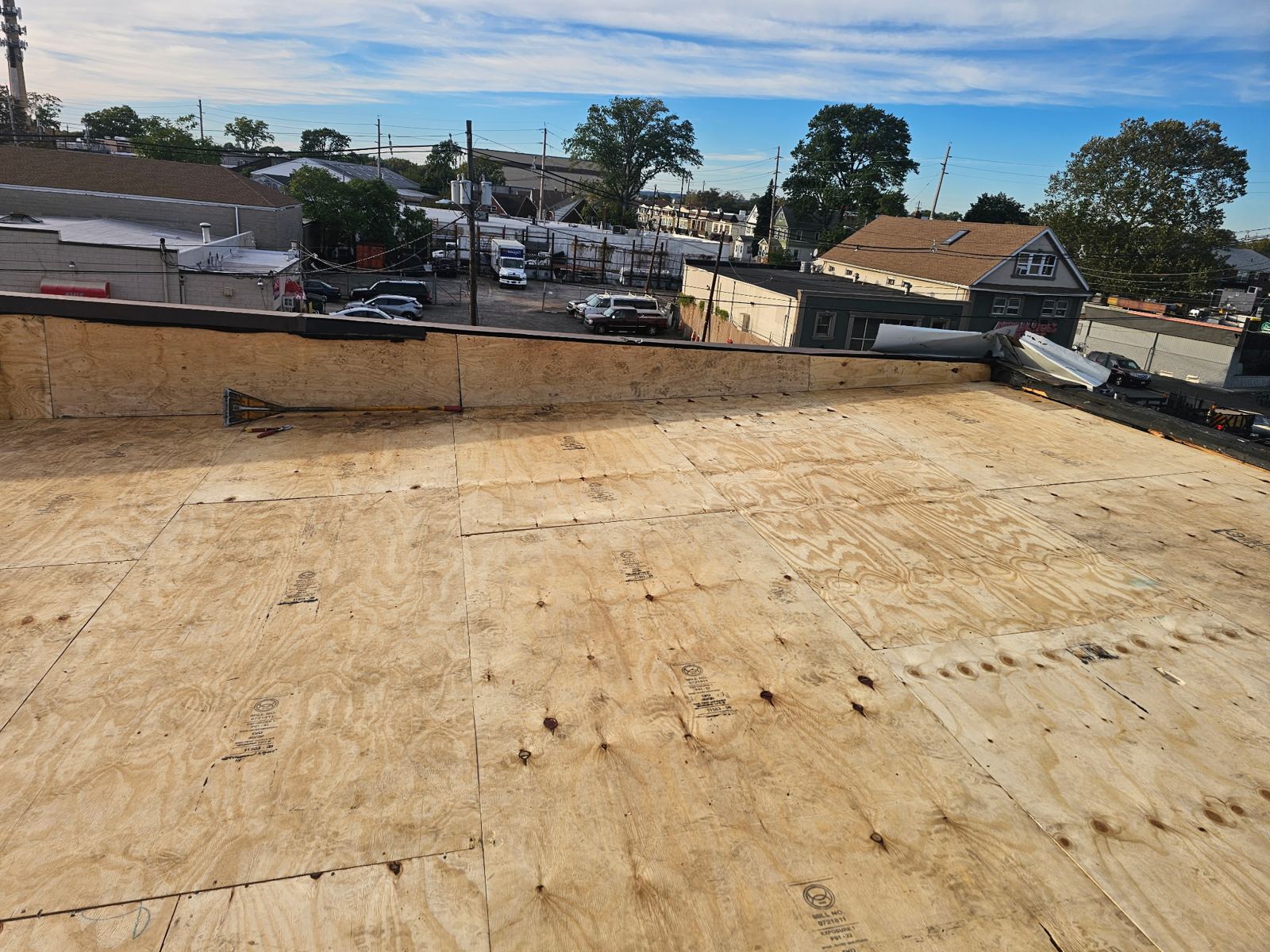
A complete tear-off exposes the entire roof deck, allowing contractors to identify rotted sheathing, loose fasteners, and structural sagging. For 1960s-era bungalows, existing decks often consist of spaced wood board sheathing rather than modern continuous plywood. Removing old materials provides direct access to install solid structural substrates, code-compliant drip edges, and self-adhering ice and water shields designed for wind-driven rain.
- Complete removal of old shingles, felt paper, and corroded flashing down to bare wood.
- Full inspection of structural framing, rafters, and sheathing boards.
- Elimination of hidden rot, mold, and trapped coastal humidity under old layers.
- Compliance with manufacturer installation standards for full warranty coverage.
Decking Inspections and Underlayment Upgrades for Coastal Exposure
Structural decking forms the foundation of any long-term roof replacement. Once the existing material is removed, deck sheets must be evaluated for structural integrity, delamination, and water staining. Any section of plywood or board sheathing showing soft spots or core rot is cut out and replaced with exterior-grade sheathing that meets local building requirements.
Underlayment selection is vital in coastal regions where high winds drive rain under the primary shingle layer. Synthetic underlayments offer significantly higher tear resistance than standard organic felts. Self-adhering ice and water membrane must be applied along eaves, valleys, sidewalls, and chimney intersections. This self-sealing membrane adheres directly to the wood substrate, sealing around fastener penetrations to prevent water ingress during severe weather events.
- Replacement of compromised sheathing with exterior plywood or OSB panels.
- Re-nailing existing deck panels using ring-shank nails to improve uplift resistance.
- Application of self-adhering waterproof membranes along critical roof transitions.
- High-performance synthetic underlayments across the main roof deck.
Ventilation and Moisture Control for Seaside Park Homes
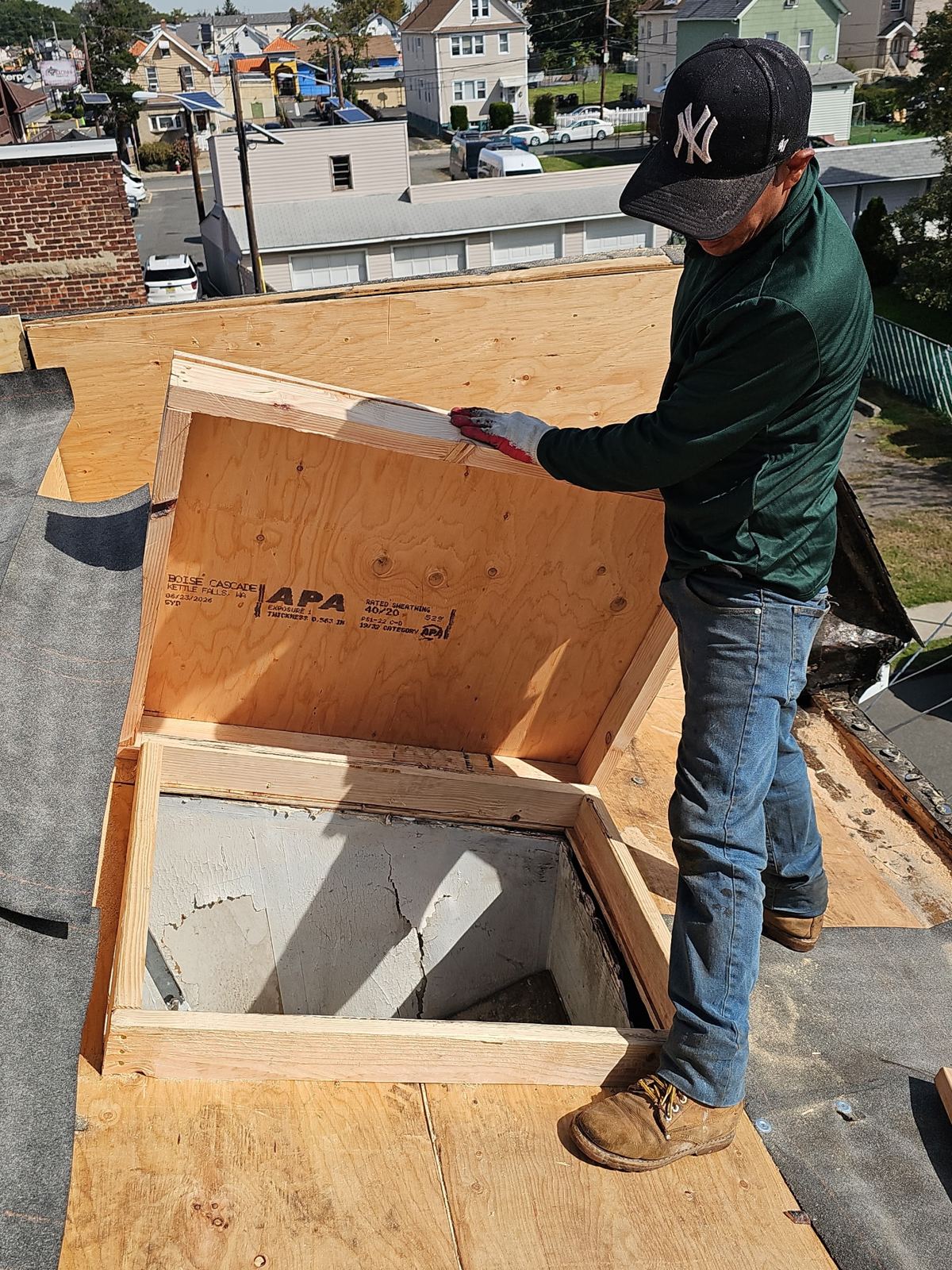
Heat and moisture accumulation inside attic spaces can destroy roofing materials from the underside. Coastal exposure in Seaside Park combines high ambient humidity with intense summer sun, creating conditions that accelerate deck rot and shingle blistering. Proper roof replacement includes re-engineering the attic ventilation system to ensure continuous airflow from lower intake vents to upper exhaust points.
Without adequate soffit intake, ridge vents cannot draw air effectively, resulting in stagnant attic spaces. Correctly proportioned ventilation lowers attic temperatures, reduces cooling loads on interior spaces, and prevents condensation from saturating insulation during cold coastal winters. We inspect soffit baffles, intake channels, and exhaust openings to verify that total net free vent area meets national building code standards.
- Installation of ridge ventilation systems designed to exclude wind-driven rain.
- Inspection and clearing of soffit intake vents and installation of rafter baffles.
- Calculation of net free vent area matched to total attic square footage.
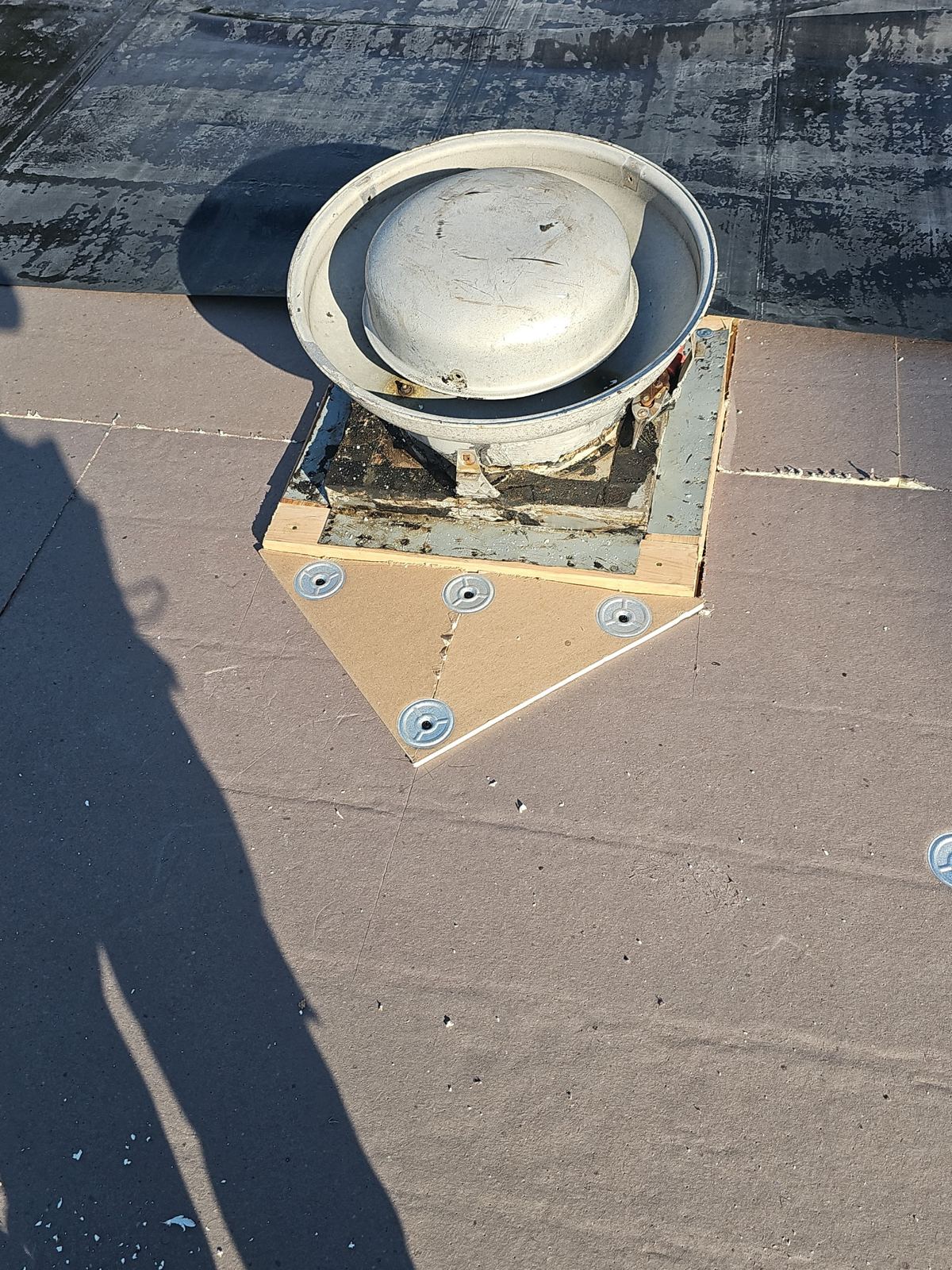
- Moisture barrier integration around static vents, pipe boots, and wall flashings.
Shingle and Low-Slope Material Selections for Salt Spray Resistance
Selecting materials for a coastal roof replacement requires assessing physical resistance to wind uplift, ultraviolet degradation, and salt air corrosion. Coastal exposure in Seaside Park dictates durable asphalt or metal roofing on 1960s-era bungalows, resisting salt air corrosion. Architectural asphalt shingles rated for high wind resistance utilize modified asphalt formulas and heavy fiberglass mats to withstand severe storms. Metal systems, including standing seam aluminum or stainless steel trim, offer longevity in salty environments where standard galvanized metals rust rapidly.
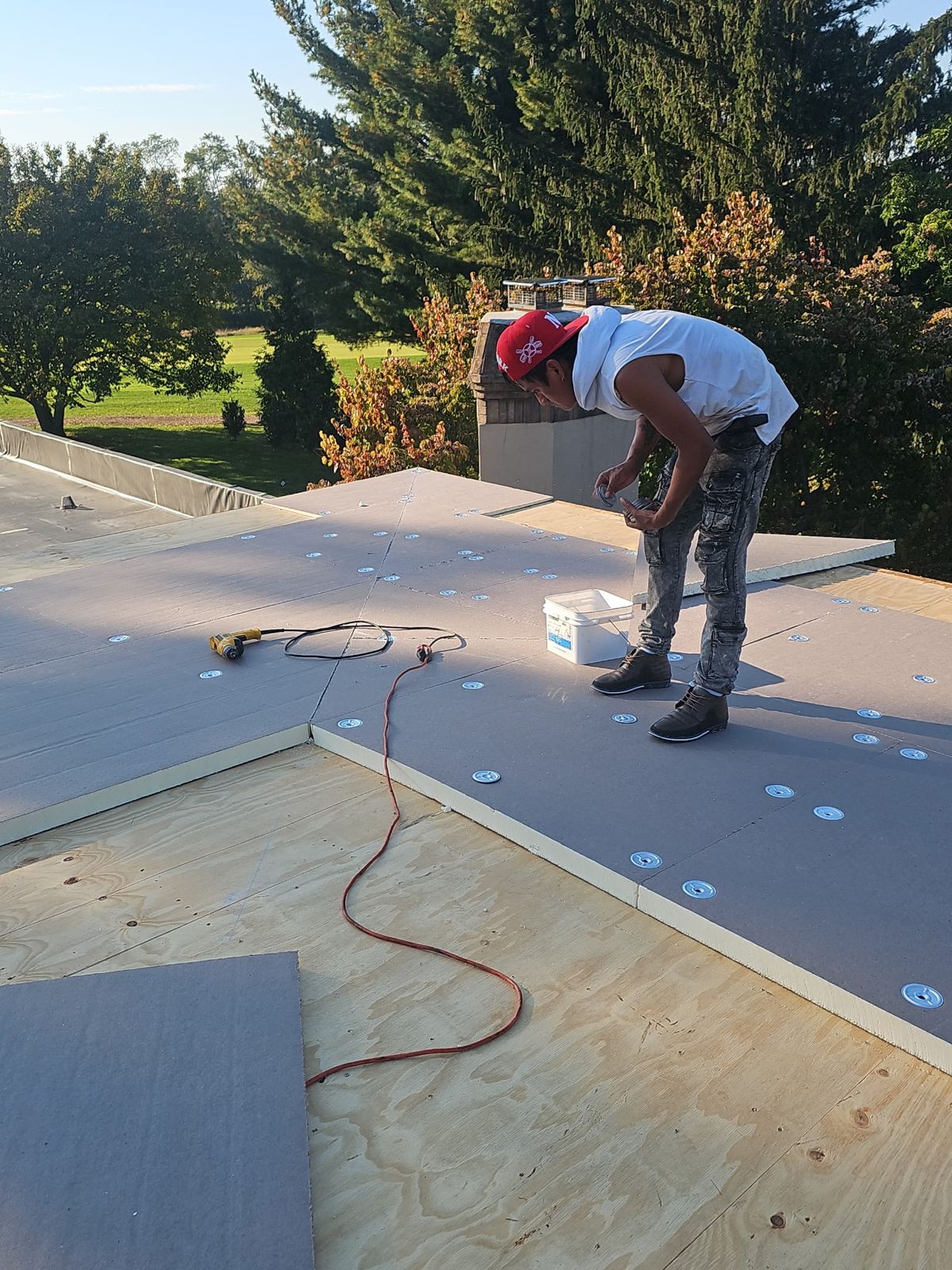
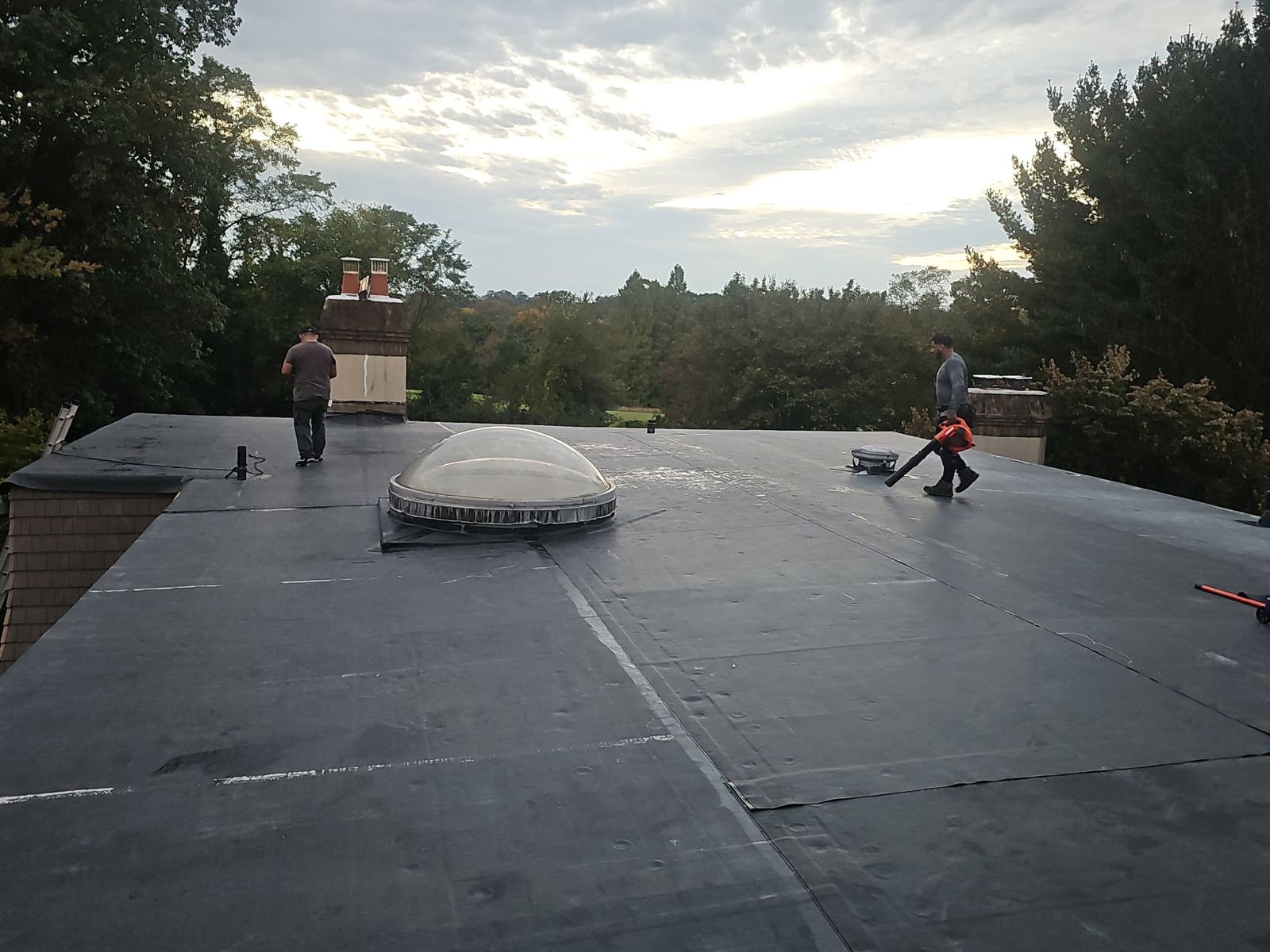
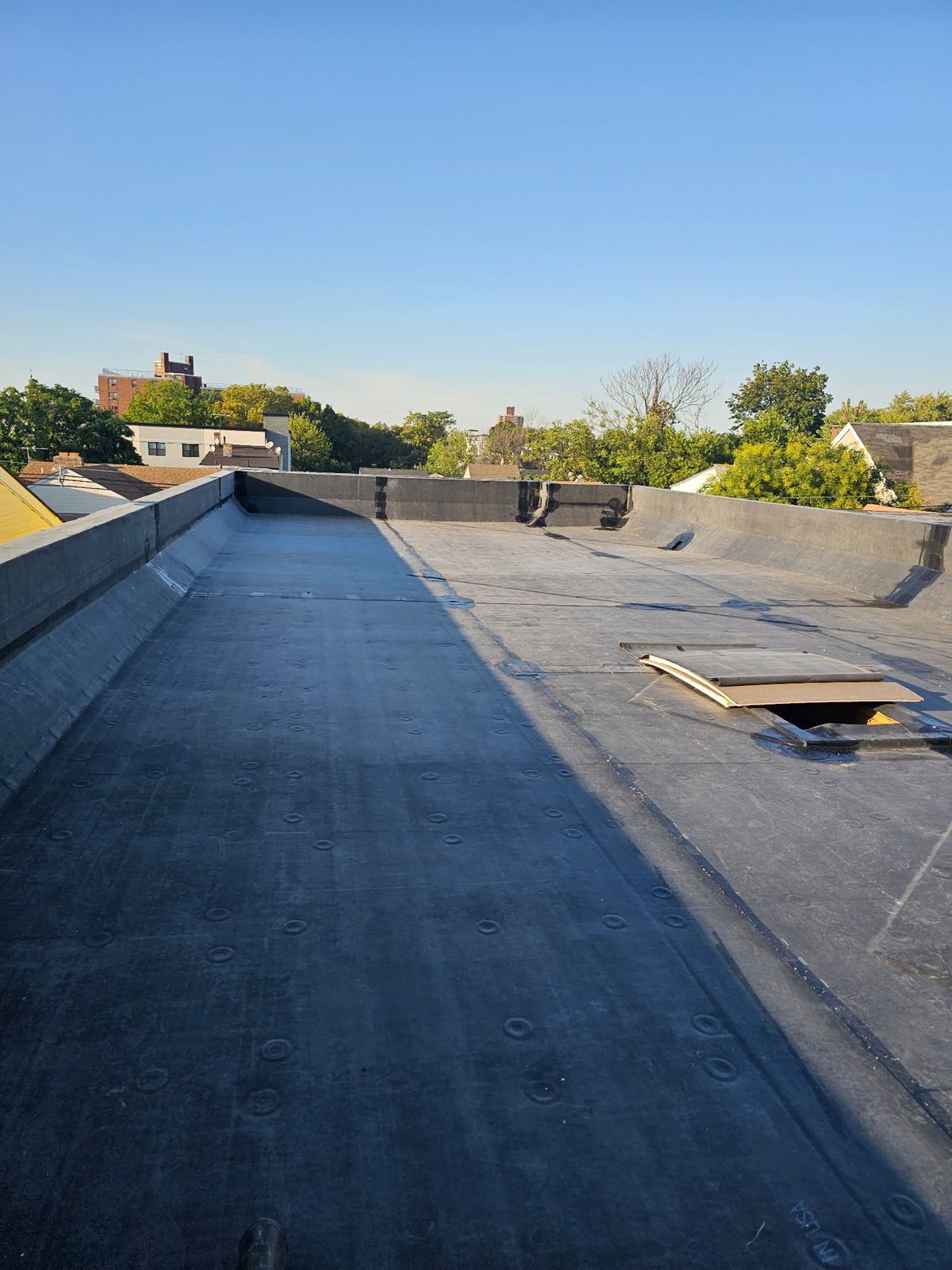
Many 1960s-era bungalows feature low-slope additions, porches, or flat roof sections that require specialized membrane systems. Standard shingles cannot be installed on slopes lower than 2:12 pitch due to water pooling risks. For low-slope applications, self-adhered multi-ply modified bitumen or single-ply membrane systems like EPDM and TPO provide watertight protection, welded or sealed seams, and high UV reflectivity.
- Class H wind-rated architectural shingles designed for coastal wind loads.
- Aluminum and copper flashings that eliminate rust stain and salt corrosion issues.
- Single-ply TPO and EPDM membranes for low-slope roof sections and porch transitions.
- Stainless steel fasteners to prevent fastener head degradation in salt air.
Timeline, Disruption Management, and Site Cleanup Protocols
Executing an efficient roof replacement requires detailed planning to minimize disruption to nearby properties and residents. Most residential replacements on coastal bungalows are completed within one to two working days, depending on structural repair requirements and weather conditions. Work begins with placing plywood and tarp protection over landscaping, decks, and windows to guard against falling debris during tear-off.
Debris disposal is managed using on-site dumpsters lined to prevent driveway damage. Throughout the removal and installation phases, magnetic sweepers are passed across the grounds, walkways, and driveways multiple times to pick up stray nails and metal scrap. After installation, a final technical inspection ensures all flashings, pipe boots, ridge vents, and shingle courses meet manufacturer specifications and structural guidelines.
- Ground and landscaping protection using rigid plywood covers and heavy tarps.
- Structured tear-off routines to control debris flow into containment units.
- Magnetic sweeping performed continuously to capture steel fasteners.
- Final walkthrough and quality audit covering all structural terminations.
Seaside Park questions we get asked
- Why is a full tear-off required instead of a shingle overlay in Seaside Park?
- A full tear-off is necessary in coastal settings to expose hidden moisture damage, rotted sheathing, and structural defects in the underlying deck. Coastal exposure in Seaside Park dictates durable asphalt or metal roofing on 1960s-era bungalows, resisting salt air corrosion, and an overlay prevents the installation of required waterproof underlayments and salt-resistant flashing.
- Which roofing materials handle salt air best in Seaside Park?
- High-wind architectural asphalt shingles with stainless steel fasteners and standing seam aluminum or copper metal roofing provide high resistance to salt air corrosion. Non-corrosive flashing metals are mandatory to prevent oxidation failures.
- How does Storm Guard Roofing handle insurance claims during a roof replacement?
- Storm Guard Roofing works directly with your insurance carrier. We provide detailed line-item loss documentation, meet with adjusters on-site, and ensure all damaged components, underlayment upgrades, and code requirements are included in the settlement.
- How long does a roof replacement take on a typical bungalow in Seaside Park?
- Most single-family bungalow replacements require one to two days to complete, including complete tear-off, decking repairs, underlayment installation, shingle application, and thorough site cleanup.
More in Seaside Park
Call (201) 403-0024 for a Seaside Park inspection, or send the form.