Mount Holly · Burlington County
Roofing Contractor Services in Mount Holly, New Jersey
Storm Guard Roofing provides residential and commercial roofing services throughout Mount Holly, New Jersey. As a family owned roofing contractor with over 25 years of field experience, our company handles everything from routine maintenance inspections to complete structural tear-offs and emergency storm damage repairs. We maintain full licensing and liability insurance in New Jersey, operating around the clock with 24/7 emergency response services. Property owners in Burlington County face varied weather conditions throughout the year, requiring durable roofing materials, proper ventilation, and precise flashings. If your property needs minor repairs to stop an active leak or a total roof overhaul, our crew delivers technical precision tailored to the specific construction styles found across Mount Holly. Call (201) 403-0024 to discuss your project or schedule an on-site evaluation.
Evaluating Mount Holly Roof Architecture and Structural Requirements
Mount Holly features a distinct mix of historic rowhouses and frame homes with shared chimneys and low-slope rear roofs. These structural combinations present specific waterproofing challenges that general repair methods cannot address. Shared masonry chimneys require meticulously stepped aluminum or copper lead flashing tucked into the mortar joints to prevent water from migrating between attached structures. Where historic wood-frame construction meets adjacent properties, ice and water shields must be extended across common roof lines to prevent wind-driven rain from penetrating the interior framing.
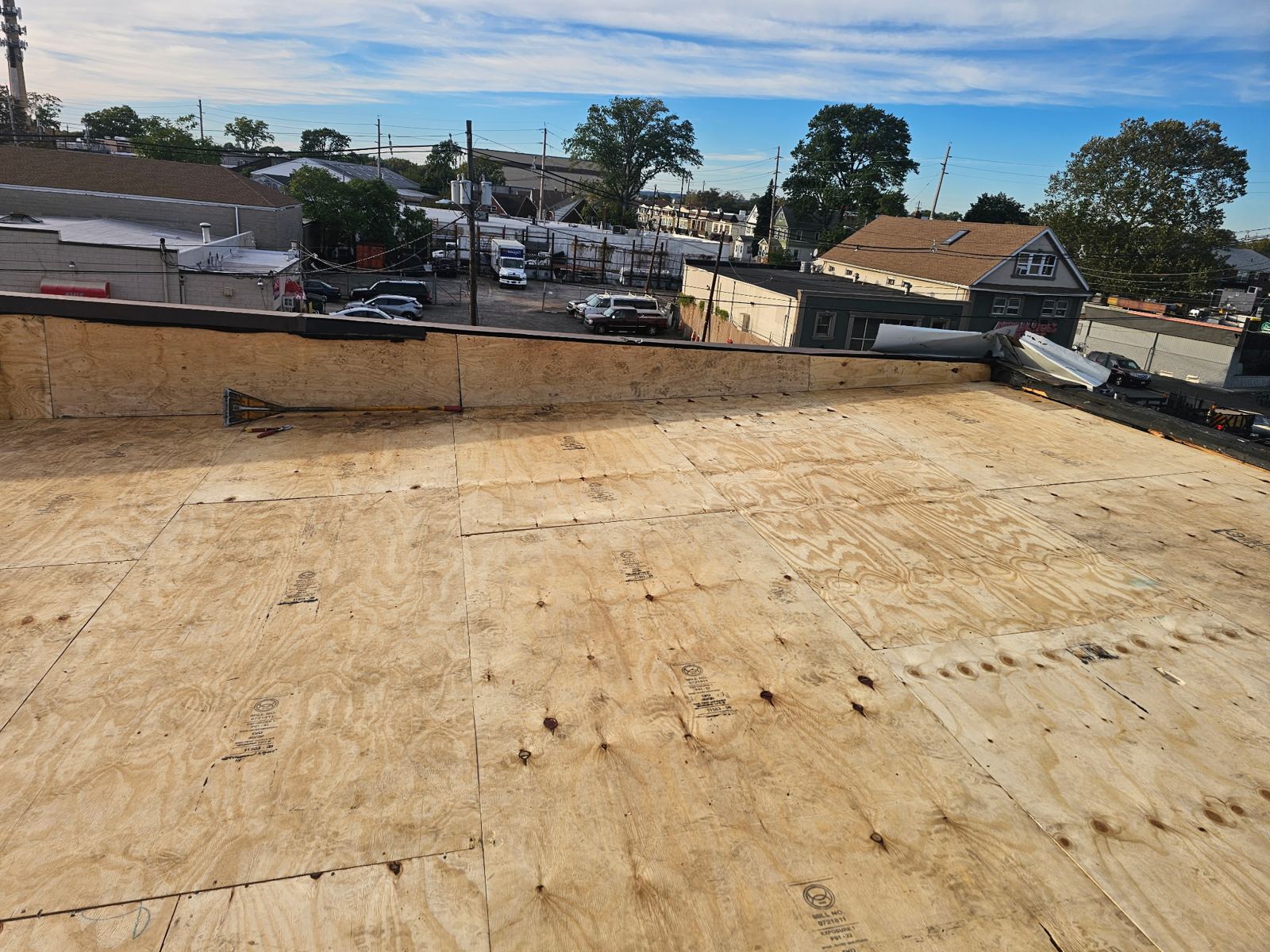
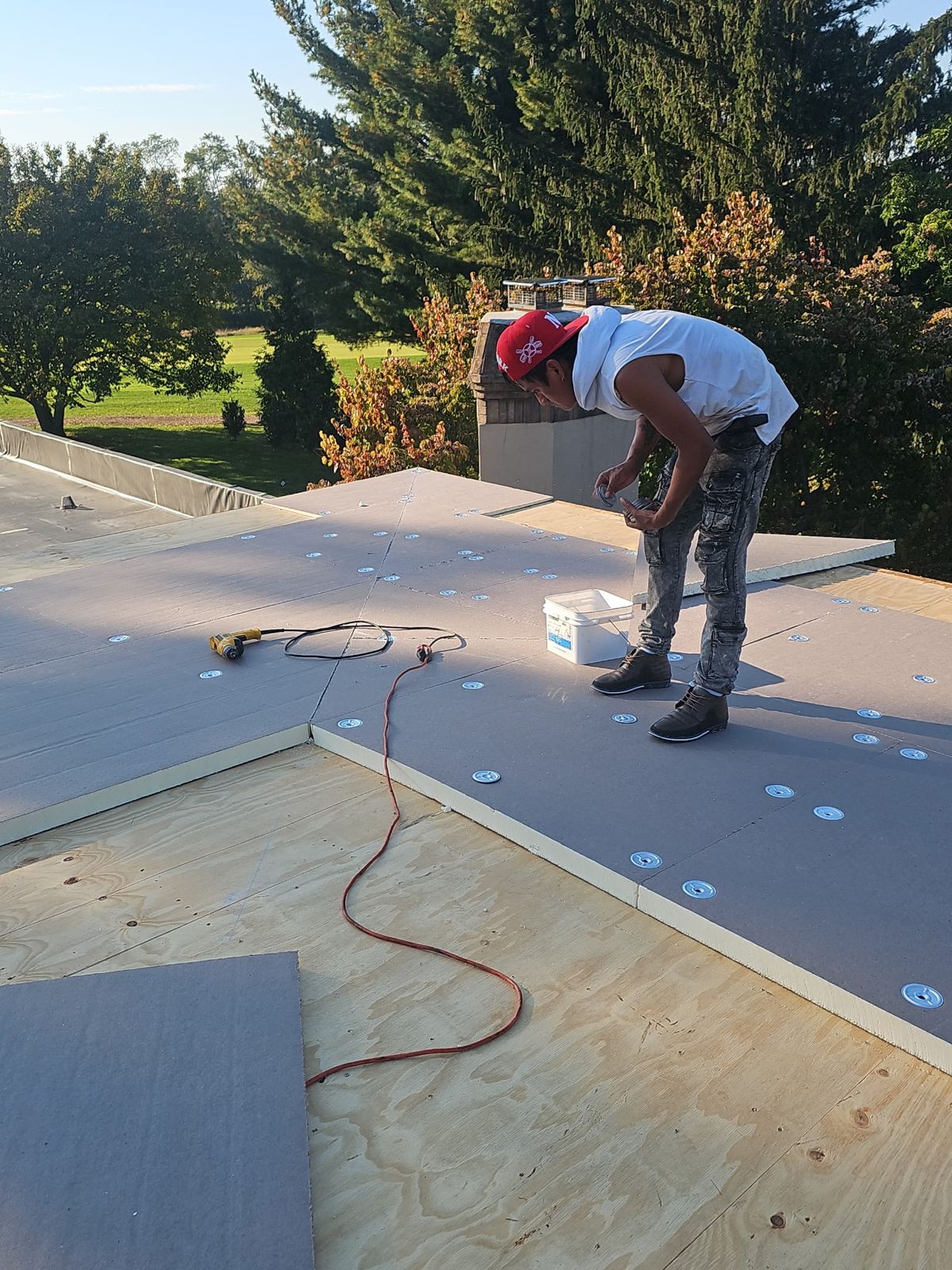
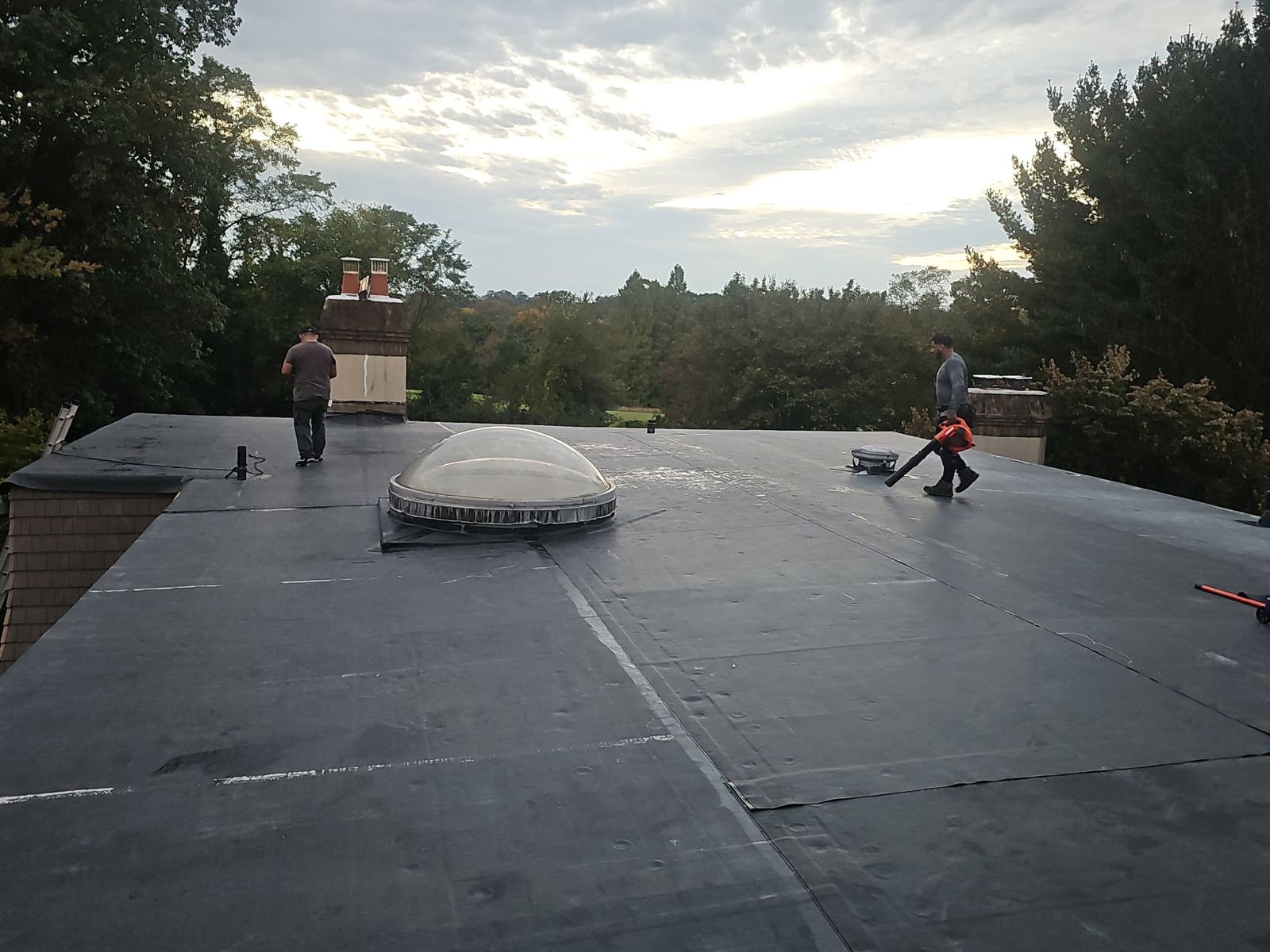
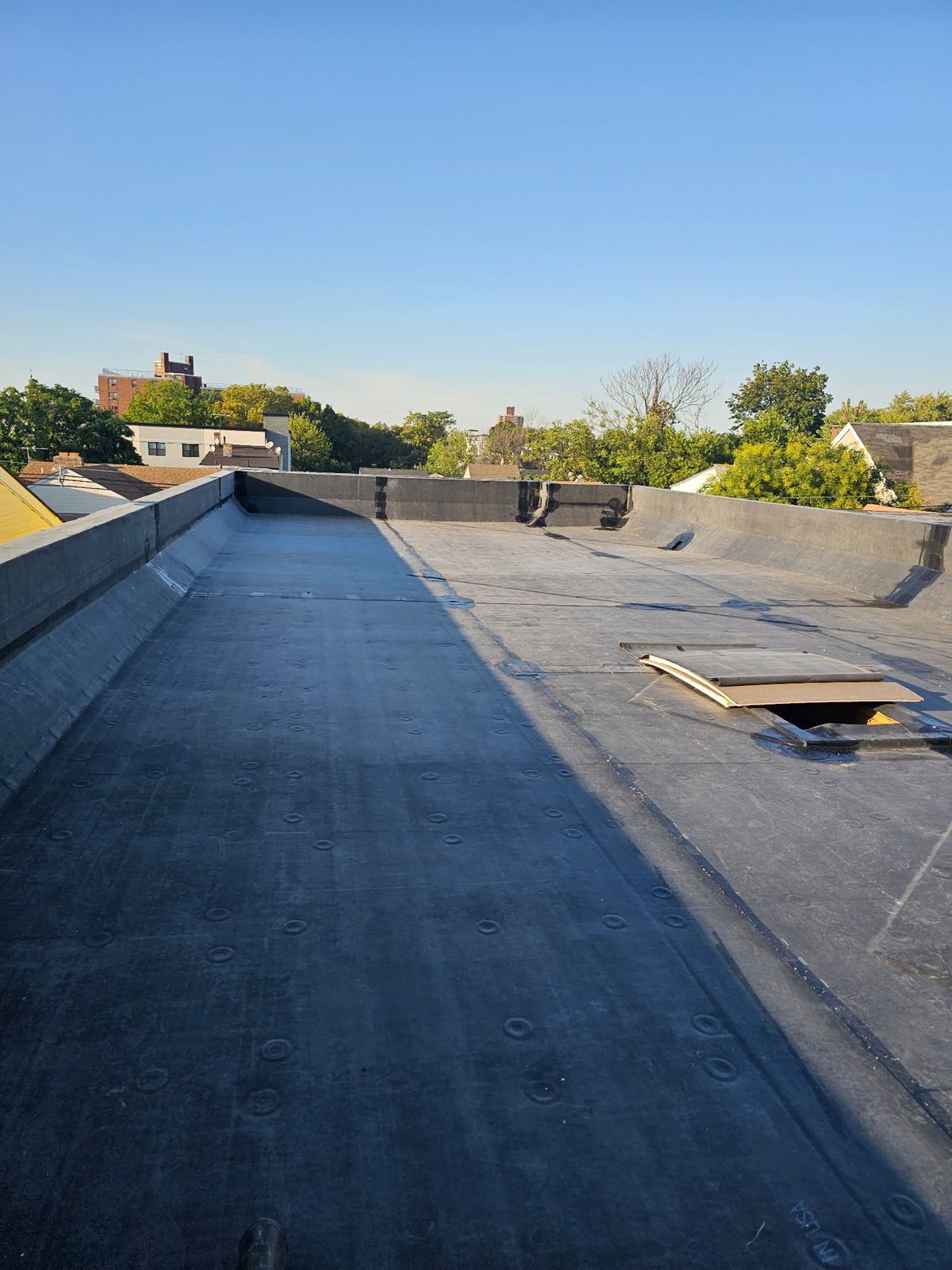
The low-slope rear roofs frequently found on historic rowhouses and frame additions in Mount Holly require specialized material selection. Standard architectural shingles installed on slopes below 2:12 pitch will capture standing water and fail prematurely. For these sections, a qualified roofing contractor installs single-ply membrane systems such as EPDM or TPO, or multi-ply modified bitumen membranes with heat-welded or cold-applied adhesive seams. Proper pitch transitions between steep-slope primary roofs and low-slope rear extensions are critical. We install perimeter metal edge details and heavy-duty underlayment at these transition zones to handle heavy snow accumulation and rain runoff.
- Shared chimney flashing integrated directly into historic brick mortar joints.
- Low-slope membrane systems engineered for rear additions and shallow porches.
- Double-underlayment protection along eaves, valleys, and common wall party seams.
- Ice dam prevention along gutter lines using self-adhering modified polymer sheets.
Roof Inspections and Moisture Detection Protocols in Mount Holly
Comprehensive roof evaluations require a systematic examination of surface materials, structural decking, and attic ventilation paths. A professional roofing contractor does not rely solely on ground-level visual assessments. In Mount Holly homes, moisture often travels along roof rafters far from the entry point before dripping onto ceiling drywall. Our inspection protocol involves probing fascia boards, assessing soffit airflow, checking chimney counter-flashing, and documenting structural sag along ridge lines.
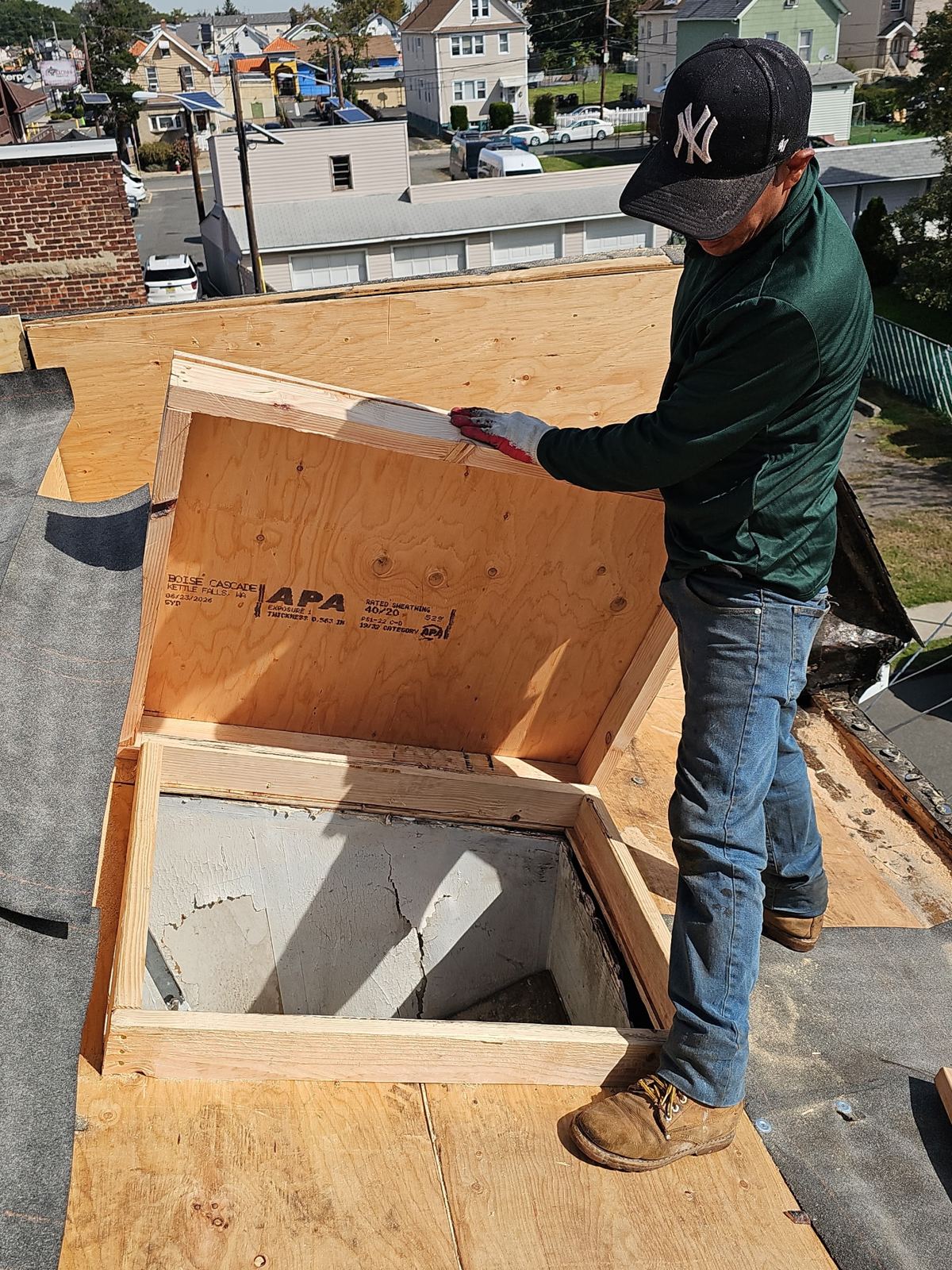
Early detection of substrate rot saves property owners significant expense during roof replacement. During our multi-point evaluation, we inspect the underside of the roof deck from inside the attic space whenever accessible. We check for rusted fasteners, mold growth, water-stained plywood or tongue-and-groove decking, and inadequate insulation clearance near soffit vents. After severe weather events, prompt physical inspections identify displaced shingles, cracked vent boots, and hail impacts before moisture causes hidden timber decay.
- Detailed surface checks of shingle granule loss, thermal splitting, and edge curling.
- Internal attic evaluations to confirm balance between ridge vents and soffit intake.
- Structural decking checks to identify soft OSB or rotted historic wood planks.
- Written photographic documentation outlining recommended repairs or full replacement options.
Selecting Roofing Materials for Burlington County Climate Conditions
Selecting roof coverings for Mount Holly properties demands attention to wind uplift ratings, impact resistance, and thermal performance. Architectural asphalt shingles remain the most common choice for steep-slope roofs due to their multi-layered design and heavy weight. Polymer-modified shingles offer enhanced flexibility during freeze-thaw cycles common to Burlington County winters, reducing the likelihood of cracking under thermal shock.
Metal roofing systems and standing-seam panels offer high durability for specific architectural designs, especially low-slope areas or historic accents. For flat and low-slope rear roofs on local rowhouses, EPDM rubber membranes provide excellent resistance to UV degradation and extreme temperature shifts. Choosing high-grade synthetic underlayments instead of traditional felt paper adds an extra moisture barrier that resists tear-off during high wind events. Our team guides property owners through material technical sheets so you can select the right product line for your structure.
- Class 4 impact-resistant asphalt shingles for superior hail and debris protection.
- EPDM synthetic rubber and TPO membranes for low-slope rear roof sections.
- Heavy-duty synthetic underlayment providing 100 percent water resistance under primary roofing.
- Color-matched drip edges and pipe boots designed to withstand intense UV exposure.
Navigating Mount Holly Building Permits and Code Requirements
Replacing a roof in Mount Holly requires strict compliance with New Jersey Uniform Construction Code standards and local municipal permit rules. A legitimate roofing contractor handles the entire administrative process, securing necessary building permits from the local construction office before work begins. Permits ensure that structural tear-offs, deck replacements, and underlayment installations adhere to established safety and fire codes.
Local codes dictate specific requirements regarding the maximum number of shingle layers allowed on a residential structure. While code may allow up to two layers in limited circumstances, complete tear-offs are standard best practice for long-term reliability. Removing old shingles exposes hidden rotted decking, allows installation of modern ice and water membranes, and satisfies manufacturer warranty specifications. Once installation is complete, official code inspections verify that the framing, venting, and moisture barriers conform to code standards.
- Complete management of Mount Holly construction permit paperwork and submittals.
- Adherence to New Jersey Uniform Construction Code ice barrier and decking guidelines.
- Verification of structural load limits prior to installing heavyweight roofing products.
- Scheduling required municipal inspections upon job completion.
Insurance Claim Management and Emergency Roof Repairs
High winds, severe storms, and falling tree limbs can damage roofing systems without warning. Storm Guard Roofing operates a 24/7 emergency response service to protect Mount Holly homes when unexpected structural breaches occur. Our emergency crews secure damaged areas using heavy-duty tarps, preventing rainwater from ruining interior finishes, electrical systems, and personal property while permanent repairs are planned.
Navigating insurance claims after storm damage can be challenging for homeowners. As an experienced roofing contractor, we assist you through the insurance claim process from initial assessment to final sign-off. We provide itemized damage estimates, high-resolution photographs, and technical explanations required by insurance adjusters. We work directly with your insurance carrier to ensure that all necessary scope of work items, including historic flashing matching and complete low-slope membrane replacements, are documented accurately.
- 24/7 emergency dispatch for temporary tarping and structural stabilization.
- Comprehensive photographic damage reports for insurance adjuster submittals.
- Detailed line-item estimates formatted for quick carrier review and approval.
- Full repair or replacement execution following claim settlement.
How to Choose a Qualified Roofing Contractor in Mount Holly
Hiring the right contractor requires evaluating technical credentials, local experience, and legal compliance rather than selecting the lowest bid. Homeowners in Mount Holly must verify that a company carries an active New Jersey Home Improvement Contractor license and maintains adequate general liability and workers compensation coverage. Unlicensed or underinsured contractors put the property owner at risk for liability if an injury or property damage occurs on site.
Look for a company with a physical local presence and deep familiarity with regional building types, such as historic rowhouses and frame homes with shared chimneys and low-slope rear roofs. Ask direct questions about who will supervise the project, how site cleanup is performed, and what specific materials will be used at flashings and eaves. A reliable roofing contractor provides clear written contracts outlining material specifications, project timelines, payment schedules, and clean-up procedures.
- Verification of active New Jersey contractor registration and complete insurance coverage.
- Direct experience working on historic rowhouses and specialized low-slope roof systems.
- Detailed, written scopes of work without hidden fees or vague material descriptions.
- Dedicated job-site management to ensure clean and safe working conditions.
Mount Holly questions we get asked
- What structural details are typical for historic rowhouses in Mount Holly?
- Historic rowhouses and frame homes with shared chimneys and low-slope rear roofs are common across Mount Holly. These designs require extra care at shared masonry seams, specialized low-slope membranes like EPDM or TPO on rear additions, and continuous lead or metal flashing along common party walls.
- How does a roofing contractor secure building permits in Mount Holly?
- A licensed roofing contractor submits detailed project specifications, including structural deck details and shingle choices, to the Mount Holly construction office. The contractor manages the application, pays the municipal fee, posts the permit at the site, and arranges required final municipal inspections after installation.
- Why is a complete roof tear-off recommended over re-shingling?
- A complete tear-off allows the roofing contractor to inspect the underlying wood decking for rot, replace damaged plywood or timber boards, and install mandatory ice and water shields. Installing new shingles over old materials traps moisture, adds unnecessary weight, and often voids manufacturer material warranties.
- What immediate steps should I take if my roof develops an emergency leak?
- Call Storm Guard Roofing at (201) 403-0024 for 24/7 emergency response. Move valuable belongings away from the leak area, collect dripping water in buckets, and avoid entering the attic space if ceiling drywalls are sagging to prevent injury.
More in Mount Holly
Call (201) 403-0024 for a Mount Holly inspection, or send the form.