Ridgefield · Bergen County
Roofing Contractor Services in Ridgefield, New Jersey
Storm Guard Roofing provides full-service roofing contractor solutions for residential and commercial properties throughout Ridgefield, New Jersey. As a family-owned business with over 25 years of experience, we deliver direct technical assessments, repair work, full tear-offs, and complete replacements. Our team operates with full state licensing and insurance, maintaining a 24/7 emergency response service to handle sudden structural breaches, severe leaks, or storm damage. From evaluating aging surface materials to managing complex insurance claims, we provide factual, objective guidance for property owners maintaining structural integrity in Bergen County. Call (201) 403-0024 to speak directly with our team or schedule a comprehensive site evaluation.
Technical Roof Inspections for Ridgefield Properties
Systematic physical inspections identify minor flashing failures, substrate rot, and membrane degradation before internal structural damage occurs. In Ridgefield, where the local building stock frequently includes hillside two-family homes with flat rear roofs and interior drainage tie-ins, proper water diversion is critical. Slope transitions on these multi-family properties present high-stress points where asphalt shingles meet flat low-slope roofing systems like EPDM or modified bitumen. An inspection evaluates these joints, along with roof decks, fascia, soffits, and underlying plywood.
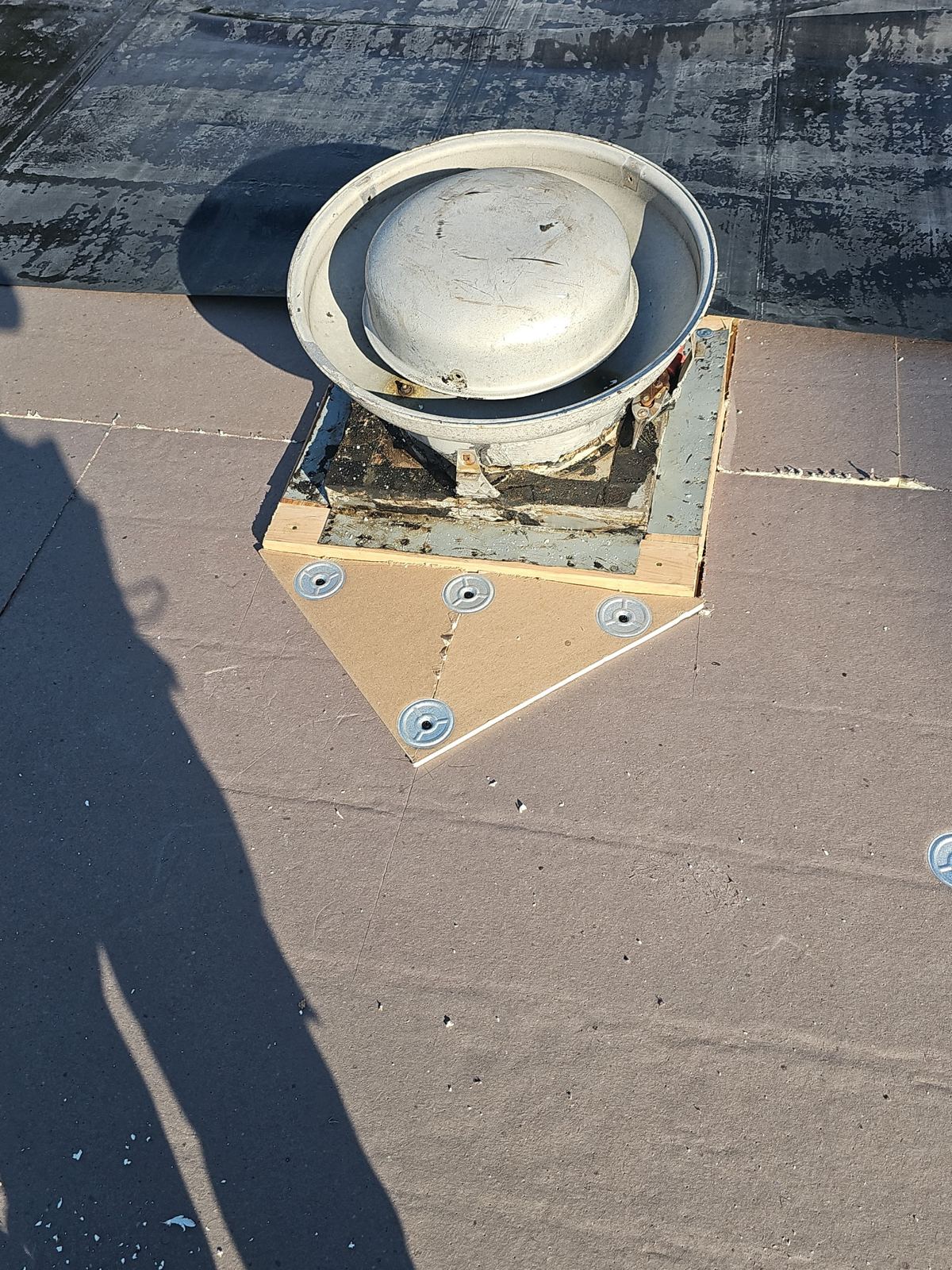
Our physical evaluation checks scuppers, internal drains, perimeter edge metals, and step flashing around chimneys or sidewalls. Interior drainage tie-ins require dedicated maintenance because clogged or misaligned internal pipes lead to back-ups that collect on flat rear roof sections. Identifying ponding water, compromised seams, or loose gravel surfacing during an inspection prevents sudden ceiling collapses and costly emergency repairs.
- Assessment of slope-to-flat roof transitions on hillside two-family structures.
- Physical inspection of interior drainage tie-ins and rear scupper openings.
- Checking asphalt shingle seal strips, ridge caps, and underlayment conditions.
- Direct reporting on deck stiffness, flashing wear, and moisture penetration.
Roofing Material Options Suited for Ridgefield Building Designs
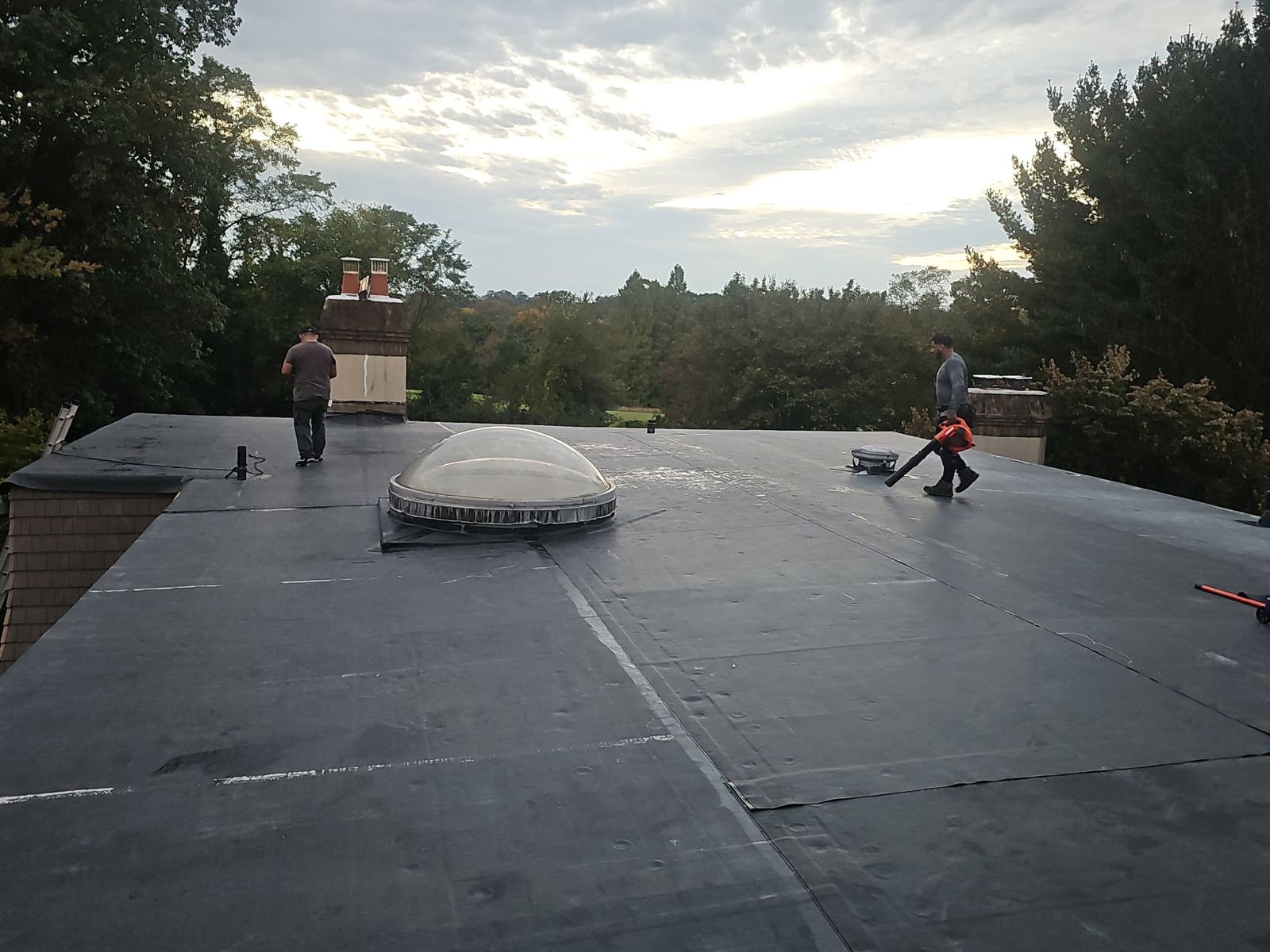
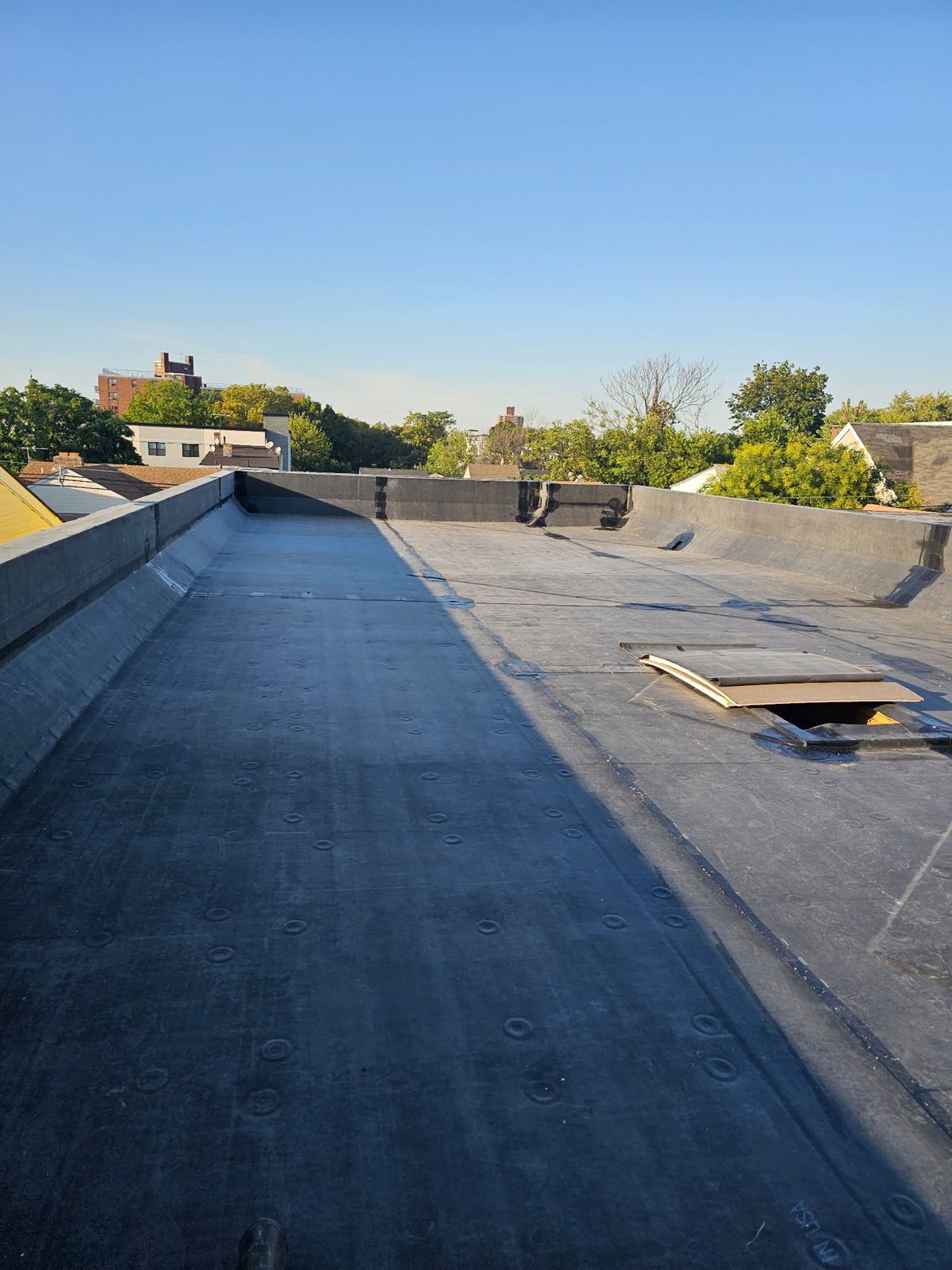
Selecting appropriate materials requires matching system specifications to the architectural profile and roof pitch of the building. Architectural fiberglass asphalt shingles remain a standard choice for steep-slope roofs in Ridgefield, offering reliable wind resistance and multi-layered impact protection. For low-slope or flat rear roof sections, synthetic rubber EPDM membranes, TPO single-ply systems, and multi-ply modified bitumen provide continuous waterproof barriers.
Transitioning between pitched front roofs and flat rear sections on hillside properties demands compatible flashings and termination bars. Modified bitumen and EPDM systems handle standing water risks better than traditional shingles, making them mandatory for low-slope extensions. Incorporating synthetic underlayments beneath shingles adds an extra water-resistant layer, protecting structural decking from wind-driven rain and ice dam formation along the eaves.
- Architectural asphalt shingles for pitched residential roofs.
- EPDM and modified bitumen membranes for flat rear sections and low-slope decks.
- Heavy-duty aluminum and copper flashings for sidewalls, valleys, and chimneys.
- High-density ice and water shield membranes along eaves and low-pitch transitions.
Navigating Permits and Municipal Codes in Ridgefield
Undertaking a full roof replacement or major structural overhaul requires strict adherence to local New Jersey building codes and municipal permit requirements. A licensed roofing contractor submits detailed project specifications, material safety sheets, and scope of work documentation to the local building department before starting construction. Securing these permits ensures that ice barrier requirements, underlayment rules, and continuous ventilation standards meet state and local building codes.
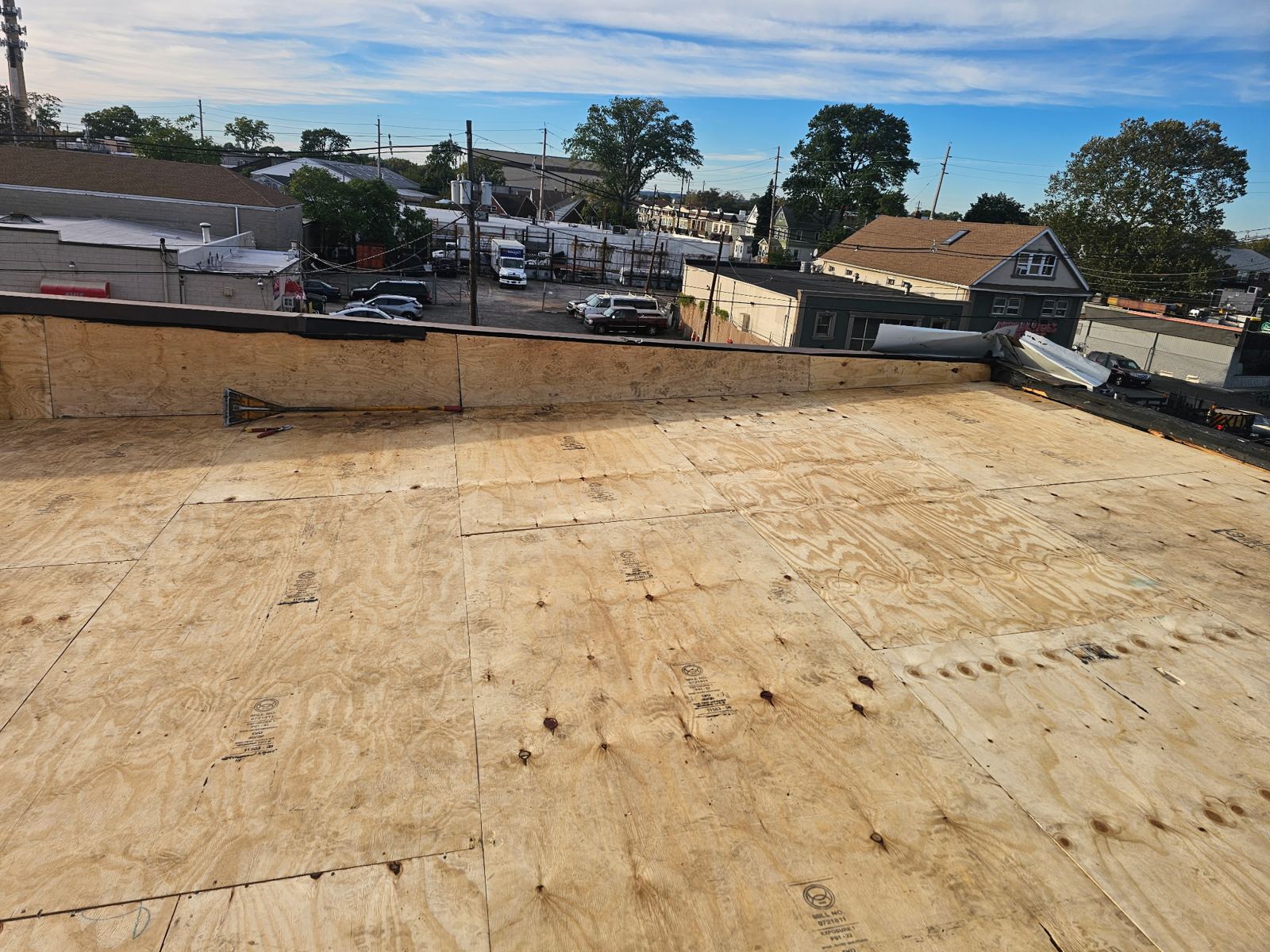
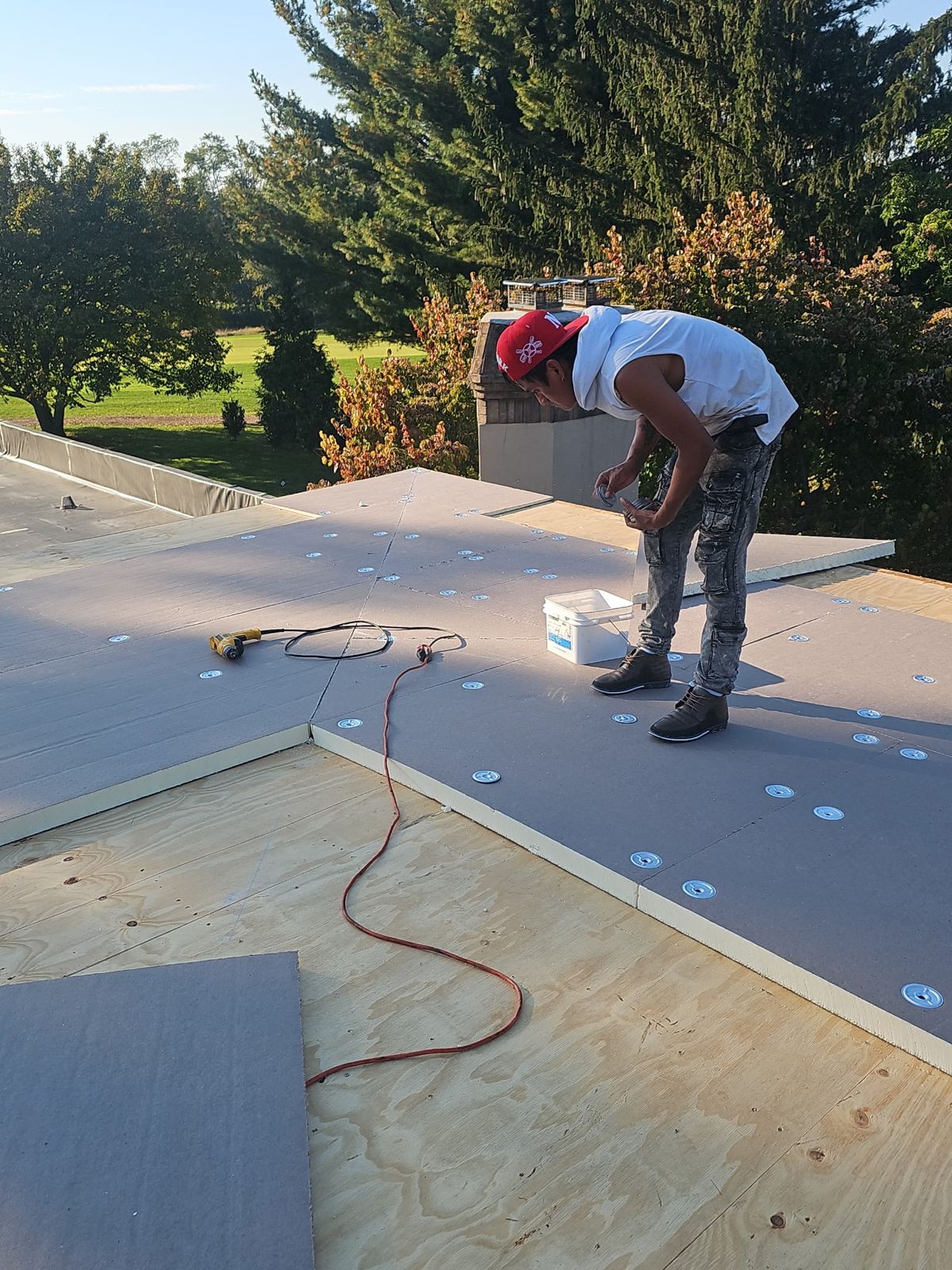
Municipal inspections occur during key phases of construction, particularly verifying deck condition after complete tear-off and confirming proper flashing installation around roof penetrations. Handling the permitting process directly protects property owners from administrative fines, illegal installations, and future real estate transaction delays. Compliance with local codes also ensures that structural modifications, such as converting exterior drainage to interior drainage tie-ins or adding deck insulation, meet safety specifications.
- Complete preparation and submission of local municipal permit applications.
- Site coordination for required municipal building inspections post-tear-off.
- Adherence to New Jersey uniform construction code requirements for ice barriers.
- Verification that drainage systems meet local storm water runoff regulations.
Emergency Repairs and Insurance Claim Assistance in Ridgefield
Severe weather events bring high winds, hail, and heavy rainfall that compromise roof membranes and dislodge shingles. Storm Guard Roofing maintains a 24/7 emergency response team to stabilize damaged structures, apply temporary tarps, and prevent immediate interior water infiltration. Following stabilization, a thorough technical assessment documents the exact scope of storm damage for property owners preparing to submit an insurance claim.
Navigating insurance claims requires detailed documentation, line-item repair estimates, and objective photo evidence showing wind uplift, hail impact marks, or fallen debris damage. As an experienced roofing contractor, we assist property owners by meeting directly with insurance adjusters on site to point out structural damage, compromised underlayment, and flat roof membrane punctures. Handling these technical discussions helps ensure the final repair plan covers all necessary structural restorations.
- Immediate 24/7 emergency dispatch for temporary tarping and structural sealing.
- On-site consultation with insurance adjusters to review structural damage.
- Itemized repair estimates matching standard industry insurance pricing platforms.
- Reconstruction of compromised rear flat roofs, interior drain lines, and shingle slopes.
How to Evaluate a Roofing Contractor in Ridgefield
Selecting a local contractor involves verifying specific operational credentials, state licenses, and local experience. Property owners should require proof of active New Jersey Home Improvement Contractor licensing and full liability and workers' compensation coverage. Working with an insured contractor eliminates property owner liability for accidental injuries or structural damage during the project.
Evaluate a contractor's technical familiarity with local housing stock, such as hillside two-family homes with flat rear roofs and interior drainage tie-ins. General experience with simple single-family shingle replacement does not automatically qualify a team to manage interior drain tie-ins or low-slope rubber membrane seam welds. Requesting detailed, written scopes of work detailing tear-off procedures, material brands, flashing metals, and cleanup protocols allows property owners to accurately compare proposals.
- Verification of New Jersey contractor licensing and active insurance coverage.
- Demonstrated technical skill with low-slope systems and interior drain tie-ins.
- Provision of line-item written proposals detailing material specifications and labor.
- Established local presence with over 25 years of family-owned operation in New Jersey.
Ridgefield questions we get asked
- How do flat rear roofs on hillside two-family homes in Ridgefield affect roof replacement requirements?
- Hillside two-family homes with flat rear roofs require low-slope roofing membranes like EPDM or modified bitumen rather than standard shingles. The transition between the pitched front roof and the flat rear section must be sealed with custom metal flashing, and interior drainage tie-ins must be checked for proper flow to prevent water pooling along the rear wall.
- Does a roofing contractor need to pull a permit for a roof replacement in Ridgefield?
- Yes, full roof replacements and major structural repairs in Ridgefield require a building permit from the local construction department. Storm Guard Roofing manages the permit application process, submits structural documentation, and schedules the necessary municipal inspections.
- How quickly can Storm Guard Roofing respond to an emergency roof leak in Ridgefield?
- Storm Guard Roofing provides 24/7 emergency response for urgent leaks, storm damage, and structural breaches. Our crew dispatches to the property to install temporary protective tarps and prevent further interior water damage before permanent repairs begin.
- What steps are involved when handling a roof insurance claim in Ridgefield?
- The process begins with an immediate inspection to document damage and secure the site. We provide a detailed itemized estimate, coordinate directly with your insurance adjuster during their physical walk-through, and perform all repairs according to municipal building codes once the claim scope is approved.
More in Ridgefield
Call (201) 403-0024 for a Ridgefield inspection, or send the form.