River Edge · Bergen County
River Edge Roofing Services & Local Installation Standards
Storm Guard Roofing provides residential roofing services in River Edge, New Jersey. As a family-owned business with over 25 years of local field experience, our company operates with full state licensing and insurance coverage to protect properties across Bergen County. Homeowners in River Edge manage distinct structural configurations, particularly the 1950s capes and colonials that form much of the local housing stock. These properties feature specific architectural traits, such as short eaves and gutters loaded by mature trees, which require targeted maintenance and installation practices. When severe weather impacts North Jersey, our crew provides 24/7 emergency response to stabilize damaged structures and prevent interior water intrusion. Call our office at (201) 403-0024 to discuss structural evaluations, scheduled maintenance, or complete replacements. Hiring an experienced roofing contractor ensures that every project meets state building codes while addressing the environmental factors present in River Edge neighborhoods.
Evaluating Roof Infrastructure on River Edge Capes and Colonials
River Edge residential neighborhoods feature a high concentration of 1950s capes and colonials. These homes were constructed with specific structural layouts, including short overhangs at the eave line and framing configurations standard to that decade. Over time, these structural choices interact with the local canopy. Because mature trees overhang many residential lots in River Edge, falling leaves, twigs, and organic debris collect rapidly in gutters and along the lower roof edge. When gutters fill, water backups occur along the short eaves, forcing moisture under the initial courses of shingles and threatening the wooden fascia boards, soffits, and roof decking underneath.
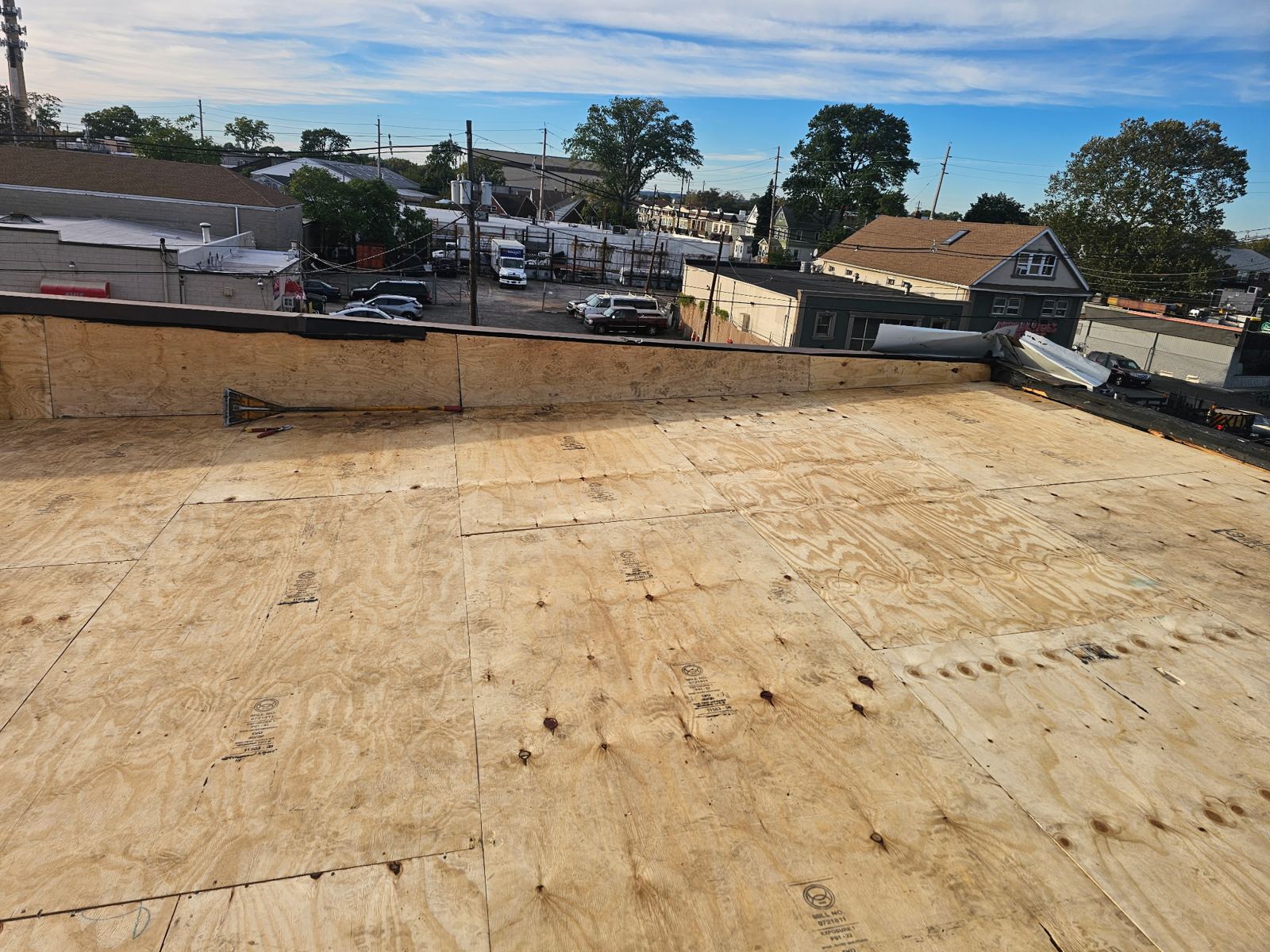
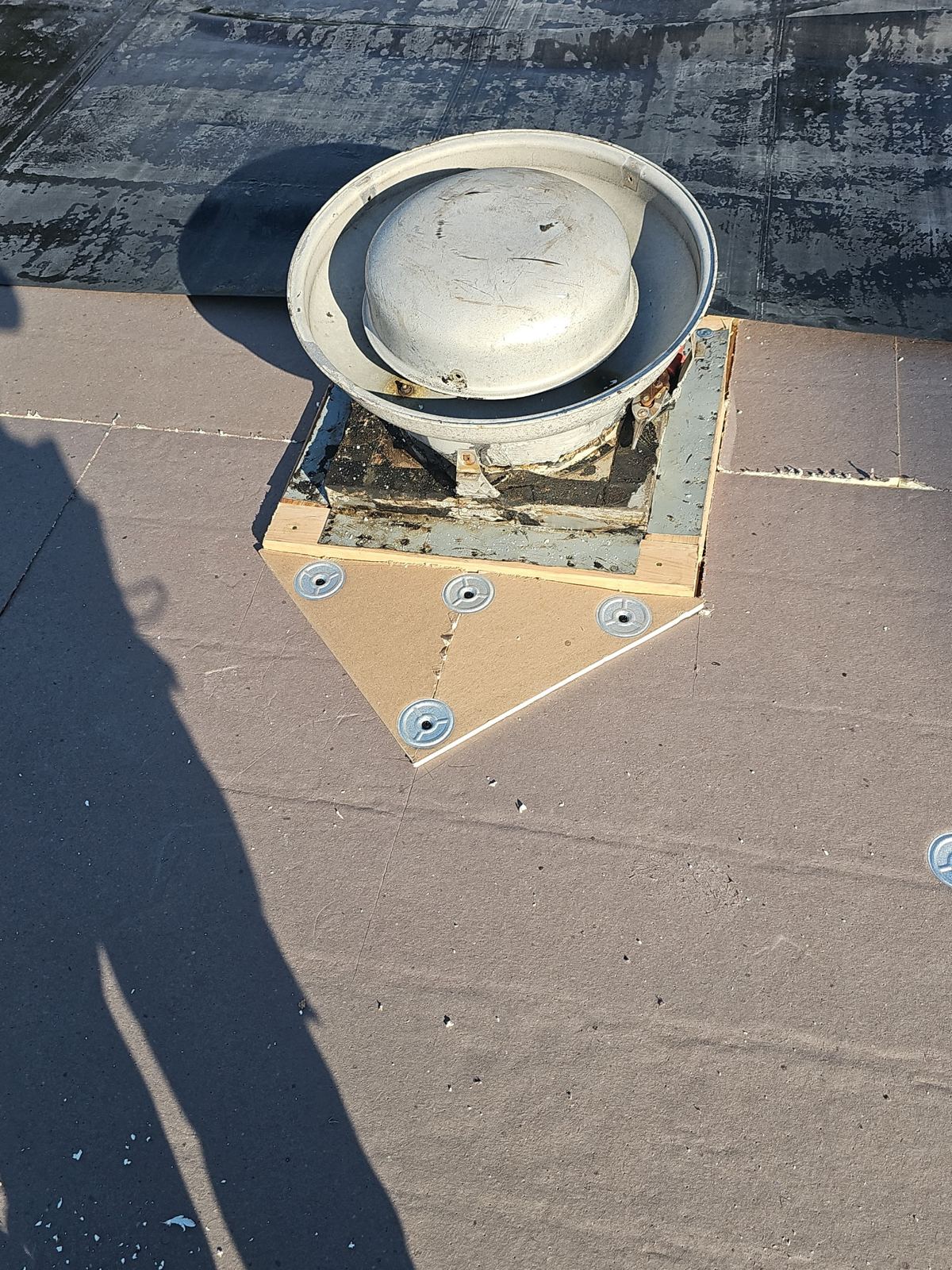
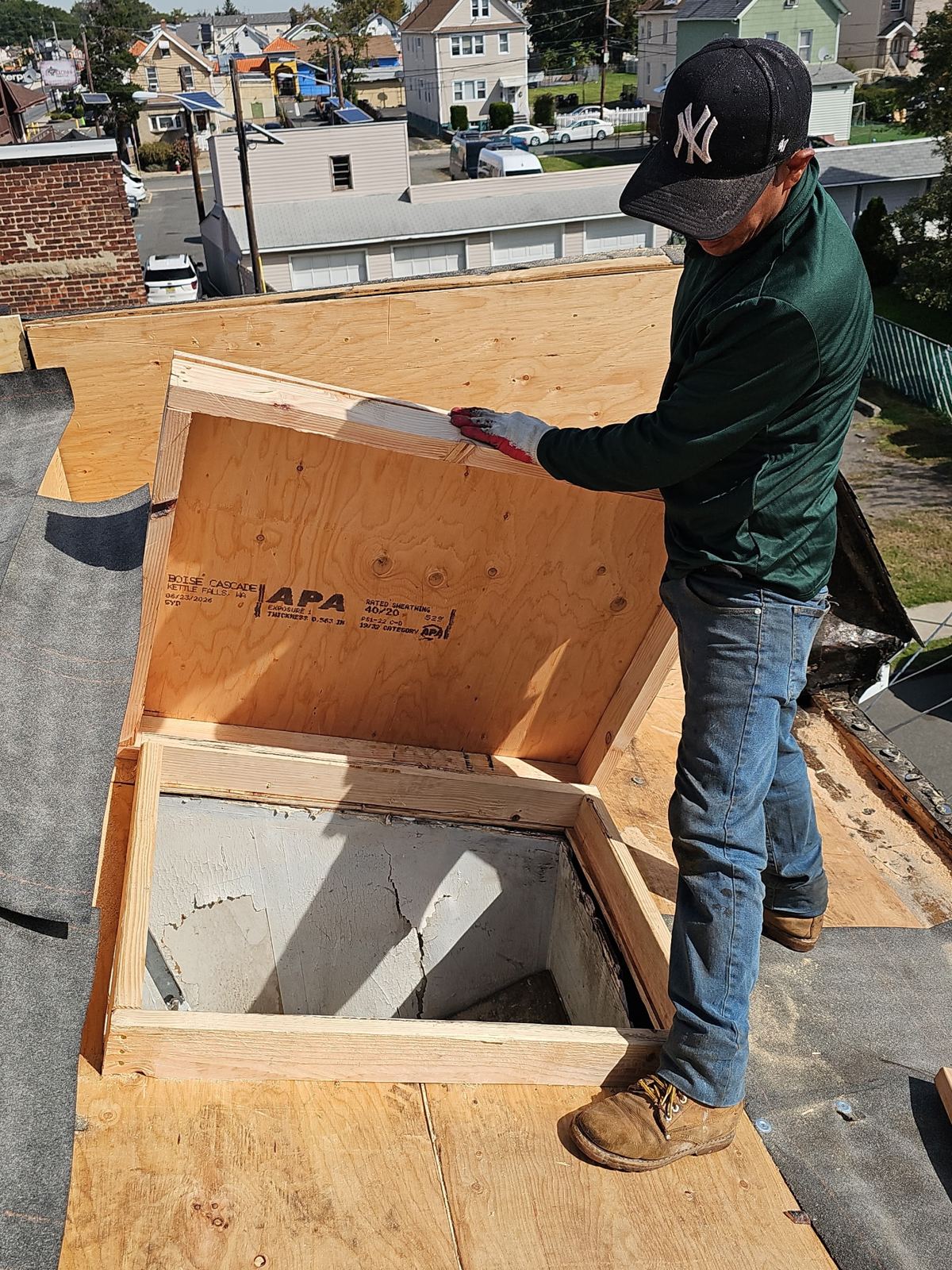
A thorough physical inspection by a qualified roofing contractor examines the entire exterior envelope to identify early signs of deterioration before structural rot develops. During an inspection, technicians evaluate the condition of plywood or tongue-and-groove decking beneath the shingle layers. On mid-century homes, repeated moisture exposure near short eaves often leads to soft spots in the wooden deck. Inspectors examine flashing details around chimneys, sidewalls, and pipe boots, checking for sealant degradation or metal fatigue. Interior attic inspections assess ventilation airflow, insulation levels, and rafter conditions to confirm the attic space releases heat and moisture efficiently.
- Checking low-eave zones for wood rot caused by gutter overflow from mature tree debris.
- Inspecting step flashing along dormers and sidewalls common on colonial and cape designs.
- Assessing attic intake and exhaust ventilation to prevent moisture condensation and ice damming.
- Evaluating the integrity of wooden roof sheathing beneath existing shingle courses.
Material Selection and Installation Standards for Local Properties
Selecting materials for a roof replacement in River Edge involves matching component specifications to local climate demands. North Jersey experiences seasonal freeze-thaw cycles, high humidity in summer, and heavy rainfall during storm events. Architectural asphalt shingles are the primary material used on local homes due to wind resistance ratings and layered fiberglass mat construction. Heavyweight asphalt shingles provide dimensional stability against thermal expansion and impact from falling tree branches. Modern shingle lines feature algae-resistant granules, which help maintain clean surfaces under dense tree canopies where shade holds surface moisture.
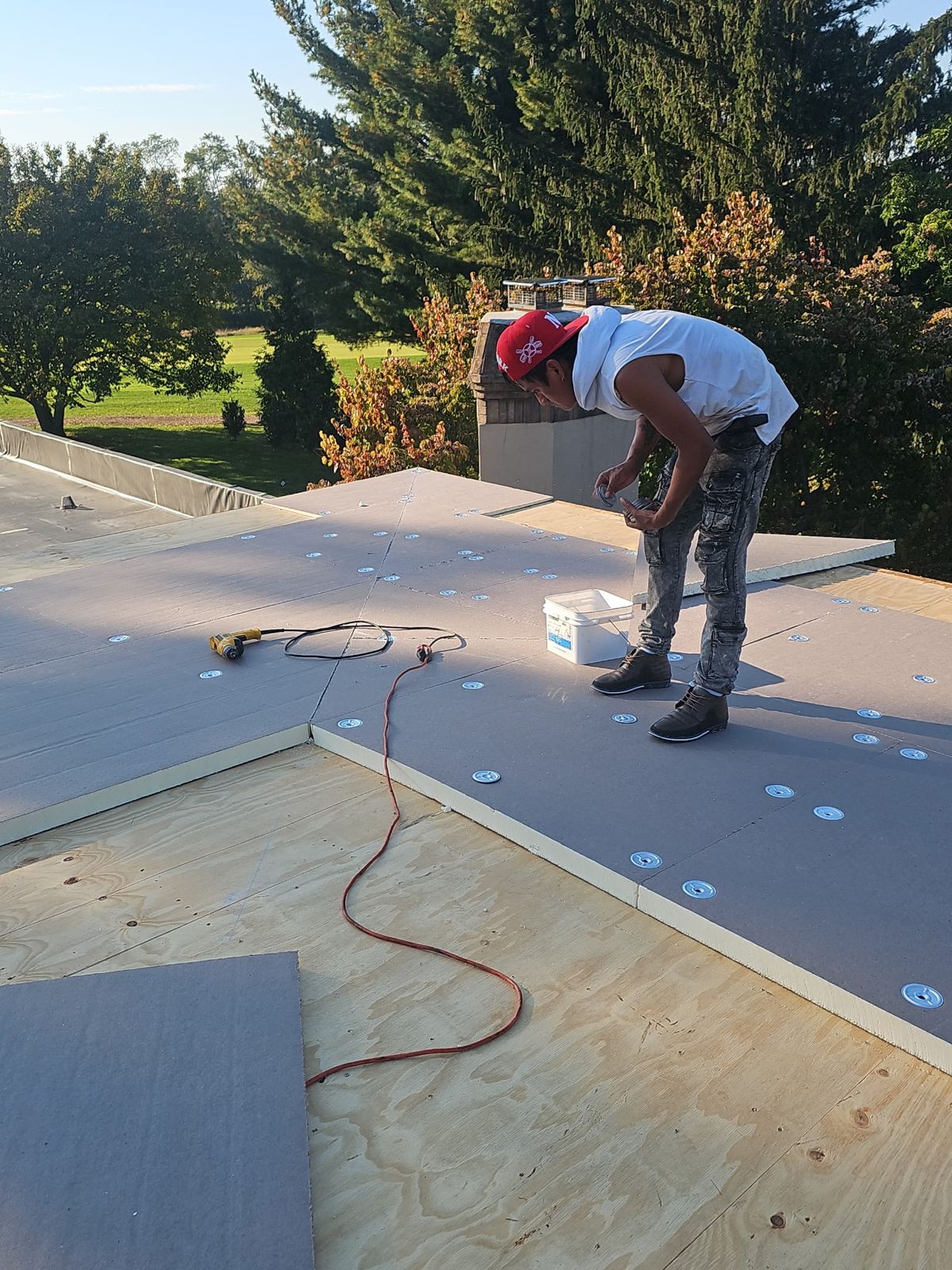
Underlayment and flashing systems form the secondary waterproofing barrier beneath the shingle layer. Self-adhering ice and water protection membranes must be installed along eave edges, valleys, and penetrations. On properties with short eaves, extending ice membrane protection further up the roof slope prevents water intrusion during winter freeze-thaw cycles when ice forms behind leaf-choked gutters. Heavy-gauge metal drip edges installed along eaves and rakes direct water flow clean into the gutter system, shielding structural framing from wind-driven rain.
- Heavyweight architectural asphalt shingles rated for wind loads and impact resistance.
- Self-adhered rubberized asphalt membranes applied at eaves, valleys, and penetrations.
- Corrosion-resistant metal flashing for chimney saddles, step flashing, and wall terminations.
- Synthetic underlayment providing tear resistance and water repellency across the roof deck.
Navigating Building Permits and Code Compliance in River Edge
Every complete roof replacement or major structural alteration in River Edge requires compliance with the New Jersey Uniform Construction Code and local municipal permitting standards. Securing a building permit ensures that installation procedures match current building codes regarding wind resistance, ventilation ratios, and fire safety. The permitting process involves submitting material specifications, contractor licensing details, and proof of active insurance coverage to the River Edge building department. Once work commences, municipal inspectors review the installation at designated stages, including post-tear-off inspections of the roof deck.
Working with an established local roofing contractor simplifies administrative tasks for homeowners. The contractor manages permit applications, schedules municipal inspections, and ensures site safety rules are maintained during construction. Proper permit documentation maintains clear property records, which is vital when selling a home or submitting future insurance claims. Waste container positioning, material delivery staging, and property protection measures must comply with local street access regulations to minimize disruption to neighbors throughout construction.
- Submission of technical material datasheets and installer licensing to municipal code officials.
- Adherence to municipal regulations for waste container placement and property protection.
- Mid-point deck inspections to verify structural integrity prior to underlayment installation.
- Delivery of final inspection documentation verifying full compliance with state building codes.
Emergency Repairs and Insurance Claim Management
Severe weather in Bergen County, including high-wind thunderstorms, winter nor'easters, and heavy snow accumulations, can cause sudden structural damage to residential roofs. Falling branches from mature trees frequently puncture shingle layers or smash gutter lines, creating immediate points of water entry. Storm Guard Roofing maintains a 24/7 emergency response service to perform temporary tarping and structural repairs. Rapid stabilization stops incoming water, protecting interior ceilings, drywalls, and mechanical systems from secondary water damage while permanent repair plans are developed.
Navigating property insurance claims after severe storm events requires clear technical documentation and precise physical evidence. Our team assists property owners by conducting physical assessments following a storm. We document wind-lifted shingles, hail impacts, structural deck damage, and damaged gutters using photo logs and written field reports. Storm Guard Roofing meets with insurance adjusters on site to review the scope of loss, verifying that necessary structural materials and labor steps are included in the loss estimate. We handle insurance claims to restore the structure back to pre-loss condition.
- Immediate 24/7 emergency dispatch for temporary tarping and structural stabilization.
- Detailed photo and written documentation of storm-related exterior and interior damage.
- Direct coordination with insurance adjusters during on-site damage evaluations.
- Complete restoration execution adhering to current local building code requirements.
How to Evaluate a Local Roofing Contractor
Homeowners in River Edge should evaluate several factual qualifications before hiring a contractor to repair or replace their roof. New Jersey law mandates that all residential contractors hold an active Home Improvement Contractor registration with the Division of Consumer Affairs. Homeowners must verify that the contractor carries both commercial general liability insurance and active workers' compensation coverage. Requesting certificates of insurance issued directly from the contractor's insurance agency confirms that coverage remains active and adequate during construction.
Longevity and localized experience are critical indicators of operational reliability. A roofing contractor with a 25-year track record in Bergen County demonstrates familiarity with local housing styles, permitting workflows, and regional weather patterns. Homeowners should request local project references and avoid out-of-state operators who arrive immediately after heavy storms. Established local companies maintain permanent local business premises, direct phone contact at (201) 403-0024, direct manufacturer training, and written service agreements detailing material specifications and labor processes.
- Verification of active New Jersey Division of Consumer Affairs registration.
- Direct proof of general liability and workers' compensation insurance policies.
- Evaluation of years in continuous operation within Bergen County communities.
- Provision of written project estimates with detailed itemizations of materials and labor.
River Edge questions we get asked
- How do mature trees in River Edge impact roof performance?
- Mature trees shed leaves, needles, and twigs that collect on shingle surfaces and inside gutters. On 1950s capes and colonials with short eaves, clogged gutters lead to standing water, which causes rot in fascia boards, sheathing, and shingle edges. Shade from dense canopies also retains moisture, encouraging moss growth that degrades shingle surfaces over time.
- Is a municipal building permit required for a roof replacement in River Edge?
- Yes, replacing a residential roof in River Edge requires a building permit from the local municipal construction department. The permit ensures the work complies with the New Jersey Uniform Construction Code. A professional roofing contractor manages the permit filing, structural deck inspections, and final project clearance.
- How do short eaves on 1950s River Edge homes affect ice dam protection?
- Homes with short eaves have less distance between the exterior wall and the gutter line. During winter melt-and-freeze cycles, ice dams easily form right over the exterior wall line. Installing self-adhering ice and water shield membranes further up the roof deck provides an essential waterproof barrier against backing-up meltwater.
- What steps should I take if a storm damages my roof in River Edge?
- Contact Storm Guard Roofing at (201) 403-0024 for 24/7 emergency service to secure the property with tarps and mitigate immediate leaks. Document visible damage with photos, avoid walking on the damaged roof, and notify your homeowner insurance carrier. We can meet with your insurance adjuster on site to review necessary repair steps.
More in River Edge
Call (201) 403-0024 for a River Edge inspection, or send the form.