Cliffside Park · Bergen County
Roof Repair Services in Cliffside Park, NJ
Storm Guard Roofing delivers targeted roof repair services in Cliffside Park, New Jersey. As a family-owned contractor with over 25 years of local experience, we maintain full licensing and insurance to perform critical structural and surface repairs on residential and commercial buildings throughout Bergen County. Properties positioned along the Hudson Palisades face elevated wind exposure, heavy precipitation, and specific structural demands. Call (201) 403-0024 for direct diagnostic inspections or 24/7 emergency leak mitigation. Our team manages every phase of the repair process, including comprehensive insurance claims support when severe weather impacts your property.
Leak Diagnostics for Cliffside Park Building Stock
Cliffside Park features a distinct architectural footprint characterized by attached and semi-attached buildings on steep grades with flat roofs and parapet caps. Properties located along steep corridors like Anderson Avenue, Lawton Avenue, and Gorge Road experience intense runoff conditions. Water descending steep slopes places extreme hydrostatic pressure on foundation lines, flashing joints, and lower-level roof intersections. Diagnosing water intrusion on these attached structures requires precise tracking, as leaks routinely enter through compromised upper masonry joints and migrate horizontally across shared floor joists before entering living spaces.
High winds coming off the Hudson River force moisture directly into unsealed mortar joints, parapet coping caps, and wind-lifted asphalt shingles. Unsealed wall tie-ins on multi-family townhomes act as secondary entry points that bypass standard surface membranes. Identifying the exact failure point prevents unnecessary material tear-offs and focuses resources on permanent structural seals.
- Water retention behind deteriorated parapet coping caps on multi-story attached buildings.
- Horizontal moisture migration along shared party-wall joists in semi-attached homes.
- Wind-lifted asphalt shingle edges on steep-grade properties exposed to Palisades wind gusts.
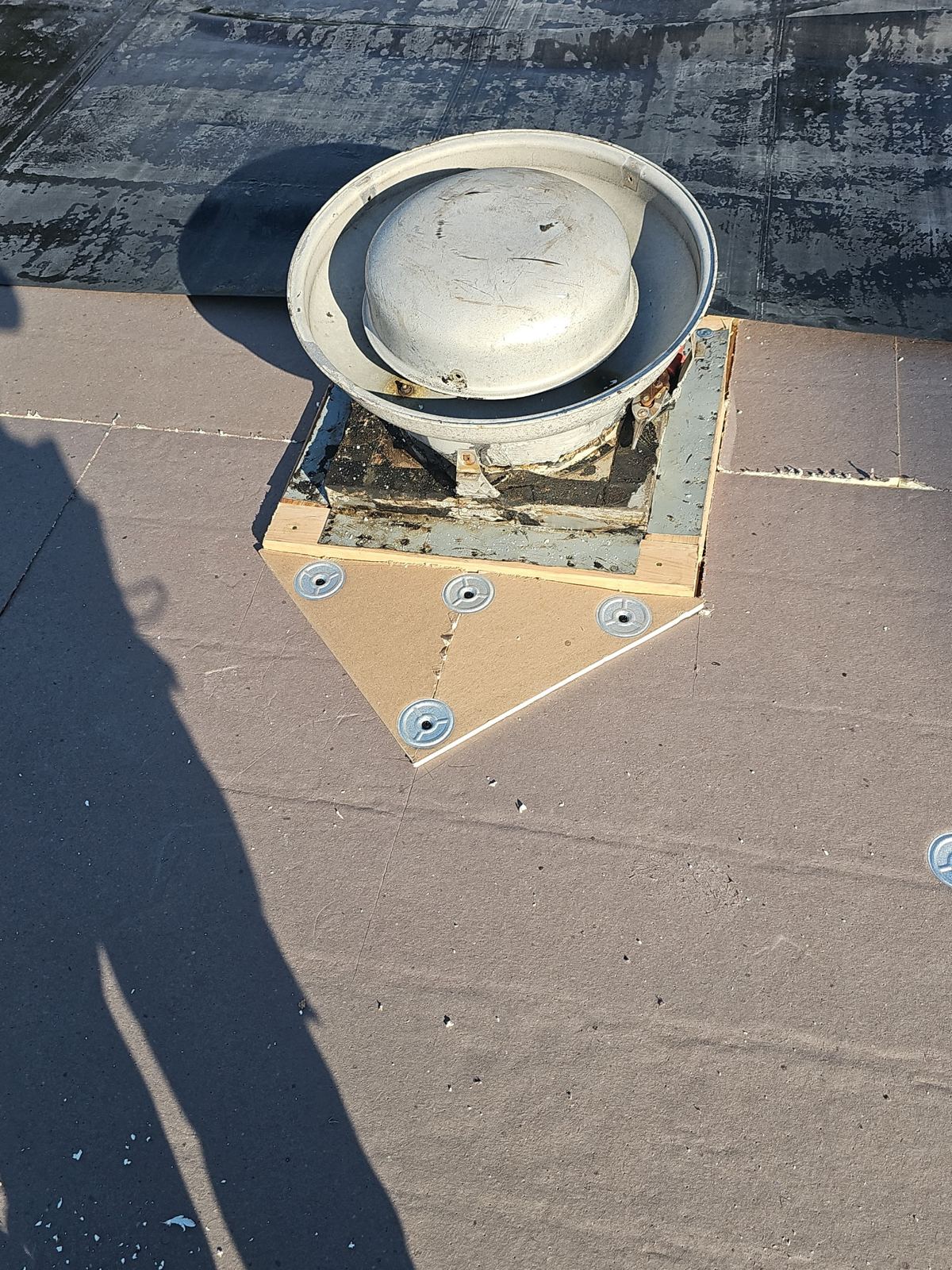
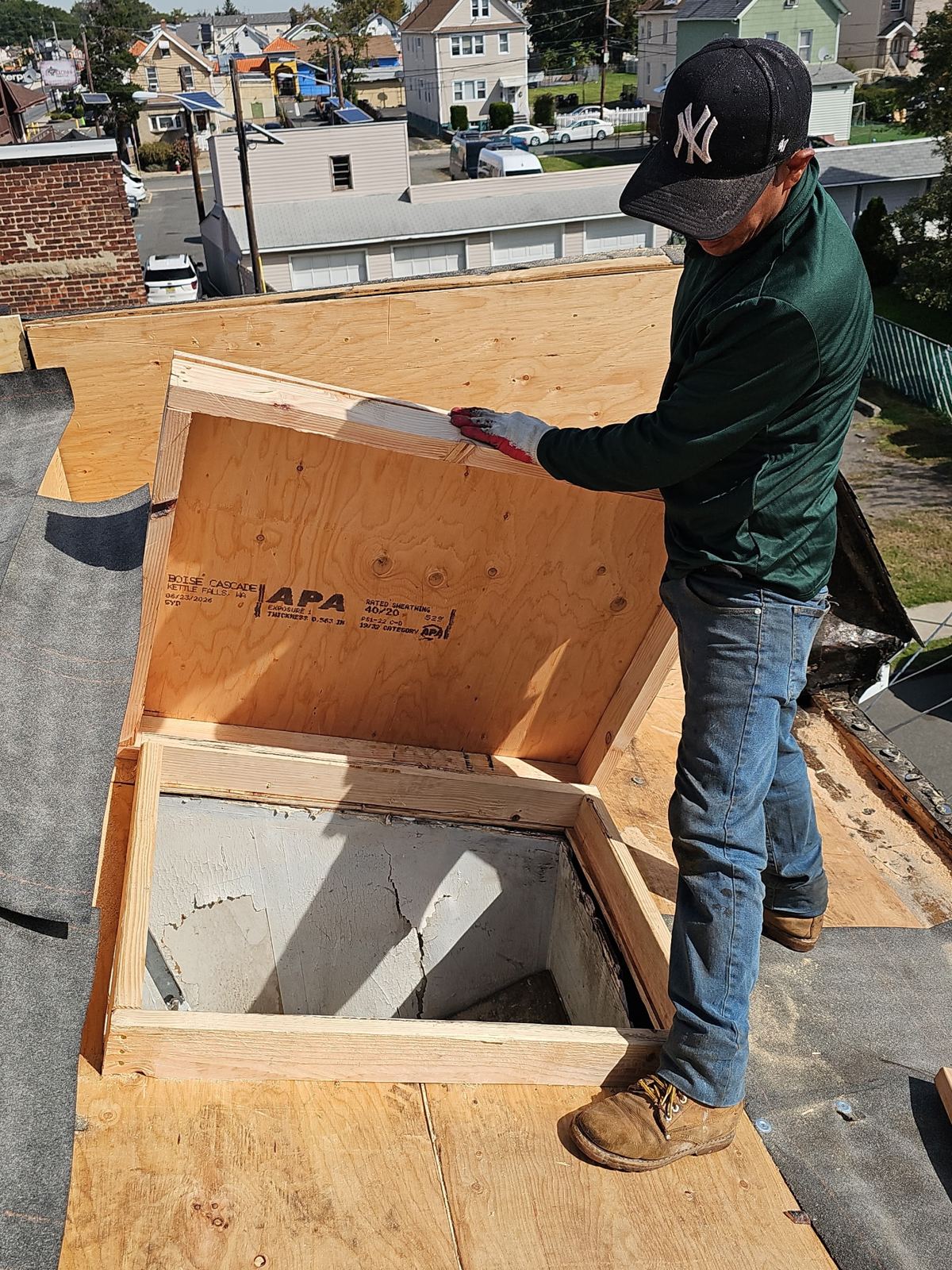
- Sealant breakdown around roof hatches, skylights, and plumbing exhaust vents.
Flashing, Valley, and Parapet Wall Failures
Flashing and valley transitions are the primary failure points on steep-slope and flat roof systems. Attached homes throughout Cliffside Park rely heavily on step flashing bedded into party-wall brickwork and counter-flashing inserted into mortar joints. Seasonal temperature swings cause metals and masonry to expand and contract at different rates, loosening step flashing seals and permitting water to bypass interior walls. In valley areas where steep roof slopes funnel water onto lower roof decks, heavy downpours overtop worn lead or copper linings, rotting underlying plywood decking.
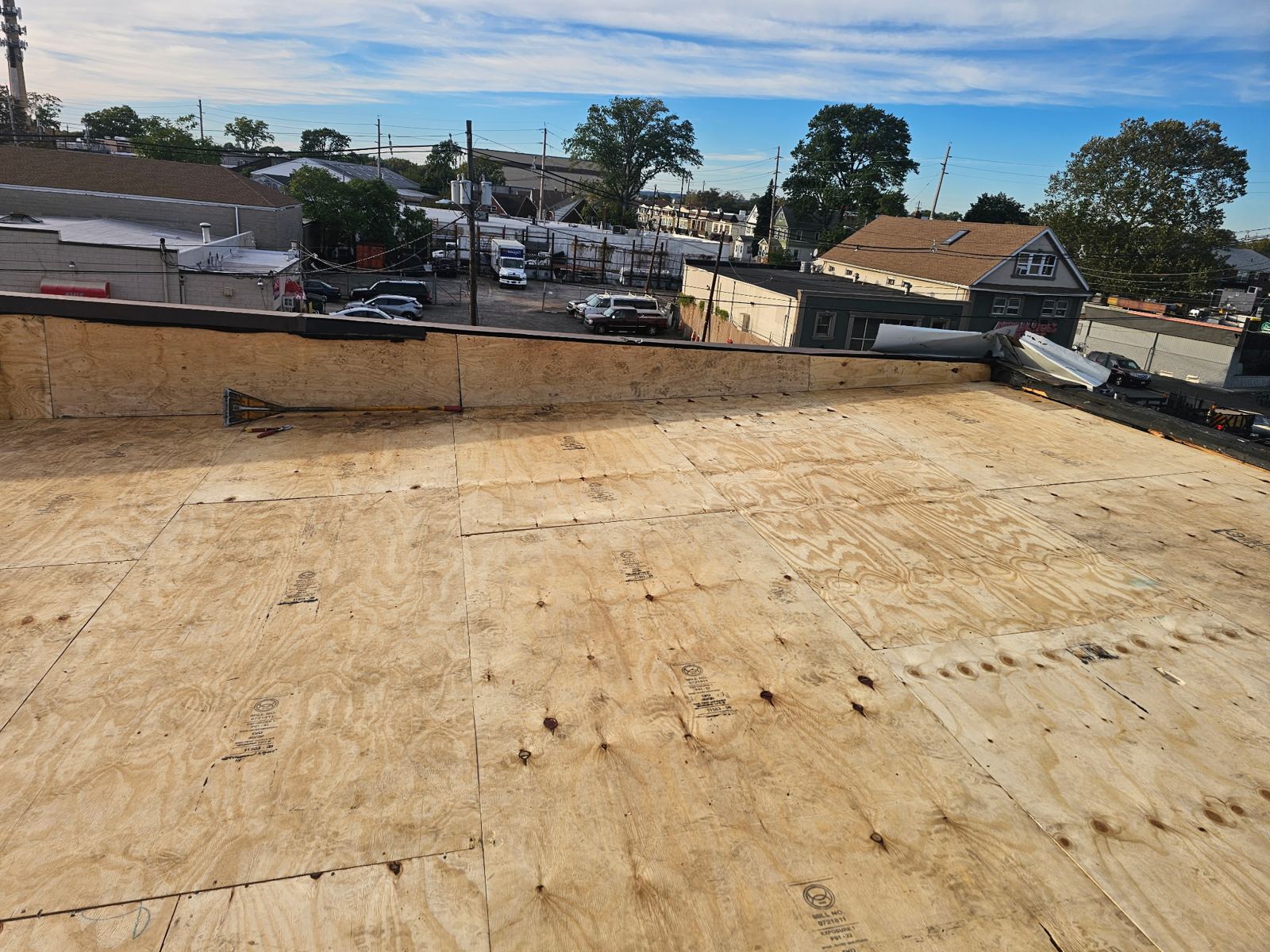
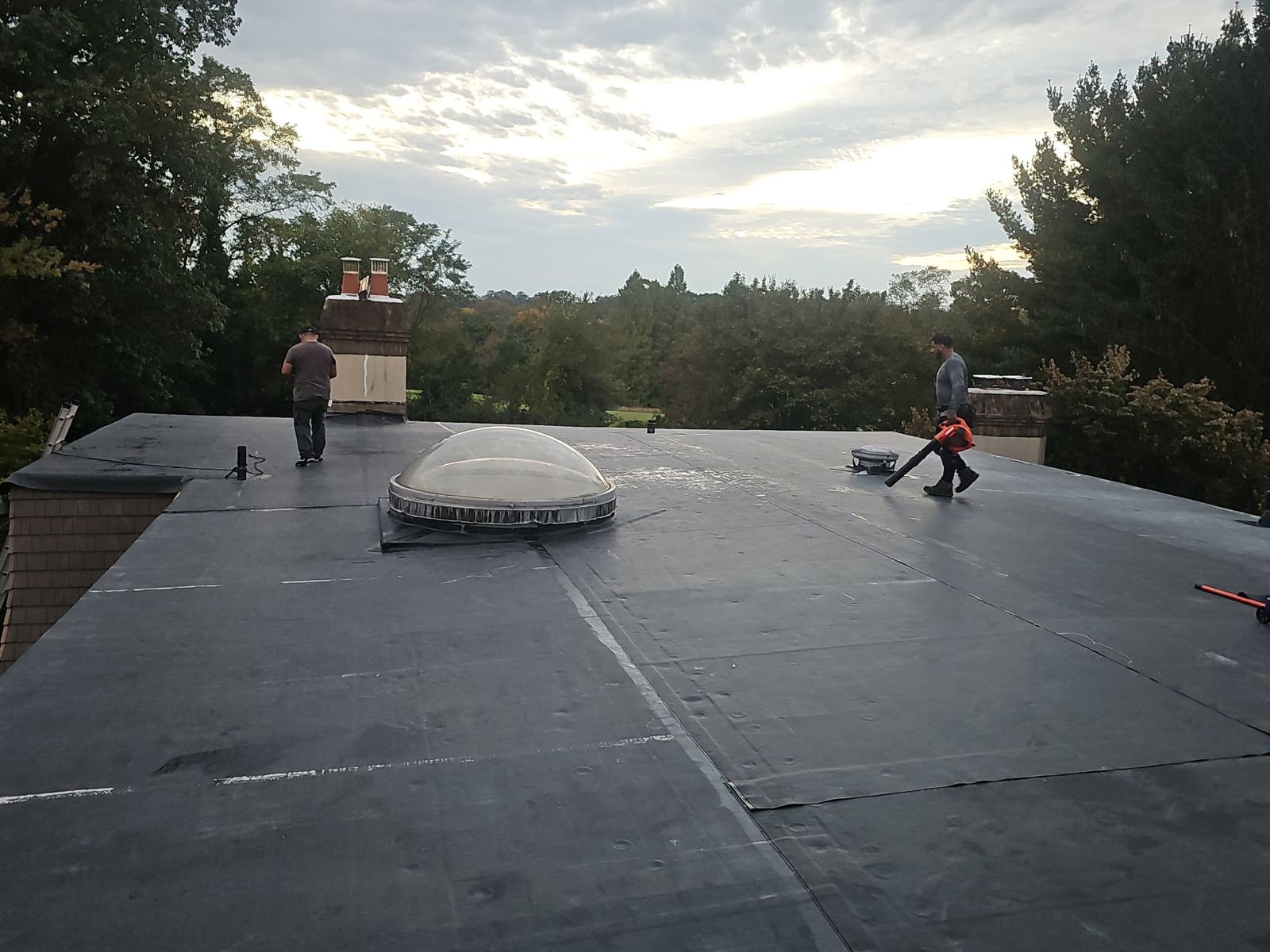
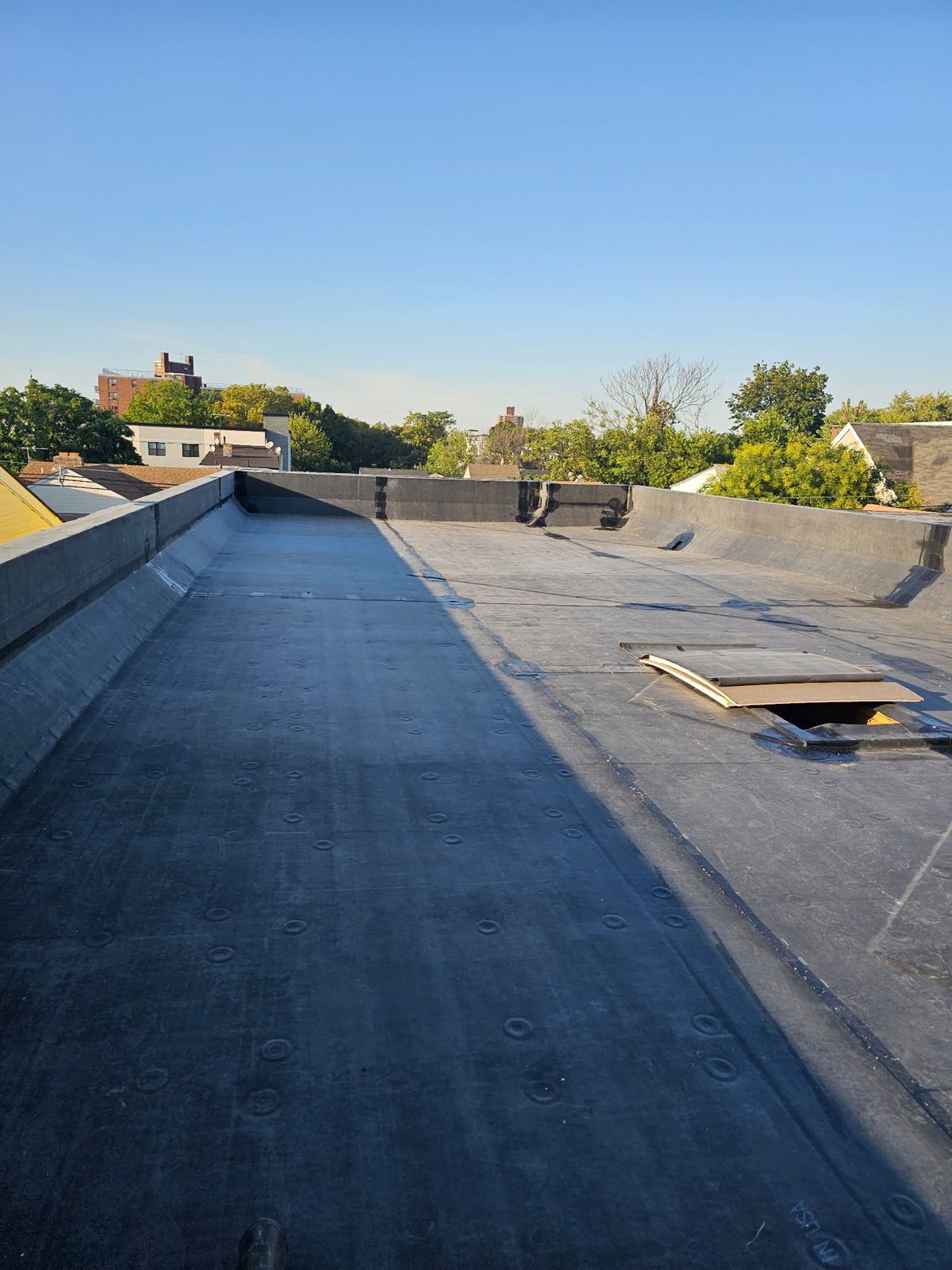
Parapet wall deterioration causes severe damage to flat roof systems across Bergen County. Water entering cracked terra cotta, stone, or metal parapet caps penetrates the core of brick walls. Once inside, moisture travels below the EPDM or modified bitumen membrane level, causing interior plaster and drywall decay while leaving the top roof membrane looking intact. Repairing these defects requires resetting coping stones, repointing masonry joints, and securing heavy-gauge termination bars along the wall boundary.
- Replacement of corroded copper and aluminum step flashing along shared masonry walls.
- Repointing and re-sealing cracked parapet coping caps and masonry joints.
- Repairing split seams and open laps in modified bitumen and EPDM membrane transitions.
- Installation of heavy-duty drip edges to control runoff along steep eave borders.
24/7 Emergency Tarping and Storm Damage Repair
Severe windstorms along the Palisades can strip shingles, rupture flat roof membranes, or drive tree limbs into roof decks. Storm Guard Roofing provides 24/7 emergency response to halt active water intrusion before it causes secondary interior damage. Technicians install heavy-duty, UV-resistant emergency tarps secured with wood furring strips to withstand sustained ridge winds and block rainfall.
Once the emergency phase is complete, our technicians document all structural damage for your insurance claim. We work directly with insurance adjusters, supplying itemized scope reports, high-resolution photographs, and moisture readings. This documentation confirms whether wind, hail, or storm debris caused the failure, assisting property owners in receiving proper policy coverage without unnecessary repair delays.
- Immediate emergency tarping deployment to stop active ceiling leaks during rain events.
- Clearing fallen branches and debris from blocked scuppers and internal drainage systems.
- Complete photographic documentation and written assessments for insurance adjusters.
- Emergency patching of punctured EPDM, TPO, or rubberized flat roof membranes.
Cost Considerations: Repair vs. Full Replacement
Property owners must decide whether a targeted repair or a complete roof replacement is appropriate. In dense Cliffside Park neighborhoods where attached homes present complex access challenges, a spot repair is often the most practical solution. If the main roof membrane or shingle field retains structural flexibility and total damage covers less than 25 percent of the surface area, executing targeted flashing, seam, or shingle repairs restores weatherproofing at a fraction of full replacement costs.
Permits from the Borough of Cliffside Park Building Department are dictated by the scope of structural work. Minor spot repairs, localized seam sealing, and emergency patches do not typically require extensive municipal permits, avoiding staging complications on narrow side streets. If structural decking is decayed or multiple roofing layers are present, replacement becomes necessary to comply with New Jersey Uniform Construction Code requirements. We assess structural integrity honestly so you make an informed financial decision.
- Spot repairs cost significantly less than complete roof tear-offs and replacements.
- Preserves functional underlying decking when leaks are identified early.
- Eliminates logistical challenges associated with staging heavy machinery on narrow streets.
- Extends flat roof service life by 5 to 10 years when combined with proper maintenance.
System-Specific Diagnostic and Repair Methods
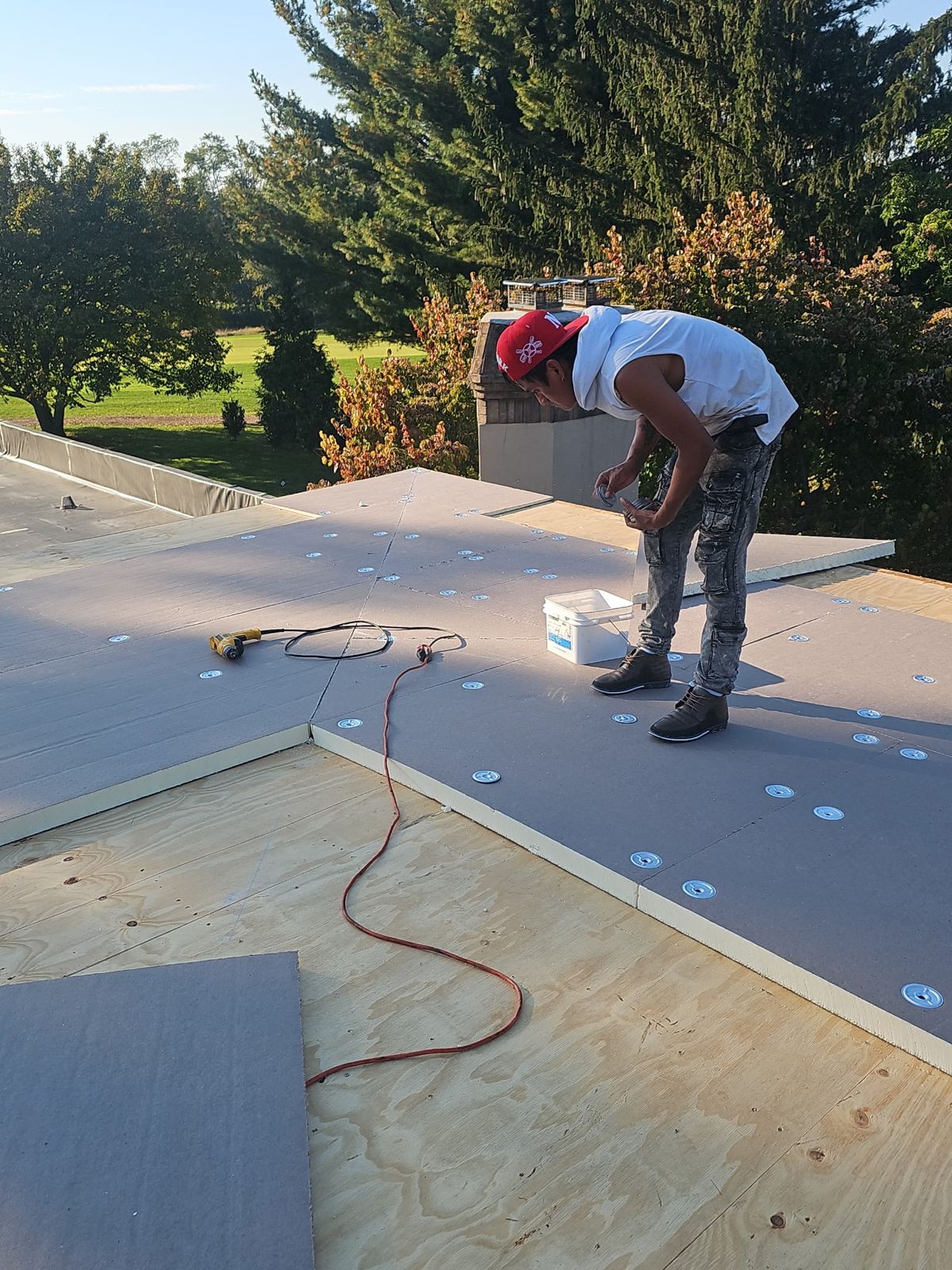
Repairing roofing systems on high-density, attached properties requires systematic diagnostic procedures. Storm Guard Roofing utilizes physical seam probing and targeted water testing to trace leaks to their origin point. On flat roofs, degraded patching compounds are cleared away, saturated insulation boards removed, and fresh modified bitumen or EPDM patches installed using hot-air welding or cold adhesive compounds.
For asphalt shingle roofs on steep grades, damaged shingles are isolated, mechanical fasteners removed without disturbing surrounding courses, and new shingles laced into the pattern. We replace failed pipe boots with heavy-duty lead or silicone collars and seal all wall flashing interfaces to resist severe weather along the Hudson River corridor.
- Targeted shingle extraction and replacement without compromising neighboring courses.
- Thermal moisture evaluation to locate trapped water beneath flat roof membranes.
- Installation of durable lead wall flashings and heavy-duty pipe boot boots.
- Application of elastomeric flashing compounds at complex wall and parapet junctions.
Cliffside Park questions we get asked
- How do steep terrain and attached structures in Cliffside Park affect roof repair complexity?
- Attached and semi-attached buildings constructed on steep grades present tight property lines, limited ladder placement areas, and shared drainage walls. Leaks frequently start on one structure and migrate along party walls into neighboring units. Repairs require exact moisture tracing and specialized staging equipment to access high eaves and narrow side yards safely.
- Do I need a permit from the Borough of Cliffside Park for a spot roof repair?
- Minor spot repairs, such as replacing a few damaged shingles, patching an open flat roof seam, or re-sealing flashing, typically do not require a building permit from the Borough of Cliffside Park Building Department. Structural decking replacement or complete re-roofing projects do require permits, which Storm Guard Roofing handles directly.
- What causes flat roof parapet cap leaks on multi-family homes in Cliffside Park?
- Parapet caps endure heavy thermal movement and strong wind gusts along the Hudson Palisades. Over time, mortar joints between coping stones crack and metal cap seams pull apart. Water enters through these top gaps, bypassing the surface membrane and leaking down interior masonry walls.
- How quickly can Storm Guard Roofing deploy emergency tarping in Cliffside Park?
- Storm Guard Roofing offers 24/7 emergency response throughout Cliffside Park. We dispatch technicians equipped with commercial-grade tarps, fasteners, and temporary sealants directly to your property to halt active water entry. Call (201) 403-0024 for immediate assistance.
More in Cliffside Park
Call (201) 403-0024 for a Cliffside Park inspection, or send the form.