Forked River · Ocean County
Roof Leak Repair and Storm Damage Restoration in Forked River
Forked River's 1980s and 1990s housing stock frequently utilizes asphalt shingles, enduring coastal weather and drainage challenges. When rain, wind, or ice compromises an asphalt shingle system, water finds the path of least resistance into framing, insulation, and interior ceilings. Storm Guard Roofing provides targeted roof repair services in Forked River, Ocean County, New Jersey. Family owned and operated for over 25 years, our licensed and insured technicians locate active leaks, repair damaged roof components, and secure storm-damaged structures. Call (201) 403-0024 for 24/7 emergency response or to evaluate structural damage on your home.
Forked River Roof Repair Needs: Ocean County Weather and Aging Asphalt Shingles
Homes built during the expansion of Forked River throughout the 1980s and 1990s rely heavily on three-tab and architectural asphalt shingle roofing systems. Over decades of exposure to salt air, high winds, and freeze-thaw cycles, asphalt shingles lose their protective granule coatings. Granule loss exposes the underlying asphalt matting to ultraviolet light, causing the shingles to become brittle, crack, and curl at the edges. Once shingle flexibility degrades, wind uplift easily shears fasteners or tears shingle tabs away completely.
Coastal weather patterns bring localized pressure systems and wind-driven rain off the bay and ocean. Rain forced horizontally under shingle laps bypasses standard gravity-fed drainage paths. If the underlayment beneath the shingles has deteriorated, moisture penetrates the plywood decking, leading to wood rot, wet insulation, and interior ceiling stains. Prompt roof repair stops localized deck degradation before water damage spreads to major structural joists.
- Thermal expansion and contraction cracking shingle sealant strips over time.
- High-velocity winds lifting aged asphalt shingle tabs off the decking.
- Salt-laden air accelerating the breakdown of exposed metal fasteners and flashing edges.
Diagnosing Flashing Failures and Valley Drainage Leaks
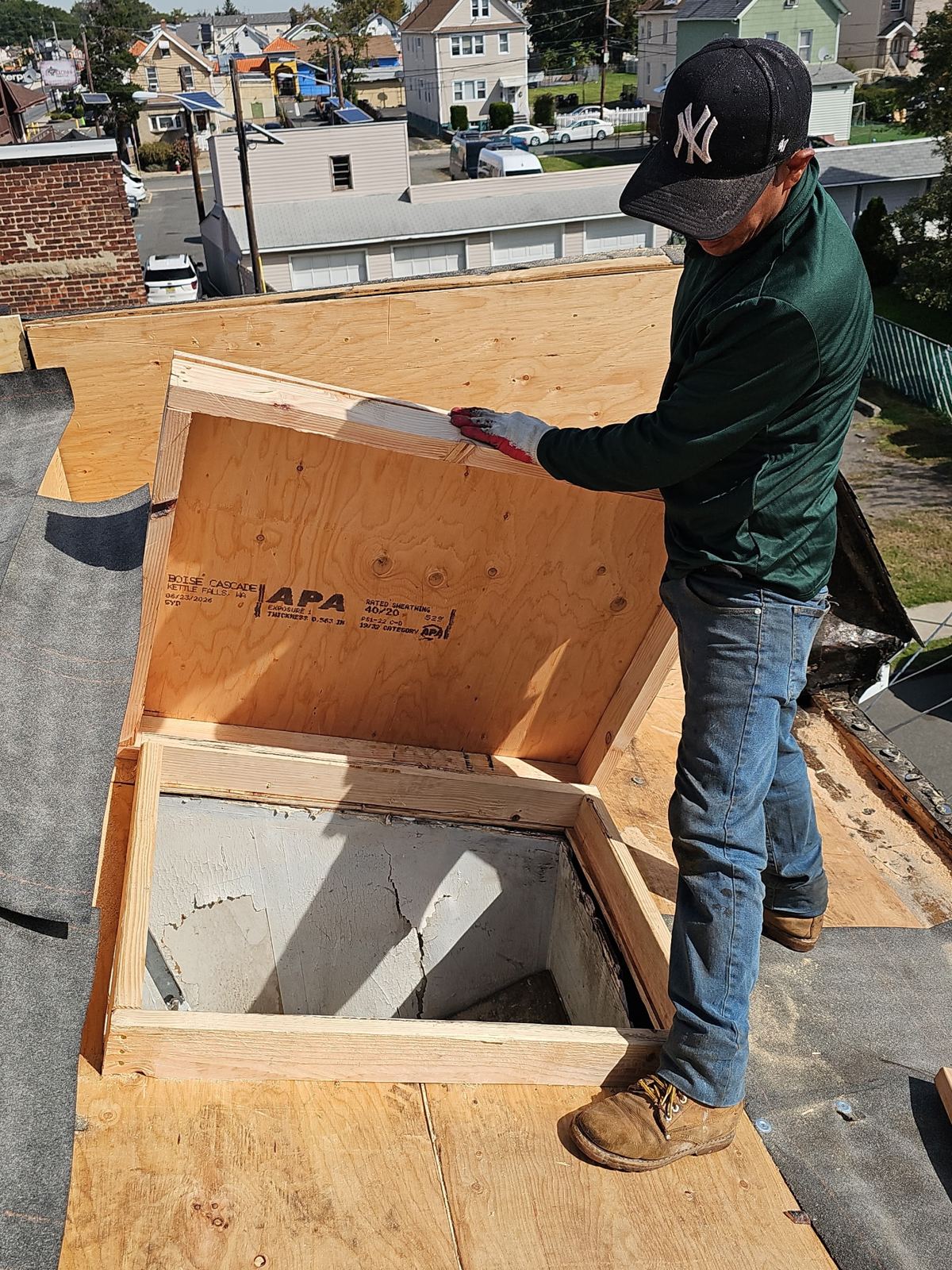
A majority of active leaks originate at roof penetrations and junction points rather than through the center of undamaged shingles. Step flashing installed along sidewalls, dormers, and chimneys depends on precise overlap and counter-flashing into masonry mortar joints. In older coastal homes, ground movement, seasonal temperature shifts, and wind pressure open gaps behind wall flashing. Water running down wall siding channels directly behind the metal step flashing and enters the wall cavity.
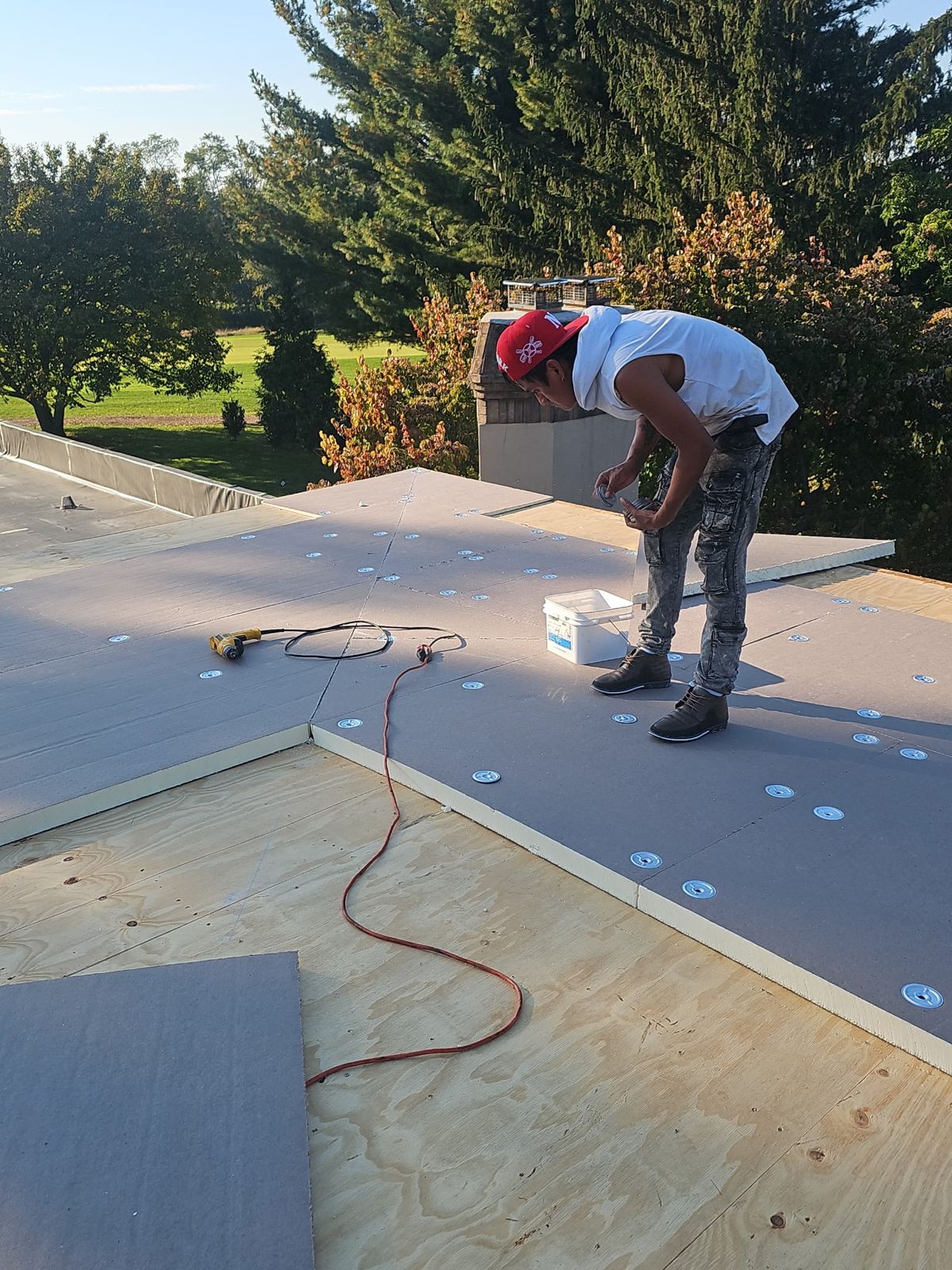
Valleys handle the highest volume of water runoff on a roof deck. Older installations in Forked River often used woven asphalt shingle valleys or open metal valleys. Debris accumulation in valleys traps standing water, while constant water velocity strips protective granules from shingle surfaces. When valley underlayment decays, high-volume rainfall drains directly through plywood seam gaps. Targeted roof repair replaces damaged valley metals, installs self-adhering ice and water membrane underlayments, and seals surrounding shingle courses.
- Corroded or lifted apron flashing around plumbing stack boots and chimney bases.
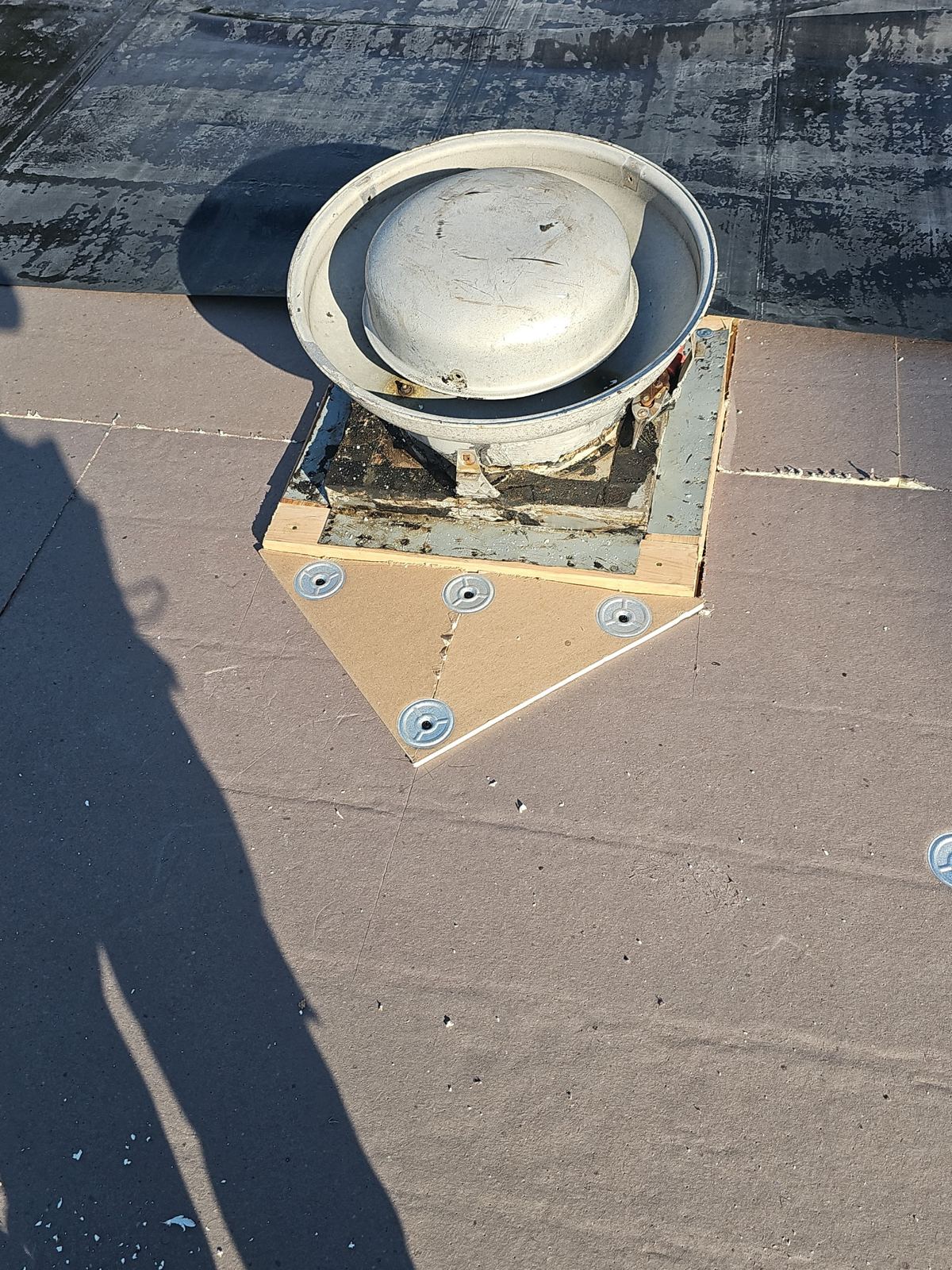
- Deteriorated rubber gaskets around pipe collars allowing water migration along pipe shafts.
- Split valley membranes caused by movement between adjacent roof planes.
Emergency Tarping and 24/7 Response for Storm Damage in Forked River
Severe weather events, nor'easters, and sudden windstorms cause immediate structural vulnerabilities. When falling tree branches puncture decking or wind gusts strip large sections of asphalt shingles, incoming rainwater threatens immediate interior destruction. Storm Guard Roofing maintains a 24/7 emergency response team reached at (201) 403-0024 to mitigate storm damage immediately.
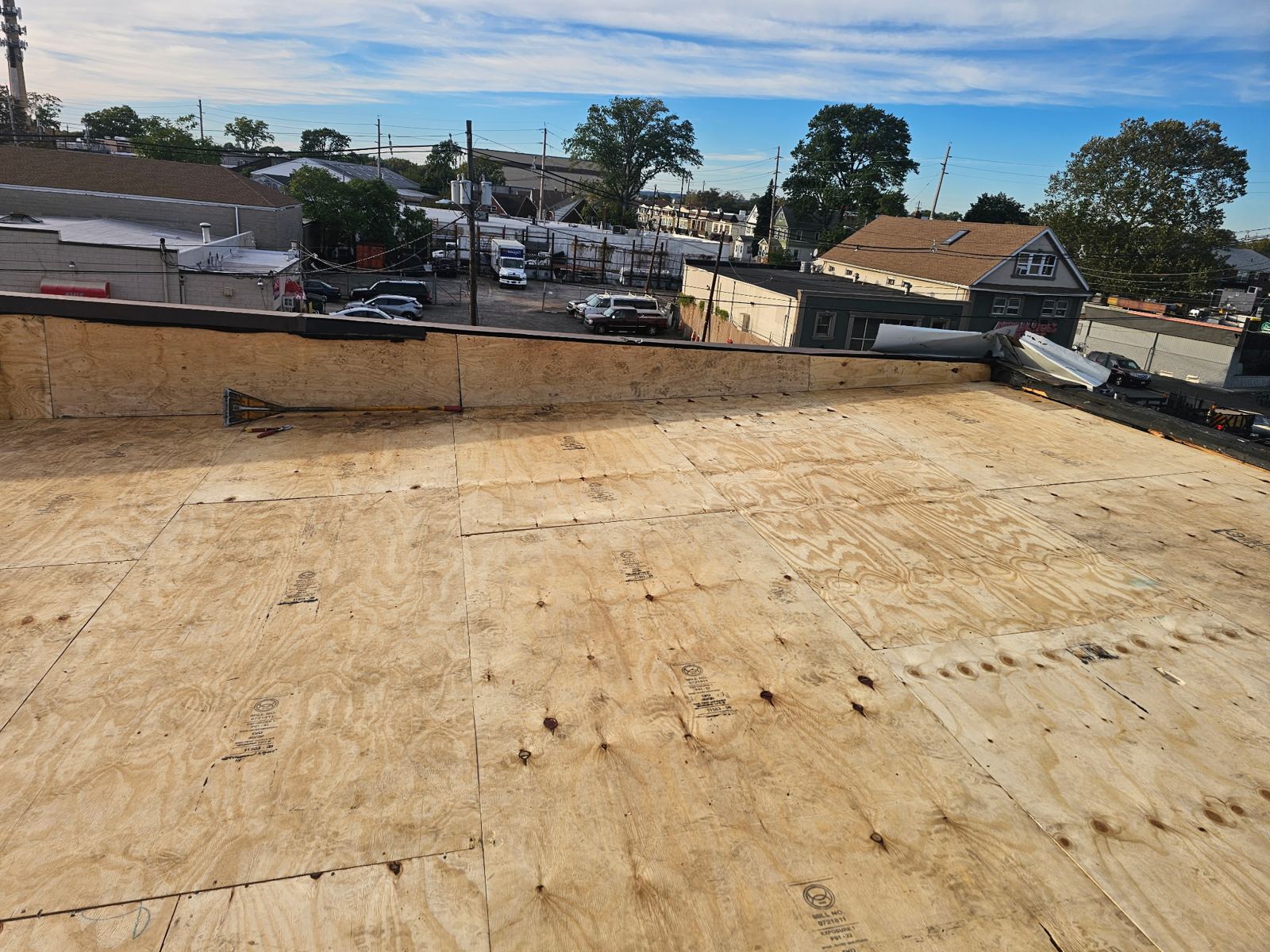
Emergency tarping prevents secondary water intrusion until permanent repairs take place. Technicians install heavy-duty, weather-resistant tarps over exposed roof decks, securing them with wooden furring strips anchored into structural rafter lines. Proper tarp installation prevents wind from tearing the protective cover free and ensures rain sheds past damaged structural zones. Securing the structure quickly prevents interior ceiling collapses, electrical hazards, and mold proliferation within attic insulation.
- Immediate structural stabilization and debris removal following severe wind events.
- Secure tarp deployment using wooden furring strips to withstand sustained coastal winds.
- Inspection of structural roof rafters and sheathing damage beneath blown-off shingles.
Comparing Roof Repair Costs Relative to Full Replacement
Property owners faced with a roof leak often weigh localized repairs against total system replacement. Forked River's 1980s and 1990s housing stock frequently utilizes asphalt shingles that may still have years of functional life remaining if structural damage is localized. Performing a targeted roof repair costs a fraction of a full tear-off and replacement. If a roof is under 20 years old and the underlying plywood deck remains sound, repairing isolated flashings, valleys, or shingle sections restores weather tightness without unnecessary capital expenditure.
A full replacement becomes necessary when structural decay spans over 30 percent of the roof deck or when asphalt shingles have reached complete volumetric granule loss. During an on-site evaluation, technicians inspect underlayment condition, rafter integrity, fastener holding capacity, and shingle flexibility. If damage remains localized to a specific slope, ridge line, or flashing detail, a repair provides a cost-effective, durable solution that protects the building envelope.
- Minor isolated shingle and flashing repairs preserve existing functional roofing materials.
- Avoidance of full tear-off labor, waste disposal fees, and complete decking replacement costs.
- Objective condition assessment evaluating shingle pliability and deck structural soundness.
Insurance Claim Assistance for Ocean County Storm Damage
High winds, hail, and tree impacts represent sudden, covered losses under standard homeowner insurance policies. Navigating an insurance claim requires clear, technical documentation of storm damage. Storm Guard Roofing brings over 25 years of field experience to assist Forked River homeowners throughout the claims process. We conduct comprehensive technical assessments, identifying displaced shingles, creased tabs, broken seals, and compromised underlayment caused by weather events.
Detailed documentation provided to insurance adjusters ensures all necessary scopes of work are recognized, including emergency tarping, temporary securing of structural points, and complete restoration of damaged sections. Working directly with insurance representatives helps streamline approvals and ensures field repairs conform to local structural safety standards.
- Technical documentation of wind uplift, shingle creasing, and storm impact points.
- Coordination with insurance adjusters to establish complete repair cost scopes.
- Execution of immediate emergency stabilization measures to satisfy policy loss mitigation requirements.
Forked River questions we get asked
- How do I know if my Forked River home needs a roof repair or a complete replacement?
- A roof repair is suitable if leaks are isolated to specific areas, such as damaged flashing, pipe boots, or missing shingles, while the remaining shingle deck remains pliable. If asphalt shingles across the entire structure are brittle, bare of granules, or wood deck rot is widespread, full replacement may be necessary.
- How fast can Storm Guard Roofing respond to emergency roof leaks in Forked River?
- Storm Guard Roofing provides 24/7 emergency response by calling (201) 403-0024. Emergency tarping teams deploy quickly to seal storm damage, halt active leaks, and prevent interior water damage until permanent repair work begins.
- Will my homeowner insurance cover roof repair caused by coastal storms in Forked River?
- Most policies cover sudden damage from high winds, hail, or fallen debris. Storm Guard Roofing documents storm damage details, assists with the insurance claims process, and works with policy adjusters to scope necessary repairs.
- Why do 1980s and 1990s asphalt shingle roofs in Forked River develop flashing leaks?
- Decades of exposure to coastal wind, salt air, and temperature fluctuations degrade sealant strips and corrode flashing metal around walls and chimneys. As structural framing shifts slightly over time, step flashing gaps open, allowing water to pass into wall cavities.
More in Forked River
Call (201) 403-0024 for a Forked River inspection, or send the form.