Forked River · Ocean County
Technical Roof Replacement Services in Forked River, NJ
Storm Guard Roofing provides specialized roof replacement services for residential properties across Forked River and Ocean County, New Jersey. With over 25 years of field experience, our family-owned business operates as a fully licensed and insured contractor. Forked River's 1980s and 1990s housing stock frequently utilizes asphalt shingles, enduring coastal weather and drainage challenges. Severe weather events, wind uplift, and water penetration can degrade aging assemblies, requiring full system replacement rather than superficial fixes. We provide clear material specifications, precise structural evaluation, complete site setup, insurance claims assistance, and 24/7 emergency response for urgent leaks. Property owners can reach our office at (201) 403-0024 to schedule an evaluation.
Evaluation of Tear-Off Versus Overlay Methods in Forked River
Choosing between a full tear-off and a nail-over application impacts the long-term durability of a home roof replacement. An overlay places new asphalt shingles directly over an existing layer. While an overlay reduces initial labor costs, it hides wet insulation, rotten wood decking, and compromised structural fasteners. Adding extra weight to existing rafters also strains structural supports, especially during heavy snow accumulation or intense coastal storms.
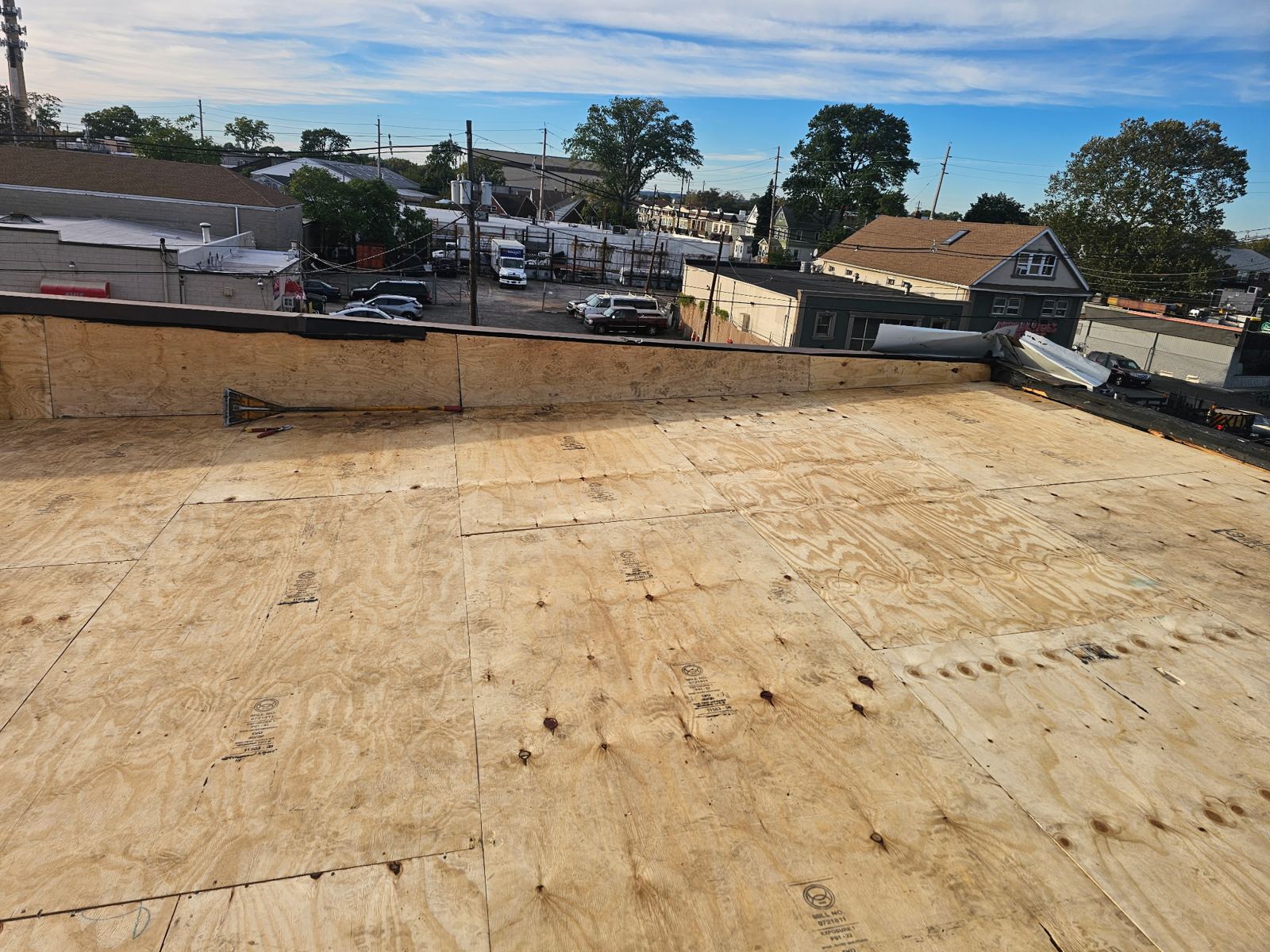
A full tear-off requires stripping the roof down to the bare wood sheathing. This step allows installers to identify hidden rot, loose decking panels, and compromised flashing points. Removing old layers ensures the installation of modern self-adhering water barriers and synthetic underlayments directly to clean wood. Storm Guard Roofing performs complete tear-offs to build a clean baseline that meets modern regional wind resistance standards.
- Full removal of existing shingles and saturated felt underlayment
- Complete structural inspection of wood decking boards and rafters
- Prevention of excessive dead load weight on older roof frames
- Application of water protection membranes directly to dry wood
Decking Upgrades and Attic Ventilation Systems
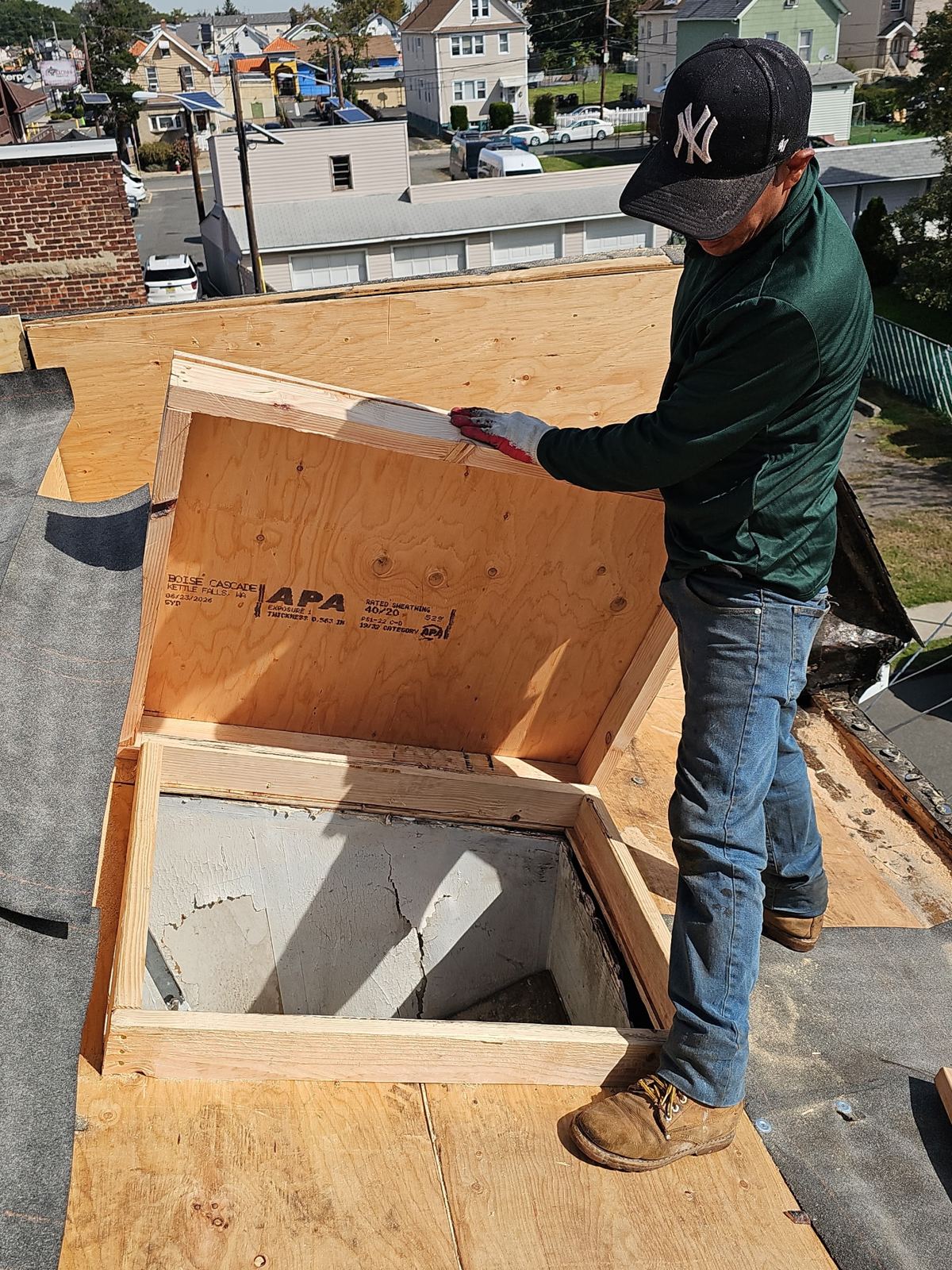
Structural integrity relies heavily on the substrate beneath the shingles. During a roof replacement, damaged or sagging exterior plywood sheathing must be replaced with fresh exterior-grade panels. In coastal environments like Forked River, trapped moisture inside an attic space can decay wood decking from the underside. Replacing soft spots prevents structural sagging and ensures strong fastener retention for new shingles.
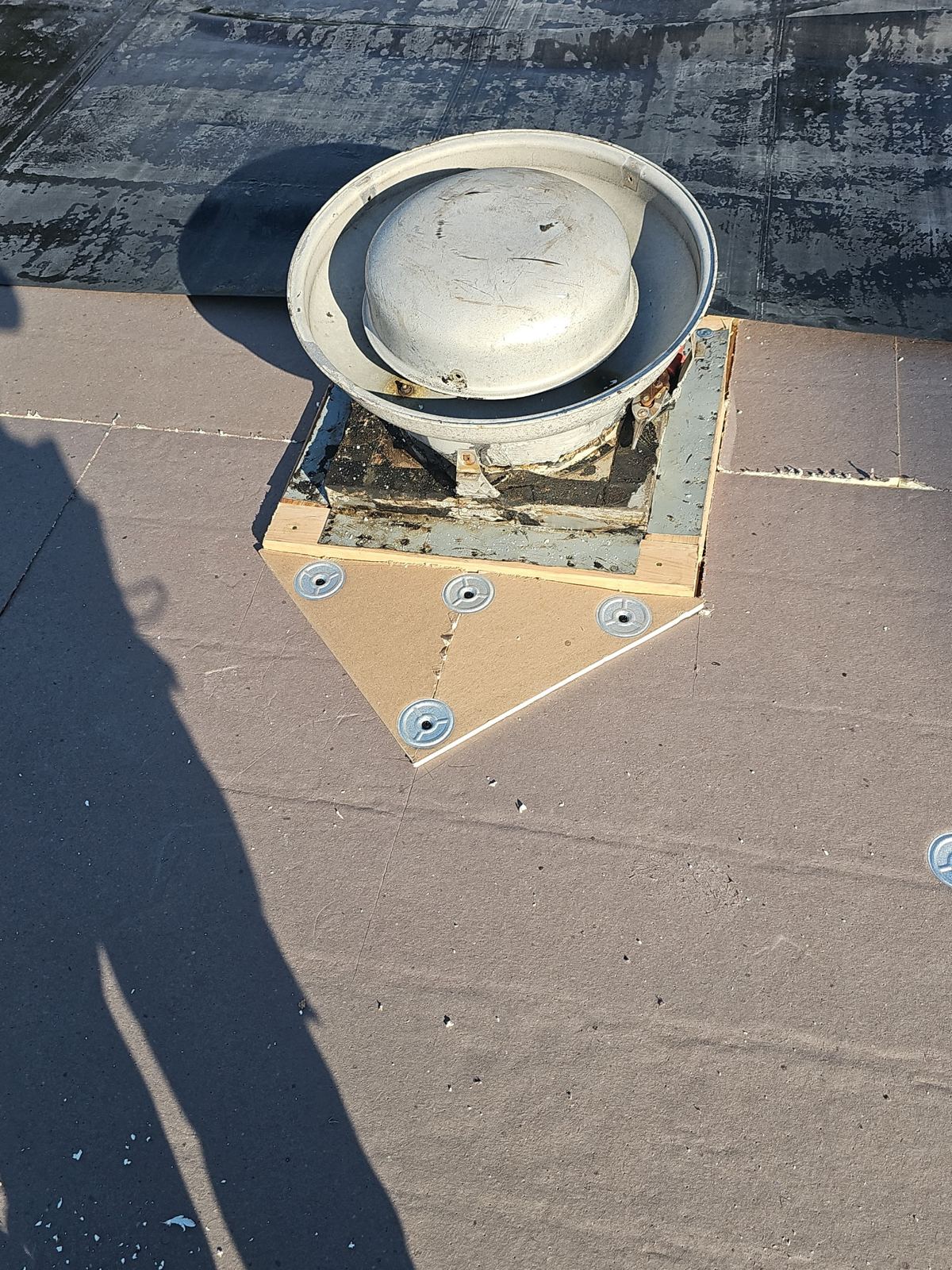
Continuous attic ventilation balances indoor humidity levels and protects roofing materials from early heat degradation. Warm, humid air trapped in an attic accelerates shingle decay and increases summer cooling expenses. Installing a continuous ridge vent along the peak, balanced with open soffit intake vents along the eaves, creates an active air current. This air movement lowers deck temperatures, reduces winter ice dam formation, and extends the operational life of the roofing system.
- Replacement of delaminated or rotten plywood sheathing panels
- Installation of continuous ridge vents for passive hot air exhaust
- Evaluation of soffit intake vents to ensure uninterrupted airflow
- Application of high-temperature drip edges to prevent edge decay
Asphalt Shingle Selection and Low-Slope Options
Choosing appropriate materials depends on roof slope, building design, and exposure to wind. Dimensional architectural shingles provide multi-layered construction that offers enhanced resistance to wind uplift compared to traditional 3-tab shingles. Modern shingle lines feature heavy glass-fiber mats, modified asphalt formulas, and embedded ceramic granules that resist solar UV damage and wind-driven rain.
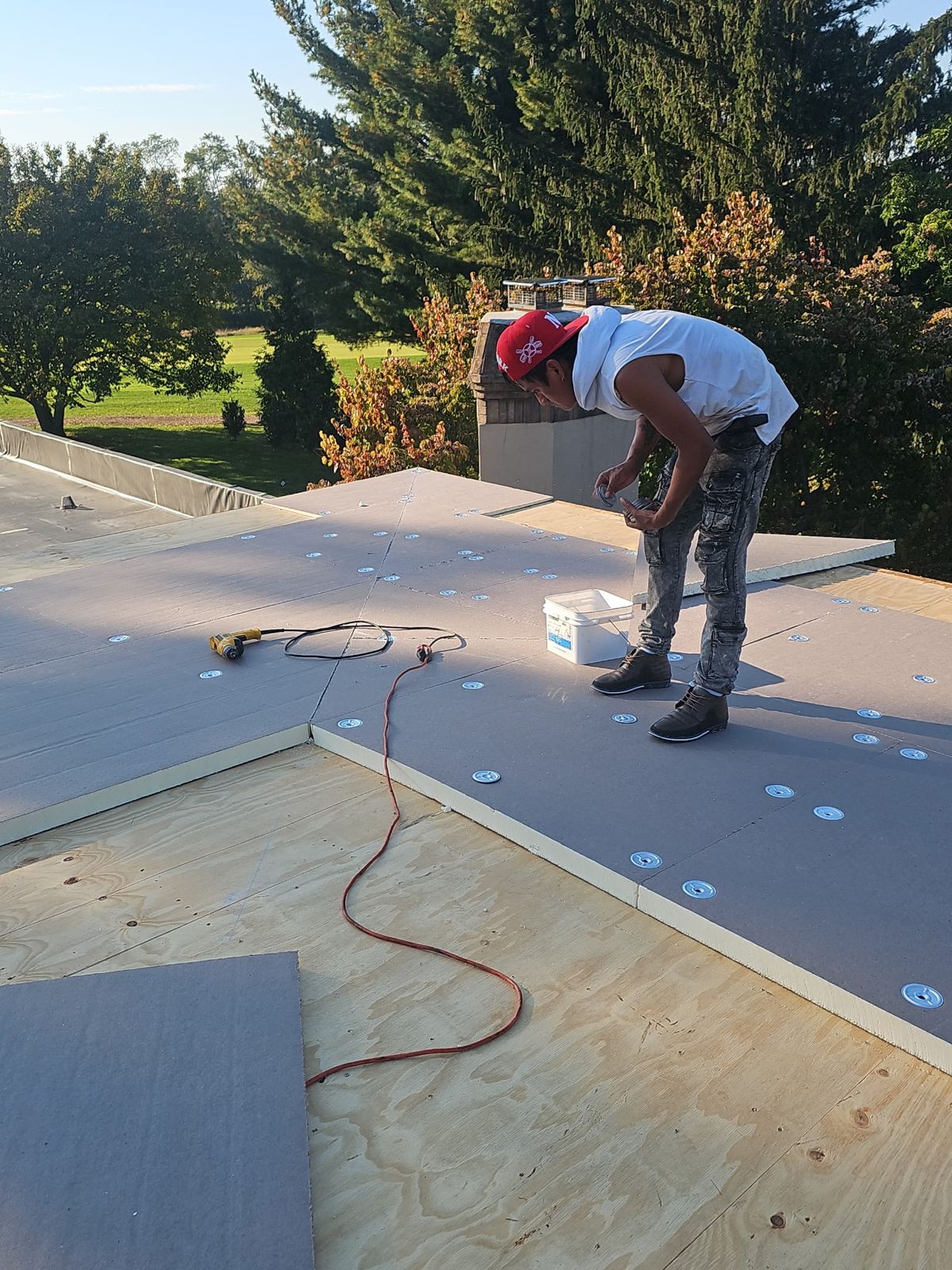
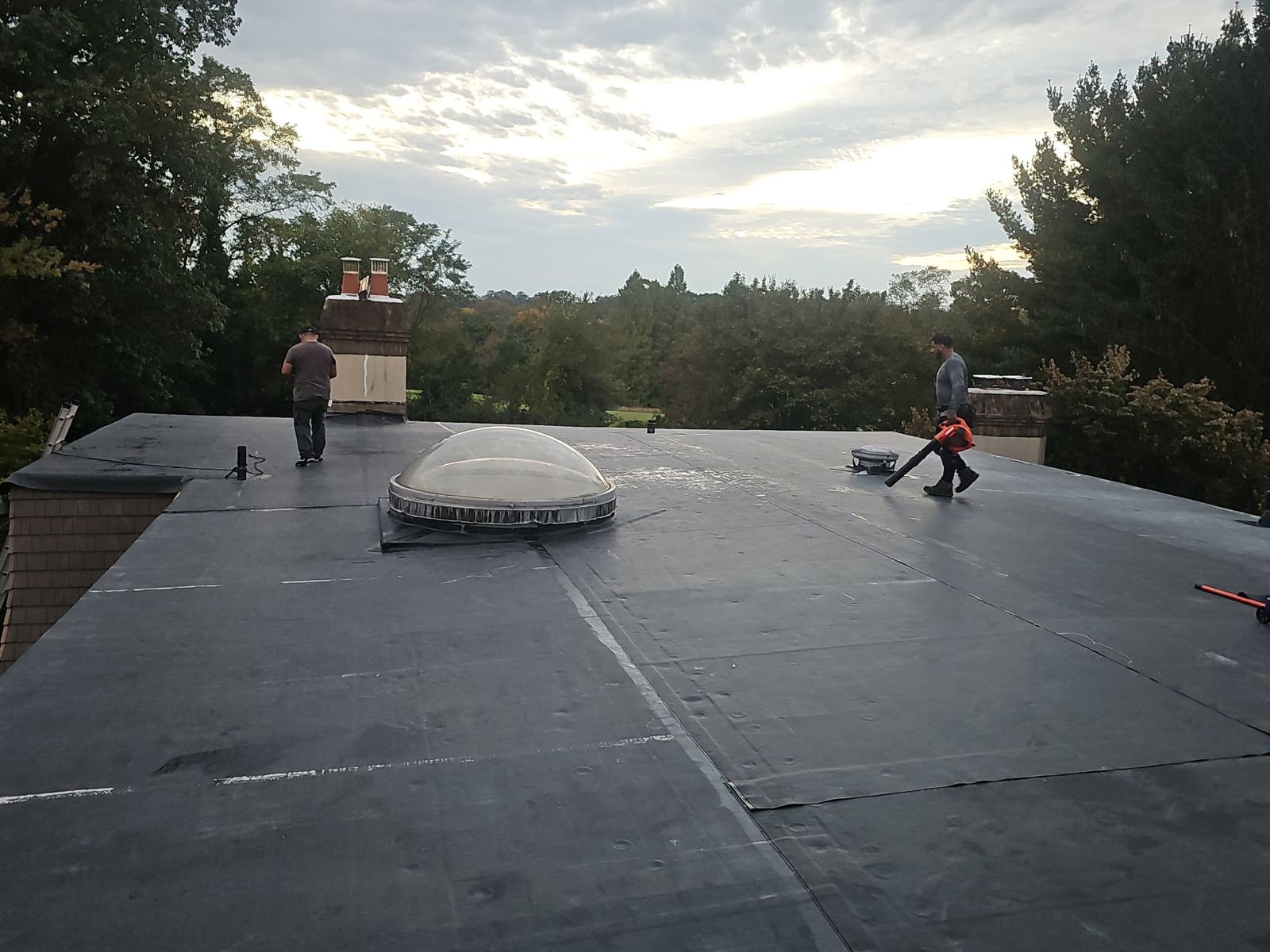
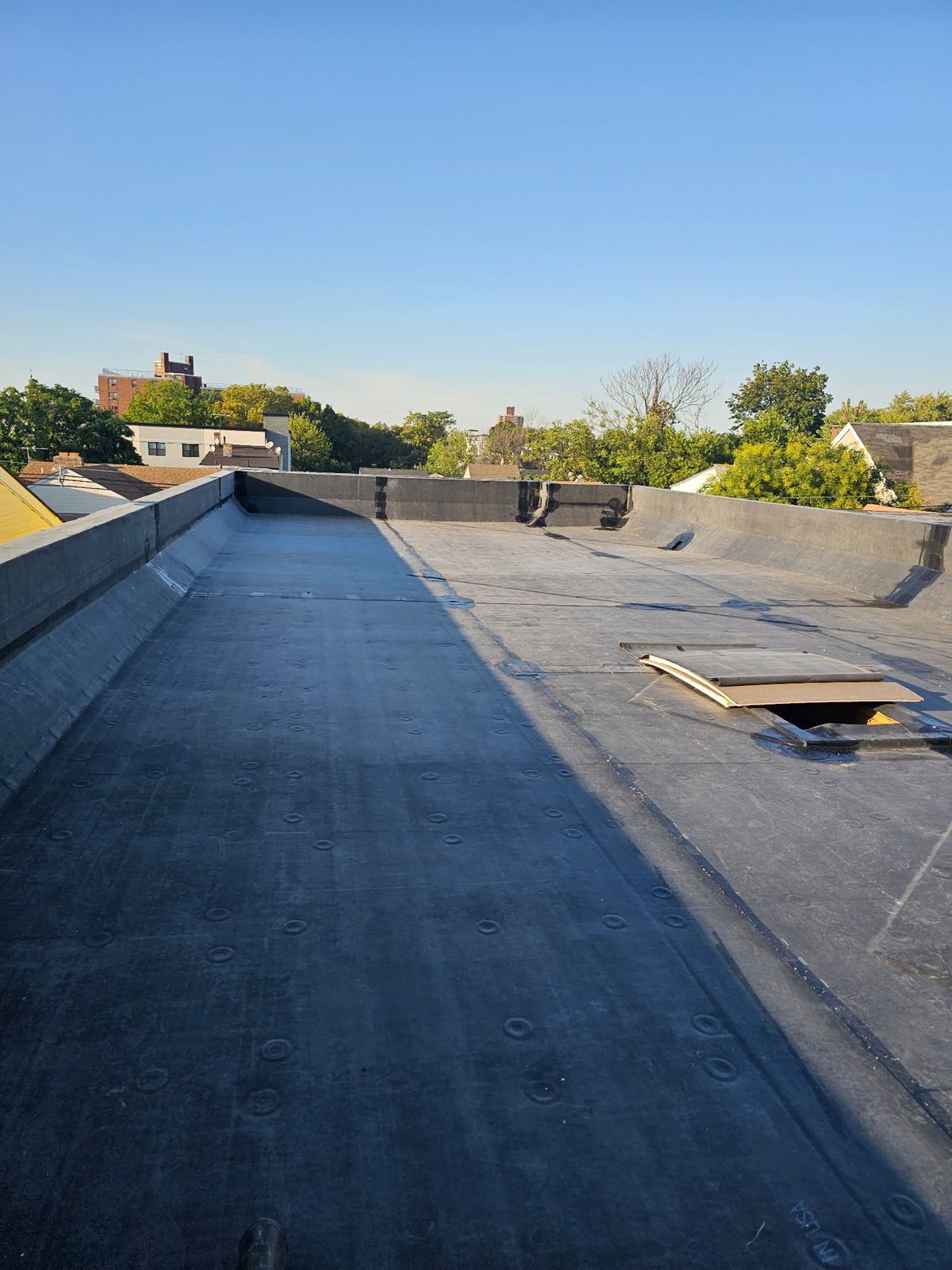
Low-slope roof sections, such as covered porches, additions, or rear entries, require specialized waterproof membranes. Standard shingles installed on low-slope pitches allow standing water to back up under the laps. For these flat or low-pitch spaces, rubberized EPDM or single-ply TPO membrane systems are installed with heat-welded or adhesive-sealed seams. This creates a watertight seal that channels rainwater away from residential walls.
- Architectural shingles rated for high-velocity coastal wind uplift
- Algae-resistant granule surface coatings to maintain material appearance
- EPDM and TPO membrane systems for low-slope roof sections
- High-grade synthetic underlayments replacing traditional organic felt
Site Safety, Property Protection, and Project Timelines
Managing property protection and waste removal is a core part of executing a clean replacement project. Before work starts, heavy tarps cover surrounding landscaping, air conditioning units, siding, and outdoor decks. Crew members use specialized shingle tear-off tools to control falling debris and direct discarded materials straight into containment trucks parked on site.
Most standard residential replacements require one to two working days, minimizing disruption to your routine. Crew supervisors perform magnetic sweeps across driveways, walkways, and lawns to collect stray nails and metallic fasteners. A final walkthrough confirms that all downspouts, flashing seals, and vent pipes are correctly positioned and free of debris.
- Protective covering for decks, landscaping, and exterior utility units
- Daily containment and removal of torn-off materials and debris
- Rolling magnetic sweeps to clear nails from driveways and lawns
- Standard single-family project execution within one to two working days
Insurance Claim Management and 24/7 Emergency Response
High winds, hail, and fallen trees cause sudden damage to residential roofs across Ocean County. When severe weather breaches your home, emergency mitigation stops active water ingress before major structural decay occurs. Storm Guard Roofing provides 24/7 emergency response to apply temporary tarping and seal damaged sections against incoming rain.
Navigating insurance claims requires accurate documentation and detailed physical evidence. Our estimators assist property owners by inspecting storm damage, taking detailed photos of missing shingles or broken decking, and writing itemized estimates. We meet directly with insurance adjusters on site to confirm the scope of work necessary for a complete roof replacement under the policy terms.
- 24/7 emergency response for immediate leak containment and tarping
- On-site consultation with insurance adjusters to review storm damage
- Complete photographic documentation of structural and material loss
- Detailed line-item estimates compliant with standard insurance software
Forked River questions we get asked
- How long does a roof replacement take on a single-family home in Forked River?
- Most residential replacements take between one and two days. Factors like total square footage, roof pitch, weather conditions, and structural plywood repairs can affect the exact timeline.
- Why is a complete tear-off recommended instead of installing new shingles over old ones?
- A complete tear-off allows technicians to inspect the wood decking for rot, replace weak plywood, and apply waterproof ice and water shield directly to the substrate, preventing hidden leaks.
- How does Storm Guard Roofing assist with insurance claims for storm damage in Forked River?
- We document damage with detailed photography, create standardized estimates, and meet on site with your insurance adjuster to review structural requirements and scope of replacement.
- What type of roof material works best for Forked River homes exposed to coastal weather?
- Heavyweight architectural asphalt shingles rated for high wind uplift work best for steep-slope roofs, while low-slope areas require EPDM or TPO membrane systems to handle standing water.
More in Forked River
Call (201) 403-0024 for a Forked River inspection, or send the form.