Fort Lee · Bergen County
Roof Repair Services in Fort Lee, NJ
Storm Guard Roofing provides specialized roof repair services throughout Fort Lee, New Jersey (ZIP code 07024). Operating as a family-owned, licensed, and insured contractor with over 25 years of local field experience, our team focuses strictly on diagnosing and resolving structural roof failures, active leaks, and severe weather damage. Fort Lee's geographical position overlooking the Hudson River creates distinct microclimates characterized by persistent wind gusts and severe seasonal shifts. Homes and multi-family buildings in neighborhoods such as Coytesville, Palisade Avenue, the Main Street corridor, Linwood Park, and Bridge Plaza require precise repairs rather than standardized full replacements when structural components remain sound. Whether addressing torn shingles from a coastal storm system or repairing degraded chimney flashing, we provide 24/7 emergency response and directly manage the insurance claims process for property owners. Call (201) 403-0024 to dispatch a repair technician.
Wind Exposure and Uplift Repair Methods in Fort Lee
The elevated topography along the Palisades generates high wind velocity that strips ridge caps, destabilizes underlying underlayment, and breaks shingle seal strips. Ridge caps and step flashing consistently absorb the highest wind loads along the cliffline and near the Hudson River approaches. When repairing wind-damaged asphalt shingle systems in Fort Lee, standard installation methods often fail under repeated exposure.
To counter uplift forces in areas exposed to river winds, our repair procedure incorporates mechanical and adhesive upgrades. We hand-seal all newly installed ridge and hip caps using asphalt plastic cement to ensure immediate bonding. Replacement shingles are fastened using six-nail patterns directly through the manufacturer nail line, increasing pull-through resistance during high-wind events. On slopes with high wind exposure, we specify replacement shingles with elevated uplift ratings matching or exceeding original specifications.
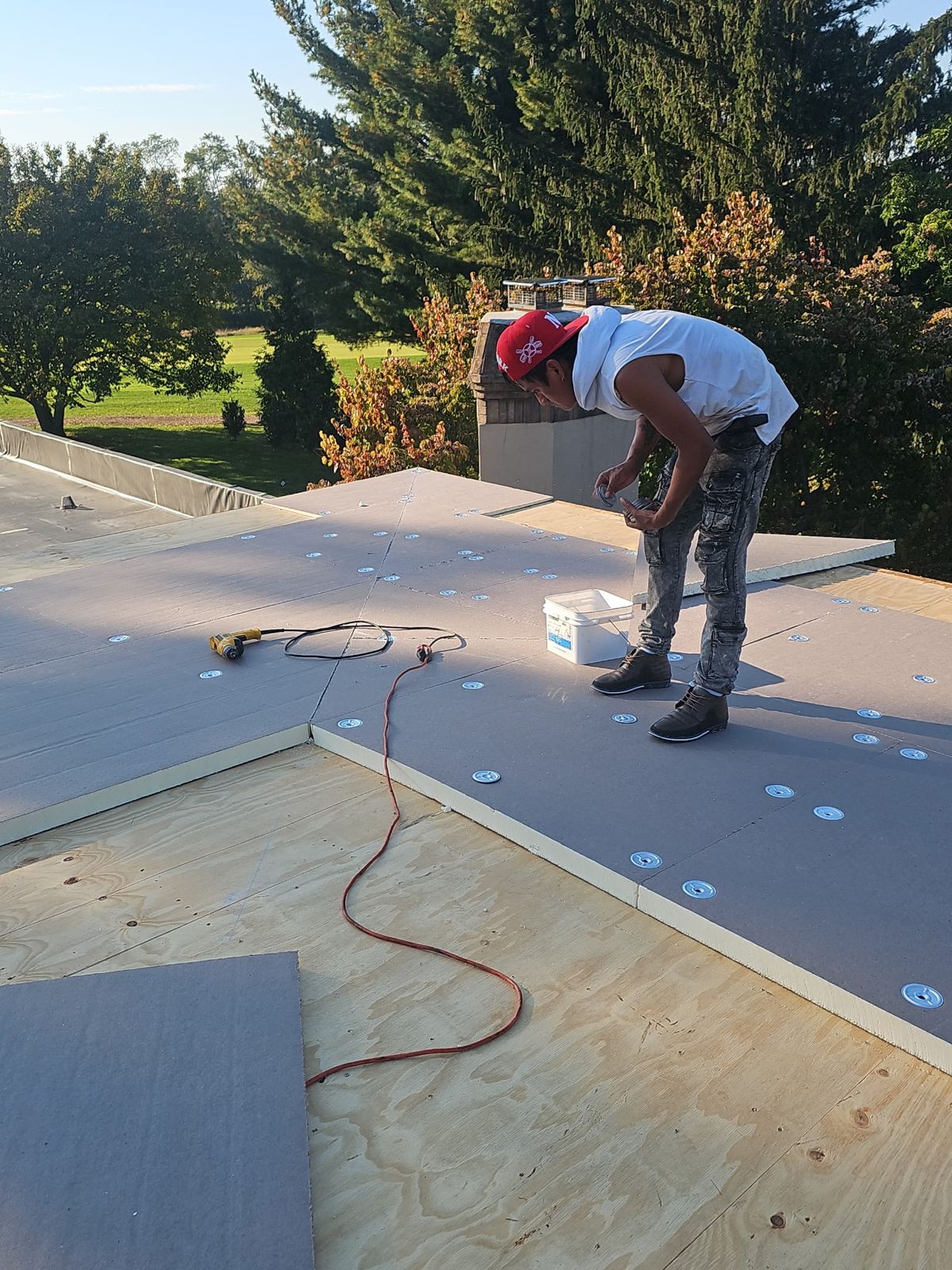
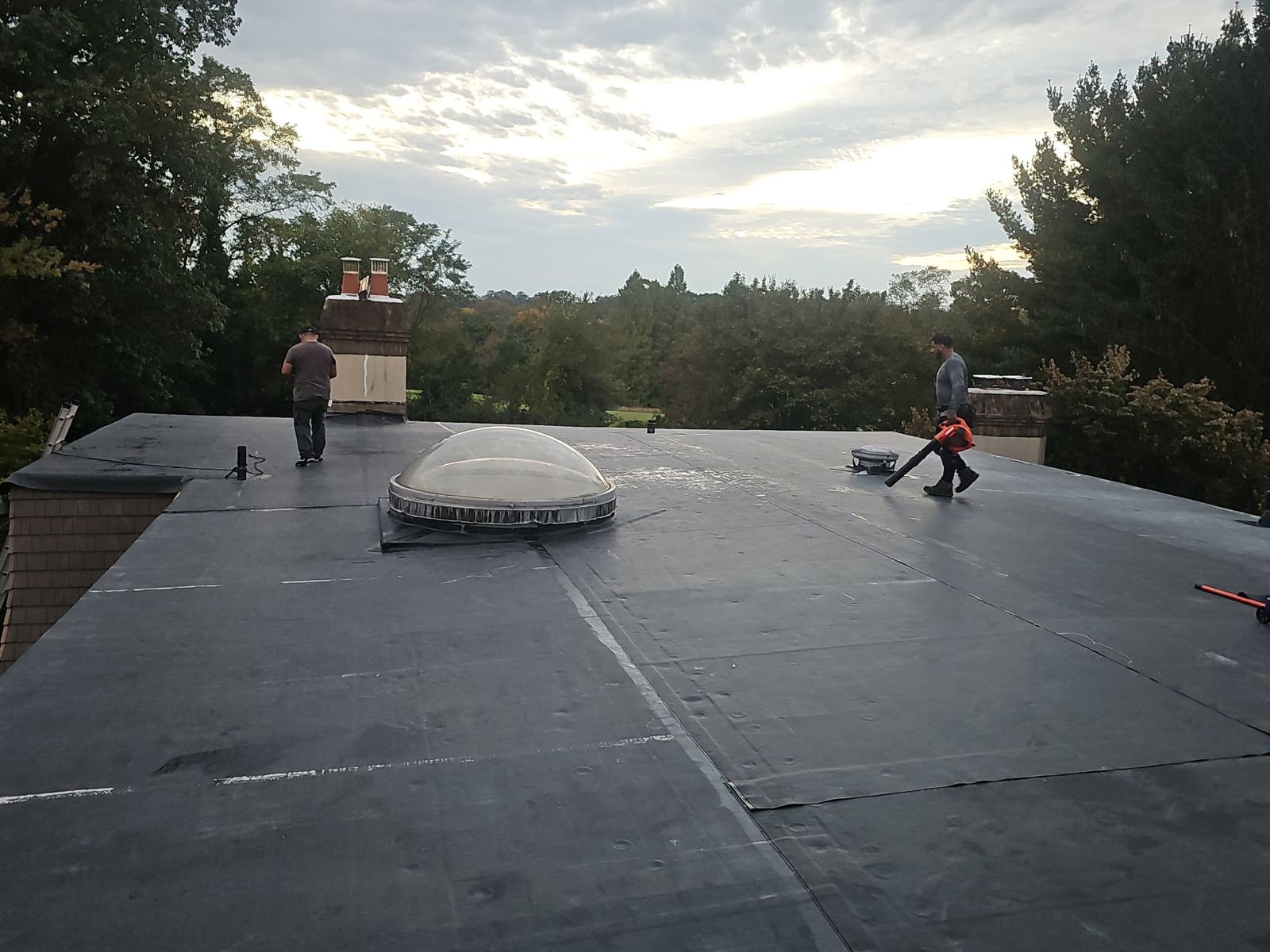
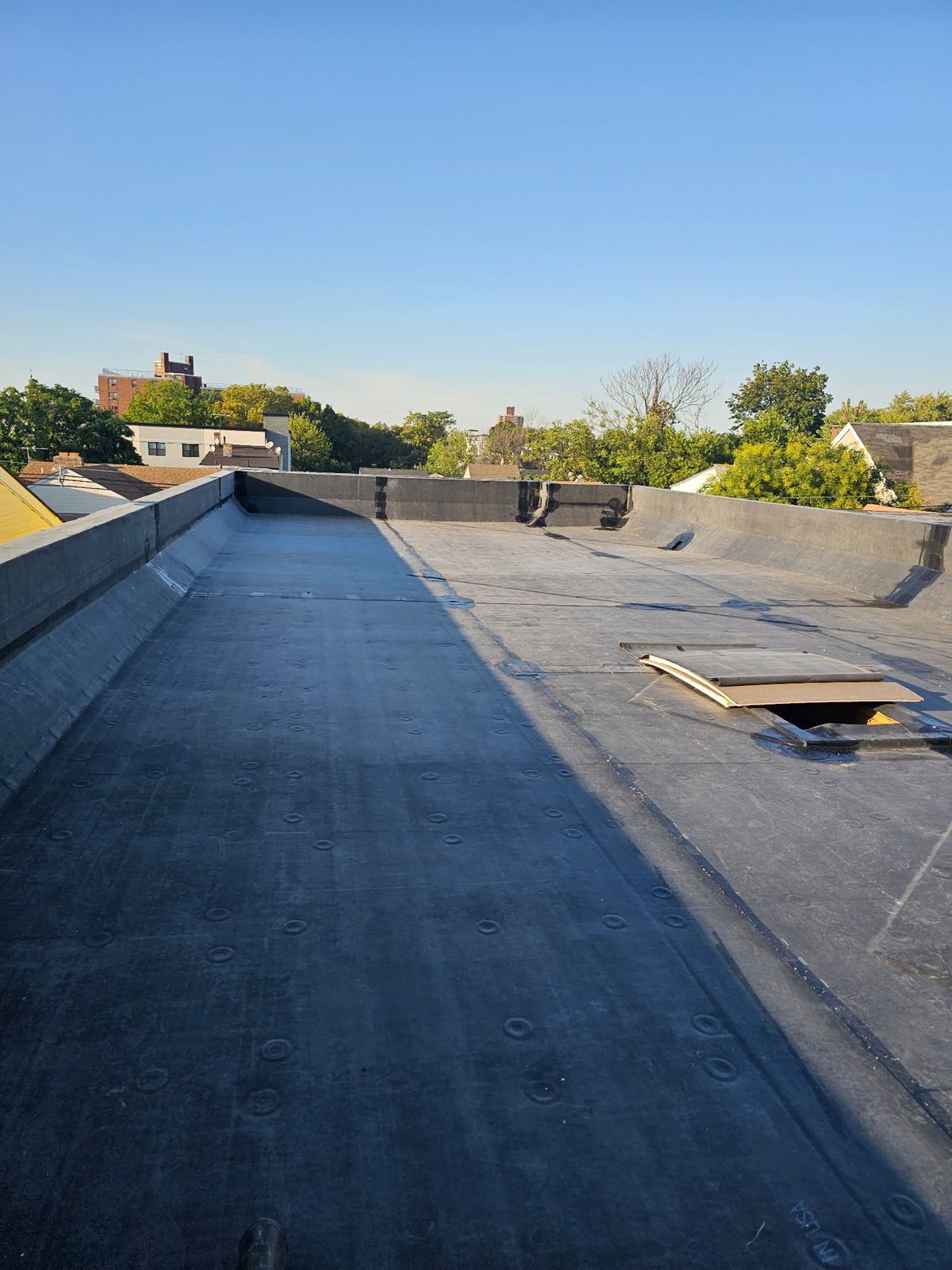
For low-slope and flat roofing systems adjacent to the bridge approach, wind dynamics operate differently. Negative pressure creates suction along the deck edges, making the perimeter the primary point where wind pulls a membrane loose. During flat roof repairs, we install extra perimeter fastening and secure heavy-gauge, mechanically attached edge metal to anchor the membrane against uplift forces.
- Hand-sealing of all replaced hip and ridge caps using high-tack asphalt cement
- Six-nail fastening pattern applied on all shingle replacements along high-exposure slopes
- Extra perimeter mechanical fastening and heavy-gauge edge metal installation on low-slope systems near Bridge Plaza
- Targeted replacement of wind-damaged underlayment with high-temp self-adhering ice and water protection
Common Failure Points: Flashing, Valleys, and Masonry Penetrations
Water infiltration in Fort Lee properties frequently originates from failing transitions rather than the center of a shingle field. In historical homes near Coytesville and multi-family units along Linwood Park and Palisade Avenue, step flashing around sidewalls and dormers degrades due to thermal expansion and contraction. When step flashing corrodes or separates, water flows behind the exterior cladding, damaging interior wall structures before showing visible ceiling stains.
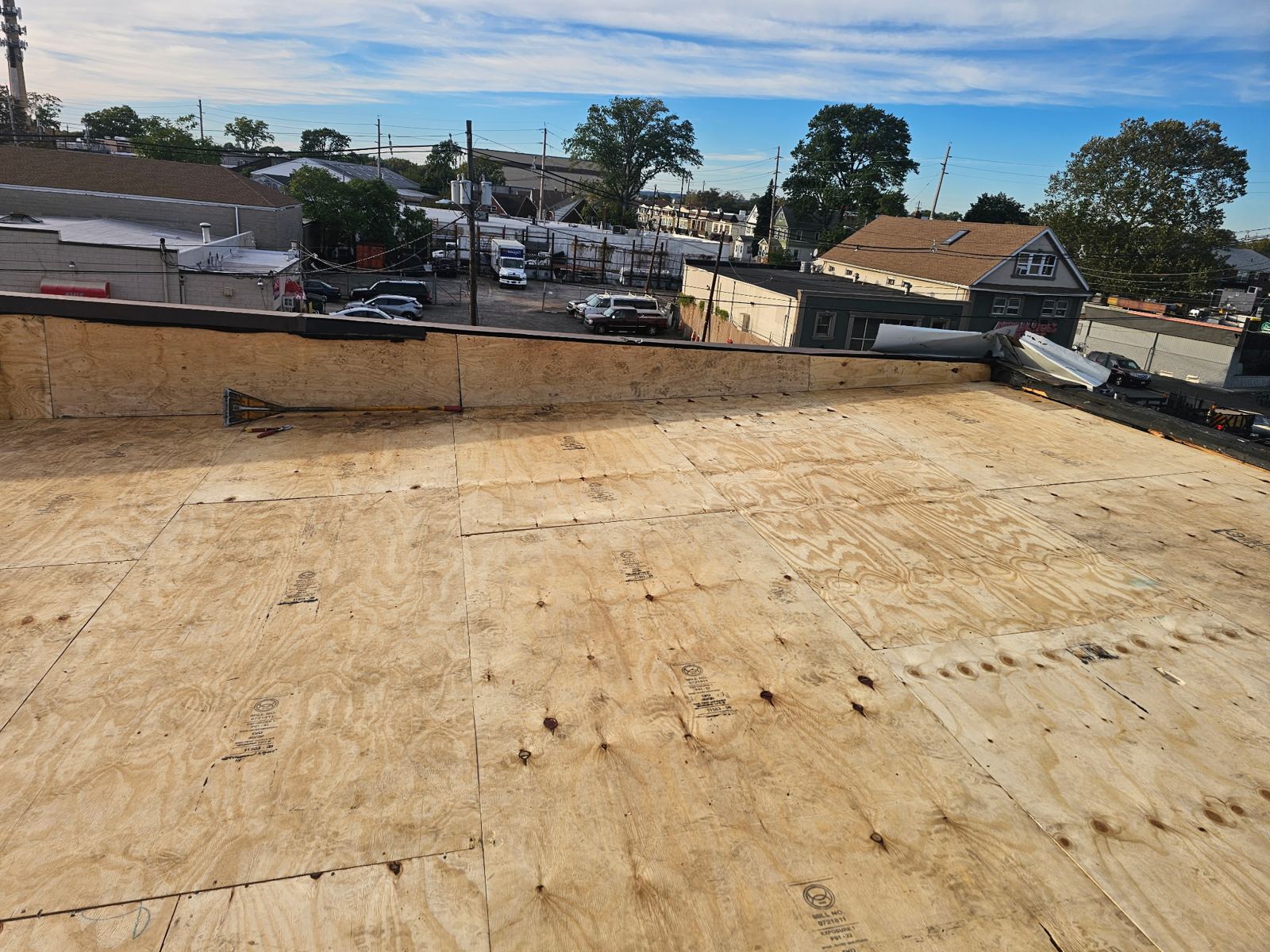
Valleys present another frequent failure point. Open metal valleys or closed-cut shingle valleys accumulate ice dams during Northern New Jersey winters. Freeze-thaw cycles force water upward underneath the surrounding course of shingles, rotting the plywood deck. Our repair process involves removing compromised shingle courses, inspecting the decking for rot, replacing compromised sheathing, and laying down a self-adhering ice and water shield membrane before re-shingling and integrating continuous copper or aluminum valley liners.
Masonry chimneys along the Main Street corridor often experience counter-flashing failure. Mortar joints deteriorate over time, allowing water to bypass the lead or copper flashing. We cut out failed mortar joints, install new custom-bent metal counter-flashing, and seal the joints with polyurethane masonry sealant.
- Step flashing repairs utilizing heavy-gauge aluminum or lead-coated copper at wall intersections
- Valley restoration including rotted decking replacement and ice-and-water membrane application
- Custom-bent chimney counter-flashing installation into ground-out mortar joints
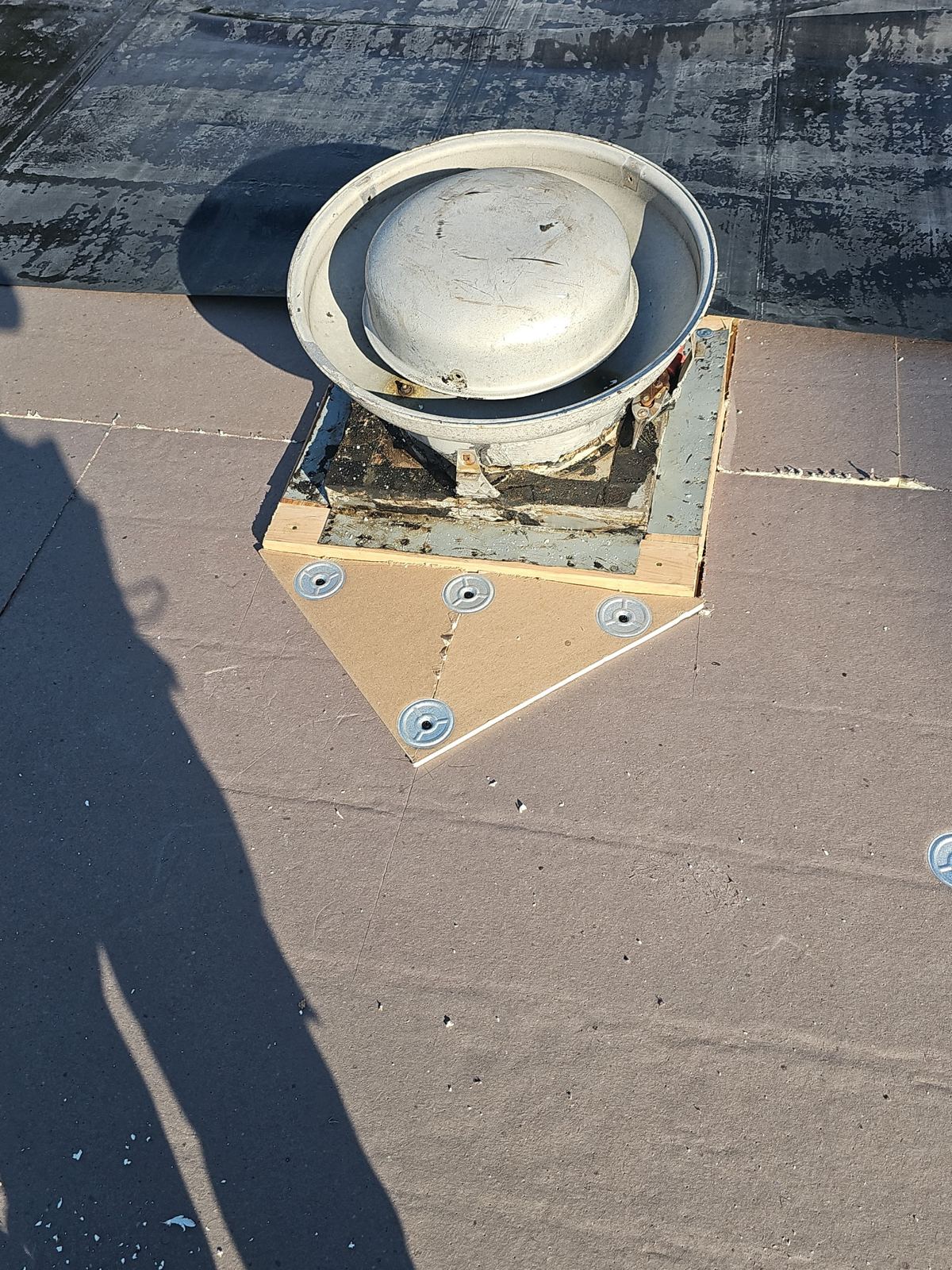
- Pipe boot and vent flashing replacements using UV-resistant rubber seals
24/7 Emergency Tarping and Insurance Claim Procedures
Active roof leaks require rapid structural containment to prevent interior water damage, electrical hazards, and mold growth. Storm Guard Roofing maintains a dedicated 24/7 emergency response unit reached at (201) 403-0024 to execute temporary repairs and emergency tarping across Fort Lee. We secure heavy-duty UV-resistant tarps using wooden furring strips anchored into structural rafters, ensuring the cover holds during high winds without inflicting additional damage on surviving roof sections.
Following emergency stabilization, we document all storm-related damage for insurance claims. Severe wind and hail events in Bergen County often justify insurance coverage for structural repairs. We meet directly with insurance adjusters on-site to review the scope of loss, ensuring structural damage to decking, underlayment, flashing, and trim is accurately calculated in the claim estimate.
Our team handles communication with your carrier from initial inspection to final repair completion, verifying that all repair specifications comply with local Fort Lee construction codes without unnecessary out-of-pocket costs to the property owner.
- Immediate 24/7 dispatch for severe active leaks and wind-related roof exposure
- Secure emergency tarping utilizing anchored wood battens to prevent blow-offs
- Comprehensive photographic damage documentation and thermal moisture scanning
- Direct coordination with home insurance adjusters during field inspections
Repair vs. Replacement Cost Dynamics in 07024
Homeowners frequently face a choice between spot repairs and complete roof replacement. In Fort Lee, where real estate values remain strong, unnecessary replacements consume capital that could be preserved through precise, engineered repairs. A targeted repair is appropriate when structural decking is intact, total shingle loss is under 25 percent, and surrounding field shingles maintain adequate granule retention and flexibility.
When evaluating costs, a targeted repair generally expenses a fraction of a full tear-off and replacement. If a roof is under 15 years old and the leak is isolated to flashing failures, valley breakdown, or localized wind damage, repairing the specific failure zone restores full weather-tight integrity while extending the system's service life by five to ten years.
For repairs involving structural sheath modification or extensive alterations, compliance with the Fort Lee Construction Code Official is mandatory. Storm Guard Roofing pulls all required municipal permits, schedules necessary inspections, and ensures all work conforms to current New Jersey Uniform Construction Code standards.
- Complete structural assessment of decking, underlayment, and granular layer condition
- Financial comparison evaluating immediate repair cost versus remaining system lifespan
- Preservation of intact roofing systems through isolated component replacement
- Full compliance with Fort Lee building permit requirements and municipal code inspections
Fort Lee questions we get asked
- Why do roofs near the Palisades experience more severe wind damage than inland Bergen County homes?
- Fort Lee's location along the Palisades cliffline creates wind lift dynamics where gusts coming off the Hudson River accelerate upward over the ridge. This exerts higher uplift pressure on shingles, hip caps, and edge metal, particularly in neighborhoods near Palisade Avenue and Bridge Plaza.
- Do I need a municipal permit from Fort Lee for a minor roof leak repair?
- Minor shingle replacements and localized flashing repairs typically do not require a full construction permit under the New Jersey Uniform Construction Code. However, if the repair requires replacing structural plywood sheathing or altering large sections of decking, Storm Guard Roofing handles the permit filing with the Fort Lee Building Department.
- How do you match existing shingles on older Fort Lee homes during a repair?
- We analyze the manufacturer, color profile, and exposure width of your existing asphalt shingles. For older homes in Coytesville or Main Street, we source architecturally compatible shingles from major manufacturers to ensure structural integration and uniform visual blending.
- What is the process for emergency roof tarping during a heavy storm in ZIP 07024?
- When you call (201) 403-0024 for emergency service, our crew dispatches with commercial-grade waterproof tarps. We mount the tarp over the ridge line or damaged field and fasten it securely with anchored wood strips to prevent wind from catching the edges, sealing the structure until weather permits permanent repairs.
More in Fort Lee
Call (201) 403-0024 for a Fort Lee inspection, or send the form.