Irvington · Essex County
Roof Repair Services in Irvington, NJ
Storm Guard Roofing provides specialized roof repair services for residential properties throughout Irvington, New Jersey. With over 25 years of hands-on experience as a family-owned, licensed, and insured contractor, our team addresses structural leaks, weather damage, and material degradation without pushing unnecessary full-roof replacements. Irvington's dense housing stock—dominated by pre-1940 two- and three-family frame homes with low-slope rear additions and original yankee gutters—requires targeted technical knowledge to properly diagnose and correct water infiltration. Whether dealing with emergency wind damage along Stuyvesant Avenue or persistent leaks near Chancellor Avenue, we deliver prompt field assessments and 24/7 emergency response. We work directly with insurance companies to manage claims from initial inspection to final repair completion. For immediate repair service or emergency dispatch, contact Storm Guard Roofing at (201) 403-0024.
Water Infiltration Vulnerabilities in Irvington Housing Stock
Irvington's residential neighborhoods feature high concentrations of pre-1940 two- and three-family frame homes. These structures present specific engineering challenges when roof systems reach the end of their functional lifespans. Water infiltration frequently originates at the junction where steep-sloped main roof pitches meet flat or low-slope rear additions. Because low-slope additions retain water and snow longer than pitched roofs, improper transition membrane details lead to rapid deck saturation and interior ceiling leaks.
Another primary failure point in local multi-family buildings involves original yankee gutters built directly into the roof framing or overhangs. Over decades of thermal expansion, the metal liners in yankee gutters develop cracked solder joints and pinhole corrosion. When water breaches the liner, it flows backward behind the fascia boards, rotting the rafter tails and leaking into exterior wall cavities before visible water enters the living quarters.
- Solder joint fatigue and metal corrosion in historic yankee gutter systems along eaves.
- Membrane separation at the transition joint between main steep-slope roofs and low-slope rear extensions.
- Ice damming behind clogged built-in gutters along Chancellor Avenue and Springfield Avenue residential corridors.
- Accelerated asphalt shingle granule loss caused by mature tree canopy shade and organic debris accumulation.
Flashing, Valley, and Masonry Joint Repairs
Roof leaks are rarely caused by random failures in the center of a shingle field; they almost always occur at roof penetrations, vertical wall intersections, and change-of-pitch valleys. In Irvington's dense multi-story frame homes, step flashing along sidewalls and dormers degrades due to structural settling and dried sealant. When step flashing sections pull away from wood siding or brick party walls, driven rain channels directly behind the building's weather barrier.
Valleys experience high-velocity water runoff during heavy rainfall events common to Essex County. Worn-out weave valleys or corroded metal valley pans allow water to cut under adjacent shingle edges. Additionally, masonry chimneys on older Irvington homes require meticulous counter-flashing embedded into mortar joints. Damaged mortar allows water to seep behind lead or copper flashing, bypassing the roof membrane entirely and causing concealed framing rot.
- Installation of custom-bent aluminum or copper step flashing along vertical sidewalls and brick chimneys.
- Replacement of failed valley linings with self-adhered modified bitumen ice and water shields beneath woven shingles.
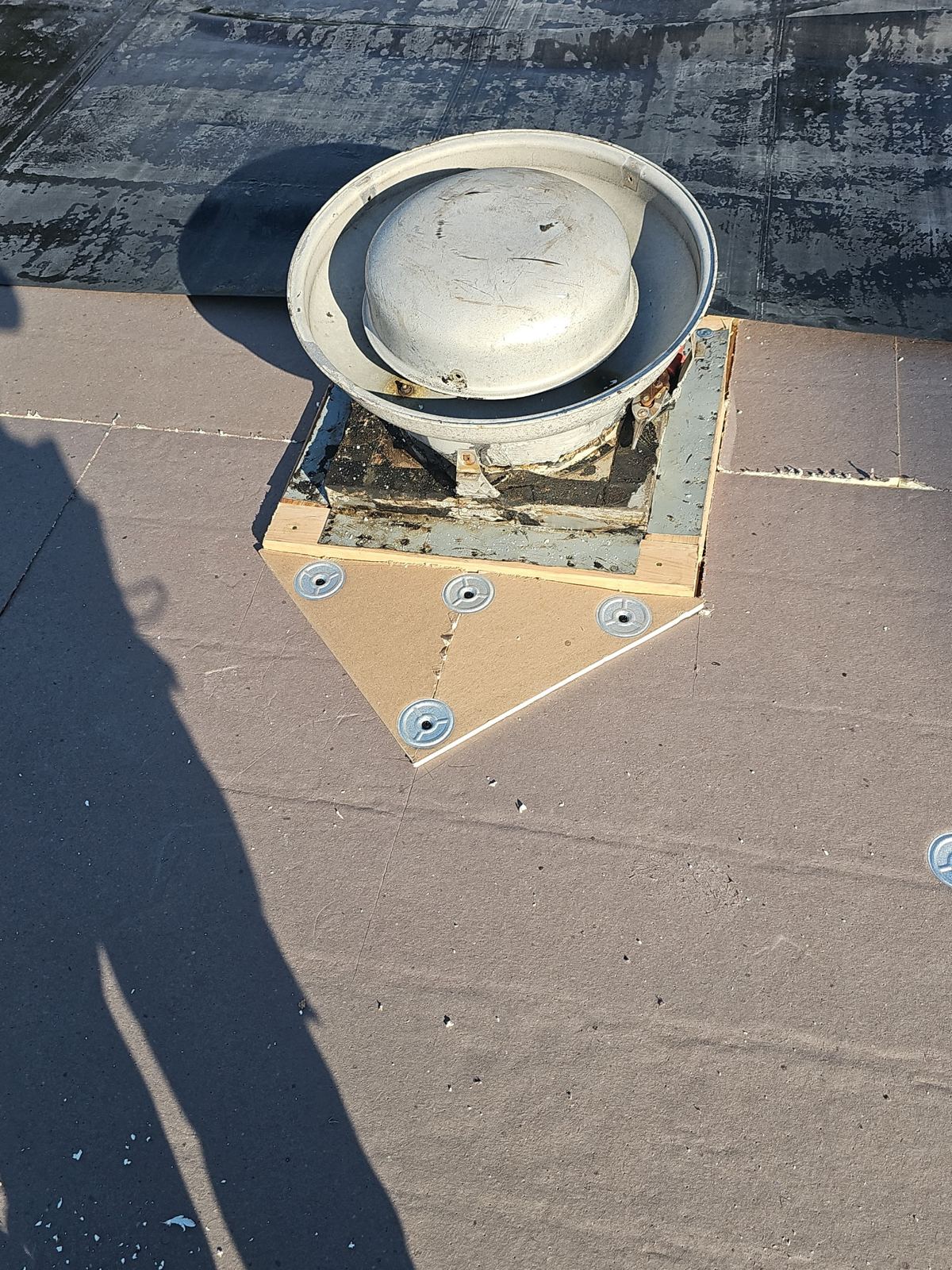
- Re-securing and sealing pipe boot flashing collars around plumbing vents and attic exhaustion stacks.
- Tuckpointing deteriorated chimney mortar joints adjacent to metal counter-flashing.
Emergency Tarping and Storm Damage Mitigation
Severe weather in northern New Jersey—including severe summer thunderstorms, winter nor'easters, and high-wind events—causes sudden structural envelope failures. Storm Guard Roofing operates a 24/7 emergency response unit to stabilize damaged roofs in Irvington immediately. When wind gusts lift asphalt shingles or falling tree limbs puncture roof decking, fast intervention prevents secondary water damage to interior ceilings, electrical systems, and structural framing.
Our emergency team performs temporary tarping using heavy-duty, UV-resistant membrane covers mechanically anchored with wood furring strips. This prevents wind from lifting the tarp while permanent repairs are coordinated. Furthermore, as experienced repair contractors, we handle storm damage insurance claims directly. We document physical evidence, prepare line-item damage estimates using industry-standard pricing software, and meet with insurance adjusters on-site in Irvington to ensure all necessary structural repairs are fully scope-covered.
- 24/7 rapid emergency dispatch for temporary tarping and structural stabilization after storm events.
- Secure mechanical attachment of waterproof tarps to prevent secondary interior water contamination.
- Comprehensive digital photo-documentation of wind-uplifted shingles, hail impacts, and deck punctures.
- Direct administrative handling of insurance claims, adjustment meetings, and supplemental estimates.
Financial Analysis: Roof Repair vs. Full Replacement
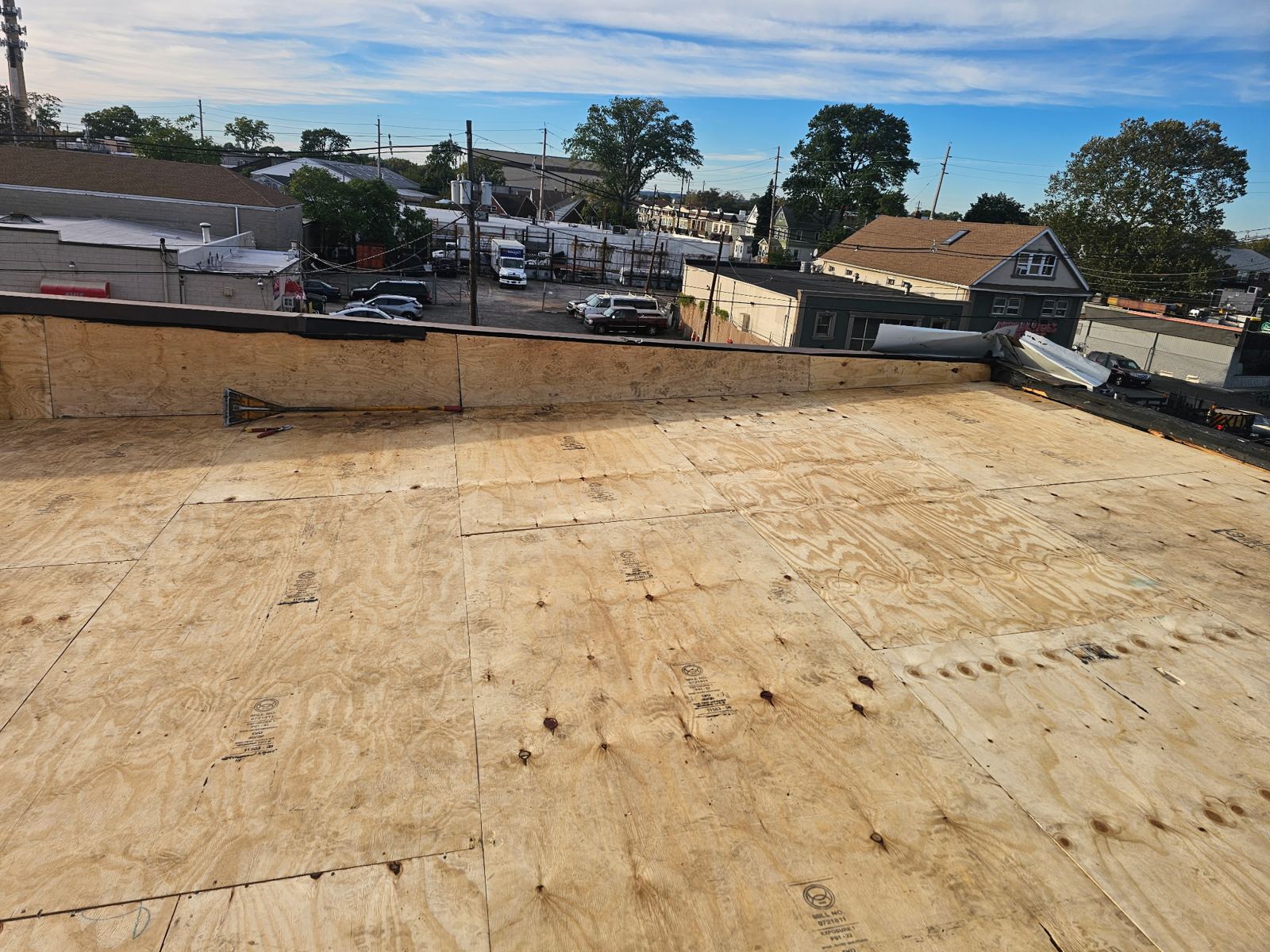
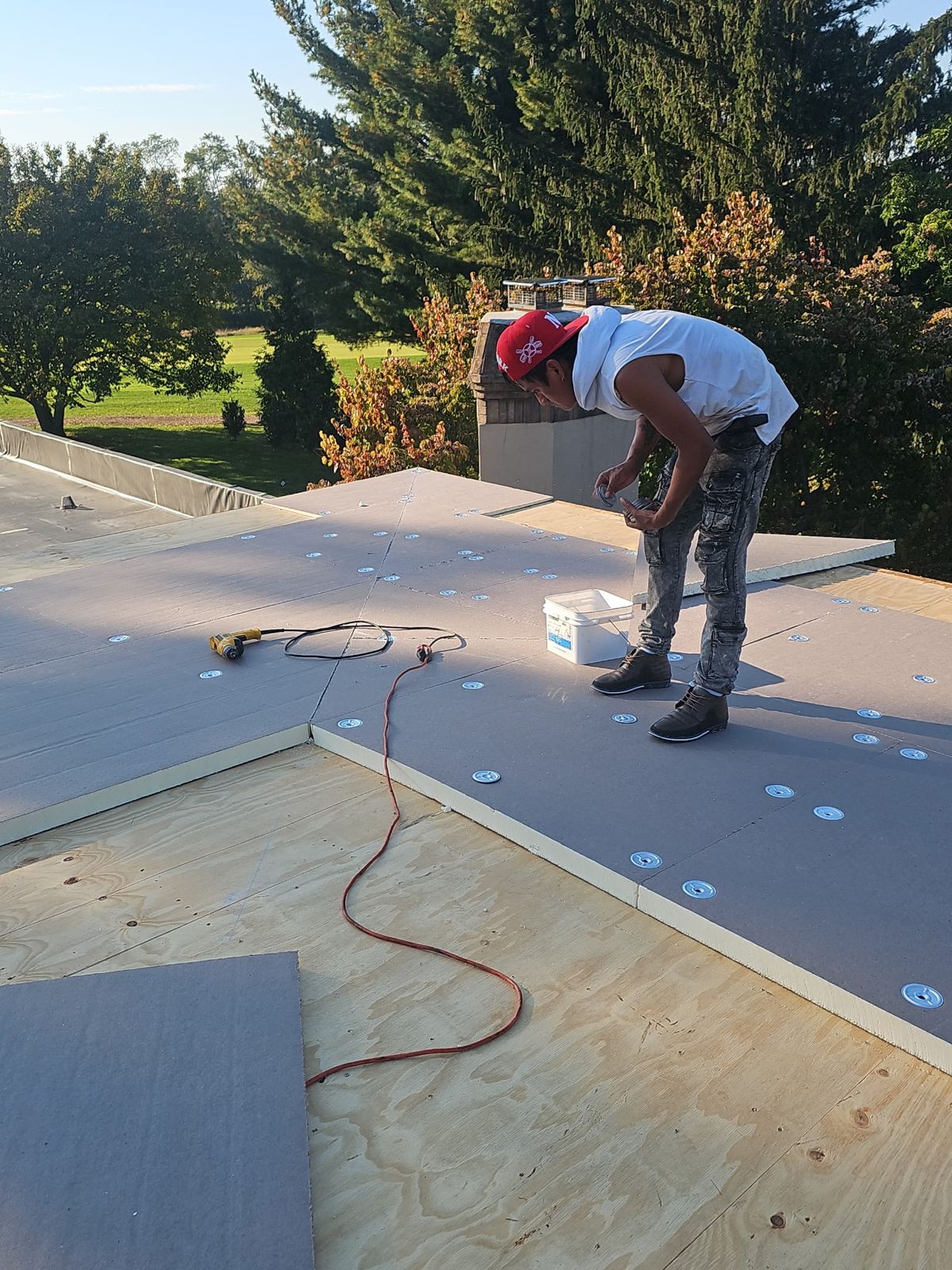
For many Irvington property owners, determining whether to execute localized repairs or perform a full tear-off replacement comes down to localized deck condition and the remaining lifespan of the surrounding material. A full replacement on a multi-family structure requires significant capital expenditure, scaffolding deployment, and waste disposal management. When water intrusion is isolated to specific components—such as a failed pipe boot, damaged valley, or compromised rear addition transition—a targeted repair restores watertight integrity at a fraction of full replacement costs.
Our diagnostic process measures the functional flexibility of existing shingles, the percent of granule loss across unaffected slopes, and the condition of underlying plywood or tongue-and-groove decking. If the main roof covering retains sufficient asphalt oils and structural integrity, replacing localized flashing, repairing yankee gutter linings, or re-shingling single storm-damaged slopes extends the total service life of the roof by 5 to 10 years without requiring capital replacement.
- Targeted repair costs typically run a small percentage of full tear-off and replacement expenses.
- Repairing isolated leak points preserves operational capital while maintaining structural protection.
- Spot repairs eliminate unnecessary landfill waste and minimize disruption to multi-family occupants.
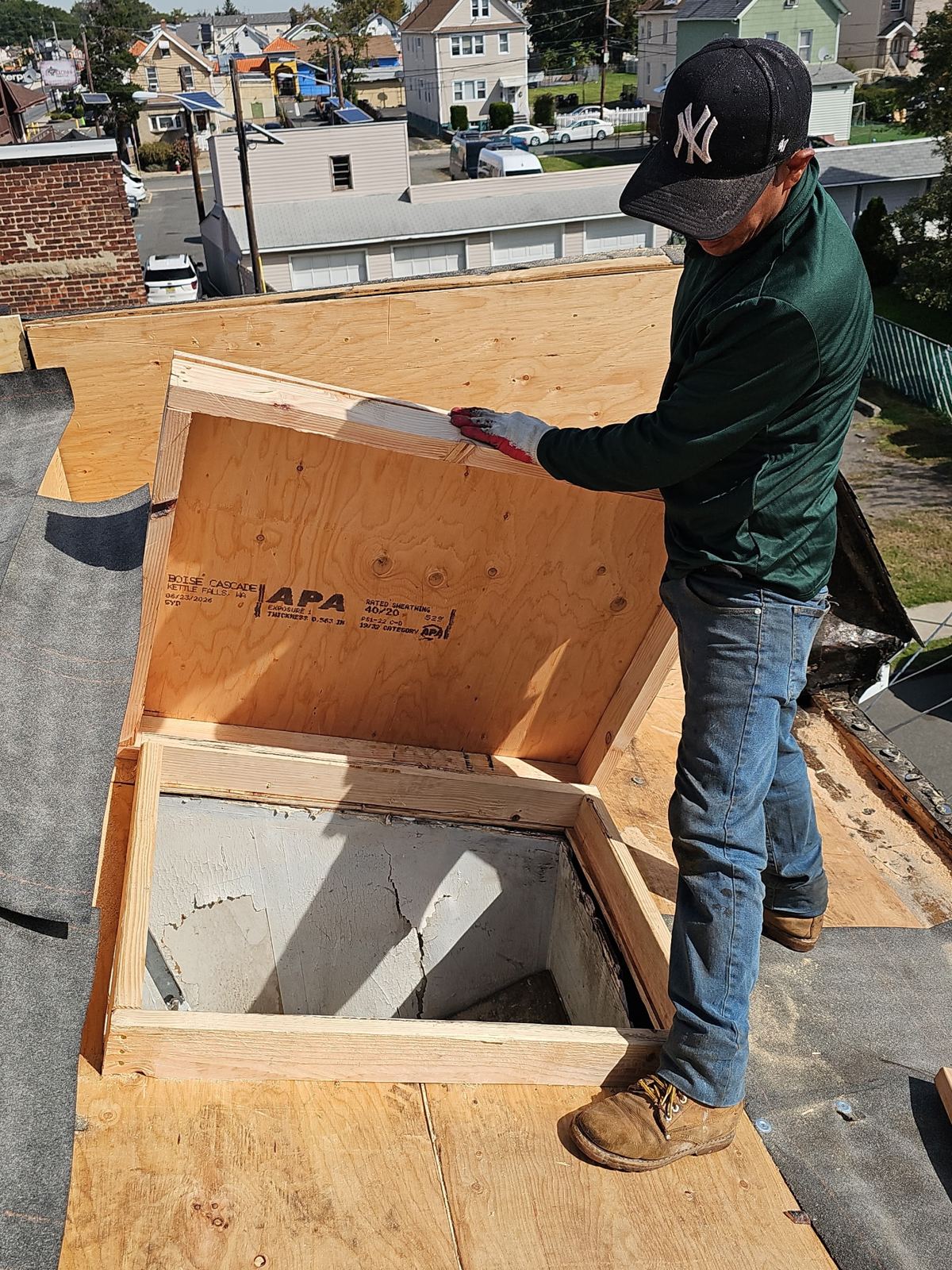
- Deck testing identifies isolated wood rot so only compromised framing is cut out and replaced.
Irvington Building Codes and Repair Permitting Standards
Roofing work in the Township of Irvington falls under the jurisdiction of the Department of Housing Services, Construction Code Bureau. While small-scale emergency patches and routine maintenance repairs under specific square-footage thresholds do not always trigger full permit reviews, structural repairs involving decking replacement or re-roofing sections require full municipal compliance.
Storm Guard Roofing manages all municipal paperwork and inspection scheduling required by Irvington local codes. We ensure that localized repairs meet current New Jersey Uniform Construction Code (NJ UCC) standards, including proper ventilation ratios, drip edge installation, and ice barrier requirements along low-slope additions and eaves.
- Compliance with New Jersey Uniform Construction Code (NJ UCC) provisions for residential repairs.
- Filing of required building permits through the Irvington Department of Housing Services.
- Verification that repair materials conform to local fire-resistance and wind-resistance classifications.
- Complete scheduling and management of municipal building inspections following project completion.
Irvington questions we get asked
- How do you fix leak issues on Irvington homes with original yankee gutters?
- Repairs on original yankee gutters involve removing damaged historic lining materials, replacing any rotted underlying framing timber, and installing modern custom-fabricated metal liners integrated with waterproof ice and water membranes.
- What should I do if my low-slope rear addition starts leaking after heavy snow in Essex County?
- Low-slope rear additions common to Irvington multi-family homes frequently experience leaks due to ice damming or standing snowmelt. Contact Storm Guard Roofing at (201) 403-0024 for immediate tarping or removal of ice jams, followed by repair or replacement of the low-slope membrane.
- Does Irvington Township require a building permit for minor roof repairs?
- Minor maintenance and spot repairs generally do not require a permit in Irvington Township, but structural deck repairs or replacement of large roof sections require permits through the Department of Housing Services. Storm Guard Roofing determines exact requirements and handles all code compliance on your behalf.
- How does Storm Guard Roofing assist with wind damage insurance claims in Irvington?
- We perform comprehensive physical assessments, document storm damage with photo evidence and line-item estimates, meet directly with your insurance adjuster on-site at your Irvington property, and handle claims processing to ensure complete repair coverage.
More in Irvington
Call (201) 403-0024 for a Irvington inspection, or send the form.