Orange · Essex County
Targeted Roof Repair Services in Orange, New Jersey
Storm Guard Roofing provides direct, targeted roof repair services in Orange, New Jersey. Operating for more than 25 years as a family-owned, licensed, and insured contractor, our technicians diagnose and resolve roof leaks, structural damage, and flashing failures. Call (201) 403-0024 for 24/7 emergency response or assistance managing property insurance claims. The local building stock in Orange features a high concentration of pre-war multi-family homes, many characterized by steep dormers, historical slate foundations, asphalt retrofits, and aging brick chimneys. These complex architectural layouts require specific repair methods to halt water infiltration without forcing expensive, unnecessary full-roof replacements. We focus strictly on corrective roofing work, securing your building envelope against Northern New Jersey's freeze-thaw cycles and severe weather events.
Identifying Water Penetration in Orange Pre-War Architecture
Multi-family homes throughout Orange, particularly near Central Avenue, the Valley neighborhood, and border areas adjacent to Montrose Park, exhibit structural details typical of early 20th-century construction. These features include steep gable ends, multi-tiered dormers, structural valleys, and wide brick chimney stacks. Over decades, settling foundations and natural expansion push roof components out of alignment, creating distinct water entry points.
Water rarely enters directly through the center of a shingle field unless physical impact has occurred. In Orange's pre-war stock, leaks most frequently originate at vertical wall intersections, internal valley troughs, and around dormer sidewalls where old slate was historically removed and replaced with asphalt shingles without updating the underlying substrate or metal flashing. Moisture travels along roof rafters before dripping into ceiling cavities, making precise leak tracing essential.
- Valley seam separations caused by ice dams during Essex County winters.
- Deteriorated underlayment beneath valley metal and asphalt shingle transitions.
- Dormer sidewall leaks where siding overlap fails to redirect driving wind-borne rain.
- Water pooling behind un-cricketed brick chimneys with wide cross-sections.
Step Flashing, Valley Failures, and Chimney Masonry Cracks
Flashing systems serve as the primary defense at every roof penetration and wall junction. On older Orange properties, original lead or heavy-gauge copper step flashing often sits embedded directly into aging brick chimney mortar. As the mortar degrades due to humidity and frost, water penetrates behind the metal counter-flashing, completely bypassing the exterior roof covering.
Repairing these failures requires mechanically clearing compromised mortar joints, installing fresh ice and water membrane, fitting new custom-bent aluminum or copper step flashing, and repointing the masonry with hydraulic cement or mortar suited for historical brick. Similarly, valley metal in high-volume drainage channels experiences corrosion and metal fatigue over time. We remove damaged valley sections, inspect exposed roof decking for rot, apply self-adhering modified bitumen underlayment, and weave fresh heavy-duty shingles or lay new metal valley lining to restore water shedding integrity.
- Removal and replacement of corroded, pin-holed, or improperly installed copper and aluminum wall step flashing.
- Tuckpointing deteriorated brick chimney joints while re-securing counter-flashing into the masonry.
- Installing rubberized ice and water shield beneath restored valleys to prevent secondary back-up leaks.
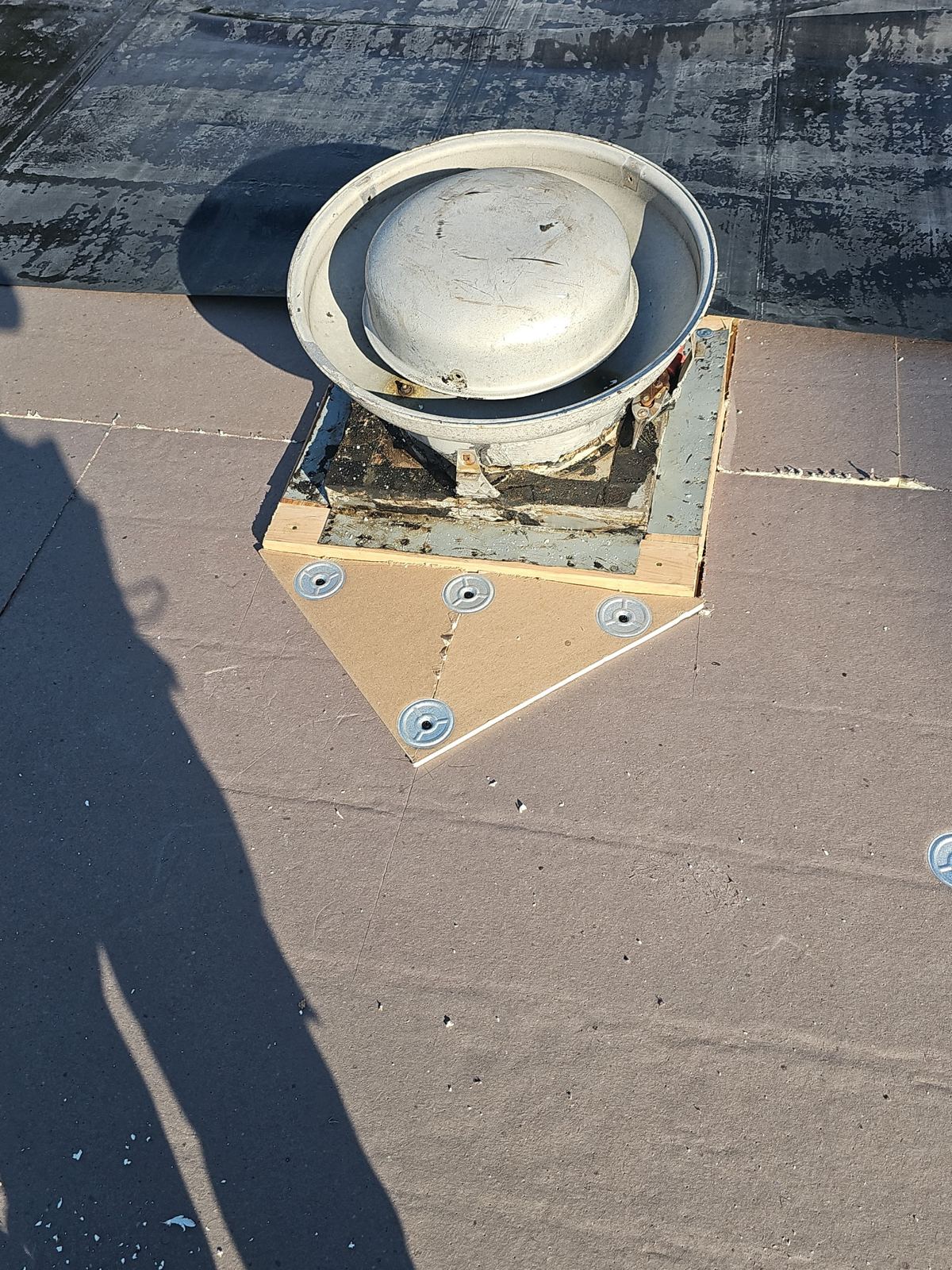
- Re-sealing pipe boots, soil stack collars, and exhaust fan curb flashings with high-grade elastomeric sealants.
Storm Damage Repair, 24/7 Emergency Tarping, and Insurance Claims
Severe weather events in Essex County bring high wind gusts, heavy wet snow, and severe thunder squalls that dislodge shingles, tear off ridge caps, and drop heavy tree limbs onto residential roofs. Storm Guard Roofing maintains a dedicated 24/7 emergency response crew reachable at (201) 403-0024 to mitigate active water damage immediately.
Emergency tarping is the critical first step after severe storm damage. We secure heavy-duty, UV-resistant synthetic tarps using wooden furring strips anchored directly into structural rafters, preventing wind uplift from blowing the temporary cover off during subsequent storms. Following emergency containment, we document all storm-induced damage—including lifted tab shingles, hail-fractured matting, and compromised decking—providing detailed repair scope estimates required by insurance adjusters to process claims accurately.
- 24/7 immediate dispatch for active leaks, wind blow-offs, and tree impact damage across Orange.
- OSHA-compliant temporary tarping anchored securely to protect interior ceilings and electrical lines.
- Comprehensive photo documentation and itemized line-item repair estimates for insurance carriers.
- Matching replacement shingles by color, profile, and manufacturer rating to maintain architectural uniform appearance.
Evaluating Repair Costs Versus Full Roof Replacement
Replacing a entire roof on a large pre-war multi-family home in Orange involves substantial financial investment, permit fees, and disposal expenses. When structural timber decking remains dry and structural integrity is intact across 85% or more of the surface, a targeted repair is mathematically and structurally superior to a total tear-off.
Repair costs depend on access difficulty, pitch steepness, materials required, and the extent of masonry or flashing work involved. Replacing a failing chimney flashing sequence, rebuilding a leaking valley, or replacing a 50-square-foot section of storm-damaged shingles typically costs a fraction of a full replacement while restoring the roof's baseline performance. Storm Guard Roofing provides transparent, itemized repair scopes detailing exact labor and material requirements so homeowners can evaluate their options objectively without sales pressure.
- Localized repairs preserve functional, non-damaged roof sections and extend total service life.
- Eliminates unnecessary landfill waste and avoids disruption to multi-family tenants below.
- Targeted fixes resolve active interior leaks immediately without waiting for full assembly tear-offs.
- Detailed cost breakdowns compare isolated repair investments against full system replacement figures.
Orange Municipal Standards and Weather Exposure Factors
Roofing repairs in Orange must withstand localized climate challenges, including high summer humidity, heavy rainfall, and freezing winter temperatures that create ice dams along uninsulated eaves. Structural repairs involving sheathing replacement or mechanical alterations strictly adhere to the New Jersey Uniform Construction Code.
When permits are necessary for expanded scope repairs, we work within the regulations monitored by the City of Orange Township Department of Planning and Development / Construction Code Enforcement office. We ensure repair zones utilize self-adhering membranes extending at least 24 inches past the interior wall line, guaranteeing that repaired sections meet current thermal and moisture protection standards for Essex County.
- Adherence to New Jersey Uniform Construction Code requirements for residential and multi-family structures.
- Installation of low-temperature self-adhering underlayment along repair margins to resist ice damming.
- Proper integration of replacement materials around historic dormers and slate-to-asphalt roof transitions.
- Fast turnarounds on site cleanup, including magnetic sweeps for nails across property lines and driveways.
Orange questions we get asked
- How do I know if my Orange home's leaking chimney needs roof flashing repair or masonry work?
- Water leaking down a chimney breast can stem from cracked step/counter-flashing, degraded mortar joints, or a damaged chimney cap. Storm Guard Roofing performs a tactile inspection of the metal flashing transitions and the surrounding brickwork. If the mortar is crumbling or counter-flashing has detached from the mortar joints, we execute integrated repairs involving both masonry repointing and fresh flashing installation.
- Do localized roof repairs in Orange require a building permit from the municipality?
- Minor maintenance and localized repairs—such as replacing a small section of damaged shingles, re-flashing a pipe boot, or repairing a isolated valley—typically do not require a full construction permit under the New Jersey Uniform Construction Code. However, if repairs involve replacing structural roof sheathing or larger continuous areas, we verify permit requirements with the Orange Construction Code Enforcement office before work begins.
- Can Storm Guard Roofing repair asphalt retrofits on pre-war multi-family roofs originally built with slate?
- Yes. Many pre-war multi-family homes in Orange feature asphalt shingles installed over historic slate substrates or modified roof decking. Our crew understands how to transition between historic slate sections, dormer walls, and modern architectural asphalt shingles, ensuring waterproof seams using proper step flashing and specialized ice and water underlayment.
- What emergency tarping steps are taken after severe wind or tree damage in Essex County?
- When you call (201) 403-0024 for 24/7 emergency response, our technicians clear loose debris, inspect structural rafter integrity, and install heavy-duty, waterproof synthetic tarps. Tarps are mechanically fastened using wooden furring strips anchored into solid roof framing—never relying on sandbags or loose bricks—to withstand high winds until permanent repairs can be completed.
More in Orange
Call (201) 403-0024 for a Orange inspection, or send the form.