Princeton · Mercer County
Roof Repair Services in Princeton, NJ
Storm Guard Roofing provides specialized roof repair services throughout Princeton, Mercer County, New Jersey. Operating as a family-owned, licensed, and insured contractor for over 25 years, our focus is diagnosing water intrusion, repairing structural roof components, and executing targeted repairs without forcing unnecessary full replacements. Call (201) 403-0024 for 24/7 emergency response or routine leak inspections. Princeton presents distinct roofing challenges due to its mixture of older architectural styles, mature tree canopy, and exposure to Northeast freeze-thaw cycles. From the tree-lined avenues of the Western Section to properties near Lake Carnegie and the historic downtown core, roof systems degrade at key transition points like wall step flashings, valley troughs, and pipe boots. We handle all insurance claim documentation directly with adjusters, providing line-item damage assessments for wind-driven rain, falling limbs, and ice damming.
Diagnosing Leak Sources: Flashing, Valleys, and Penetrations
Water migration on residential roofs rarely originates directly above where internal ceiling stains appear. Gravity and rafter angles drive water sideways along plywood deck seams before dropping into living spaces. In Princeton neighborhoods like Riverside and the Tree Streets, mature oaks and maples drop debris that clogs open valley channels and holds moisture against sidewall step flashings. When step flashing corrodes or mortar joints along brick chimneys fail, water gains access directly to wall framing and interior plaster.
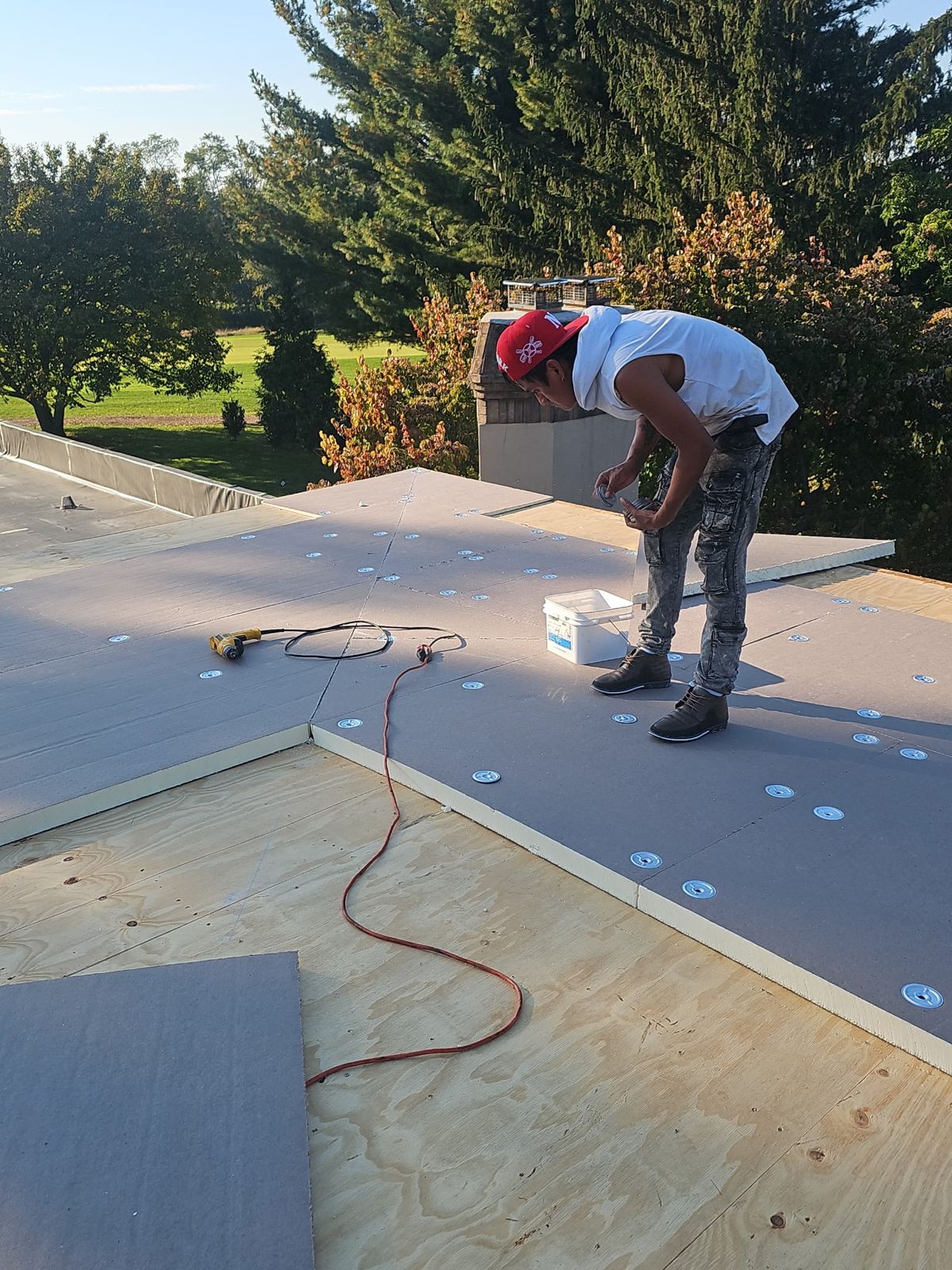
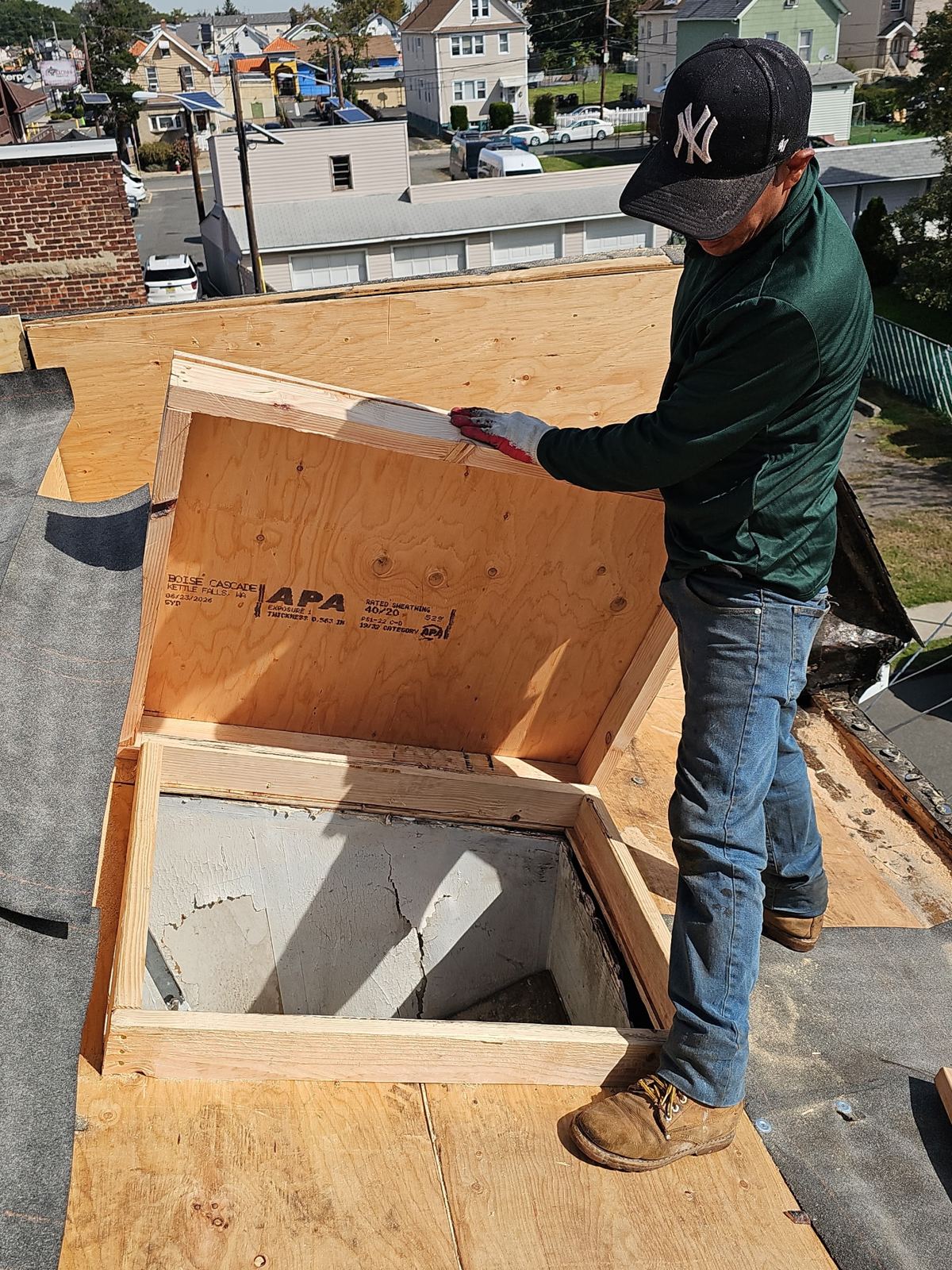
Our diagnostic process isolates structural failures at critical junctions. We inspect copper and aluminum step flashings, valley metal, plumbing vent stack boots, and skylight curbs. Ice dam formation during Mercer County winter freezes expands micro-cracks along low-slope dormers and eaves, forcing water backward under shingle courses. Replacing compromised underlayment and installing self-adhering ice-and-water shields at these failure points restores waterproofing without stripping intact sections of the roof field.
- Step and Counter-Flashing Repair: Replacing deteriorated copper or aluminum flashings embedded in chimney mortar joints and sidewall transitions.
- Valley Trough Restoration: Clearing debris dams and replacing rusted or split metal valley liners to restore unobstructed drainage.
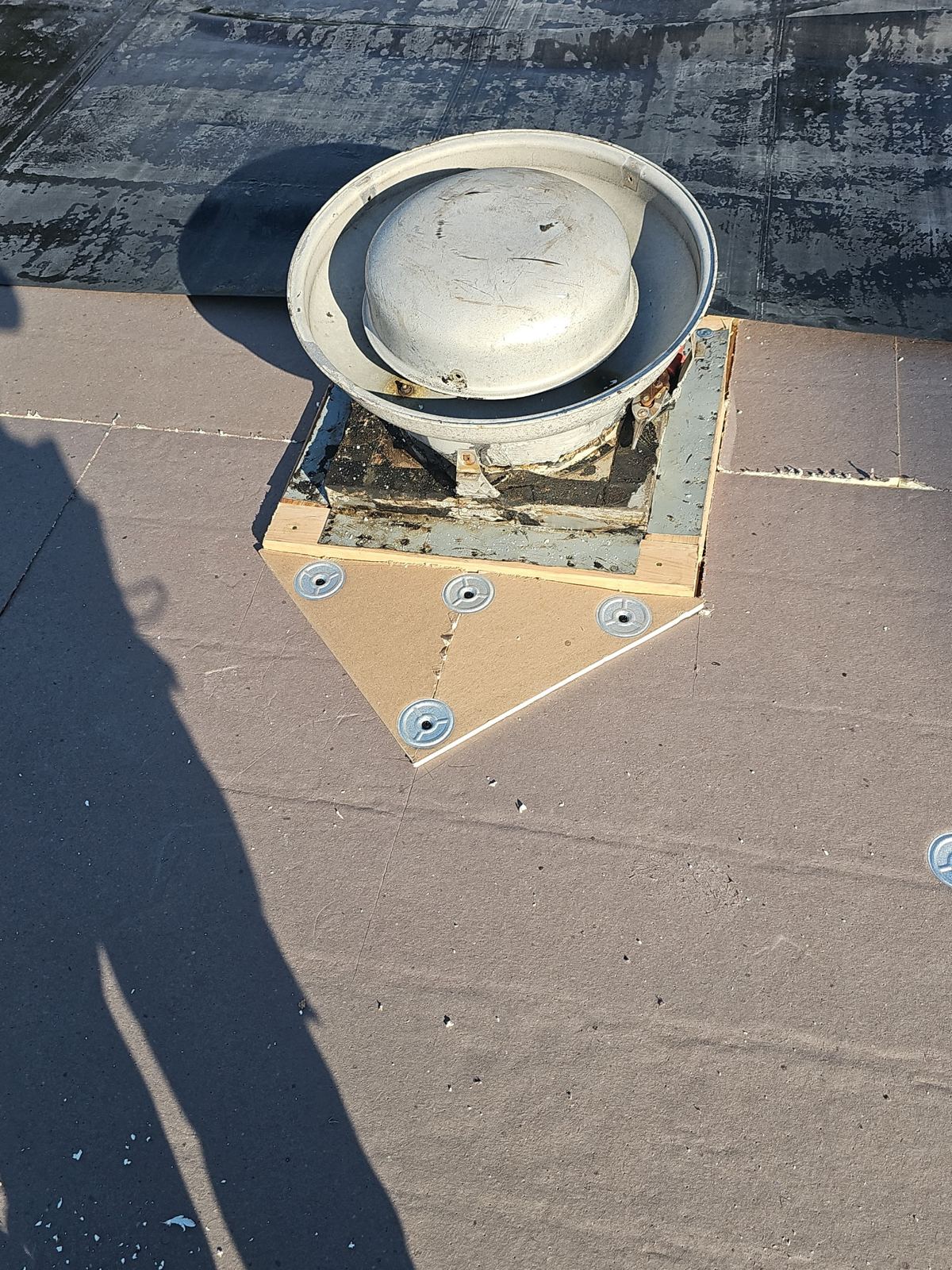
- Pipe Boot and Vent Sealing: Replacing degraded neoprene pipe boots and damaged attic power-vent collars to eliminate high-frequency leak points.
Historic District Repairs: Slate, Cedar Shake, and Copper Details
Princeton features significant historic-district homes where slate, cedar, and copper details need period-correct repair. Properties near Palmer Square, Mercer Street, and Stockton Street often feature Buckingham slate, Vermont sea green slate, or hand-split western red cedar shakes over wood lath framing. Indiscriminate use of asphalt mastics or modern synthetic patch material on these historic assemblies leads to trapped moisture, accelerated timber decay, and historic preservation code violations.
Preserving these architectural assets requires traditional installation techniques. When repairing slate roofs, individual cracked or missing slates are extracted using slate rippers without disturbing adjacent tiles. Replacement slates are copper-nailed into place, and nail heads are capped with slate ripper copper slip-flashing. For cedar shake roofs, split shakes are removed, breathable felt interlayment is restored, and matching cedar shakes are installed using stainless steel or hot-dipped galvanized fasteners. Custom copper box gutters, standing seam accent roofs, and custom copper ridge caps are repaired through traditional soldering techniques to maintain historical accuracy and long-term durability.
- Period-Correct Slate Replacement: Matching slate color, grain, and thickness using traditional slate hook and copper slip methods.
- Cedar Shake Spot Restoration: Replacing split or rotted shakes while restoring breathable underlayment strips and correct exposure.
- Hand-Soldered Copper Work: Repairing custom copper gutters, valleys, built-in troughs, and chimney counter-flashings using historical joinery.
Emergency Tarping and Storm Damage Mitigation
Nor'easters, severe summer thunderstorms, and heavy snowfall regularly damage roofing systems across Mercer County. When high winds uplift shingle tabs or falling tree limbs pierce the roof deck, immediate stabilization is required to mitigate interior water damage. Storm Guard Roofing operates a 24/7 emergency response service accessible at (201) 403-0024.
Temporary emergency tarping must be installed correctly to withstand subsequent wind and rain. We secure heavy-duty, UV-resistant tarps using wooden furring strips anchored directly into rafter lines, avoiding superficial nailing that tears shingles or lets wind lift tarp edges. Once the structure is stabilized, we perform a detailed technical assessment for insurance claims. We provide photo-documented damage reports, scope-of-work estimates formatted for insurance adjusters, and meet directly with your insurance representative on site to ensure all structural damage is fully documented.
- 24/7 Emergency Tarping: Structural securing with furring-strip anchors to prevent secondary water intrusion.
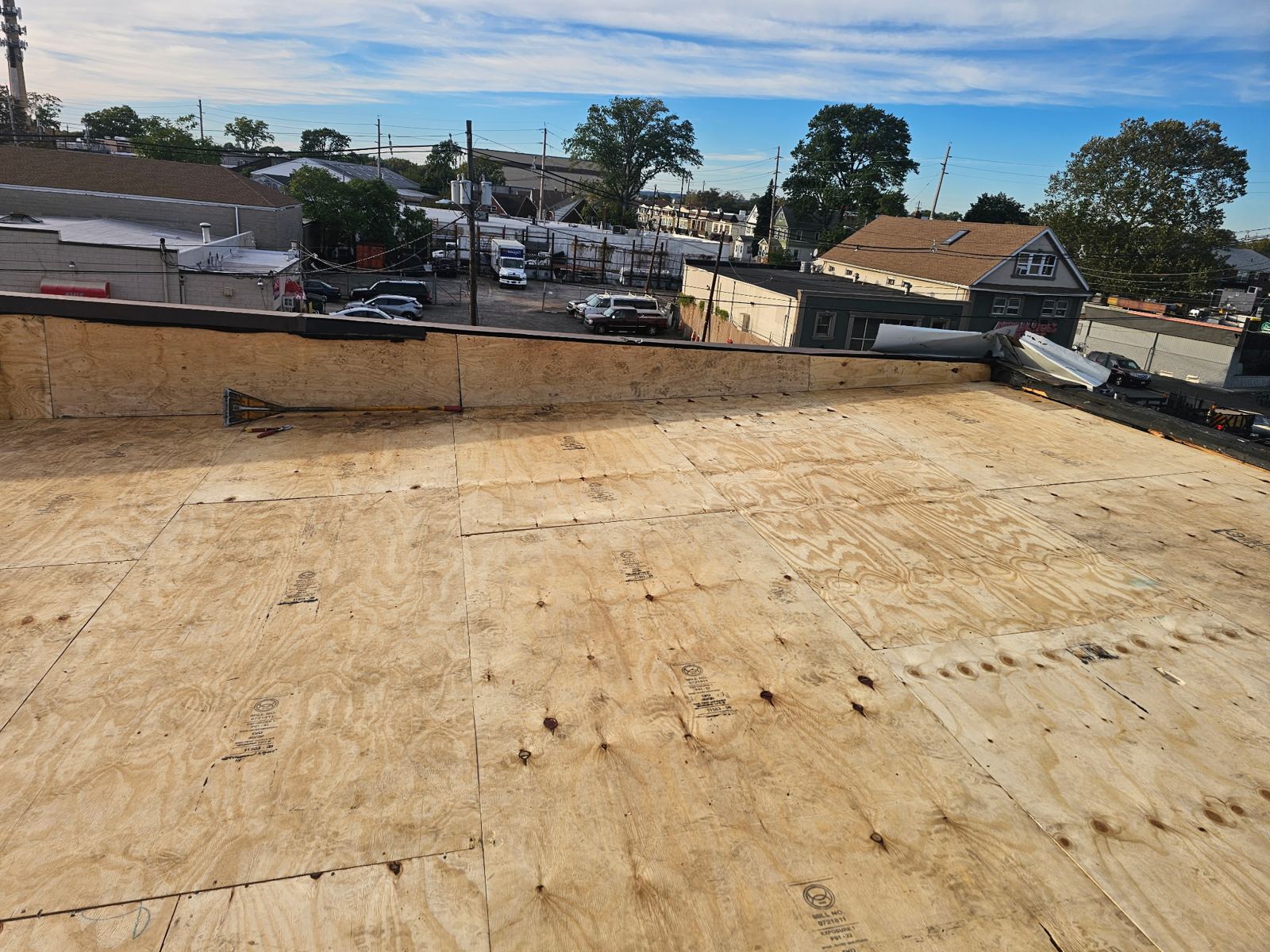
- Structural Deck Repair: Replacing shattered plywood or tongue-and-groove roof decking caused by tree limb impacts.
- Insurance Claim Representation: Photo documentation, scope creation, and adjuster meetings to streamline claims processing.
Evaluating Repair Costs Relative to Full Roof Replacement
Homeowners face a clear economic decision when choosing whether to repair a damaged roof or invest in a full replacement. If a roof field is within its expected service lifespan and structural deck integrity remains sound, localized repairs offer a cost-effective solution. A full replacement involves complete tear-off, dump fees, underlayment replacement, new flashing installation, and full shingle application across every slope. A targeted repair addresses specific failure points—such as a single leaking valley, damaged chimney flashing, or isolated wind-blown shingles—at a fraction of total replacement expenditures.
Spot repairs extend the operational life of the existing assembly while preserving existing material capital. However, if the roof has reached the end of its functional life—evidenced by widespread granule loss, curling shingle edges across multiple slopes, or soft, rotted decking across large areas—repeated spot repairs yield diminishing returns. During our initial evaluation, we analyze roof age, attic ventilation efficiency, deck condition, and overall shingle flexibility to provide clear, objective recommendations on whether a spot repair or full replacement is structurally appropriate.
- Capital Preservation: Spot repairs address targeted points of failure while avoiding unnecessary full assembly replacement.
- Objective Evaluation: Assessment of overall shingle flexibility, granule loss, and deck rot to determine repair viability.
- Detailed Scope Statements: Itemized breakdown of labor, flashing materials, and underlayment needed for targeted repairs.
Princeton Local Code Compliance and Permitting Process
Roof repairs within Princeton must adhere to specific municipal building codes and, where applicable, historic preservation regulations. Repairs involving structural deck replacement, altering roof lines, or changing material specifications in designated historic districts (such as the Mercer Hill Historic District or Witherspoon-Jackson Historic District) require historic site plan approval or administrative permits through the Municipality of Princeton Construction Division.
Storm Guard Roofing manages the regulatory process for Princeton repairs. We verify whether proposed work falls under minor maintenance or requires formal review by the Princeton Historic Preservation Commission. When working on historic properties, we submit material samples, historic profiles, and flashing details that strictly comply with local historic district guidelines, preventing stop-work orders or compliance issues.
- Permit Acquisition: Handling application filing and technical documentation with the Princeton Construction Division.
- Historic District Compliance: Ensuring replacement slate, cedar, and copper materials align with local historical commission guidelines.
- Code Standards: Executing repairs to meet New Jersey Uniform Construction Code (NJ UCC) wind and ice-shield specifications.
Princeton questions we get asked
- How do Princeton Historic District guidelines affect my slate or cedar roof repair?
- In designated Princeton historic districts, repair materials must match original materials in profile, size, color, and method of installation. Storm Guard Roofing sources period-matched slate, cedar shakes, and custom-formed copper to maintain full compliance with Historic Preservation Commission standards without delaying project timelines.
- Can a localized leak on an asphalt shingle roof in Princeton be repaired without replacing the entire slope?
- Yes. If the surrounding shingles retain flexibility and granule coverage, we can unseal compromised courses, replace defective underlayment and flashing, and weave in matching replacement shingles without replacing the full slope.
- How quickly can Storm Guard Roofing respond to an emergency roof leak in Princeton?
- We provide 24/7 emergency response for active leaks and storm damage in Princeton and Mercer County. Call (201) 403-0024 to dispatch a crew for immediate emergency tarping and temporary water mitigation.
- What causes flashing failures around Princeton chimneys and wall step transitions?
- Thermal expansion, mortar decay, and heavy rainfall cause chimney counter-flashings and wall step-flashings to separate from masonry or siding. In historic Princeton homes, older lead or copper flashings may thin out over decades, allowing water to migrate directly into structural wall cavities.
More in Princeton
Call (201) 403-0024 for a Princeton inspection, or send the form.