Princeton · Mercer County
Roof Replacement Services in Princeton, NJ
Storm Guard Roofing provides complete residential roof replacement services throughout Princeton, New Jersey, and surrounding Mercer County communities. Operating as a family-owned business for over 25 years, our company is fully licensed and insured in New Jersey. We handle complex roof tear-offs, structural re-decking, flashing overhauls, and complete roofing system replacements. When severe weather hits Central Jersey, our teams provide 24/7 emergency response to stabilize damaged structures, and we work directly with insurance carriers to process weather-related claims from start to finish. Residential properties across Princeton—from historic homes near Palmer Square and the Western Section to custom developments along Great Road and Princeton Pike—require roof replacement strategies tailored to specific architectural styles, structural age, and local environmental stresses. Storm Guard Roofing executes technical installations designed to meet municipal building codes, protect exterior envelopes, and withstand Mercer County climate extremes. Call (201) 403-0024 to discuss your project requirements.
Complete Tear-Off vs. Layover Installations
A full roof replacement begins with evaluating whether to tear off existing roofing layers or install new materials over existing shingles. While New Jersey building code allows up to two layers of asphalt shingles on residential structures, performing a complete tear-off is the standard specification for long-term structural integrity in Princeton. Laying new shingles over an existing roof traps heat, conceals underlying structural moisture, adds unnecessary dead load to rafter assemblies, and prevents the installation of code-mandated ice and water membranes.
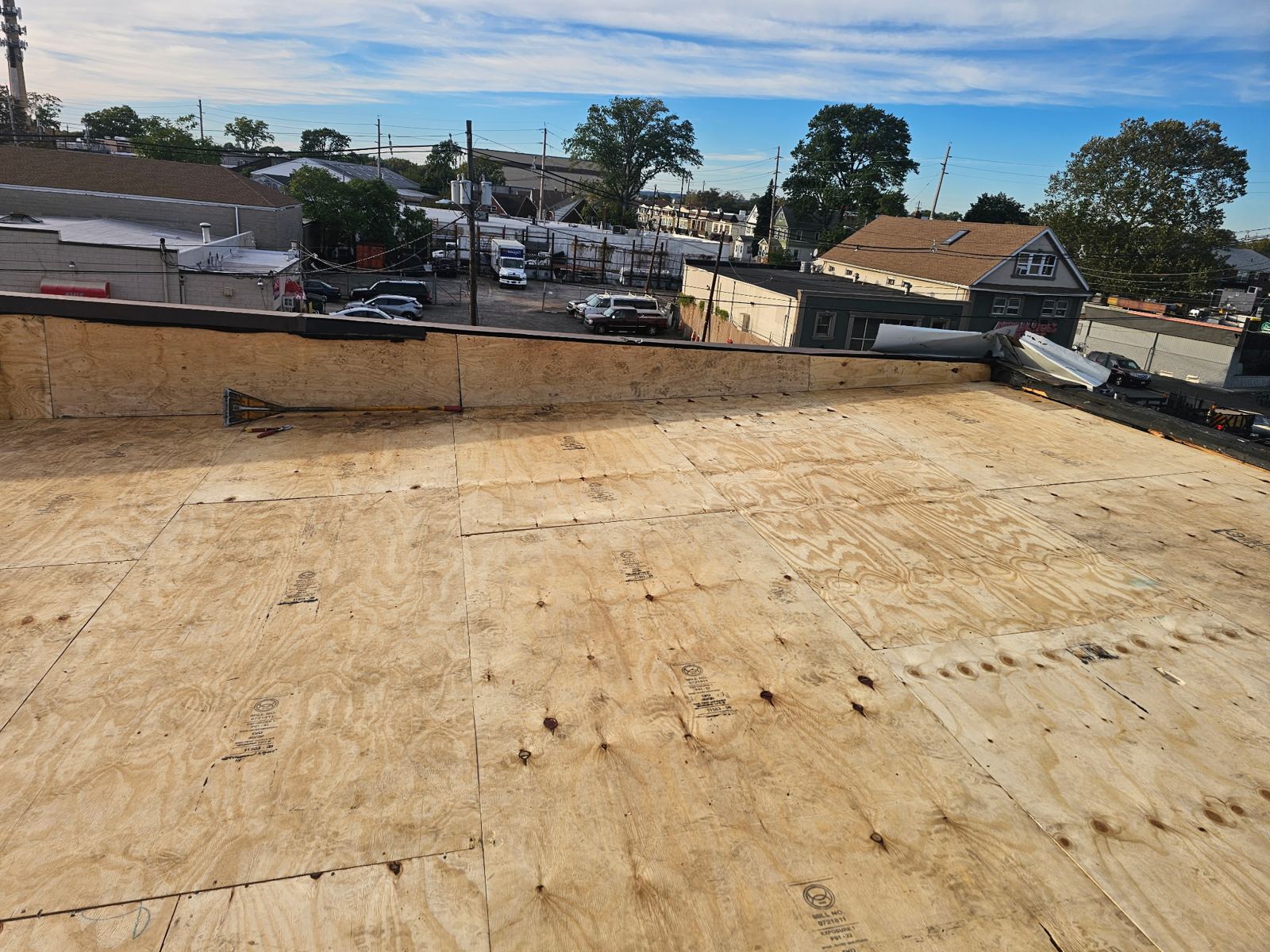
Stripping the roof down to the bare wooden decking allows technicians to inspect every board for rot, insect damage, structural sagging, or fastener degradation. In older Princeton neighborhoods where homes have undergone multiple renovations, a complete tear-off frequently uncovers hidden leaks around chimneys, sidewalls, and valleys. Removing all legacy materials provides a flat, clean surface necessary for laying modern synthetic underlayments, starter strips, and leak barriers that comply with current manufacturer installation requirements.
- Complete removal of old asphalt shingles, degraded felt underlayment, and rusted flashings.
- Detailed structural evaluation of existing rafters, trusses, and structural decking.
- Substrate cleaning and fastener removal to prevent puncture damage to new moisture barriers.
Decking Repairs and Attic Ventilation System Upgrades
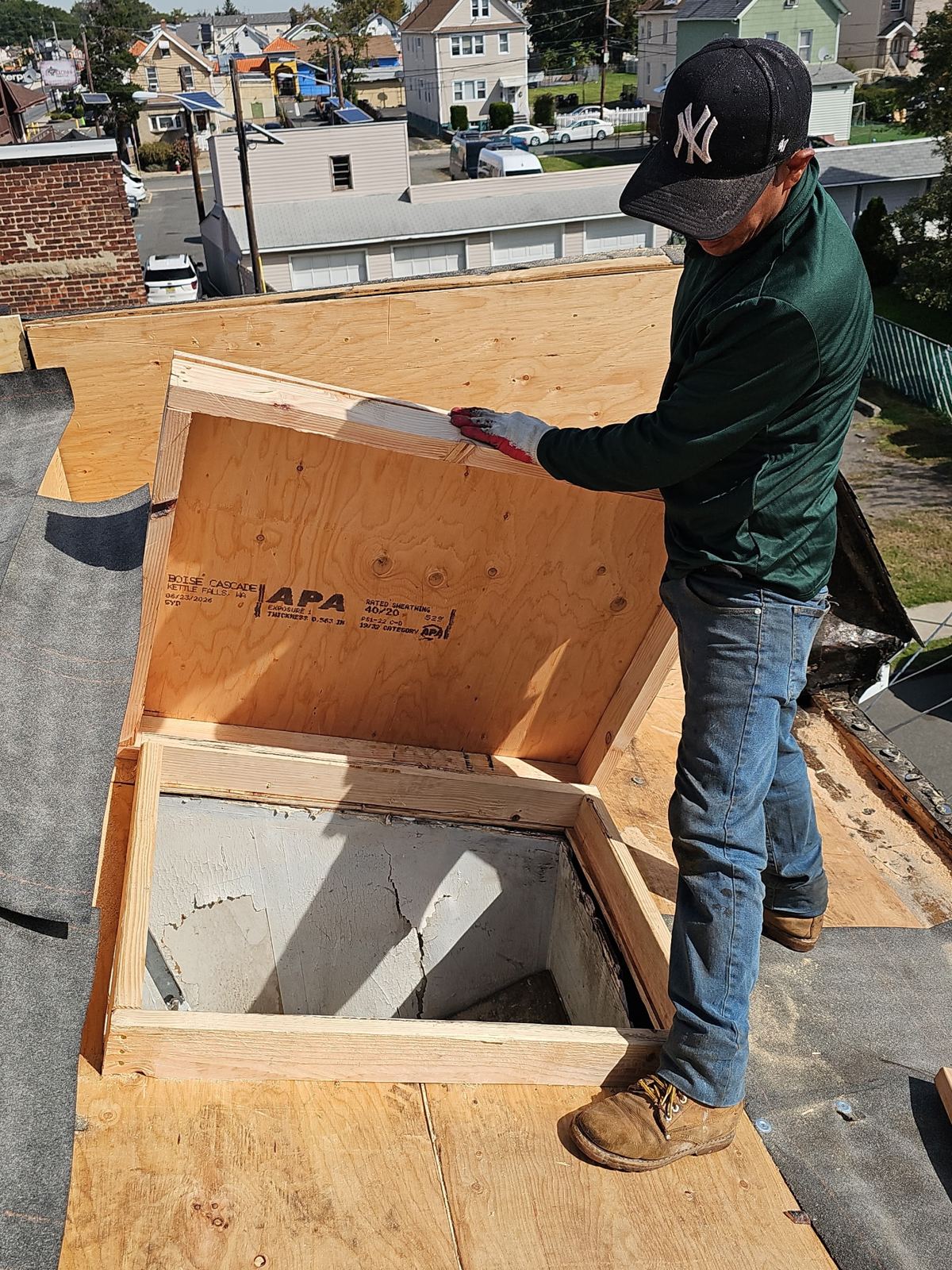
The structural substrate of a roof must be sound before installing modern roofing materials. Princeton homes built in the 19th and early 20th centuries often feature skip-sheathing or solid wood tongue-and-groove planking, while mid-century structures rely on plywood or OSB panels. Moisture intrusion from roof leaks or interior condensation causes wood rot, delamination, and fastener pulling. Storm Guard Roofing replaces damaged, soft, or warped boards with exterior-grade plywood or OSB panels to restore structural load capacity.
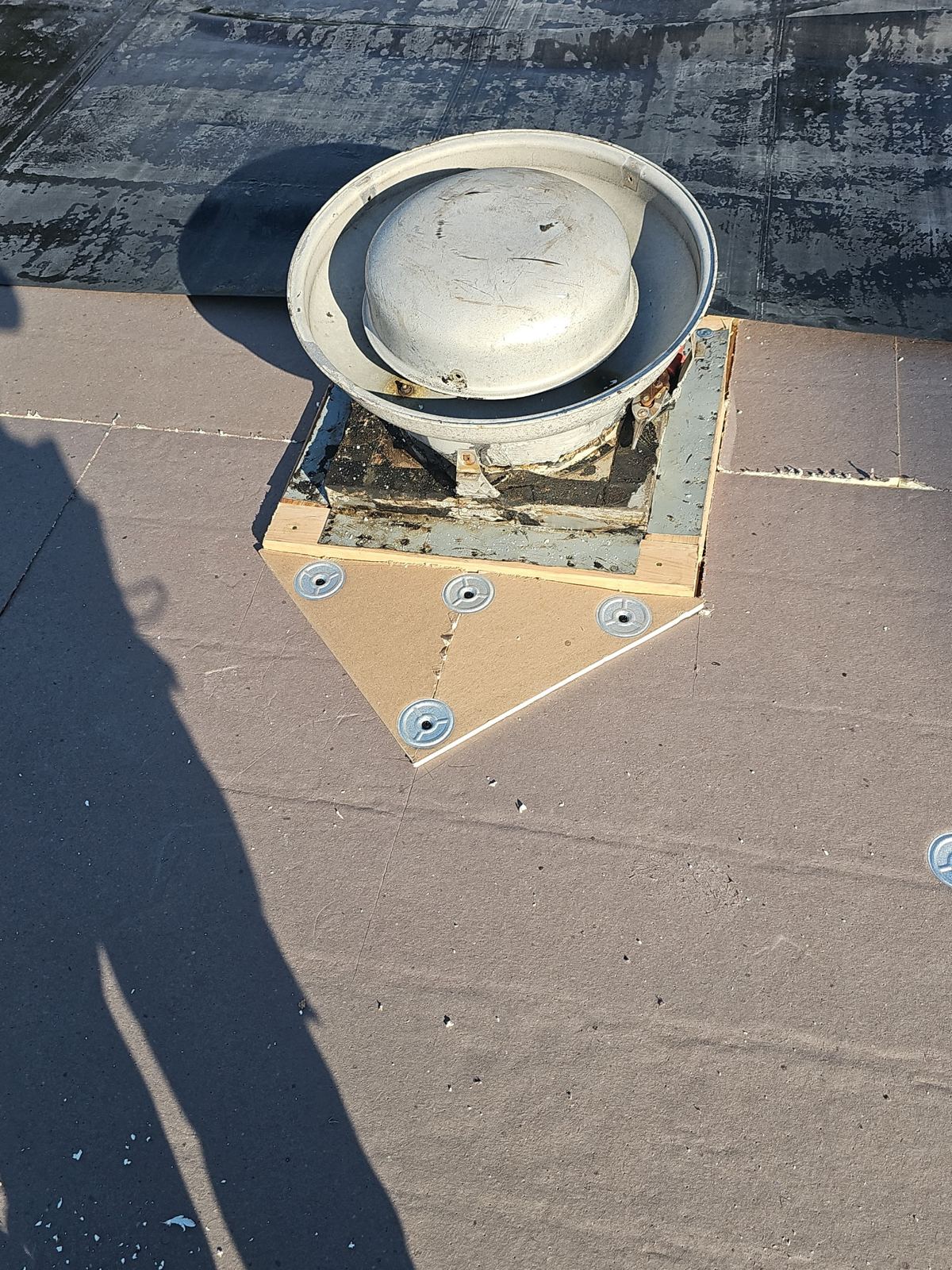
Proper attic ventilation is directly linked to roof lifespan and energy efficiency. Mercer County experiences wide temperature swings, from sub-freezing winter ice storms to humid summer heatwaves. Inadequate ventilation traps hot, humid air in the attic during summer, baking asphalt shingles from beneath and accelerating granular loss. In winter, warm air escaping into the attic melts snow on the roof surface, causing runoff to refreeze at the cold eaves and create destructive ice dams. Replacing a roof requires calculating net free vent area (NFVA) to establish balanced intake airflow through soffit vents and exhaust airflow through continuous ridge vents or power ventilators.
- Replacement of compromised tongue-and-groove planking or delaminated plywood sheathing.
- Installation of self-adhering polymer-modified bitumen ice and water shields along eaves, valleys, and rake edges.
- Calculation and installation of balanced ridge and soffit ventilation systems to reduce attic heat accumulation.
Roofing Material Options for Princeton Residential Architecture
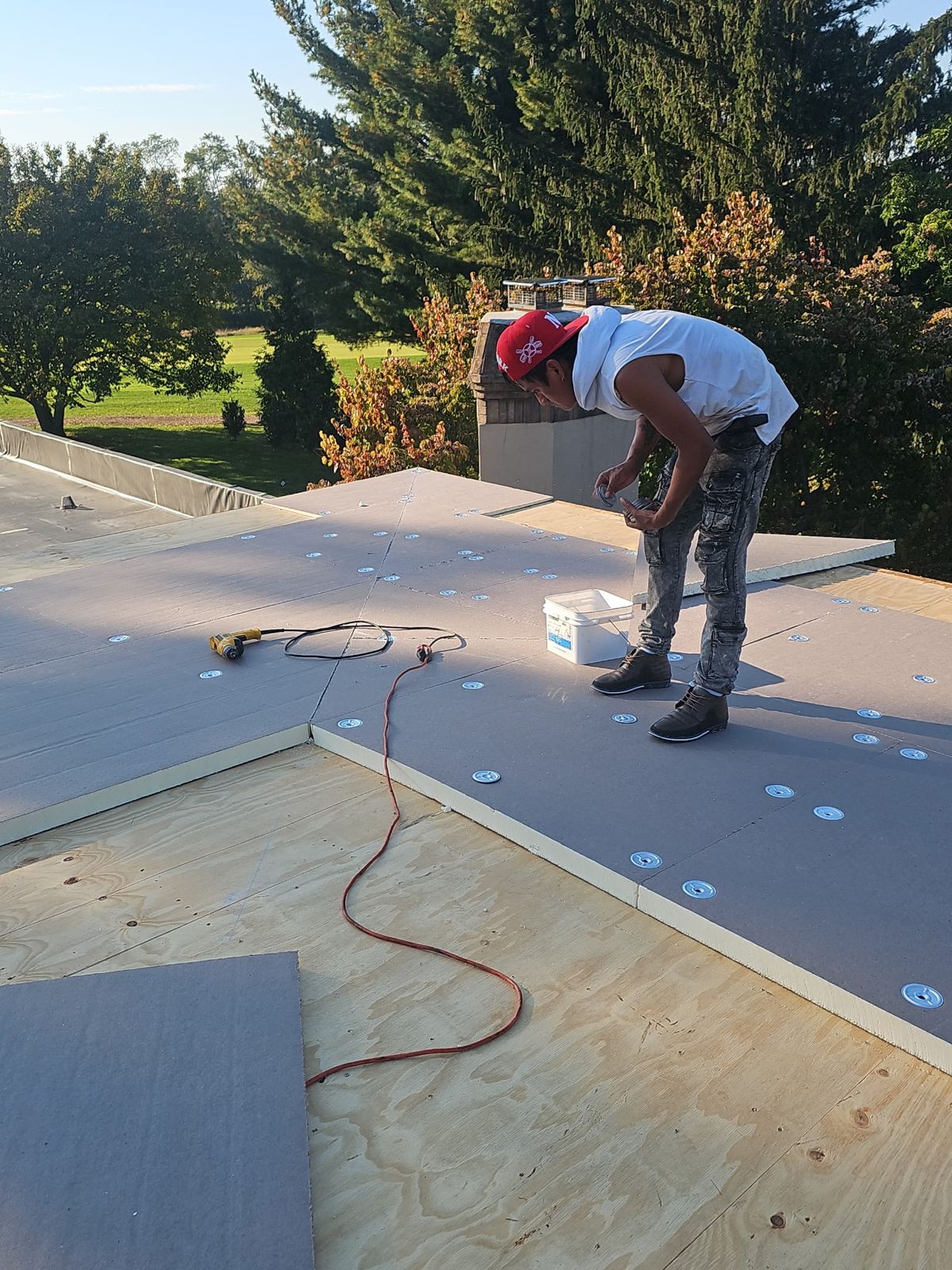
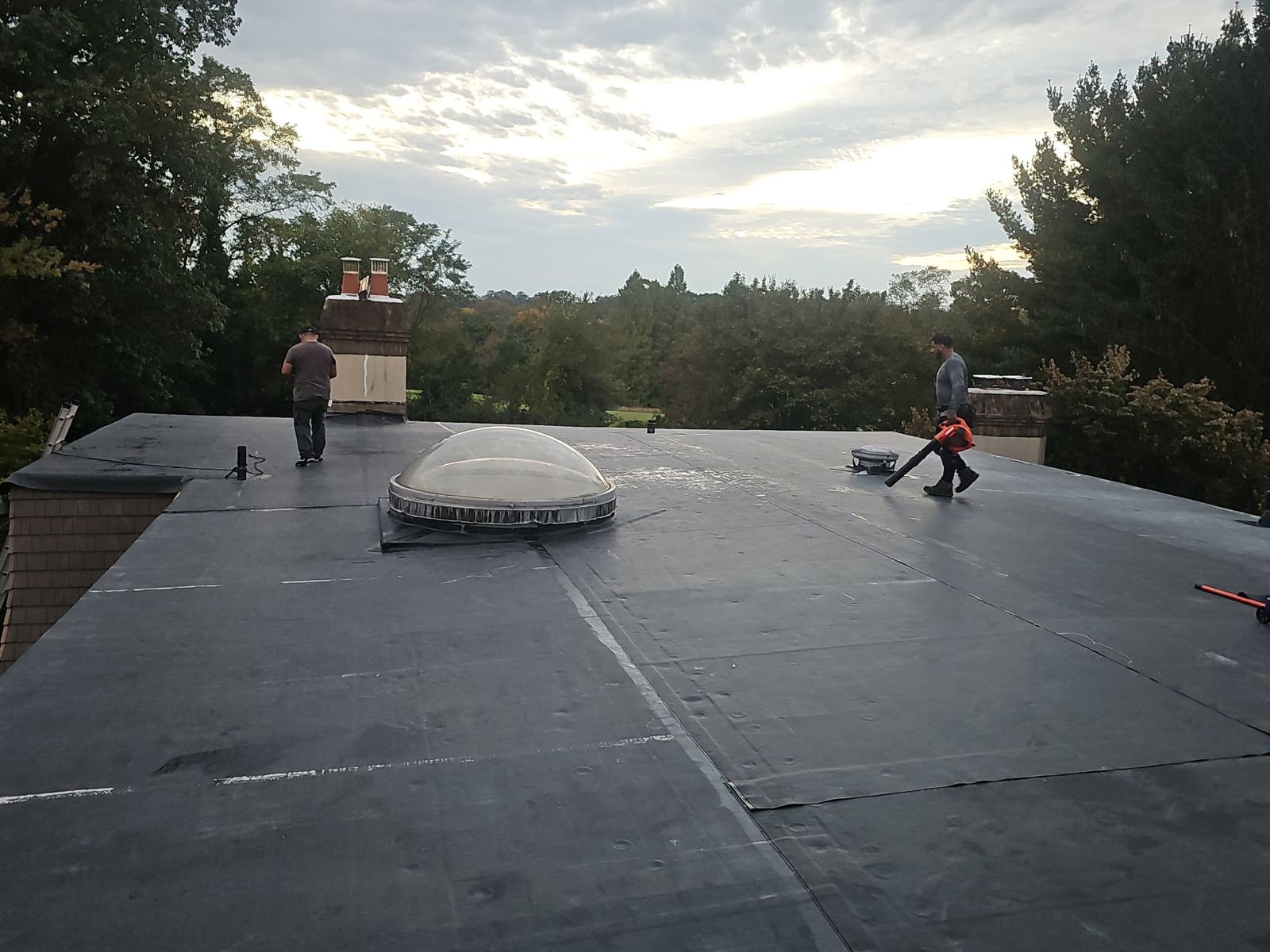
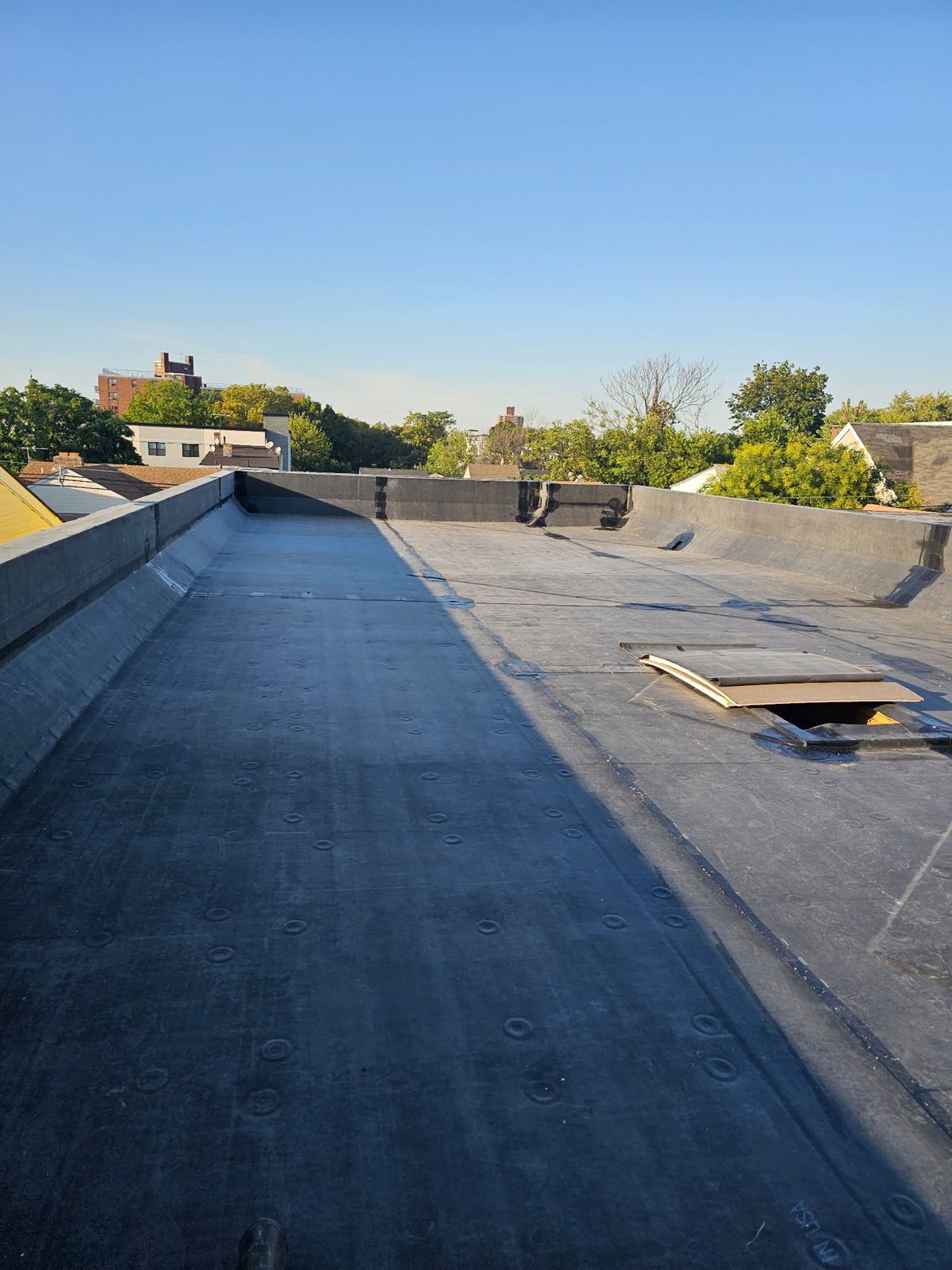
Selecting roofing materials for a replacement project requires balancing structural loading, pitch, aesthetic requirements, and local zoning guidelines. Modern architectural asphalt shingles offer multi-layer dimensional profiles, high wind resistance ratings (ASTM D3161 Class F), and Class A fire resistance. For low-slope roof sections, such as rear porch additions, dormers, or flat roofs common on urban Princeton properties, single-ply EPDM or TPO membrane systems provide watertight protection where standard shingles cannot shed water effectively.
Princeton features diverse local building stock: Historic-district homes where slate, cedar, and copper details need period-correct repair and precise material matching during replacement work. Structures within historical neighborhoods require exact historical replication to maintain architectural authenticity while meeting modern weatherproofing standards. Storm Guard Roofing installs natural slate, cedar shakes, synthetic composites, and custom-formed copper flashings to preserve historic detailing while updating the underlying moisture barriers.
- Heavyweight architectural asphalt shingles engineered for high wind and impact resistance.
- Natural slate and cedar shake replacements integrated with hand-soldered copper flashings.
- Single-ply EPDM, TPO, and modified bitumen systems for low-slope and flat residential roof sections.
- Synthetic slate and shake alternatives designed to match historic profiles with reduced weight.
Navigating Princeton Permits, Historic Preservation, and Insurance Claims
Roof replacement projects in Princeton require construction permits issued by the Princeton Municipality Building Department. The permitting process verifies that structural repairs, underlayment applications, and ventilation ratios comply with the New Jersey Uniform Construction Code (NJUCC). If a residential property sits within the designated Princeton Historic District, replacement specifications must also be reviewed to ensure compliance with Historic Preservation Commission (HPC) guidelines before work commences.
Storm Guard Roofing manages the administrative permitting steps, submitting technical product data sheets, structural plans, and historical material profiles directly to local municipal offices. For replacement projects resulting from severe storm damage, high winds, or falling tree limbs, our team works with property owners to document damage, compile line-item repair estimates, meet with insurance adjusters on site, and handle insurance claims to streamline property restoration.
- Preparation and submittal of construction permit applications to the Princeton Building Department.
- Coordination with the Princeton Historic Preservation Commission for approved exterior material choices.
- Detailed line-item scope compilation and direct coordination with insurance adjusters for storm claims.
Project Workflows, Site Protection, and Timeline Management
A full roof replacement is a major structural construction project that requires precise logistics and site management to prevent property damage and minimize homeowner inconvenience. Before tear-off begins, protective plywood boards and heavy-duty drop cloths are placed over landscaping, flower beds, windows, air conditioning units, and decks surrounding the Princeton home. Debris chutes channel old materials directly into containment trailers to maintain clean work zones.
Standard residential roof replacements are typically completed within one to three days, depending on overall roof square footage, pitch, architectural complexity, and structural repairs. Each workday ends with a thorough cleanup routine, including passing magnetic rollers over driveways, walkways, and lawns to collect loose roof nails and metal scraps. A final inspection verifies proper flashing integration, pipe boot sealing, ridge cap installation, and site clean-up.
- Placement of physical shields over windows, siding, AC compressors, and residential landscaping.
- Systematic tear-off, loading, and containment of old roofing materials.
- Daily magnetic sweeps to collect loose nails and metal debris from property grounds.
- Final walk-through inspection to verify system execution, flashing seals, and complete clean-up.
Princeton questions we get asked
- Do I need a municipal permit for a roof replacement in Princeton, NJ?
- Yes, full roof replacements in Princeton require a permit from the Princeton Municipality Construction Department. If your property is located within a local historic district, the project must also follow Historic Preservation Commission design guidelines.
- How does Princeton weather impact roof replacement design?
- Mercer County experiences freezing winter temperatures, heavy snow, ice dams, and severe summer storms. Replacement specifications must include self-adhering ice and water shields along eaves and valleys, alongside balanced attic ventilation to mitigate freeze-thaw stresses.
- How long does it take to complete a roof replacement on a Princeton home?
- Most asphalt shingle replacements take one to two days. Larger homes or complex historic restorations involving real slate, cedar shake, or low-slope membrane integration take three to five days.
- Can historic roof details like copper flashings be replaced during a modern roof overhaul?
- Yes. Period-correct repair and replacement of slate, cedar shakes, and custom soldered copper valleys, step flashings, and built-in gutters can be fully integrated into a complete roof replacement system.
More in Princeton
Call (201) 403-0024 for a Princeton inspection, or send the form.