Red Bank · Monmouth County
Roof Repair Services in Red Bank, NJ
Storm Guard Roofing provides targeted roof repair services in Red Bank, Monmouth County, New Jersey. With over 25 years of field experience, our family-owned company diagnoses and repairs structural failures, water intrusion points, and storm damage. Red Bank's building stock—ranging from historic homes near the town center to river-side properties along the Navesink River exposed to high winds—requires precise repair techniques. Whether fixing damaged valley flashing on a Victorian porch tie-in or shingle displacement following a coastal storm, our licensed and insured team delivers direct technical solutions. We operate a 24/7 emergency response service at (201) 403-0024 to install temporary weather barriers and handle insurance claims.
Red Bank Architecture and Vulnerability Points
Red Bank contains older, mid-to-late 19th and early 20th-century homes featuring complex roof structures. Properties near Bergen Place, Broad Street, and the East End incorporate steep-pitch gables, integrated porch roofs, and historical slate elements. Many of these structures were converted over decades to architectural asphalt shingles, leaving mixed-material transition points vulnerable to water penetration.
Properties situated closer to the Navesink River face direct wind exposure. High-velocity winds pushing off the water create uplift pressures along roof edges, ridge caps, and soffits. This wind dynamic lifts unsealed shingles, breaks nail seals, and forces rain beneath step flashing. Shallow-pitch front porch roofs tied into main house walls also accumulate standing water, accelerating underlayment degradation where slopes intersect.
- Slate-to-asphalt transitions where underlayment aging causes ice barrier failures.
- Low-slope porch roof tie-ins prone to standing water retention and capillary leak action.
- River-side wind exposure causing shingle tab lifting, sealant line failure, and ridge cap detachment.
- Dormer step-flashing failures on multi-story historic homes near downtown Red Bank.
Diagnostics: Identifying Valley, Flashing, and Leak Sources
Accurate roof repair requires tracing water paths back to their origin point, often distant from interior ceiling stains. In Red Bank homes, roof valleys and metal flashing intersections represent primary failure points. Woven or open metal valleys suffer from metal fatigue, rust, or sealant breakdown over time. When valley metal shifts due to thermal movement, water bypasses the primary drainage channel and flows onto the wood deck.
Wall flashing, chimney step flashing, and pipe boot penetrations represent another high-risk category. In historic homes, mortar joints around masonry chimneys deteriorate, allowing copper or lead counter-flashing to loosen. Water running down exterior brick enters behind the flashing deck step, rotting framing underneath. We inspect mechanical fastenings, membrane integrity, counter-flashing seals, and wood decking to isolate leak causes.
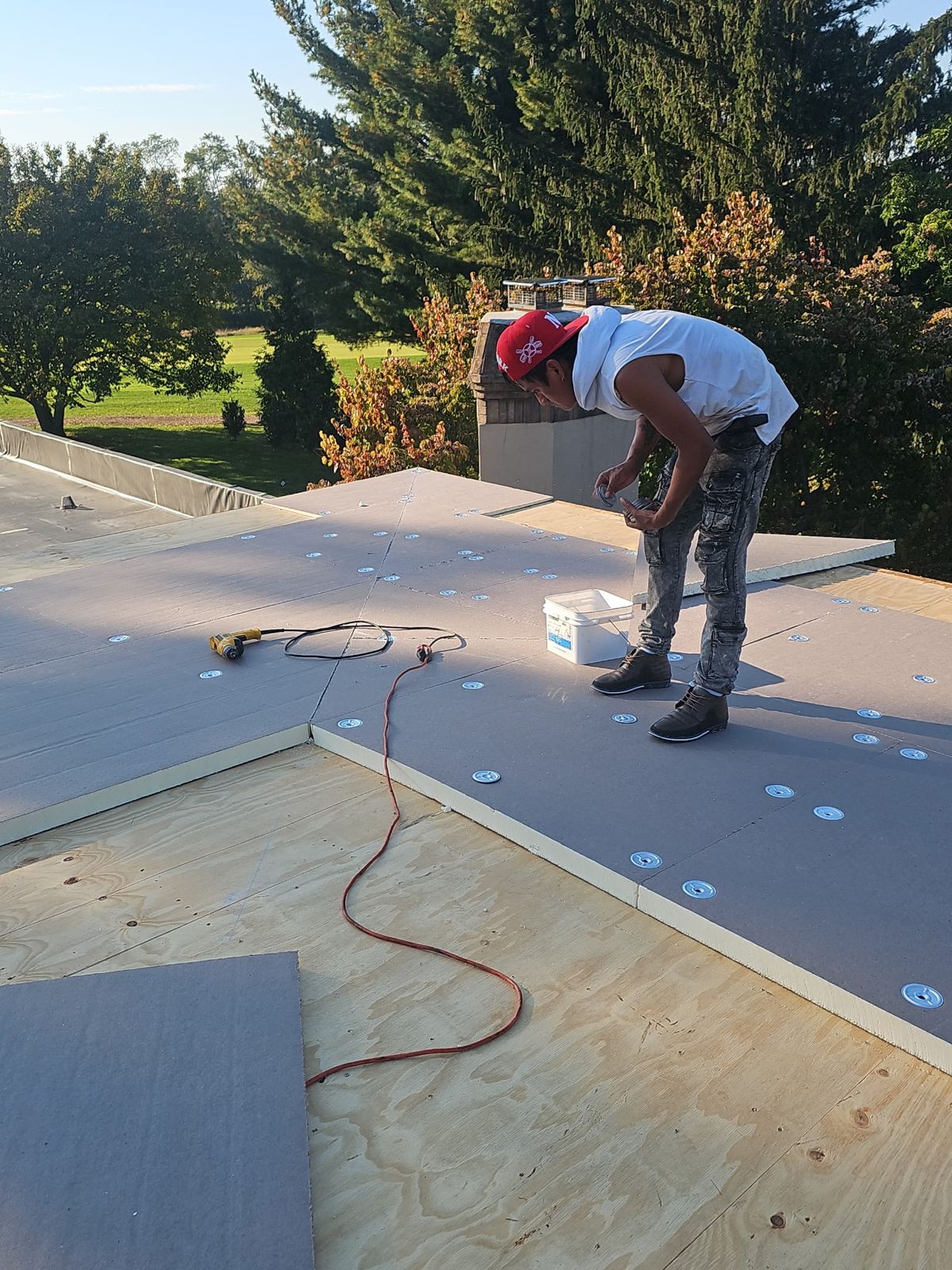
- Valley repair: Replacing corroded valley metal and installing ice and water membrane barriers.
- Chimney re-flashing: Regrouting mortar joints and installing custom step and counter-flashing.
- Pipe boot replacement: Swapping dry-rotted rubber neoprene boots for heavy-duty metal base boots.
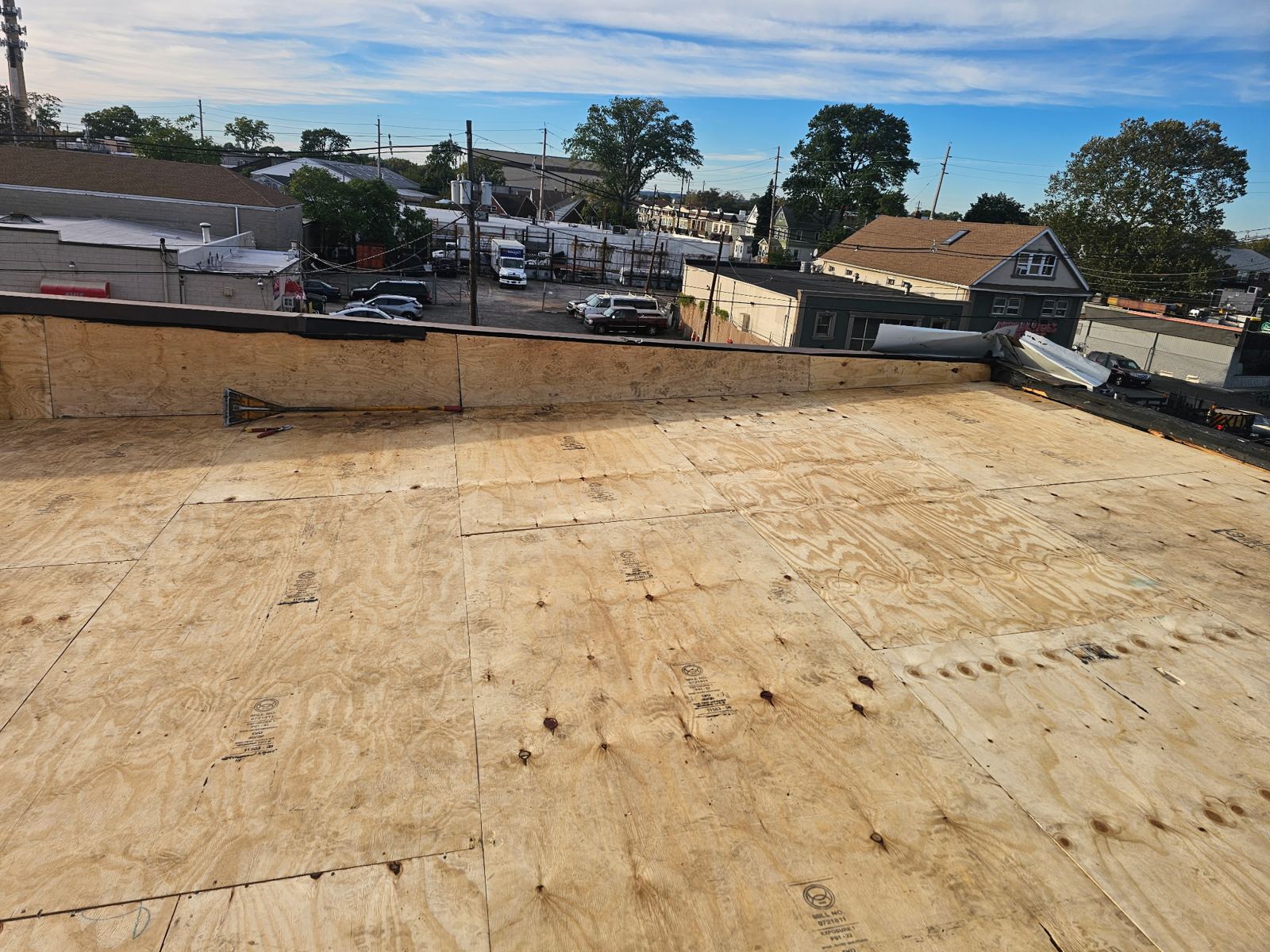
- Decking repair: Replacing rotted tongue-and-groove or plywood sheeting beneath failed underlayment.
24/7 Emergency Tarping and Storm Damage Response
Severe weather events in Monmouth County—including Nor'easters and summer squalls—cause rapid roof damage. Wind gusts blowing across the Navesink River detach roof sections, blow off shingle field tabs, or push tree limbs into roof surfaces. When water breaks through the exterior envelope, rapid intervention is necessary to limit interior drywall and structural framing damage.
Storm Guard Roofing provides 24/7 emergency response across Red Bank. Call (201) 403-0024 for prompt dispatch. Our emergency crew installs woven polyethylene tarp barriers secured with wood furring strips, anchoring the material into structural rafters rather than surface shingles. This prevents wind lift while keeping the interior dry. Once secured, we perform a storm damage inspection, documenting broken seals, hail impact points, and lifted flashing for your insurance adjuster.
- 24/7 emergency dispatch for weather-related structural leaks and tree impact damage.
- Secure, non-destructive temporary tarping designed to withstand coastal wind loads.
- Comprehensive storm damage assessments detailed with photos and technical measurements.
- Direct insurance claims assistance to handle adjuster meetings and scope negotiations.
Repair vs. Replacement Cost Analysis
Homeowners often worry that a roof leak necessitates a full replacement. In many cases on Red Bank properties, isolated repairs provide a cost-effective alternative that extends the existing roof's service life by several years. If surrounding shingles retain structural flexibility, granule layer integrity, and adhesion strength, replacing damaged field shingles, valleys, or wall flashings resolves the leak at a fraction of complete replacement costs.
Complete replacement becomes necessary only when the underlying deck has widespread rot, shingles have lost total adhesive strength across multiple facets, or previous partial repairs have compromised the structural layout. During our site evaluation, we analyze roofing assembly age, pitch, ventilation efficiency, and total damaged area. We provide a transparent technical breakdown so you can evaluate localized repair versus full replacement.
- Isolated shingle patch repairs for localized wind or debris damage.
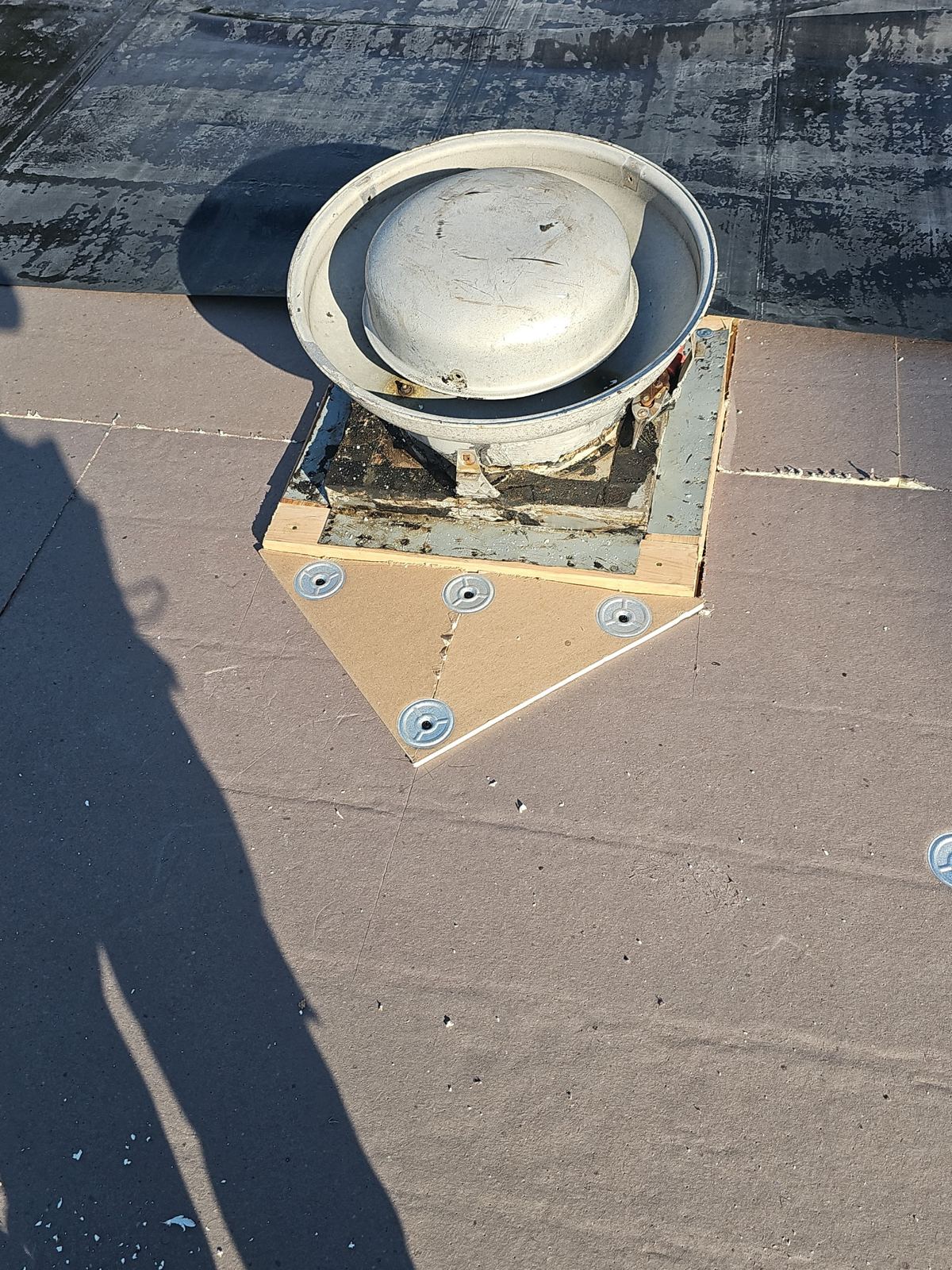
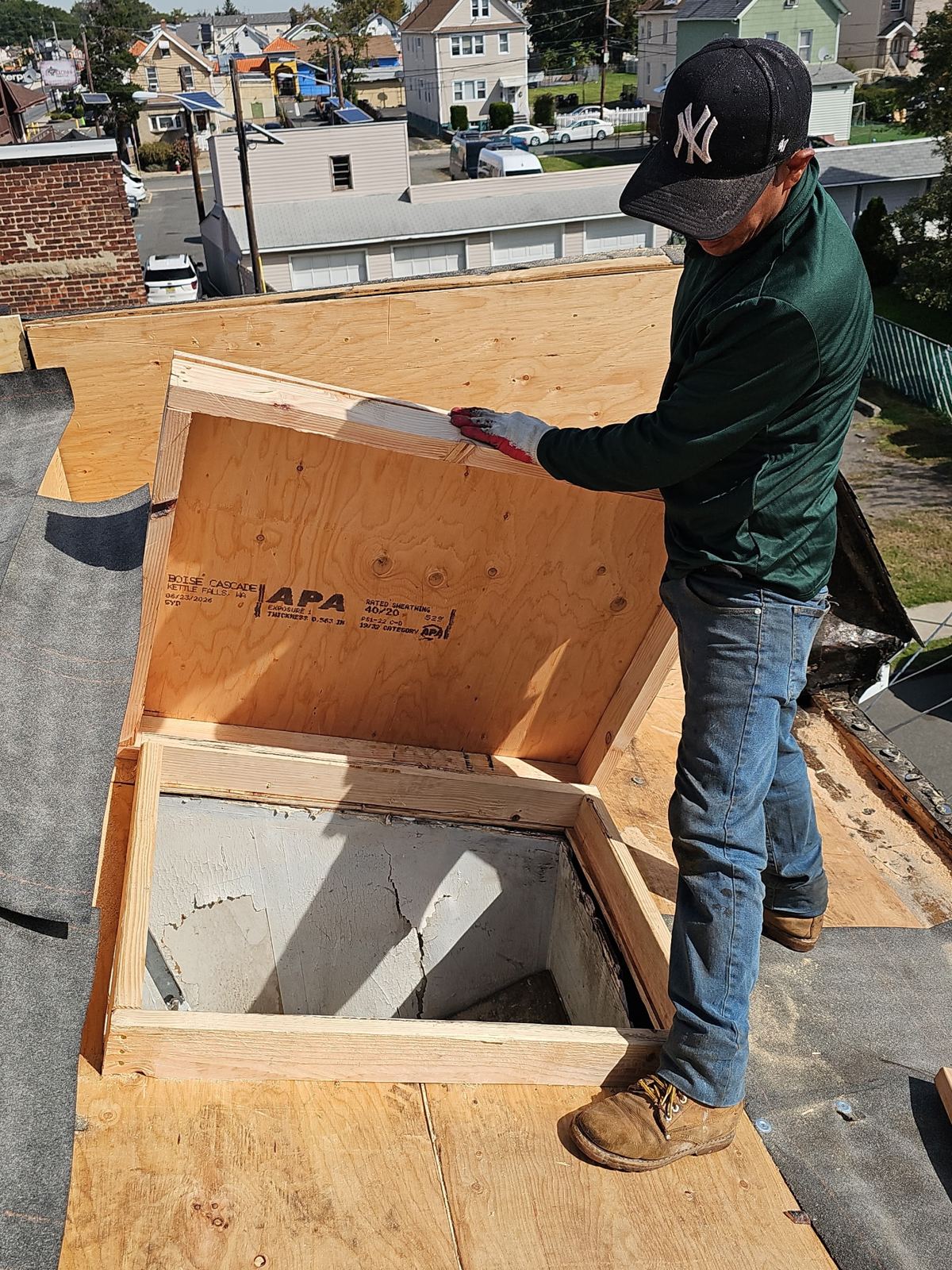
- Targeted flashing re-builds around chimneys, skylights, and side walls.
- Roof deck structural repairs restricted to specific water-damaged sections.
- Life-extension evaluations based on shingle flexibility, granule loss, and deck integrity.
Red Bank Building Codes, Permits, and Workmanship Standards
Roof repairs in the Borough of Red Bank must adhere to local building standards and state uniform construction codes. Minor non-structural repairs involving small areas generally do not require a full permit, but structural decking replacement or major re-roofing sections require approval through the Red Bank Building Department. Our team manages permitting requirements, inspections, and code verification for major structural repairs.
Working on Red Bank’s older homes requires specific attention to historic architectural details and structural framing. Older homes may feature 1x6 tongue-and-groove deck boards rather than modern plywood sheathing. When repairing these surfaces, replacement materials must match board dimensions to maintain a uniform structural plane. Storm Guard Roofing operates with full licensing and liability insurance, utilizing properly rated self-adhered membranes, high-wind shingle fastening patterns, and corrosion-resistant flashing.
- Compliance with New Jersey Uniform Construction Code and Red Bank borough requirements.
- Specialized handling of historic tongue-and-groove roof decking and timber rafters.
- High-wind fastening techniques suited for coastal and river-side wind exposures.
- Full licensing and general liability insurance coverage for residential repair work.
Red Bank questions we get asked
- Do I need a building permit from the Borough of Red Bank for minor roof repairs?
- Minor repairs involving single shingle replacements or localized flashing fixes generally do not require a permit in Red Bank. However, if the repair involves replacing structural roof decking, framing, or large sections of the roof covering, a permit from the Borough of Red Bank Department of Building and Inspection is required. Storm Guard Roofing pulls all necessary permits and schedules municipal inspections when required.
- How does river-side wind exposure along the Navesink affect roof repair needs in Red Bank?
- Homes located near the Navesink River experience sustained winds and sharp updrafts during coastal storms. This wind action weakens shingle adhesive strips, lifts starter shingles, and drives wind-blown rain under roof valleys and wall flashing. Repairs on these homes require high-wind fastening patterns, heavy-duty self-adhered underlayments, and reinforced ridge caps to prevent recurring failures.
- Can you repair an asphalt shingle roof section that ties into an older slate or porch roof?
- Yes. Red Bank’s historic housing stock frequently features asphalt shingle additions tied into original slate roofs or low-slope porch roofs. Repairing these intersections requires custom sheet metal flashing, copper or aluminum valley linings, and flexible membrane transitions that allow materials to expand and contract at different rates without leaking.
- What steps should I take if a storm causes an active roof leak at night in Red Bank?
- Contact Storm Guard Roofing immediately at (201) 403-0024. Our emergency team responds 24/7 to install temporary waterproof tarps and secure exposed roof areas. Contain indoor water with buckets, move valuables away from the leak area, and do not attempt to climb onto a wet roof. We secure the exterior structure and document all damage for your insurance claim.
More in Red Bank
Call (201) 403-0024 for a Red Bank inspection, or send the form.