Red Bank · Monmouth County
Roof Replacement Services in Red Bank, New Jersey
Replacing a roof on a Red Bank home requires an understanding of local architecture, framing age, and coastal weather patterns. Located along the Navesink River in Monmouth County, Red Bank experiences wind-driven rain, salt air exposure, and seasonal freezing temperatures. Storm Guard Roofing brings over 25 years of family-owned experience to complete roof replacement projects across Red Bank neighborhoods, from historic homes off Monmouth Street and Bergen Place to river-view properties along Riverside Avenue. As a licensed and insured New Jersey roofing contractor, we manage full system tear-offs, structural decking repairs, attic ventilation improvements, and specialized low-slope roofing for porch additions. We also assist homeowners with insurance claims caused by storm damage and provide 24/7 emergency response. For technical guidance or to schedule an evaluation, contact Storm Guard Roofing at (201) 403-0024.
Complete Tear-Off vs. Overlay for Red Bank Architecture
Complete tear-off is the technical standard required for proper roof installation in Red Bank. Many older, in-town residences constructed between the late 19th and mid-20th centuries were originally roofed with heavy slate shingles or cedar shakes. Over decades, previous contractors frequently installed multiple layers of asphalt shingles directly over deteriorated material without replacing the underlying substrate. Installing a new layer over existing shingles (an overlay) traps moisture, adds excessive weight to older structural rafters, and hides rotted wood decking beneath.
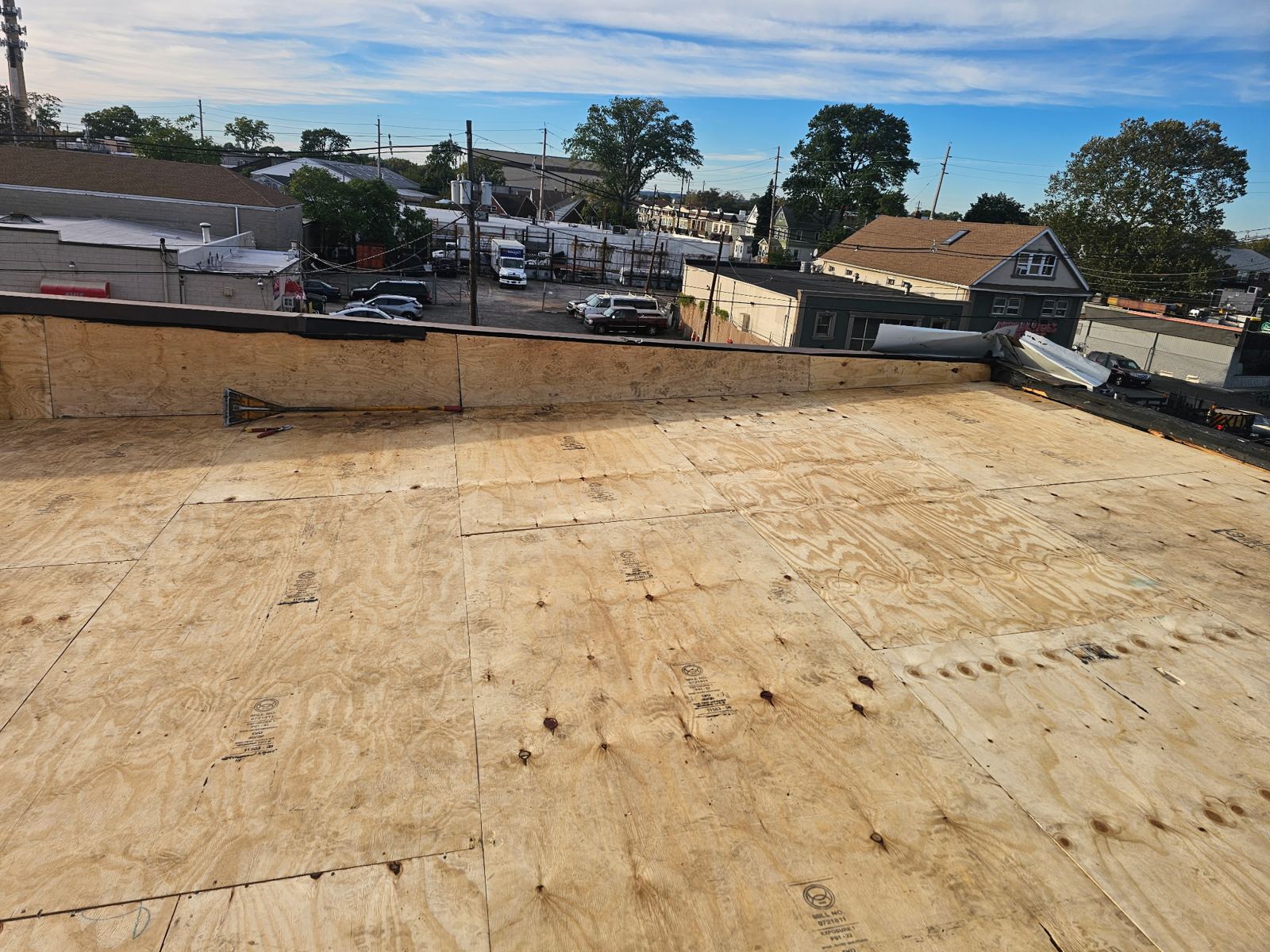
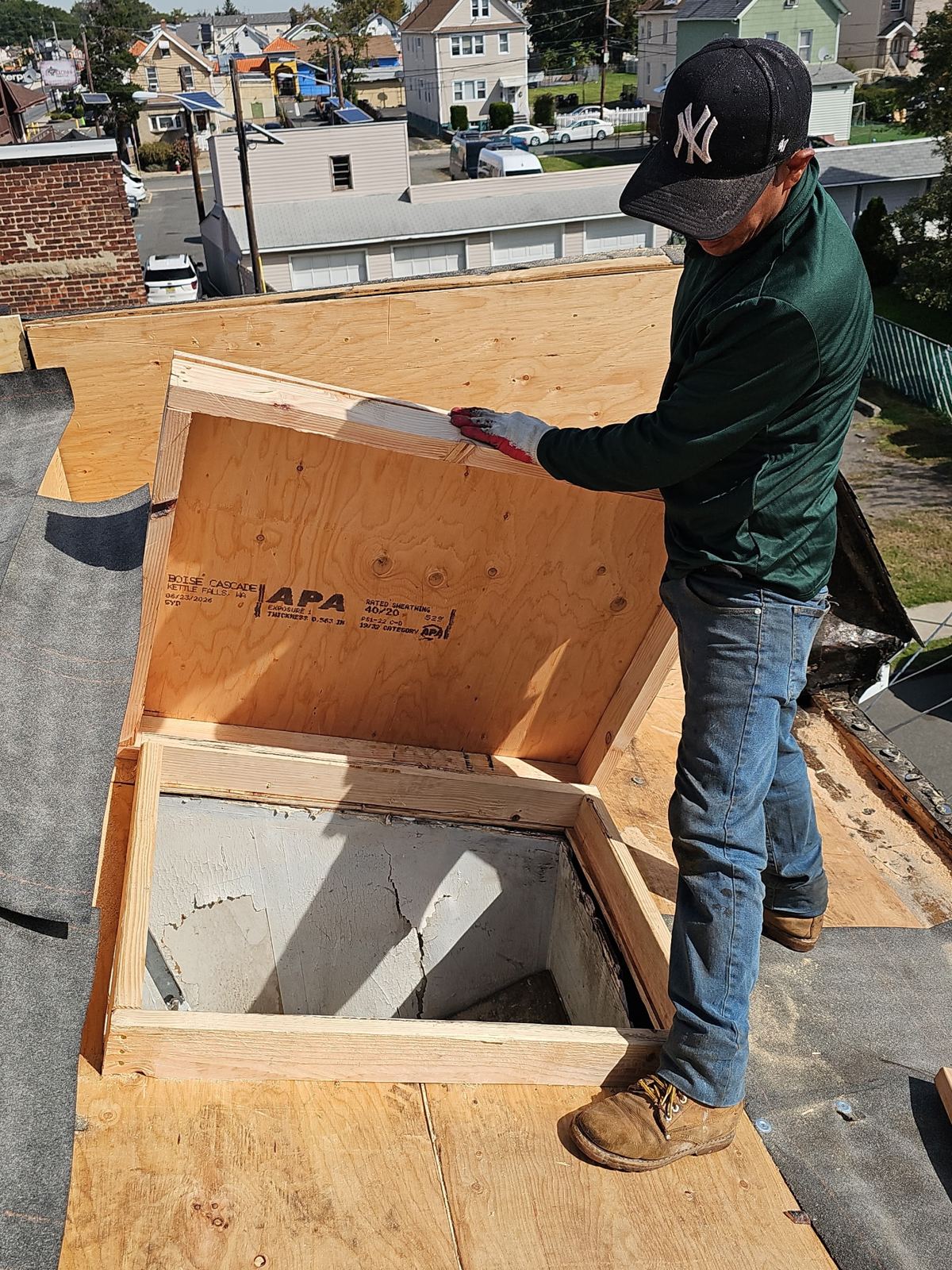
A complete tear-off strips all existing roofing layers down to the bare wooden decking. This process exposes hidden structural deficiencies caused by water intrusion along flashing channels, ice dams, or wind uplift. Stripping the roof allows for the installation of self-adhering ice and water shield along eaves, valleys, and wall intersections, which current New Jersey building codes require for flood-prone or river-adjacent properties.
- Full removal of multi-layered asphalt, old felt paper, and legacy slate remnants.
- Elimination of excess dead weight on historic rafter and framing systems.
- Direct application of ice and water protection directly to clean wood sheathing.
- Comprehensive assessment of roof deck integrity prior to modern underlayment installation.
Decking Restoration & Attic Ventilation Upgrades
Older Red Bank homes often feature 1x6 or 1x8 tongue-and-groove plank decking rather than modern CDX plywood or OSB sheathing. Over time, wide spacing between planks, nail rot, or moisture saturation compromises the deck's structural integrity. During a tear-off, any rotted, delaminated, or split boards are removed and replaced with exterior-grade sheathing that meets current construction codes to ensure secure mechanical fastening of new shingles.
Proper attic ventilation is essential for preventing premature shingle failure and reducing indoor thermal loads. Homes situated near the Navesink River face microclimates with elevated humidity levels. Without continuous air circulation, warm moist air accumulates in the attic, causing mold growth, wood decay, and roof deck warping during winter freezes. We evaluate intake ventilation at the soffits and install continuous ridge vents along the roof crest to maintain balanced airflow across the underside of the deck.
- Replacement of compromised plank decking with code-compliant exterior-grade plywood.
- Re-fastening loose structural sheathing to existing roof joists.
- Calculation of net free vent area based on attic square footage and slope.
- Installation of high-capacity ridge vents paired with functional intake soffit venting.
Material Selection: Architectural Shingles & Low-Slope Systems
Selecting the appropriate roofing material depends on pitch, wind exposure, and architectural style. Red Bank homes frequently exhibit high-pitched gables, intricate dormers, and front porches with low slopes. For main steep-slope roof sections, heavy-duty architectural asphalt shingles engineered for high wind resistance are recommended. These shingles feature multi-layer fiberglass mats rated to withstand sustained coastal wind gusts, reducing the risk of shingle blow-offs along open river corridors.
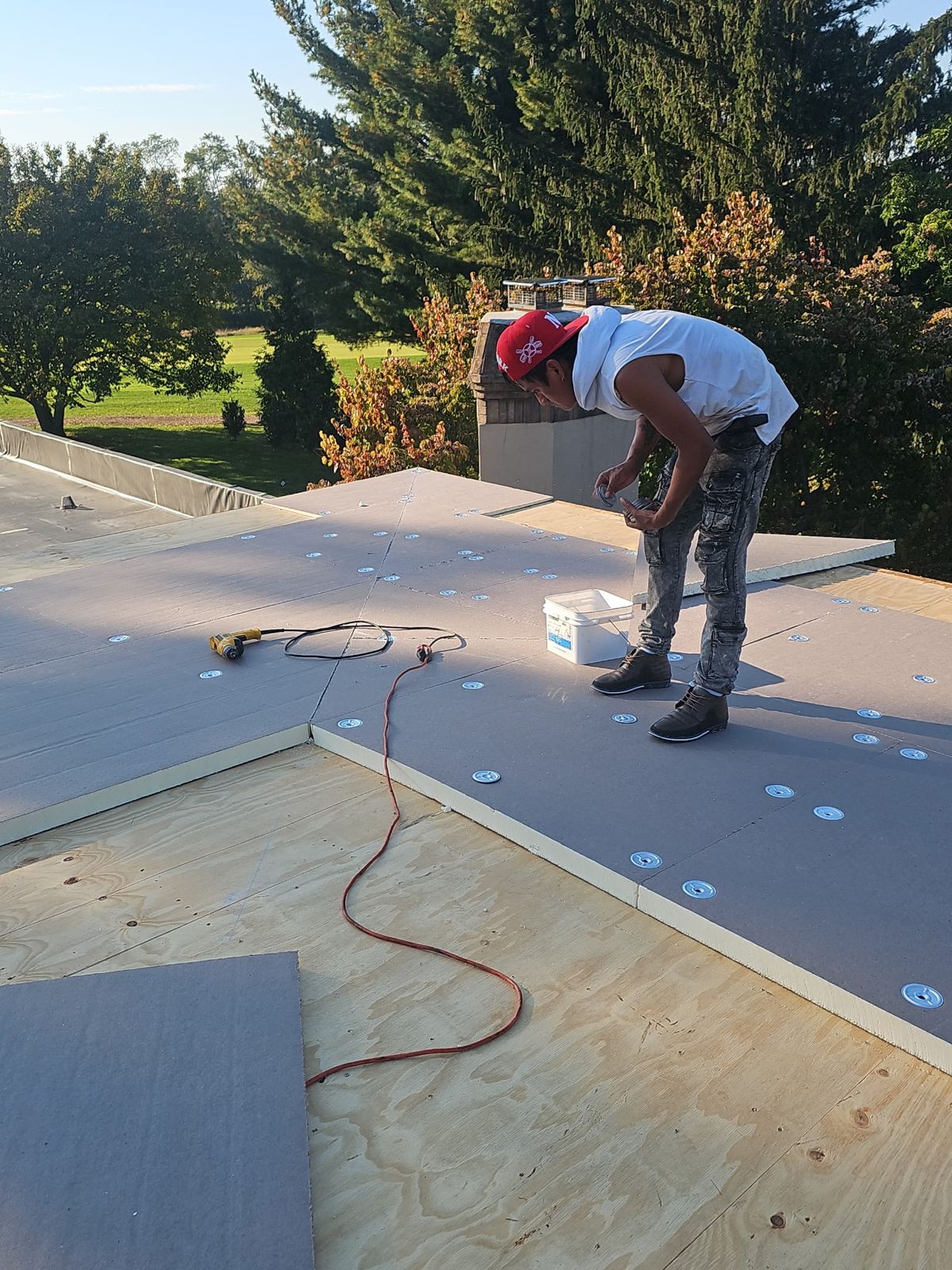
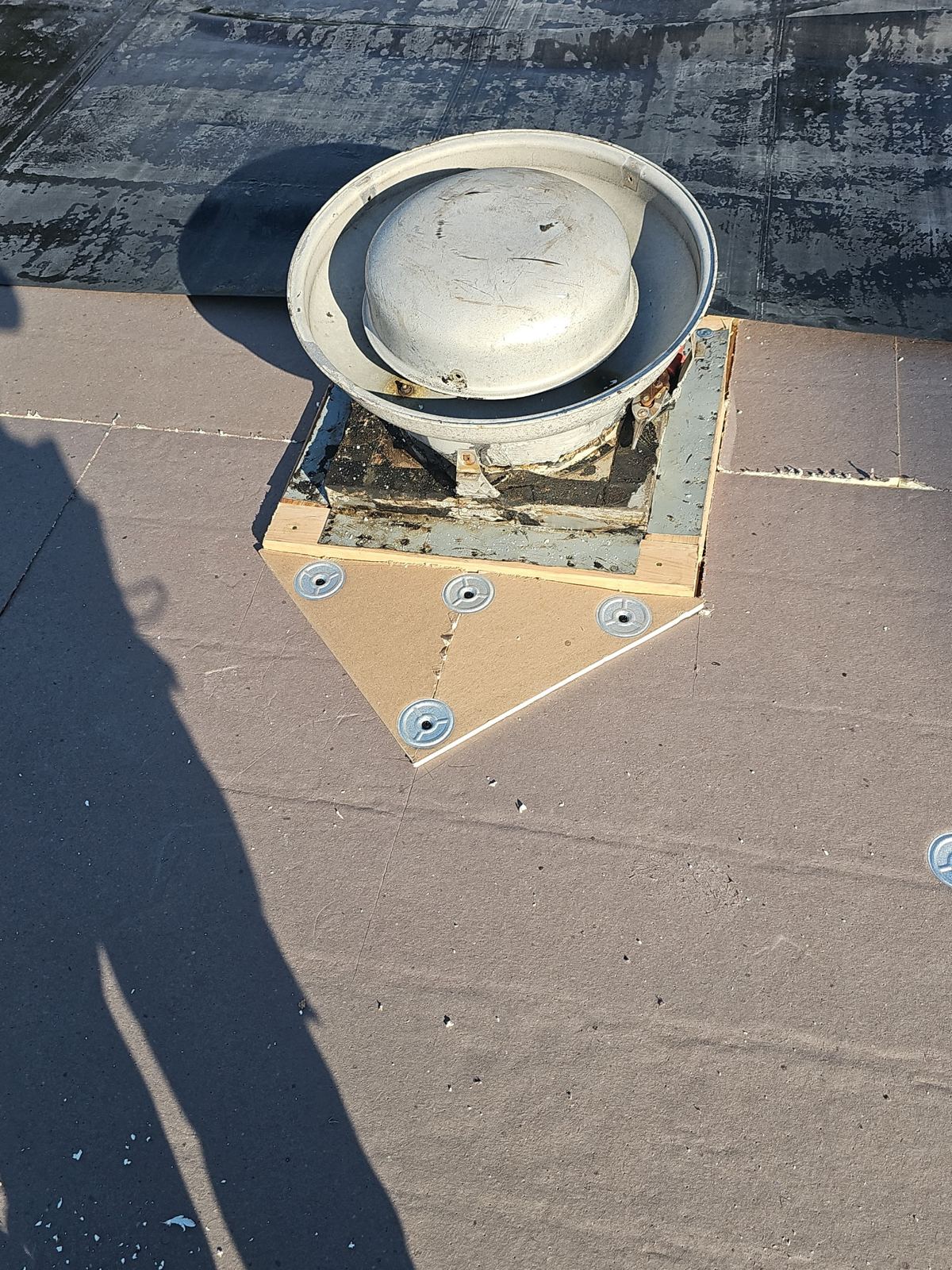
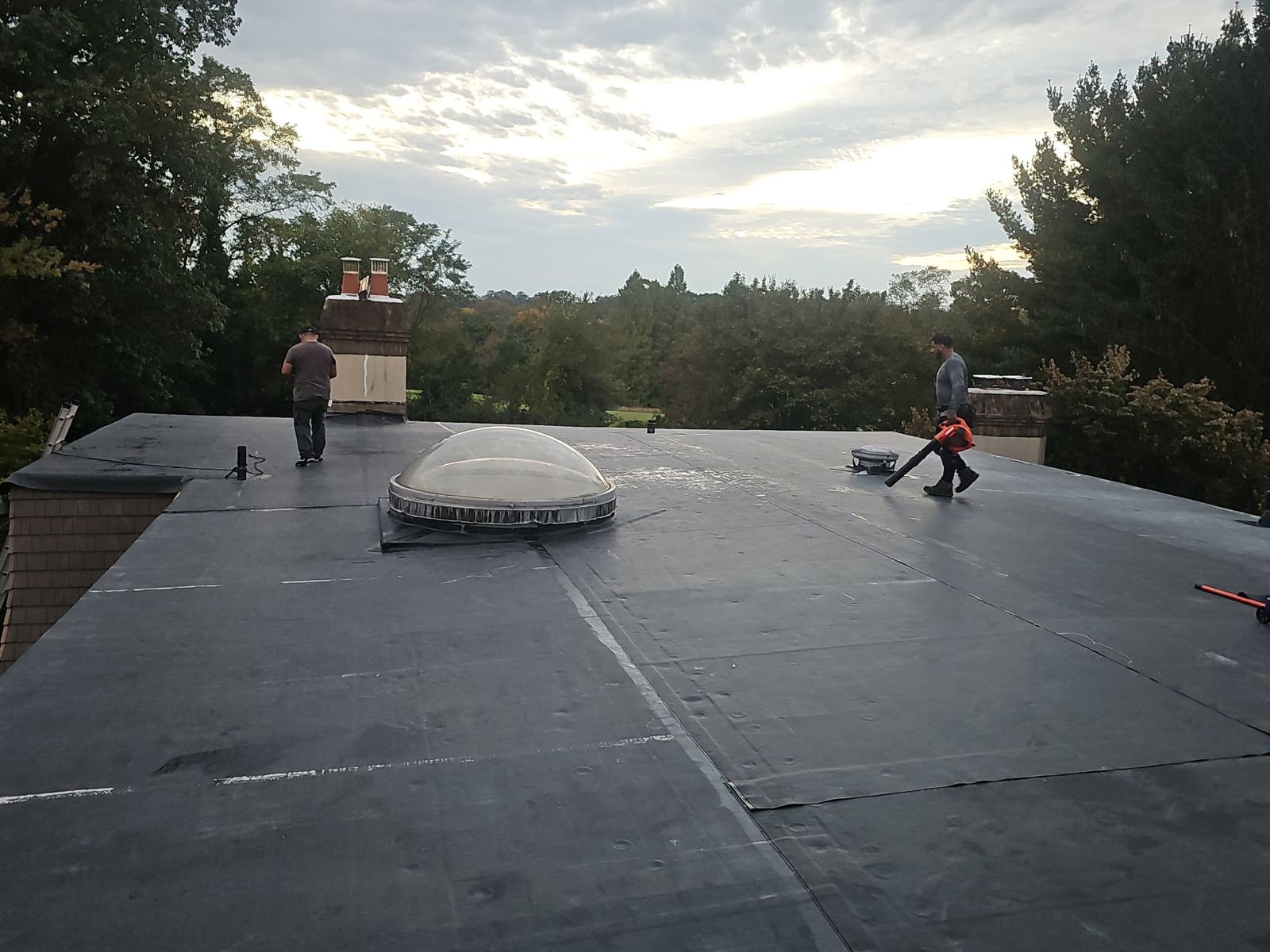
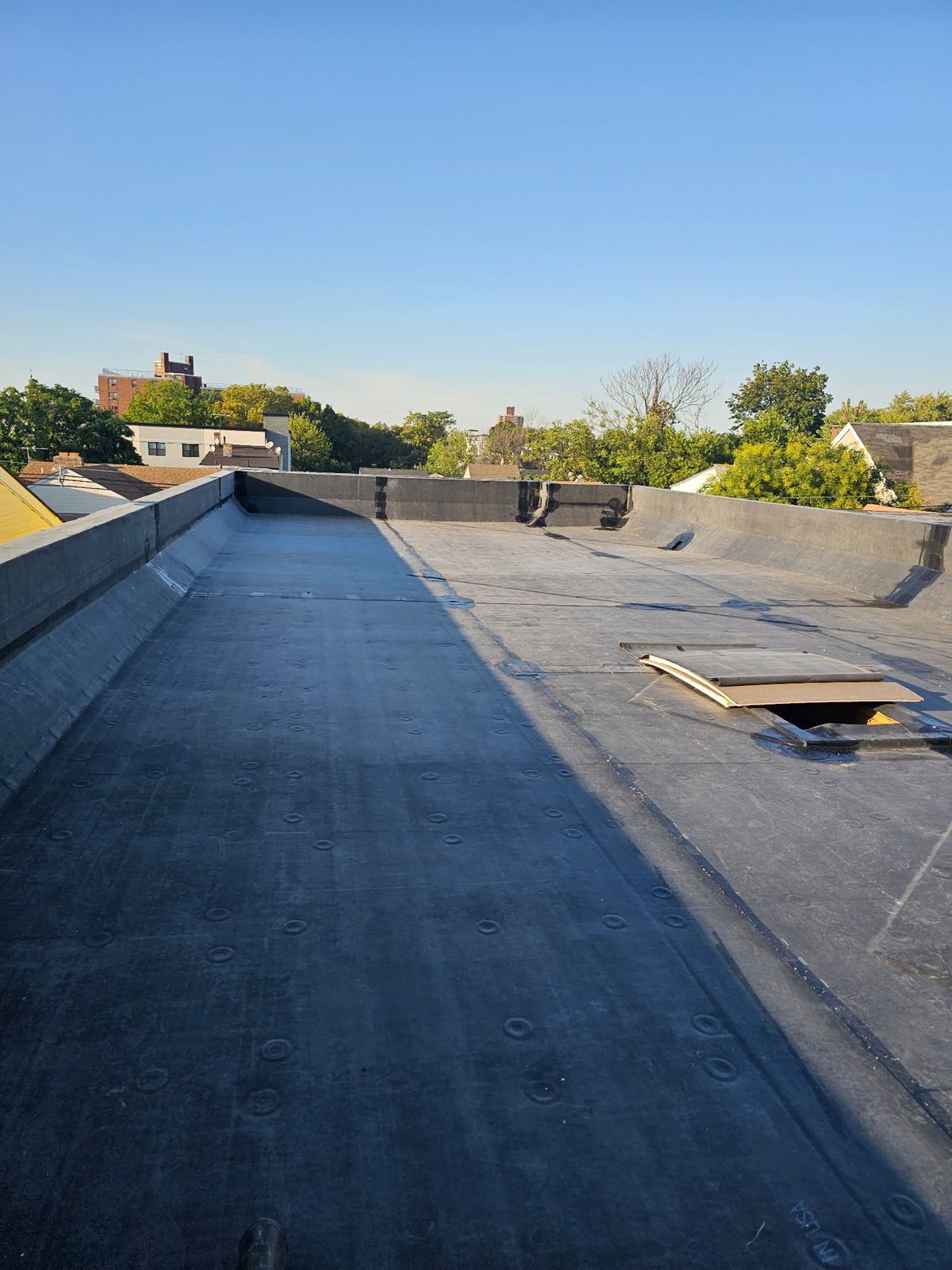
Porch roofs, rear kitchen extensions, and flat roof additions require specialized low-slope materials because standard asphalt shingles cannot shed water on slopes under 2:12. For these sections, single-ply membranes such as EPDM or TPO, or multi-ply self-adhered modified bitumen systems are installed. Heat-welded or chemically adhered seams create a continuous barrier against standing water, driving rain, and ice build-up common on low-pitch surfaces.
- Class A fire-rated architectural shingles with enhanced wind uplift ratings.
- Reinforced synthetic underlayment offering high tear resistance over standard organic felt.
- Self-adhering modified bitumen or single-ply EPDM/TPO membranes for porch and flat roof transitions.
- Heavy-gauge copper or aluminum step flashing, chimney crickets, and valley drip edges.
Red Bank Permitting, Property Logistics, & Disruption Control
Replacing a roof in Red Bank requires compliance with local municipal codes and historic preservation guidelines where applicable. Storm Guard Roofing secures all necessary construction permits through the Borough of Red Bank Building Department before work commences. Work plans account for property boundaries in dense in-town neighborhoods where driveways are narrow and lot lines are tight against neighboring structures.
To minimize disruption, site protection protocols are implemented prior to tear-off. Standard precautions include laying tarps over landscaping, protecting exterior siding and windows with wooden ply-board shields, and positioning equipment to preserve street parking access. Daily cleanup includes rolling magnetic sweepers across the driveway and lawn to collect fallen nails and metal debris, keeping your property safe for vehicles and foot traffic throughout the project timeline.
- Complete handling of Borough of Red Bank building permits and code compliance inspections.
- Property protection measures for close-proximity residential structures and landscaping.
- Strategic placement of debris collection equipment to keep access roads clear.
- Daily magnetic debris removal to capture nails and metal fragments.
Insurance Claim Management & Emergency Structural Protection
Coastal weather in Monmouth County, including northeasters, severe summer storms, and high wind events off the Navesink River, can cause sudden structural damage to residential roofs. Storm Guard Roofing provides 24/7 emergency response to apply temporary tarps, seal structural punctures, and prevent secondary interior water damage following a major storm event.
When wind or fallen tree limbs cause sudden loss of roof integrity, navigating insurance claims requires clear documentation. With 25+ years of experience in the New Jersey roofing industry, we assist homeowners by providing photographic evidence, detailed material scope reports, and precise square footage calculations for insurance adjusters. We work directly with insurance carriers to verify that all structural repairs meet current New Jersey state building codes during the replacement process.
- 24/7 emergency tarping and temporary weatherproofing services.
- Comprehensive storm damage inspections and line-item scope documentation.
- Direct communication with insurance adjusters to align repair estimates with code standards.
- Turnkey structural restoration following severe weather incidents.
Red Bank questions we get asked
- Do I need a full tear-off if my Red Bank home only has one layer of shingles?
- Yes, a full tear-off is standard practice for Red Bank homes. Stripping down to the wood deck is the only way to inspect for hidden wood rot, structural sag, or moisture damage—especially on older homes with historic plank decking. It also enables the installation of required ice and water shield leak barriers.
- How do you handle low-slope or flat porch roofs during a full replacement?
- Low-slope porch roofs require specialized membrane roofing rather than standard shingles. We install multi-ply modified bitumen or single-ply synthetic membranes (EPDM/TPO) sealed at wall junctions and roof edges to prevent water ponding and leaks.
- Are building permits required for a roof replacement in the Borough of Red Bank?
- Yes, the Borough of Red Bank requires a building permit for complete roof replacements. Storm Guard Roofing pulls all necessary local permits, handles municipal documentation, and coordinates required building inspections to verify code compliance.
- How does river-side wind exposure impact the choice of roofing materials in Red Bank?
- Properties along or near the Navesink River face higher wind velocity and salt air exposure. We install heavy-duty architectural shingles rated for high winds, paired with starter strip shingles and synthetic underlayments designed to resist wind uplift and blow-offs.
More in Red Bank
Call (201) 403-0024 for a Red Bank inspection, or send the form.