Summit · Union County
Roof Repair Services in Summit, New Jersey
Roof leaks in Summit require precise structural diagnostic work rather than superficial patches. Storm Guard Roofing provides dedicated roof repair services throughout Summit and Union County, focusing on leak containment, component restoration, and storm damage stabilization. Operating for over 25 years as a family-owned, licensed, and insured contractor, we provide 24/7 emergency response and directly handle insurance claims for homeowners. Call (201) 403-0024 to dispatch a repair technician or schedule an inspection. Summit sits along the Watchung ridge, exposing residential structures to severe wind uplift, sudden temperature swings, and heavy winter ice accumulation. The local building stock consists heavily of large older homes with slate, cedar shake history, and copper gutters on steep pitches. Repairing these systems demands technical precision, exact material matching, and a thorough understanding of historical assembly methods to preserve the integrity of the building envelope.
Diagnostic Leak Detection for Historic and Complex Roofing
Summit's residential neighborhoods—including the North End, Beechwood, and the Woodland Park area—contain a significant density of late 19th and early 20th-century homes. These properties frequently feature steep-slope framing, intricate dormers, masonry chimneys, and historic slate or original cedar shake substrates converted to asphalt over original decking. Identifying water intrusion on these structures requires systematic tracking back from interior ceiling stains to the entry point, as water frequently travels along rafters or historic board sheathing several feet from the actual failure site.
Common failure zones include deteriorating step flashing along brick chimneys, failing wall intersections, and open joints in aged copper flashings. When slate tiles crack or slip due to freeze-thaw stress, or when historic cedar underlayments degrade beneath replacement layers, water bypasses surface materials and saturates structural decking. Our technicians isolate the root cause by examining attic framing, testing step flashings, inspecting counter flashings, and checking for nail pops caused by thermal movement.
- Slate tile failure: Slipped, broken, or delaminated slate tiles that allow direct water penetration down to wood lath or tongue-and-groove decking.
- Masonry chimney flashings: Cracked mortar joints, rusted base flashings, and deteriorated counter-flashing sealants along steep brick structures.
- Cedar shake conversion issues: Hydrophobic underlayment breakdown beneath retrofitted asphalt layers over original skip-sheathing.
- Copper gutter tie-ins: Leaking ice-and-water shield barriers behind half-round or built-in copper gutter assemblies.
Flashing and Valley Failures on Steep Pitches
Steep roof pitches—commonly 10:12 to 18:12 in Summit's historic districts—accelerate water runoff velocity, placing extreme pressure on valleys and wall junctions. When heavy rain or melting snow rushes down converging roof planes, minor defects in valley liners quickly become major interior leaks. Valley failures typically stem from oxidized metal liners, split rubberized membranes, or improper fastener placement that penetrative forces pull apart over time.
Step flashing along sidewalls and dormers must expand and contract independently of the wall structure. Settling historic foundations and cyclical temperature changes in Union County cause wood framing and masonry to shift. If flashings are nailed incorrectly to both the wall and the roof deck, thermal stress tears the metal or breaks surrounding sealants. We execute targeted flashing replacements by lifting surrounding shingles or slates, installing high-temperature self-adhering membranes, replacing damaged metal step flashings with heavy copper or heavy-gauge aluminum, and re-securing the course according to manufacturer standards.
- Worn open valleys: Corrosion or mechanical wear in exposed copper or coated metal valley pans caused by debris scouring and water volume.
- Closed-cut valley splits: Subsurface membrane tearing in closed valleys due to ice dam expansion along steep roof intersections.
- Wall step-flashing separation: Metal pulling away from exterior siding or stucco transitions on multi-story structures.
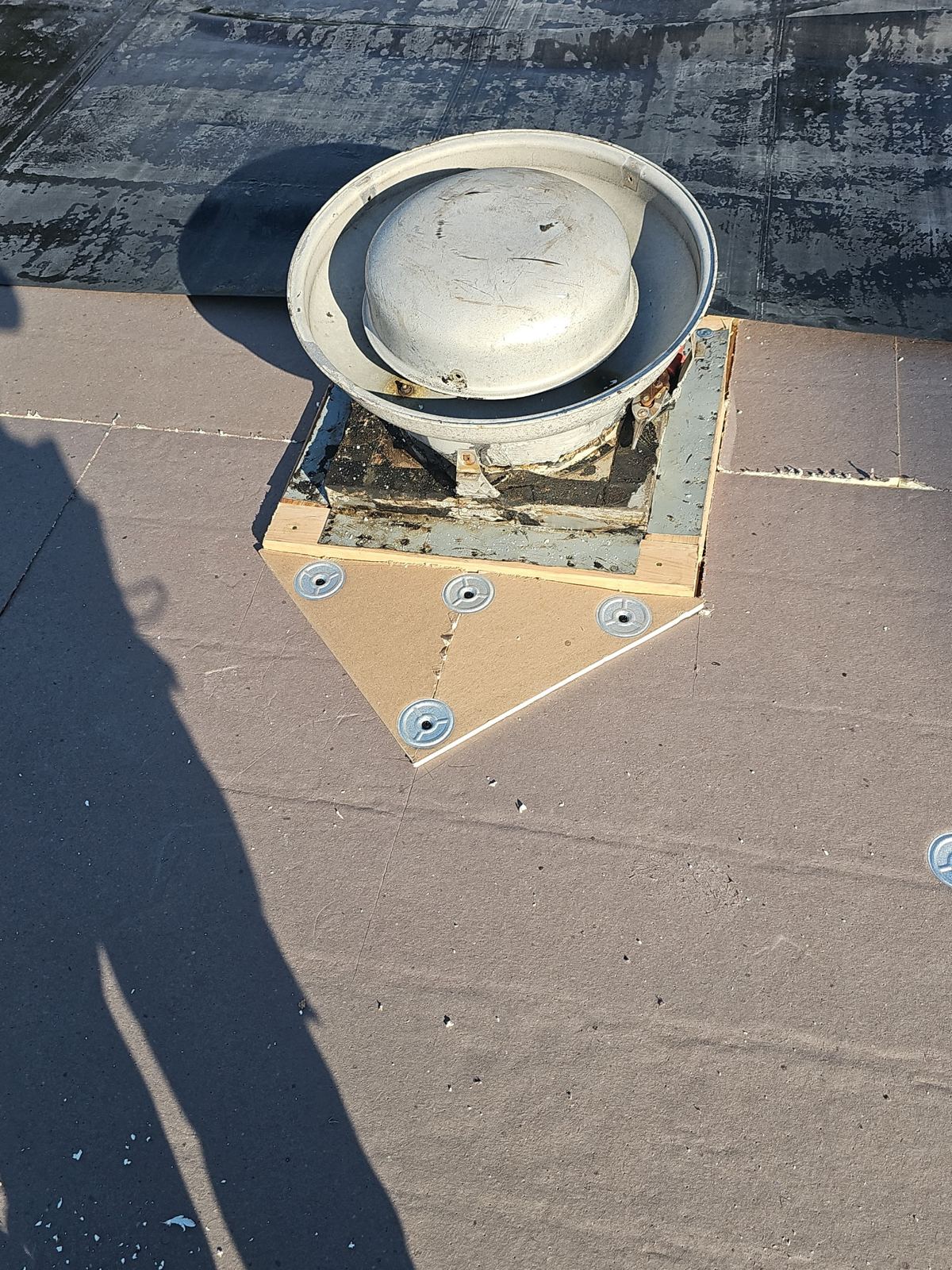
- Pipe boot and vent collar breakdown: UV degradation and winter cracking of neoprene boot seals on plumbing stacks.
Emergency Tarping and Storm Damage Mitigation
Severe storm events, northern blizzards, and microbursts frequently knock mature oak and maple tree branches onto Summit roofs, causing structural punctures and immediate water leaks. Storm Guard Roofing maintains a 24/7 emergency response team to deploy temporary containment measures, preventing rain and meltwater from destroying plaster ceilings, hardwood floors, and interior finishes. Call (201) 403-0024 for rapid dispatch during emergency situations.
Our emergency protocol centers on secure mechanical tarping that withstands high winds without causing further damage to surviving roof materials. We secure heavy-duty tarps using furring strips nailed directly into solid framing members rather than reliant on weight blocks or unanchored ropes. Following immediate containment, our team documents all wind damage, impact destruction, and secondary interior losses. We assist homeowners through the insurance claims process, delivering technical line-item documentation to insurance adjusters to ensure repairs conform to local structural codes.
- 24/7 emergency dispatch: Direct deployment to secure active leaks, tree-impact punctures, and wind-blown section losses.
- Mechanical tarp installation: Furring-strip anchoring that prevents wind-lift while sealing damaged roof areas.
- Comprehensive storm assessment: Detailed photographic and written reports outlining wind displacement, hail impact marks, and structural framing stress.
- Insurance claim handling: Direct coordination with insurance carriers using standard line-item estimating software matching Union County rates.
Repair Costs Relative to Full Roof Replacement
Homeowners in Summit facing active roof leaks often worry that a single leak necessitates a complete roof replacement. On large, complex, or historic roofs, localized surgical repair is significantly more cost-effective when the surrounding materials remain structurally sound. Replacing an entire slate roof or a steep multi-gabled roof can cost tens of thousands of dollars; targeted repairs focus expenditure directly on localized failure points like flashings, pipe boots, or damaged valley sections.
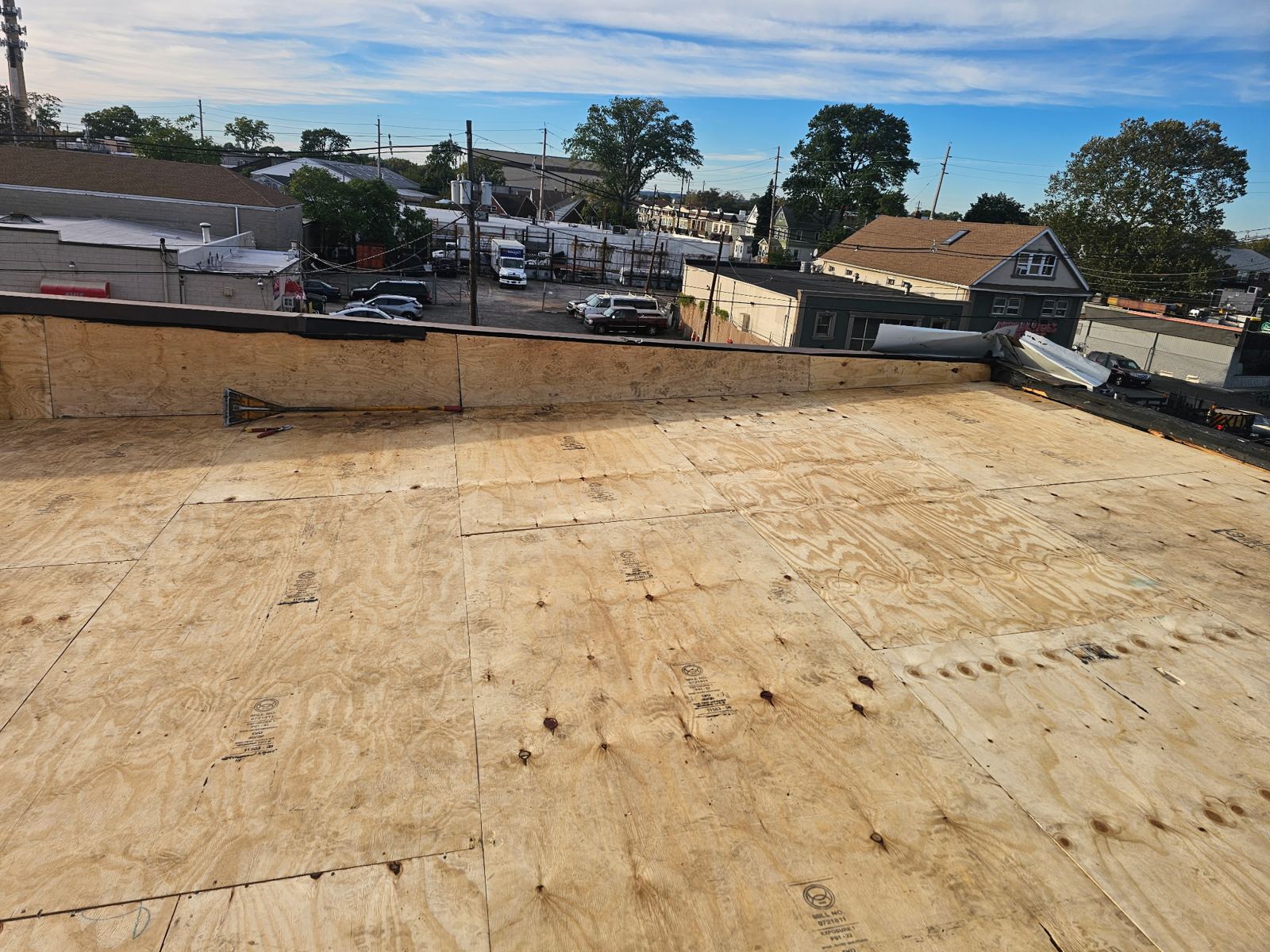
A repair remains the sound engineering decision when the overall roofing material retains its protective granule layer or structural integrity, and damage is limited to mechanical failures, isolated storm impacts, or aged flashings. Conversely, if asphalt shingles have lost critical granule mass across multiple slopes, or if wood decking exhibits widespread rot from prolonged moisture, a spot repair only defers an inevitable tear-off. We provide clear, objective condition assessments so Summit property owners can make informed financial decisions based on structural reality.
- Cost efficiency: Spot repairs target specific failure mechanisms, extending roof service life without total replacement expenditure.
- Material preservation: Retaining functioning copper gutters, custom flashings, and sound historic slate tiles wherever feasible.
- Decking evaluation: Inspection of underlying wood tongue-and-groove or plywood sheathings to ensure structural integrity prior to repairing surface layers.
- Scope accuracy: Detailed breakdown of labor and material requirements, isolating necessary repairs from unnecessary systemic work.
Summit Building Codes and Municipal Compliance
Roof repairs in the City of Summit must comply with the New Jersey Uniform Construction Code (NJUCC) and local municipal guidelines enforced by the Summit Department of Community Services Construction Code Office. While minor maintenance and localized shingle repairs under specific area thresholds may not require a full building permit, structural modifications, sheathing replacement, and extensive flashing overhauls require adherence to current safety and wind resistance standards.
Storm Guard Roofing ensures every repair conforms to Union County building codes. We handle all required documentation, permit filings, and municipal inspection scheduling when structural framing or major sub-layer repairs are triggered. Workmanship complies with manufacturer installation specifications and local fire resistance classifications, maintaining the long-term structural value and insurable status of your property.
- Permit administration: Complete handling of municipal filings with the Summit Construction Code Office when required by work scope.
- Code compliance: Adherence to NJUCC standards for wind resistance, ice barrier protection, and structural framing requirements.
- Material compatibility: Matching existing historical or specialized materials to satisfy local historic district guidelines when applicable.
- Qualified tradesmanship: Licensed and insured execution with over 25 years of experience protecting property owners from municipal non-compliance penalties.
Summit questions we get asked
- How do you handle roof repairs on Summit homes with historic slate or copper gutter systems?
- Slate tile and copper repairs require specialized hand tools and historical techniques. We replace damaged slates using copper slate hooks and slate rippers to avoid disturbing surrounding tiles, and we solder or mechanically seam custom copper flashings to integrate correctly with half-round or built-in copper gutter systems.
- Do I need a municipal permit from the City of Summit for an emergency roof tarp or leak repair?
- Emergency containment tarps and minor spot repairs do not require prior permitting from the Summit Construction Code Office. If the repair requires replacing structural decking or significant framing sections, we pull the necessary permits and schedule municipal inspections directly.
- Why do ice dams form on steep Summit roofs, and how are they repaired?
- Ice dams form when heat escapes into the attic, melting snow on upper steep slopes, which then refreezes at the colder eaves and copper gutter line. Repairing ice dam damage involves removing ruined shingles and installing self-adhering ice and water shield membranes along the eaves and valley transitions before re-shingling.
- What should I do if a tree branch punctures my roof during a storm in Summit?
- Call Storm Guard Roofing immediately at (201) 403-0024 for 24/7 emergency response. We dispatch a crew to mechanically tarp the puncture site, document structural damage for your insurance claim, and formulate a permanent repair plan.
More in Summit
Call (201) 403-0024 for a Summit inspection, or send the form.