Westwood · Bergen County
Westwood Roof Repair: Diagnostic Leak Fixing and Emergency Tarping
Westwood home architecture features older colonials and capes with dormers and intricate valleys. These structural transitions, paired with heavy fall leaf load in Bergen County, create specific vulnerabilities for water penetration. Storm Guard Roofing provides targeted roof repair services across Westwood, focusing on pinpoint leak identification, emergency stabilization, and durable structural repairs. Family owned and operated for over 25 years, our licensed and insured team handles everything from sudden storm damage to chronic flashing leaks. We also assist homeowners through the entire insurance claims process when storm impacts compromise your roofing assembly. Call (201) 403-0024 for immediate assistance or to schedule an inspection.
Water Penetration Vulnerabilities on Westwood Capes and Colonials
The architectural layout of older colonials and capes in Westwood introduces complex rooflines. Dormers, wall intersections, and valleys require precise metal step flashing and counter-flashing to shed water effectively. Over time, thermal expansion, sealant degradation, and structural settling break these seals. When heavy fall leaf load accumulates in roof valleys and behind dormer step flashing, trapped organic debris holds moisture directly against the shingle surface. This moisture buildup accelerates shingle decay and allows water to back up under the underlayment during rainstorms or freeze-thaw cycles.
Structural leak points on these specific homes often originate away from where water actually enters the interior ceiling. Water travels along rafters, sheath boards, and ceiling joists before dropping onto drywall. A proper roof repair requires tracing the entry path back to failing valley metals, cracked pipe boots, or rusted step flashing around dormers rather than simply applying caulk over surface shingles.
- Step flashing decay around dormer sidewalls and chimney brickwork.
- Valley obstruction and water backing up caused by heavy fall leaf load.
- Sealant breakdown around plumbing vent stacks and skylight curbs.
- Shingle lift along rake edges and eaves caused by wind exposure.
Emergency Tarping and 24/7 Storm Damage Response
Severe weather events in Bergen County frequently bring high winds, hail, and fallen tree branches that compromise structural integrity. When wind lifts shingles or debris punctures the decking, immediate intervention prevents water from saturating insulation, drywall, and framing. Storm Guard Roofing operates a 24/7 emergency response service to install heavy-duty temporary tarping and secure exposed decking against incoming rain.
Emergency stabilization isolates the damaged area before structural mold or electrical hazards develop inside the home. Once the acute entry point is sealed, our team performs a thorough evaluation to document the scope of damage for insurance claims. We work directly with your insurance adjuster, providing detailed photo documentation and technical itemizations required to process claims efficiently.
- Immediate 24/7 dispatch for active leaks, severe storm damage, and tree impact.
- Secure water barrier installation using commercial-grade tarps and wooden battens.
- Insurance claims assistance, including complete damage documentation and adjuster coordination.
Diagnostic Repair Methods for Flashing and Valley Failures
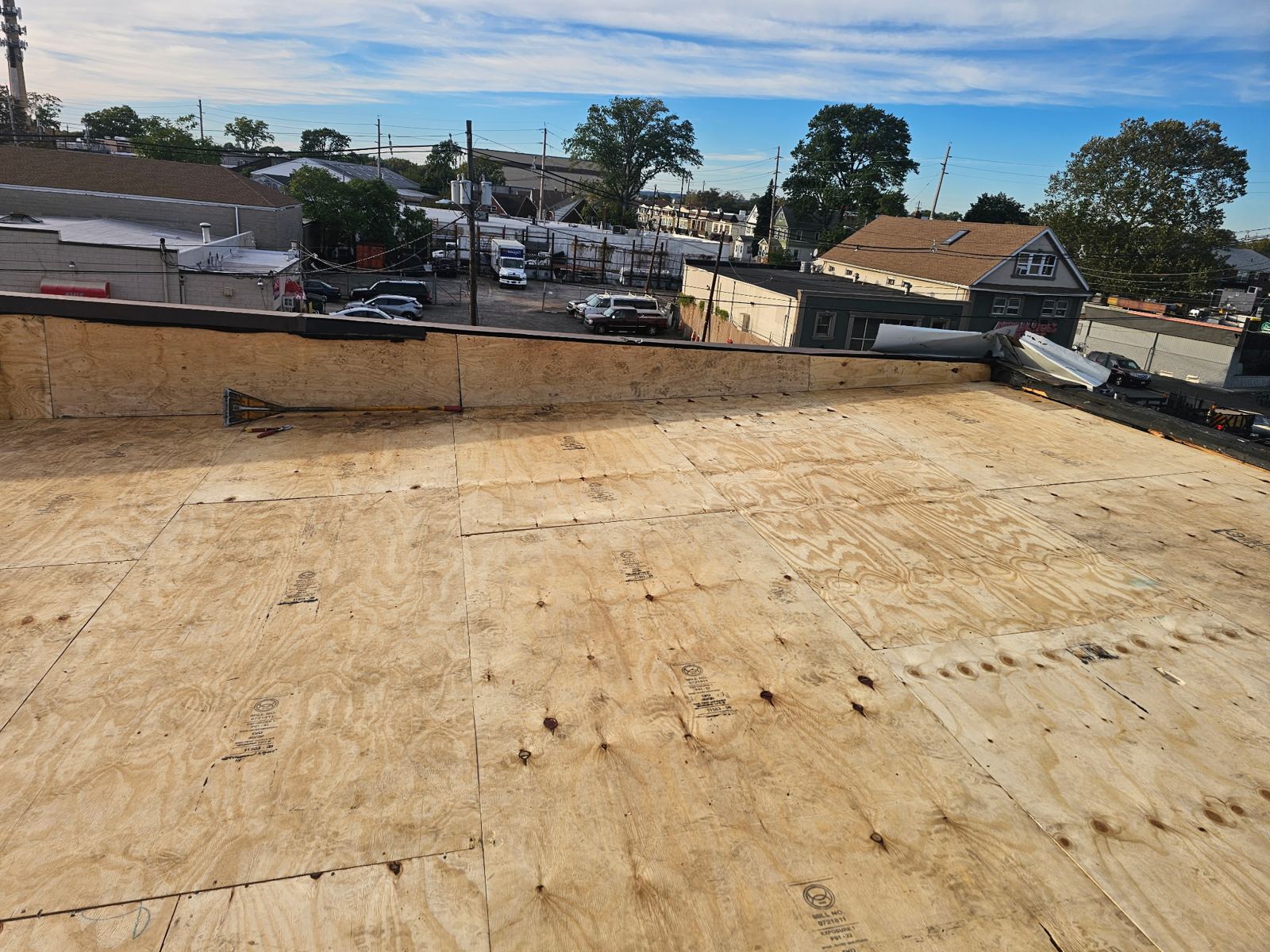
Fixing a leaking roof requires a mechanical solution rather than temporary top-coat sealants. When step flashing around a Westwood colonial dormer fails, the existing shingles around the wall transition must be carefully unsealed and removed. We inspect the underlying plywood sheath board for rot or softened decking, replacing damaged wood before installing self-adhered ice and water membrane.
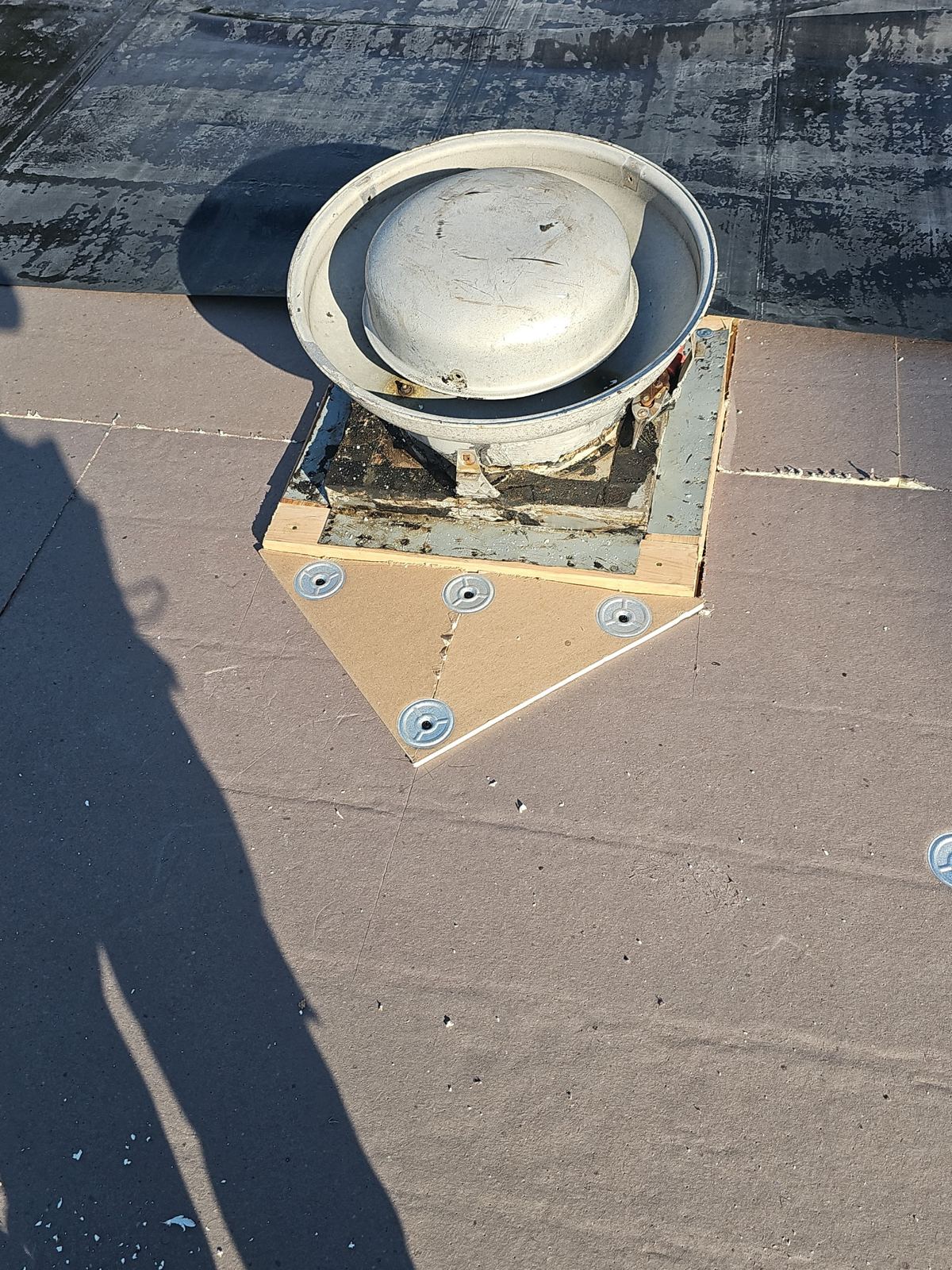
Valleys on cape cod homes handle high volumes of runoff. When leaf accumulation rots valley underlayment, repair involves clearing the affected run, weaving new shingles or setting metal valley liners, and verifying that water drains freely off the eave edge. Replacing cracked pipe boots involves removing surrounding shingle rows, setting a lead or synthetic collar, and re-shingling over the mounting flange to re-establish a watertight overlap.
- Removal of damaged materials down to structural roof decking to inspect for rot.
- Installation of self-adhering membrane underlayments in vulnerable valleys and wall seams.
- Replacement of corroded metal flashing, step flashing, and pipe boot assemblies.
Comparing Roof Repair Scope to Full System Replacement
Homeowners in Westwood often evaluate whether a targeted roof repair is practical or if a complete replacement is necessary. If the underlying shingle field remains pliable, retains its granule coating, and covers isolated damage, localized roof repair provides a cost-effective solution that preserves the remaining lifespan of the roof assembly. Repairing isolated issues like damaged dormer flashing or isolated wind-torn shingles avoids the larger capital expense of a total tear-off.
Replacement becomes necessary when the asphalt matrix of the shingles has oxidized, turned brittle, or lost significant granule protection across entire slopes. Attempting to repair isolated sections on a roof at the end of its functional life can cause adjacent brittle shingles to crack during installation. Storm Guard Roofing provides factual assessments of your roof condition so you can determine whether simple repair or full replacement makes sense for your property.
- Targeted repairs extend the functional service life of structurally sound roofing fields.
- Minor flashing failures and localized storm damage can be isolated without full tear-off.
- System evaluations focus on shingle pliability, granule loss, and age-related wear patterns.
Correcting Flashing Leaks and Valley Blockages in Westwood
Maintenance on Westwood roofs must account for the high tree canopy that characterizes the area. The heavy fall leaf load drops leaves, pine needles, and twigs directly into roof valleys and gutter troughs. When leaves collect in low-slope valleys or behind dormers, water dams form. Rainwater pools against the shingle laps instead of shedding down the roof slope. Over several seasons, this constant moisture contact degrades the shingle backing.
Our repair approach addresses both the physical damage and the underlying drainage issue. We remove trapped leaf debris, clean damaged valley channels, and replace compromised underlayment with self-adhering ice and water barriers. We also ensure step flashing is properly integrated into siding or mortar joints, preventing water from penetrating interior walls during heavy rainstorms.
- Clearing organic leaf buildup from roof valleys and dormer wall channels.
- Replacing water-damaged underlayment with self-adhering membranes.
- Correcting step flashing integration to prevent water intrusion into exterior walls.
Westwood questions we get asked
- How do older colonials and capes in Westwood create unique leak risks?
- The architectural design of capes and colonials includes multiple dormers, roof valleys, and wall intersections. These transitions rely heavily on step flashing and valley membranes. When heavy fall leaf load accumulates in these valleys and behind dormers, it traps moisture against the shingles, accelerating decay and causing water leaks.
- What should I do immediately if I notice an active roof leak during a storm?
- Place a bucket under the leak to catch dripping water and clear surrounding furniture. If water is pooling on top of ceiling drywall, carefully poke a small hole in the center of the bulge to drain the water and prevent large-scale ceiling collapse. Contact Storm Guard Roofing at (201) 403-0024 for 24/7 emergency response and tarping.
- How does Storm Guard Roofing assist with insurance claims for storm damage?
- We conduct detailed inspections to document wind, hail, or tree impact damage on your roof. We provide photo evidence and written reports to your insurance adjuster, coordinating directly during meetings with the adjuster to ensure the required scope of repair is documented.
- How do I know if my roof needs a repair or a full replacement?
- If the leak is isolated to a specific area (such as a dormer, chimney, or valley) and the surrounding shingles are pliable with good granule coverage, a targeted roof repair is typically sufficient. If shingles across the entire roof are brittle, curling, or losing granules, replacement may be necessary. We provide factual inspections to guide your decision.
More in Westwood
Call (201) 403-0024 for a Westwood inspection, or send the form.