Westwood · Bergen County
Complete Roof Replacement for Westwood Homes
Storm Guard Roofing provides complete roof replacement services for residential properties throughout Westwood, New Jersey. Operating for over 25 years as a family owned, licensed, and insured roofing contractor, our team addresses structural deterioration, aging shingle layers, and storm damage. We manage every phase of the project, including insurance claims processing and 24/7 emergency response when immediate stabilization is required. Older colonials and capes throughout Westwood feature distinct structural elements such as steep dormers, intricate valleys, and low-slope additions. These roof designs face continuous environmental exposure, including heavy fall leaf load that retains moisture along shingle edges and flashing channels. A standard superficial fix often fails to resolve underlying rot or inadequate ventilation. Our focus remains entirely on comprehensive roof replacement solutions engineered to restore structural integrity, improve attic airflow, and protect your home against long-term water intrusion. Call (201) 403-0024 to discuss your project requirements with an experienced roofing contractor.
Tear-Off vs. Overlay Decisions for Westwood Properties
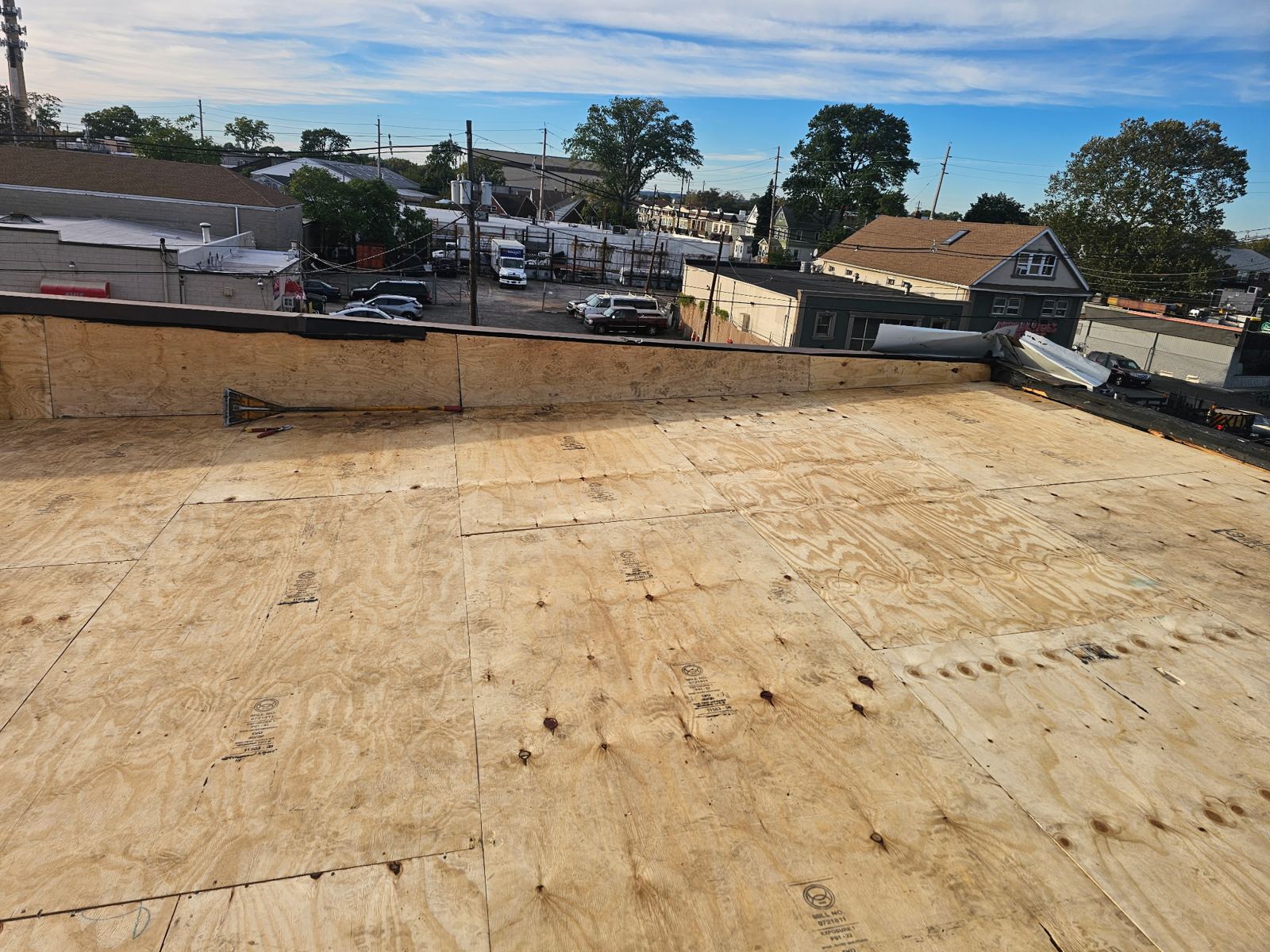
Laying a new layer of asphalt shingles over an existing roof presents serious long-term risks for Westwood properties. Older colonials and capes often have existing shingle layers that hide decaying wood, soft decking, or past water leaks. Adding a second layer increases structural weight on older rafters, traps heat inside the attic space, and prevents installers from inspecting the underlying wooden deck. A full tear-off allows crews to strip the roof down to the bare wooden sheathing, exposing hidden structural defects, dry rot, or rusted fasteners around dormers and roof valleys.
Performing a complete tear-off is the only method to ensure ice and water shields, synthetic underlayments, and new drip edges are installed directly against the decking. In areas with high leaf accumulation, trapped wet debris along valleys quickly degrades double-layered roof systems. Stripping the old materials back to the rafters creates a clean, flat surface necessary for proper shingle adhesion and long-term weatherproofing.
- Removal of all existing shingle layers down to the bare wooden decking.
- Full inspection of roof rafters, dormer framing, and plywood sheathing.
- Direct application of self-adhering ice and water protection in high-risk zones.
- Prevention of excessive dead load weight on older residential framing.
Decking Repairs and Attic Ventilation Balancing in Westwood
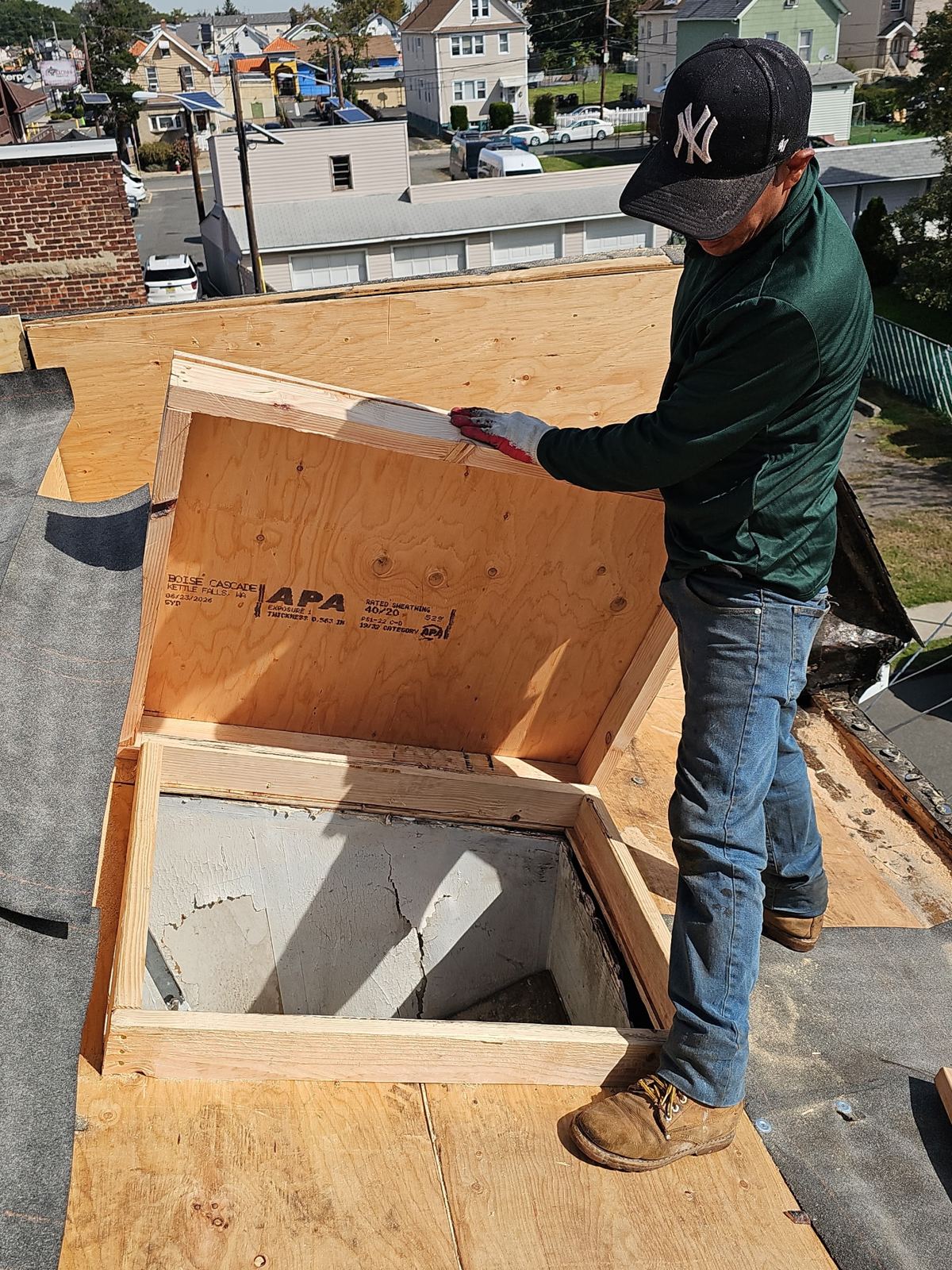
A durable roof system relies on solid structural sheathing and balanced attic airflow. During a roof replacement, damaged or rotting plywood and tongue-and-groove boards are removed and replaced with new exterior-grade sheathing. Older capes in Westwood often suffer from trapped moisture due to unvented soffits or blocked ridge vents. Poor airflow accelerates shingle blistering from heat buildup in summer and promotes ice dam formation during winter freezes.
Upgrading attic ventilation during structural replacement involves calculating intake and exhaust balance. Integrating continuous ridge vents along the main roof peak combined with cleared soffit intake vents allows heat and humidity to escape efficiently. Proper intake and exhaust airflow preserves the roof deck integrity, reduces attic temperatures, and prevents moisture condensation under the newly installed shingles.
- Replacement of water-damaged, warped, or delaminated deck sheathing.
- Installation of continuous ridge vents for consistent exhaust airflow.
- Assessment of soffit vents to maintain proper intake ventilation balance.
- Reduction of attic heat accumulation to extend shingle service life.
Material Selection for Colonials, Capes, and Low-Slope Additions
Residential architecture in Westwood requires roofing materials capable of handling complex rooflines and heavy foliage. Architectural asphalt shingles provide high wind resistance, multi-layered durability, and dimensional profiles that complement traditional colonial and cape styles. Dormers and roof valleys collect organic debris, requiring self-adhering ice and water membrane barriers along critical transition points.
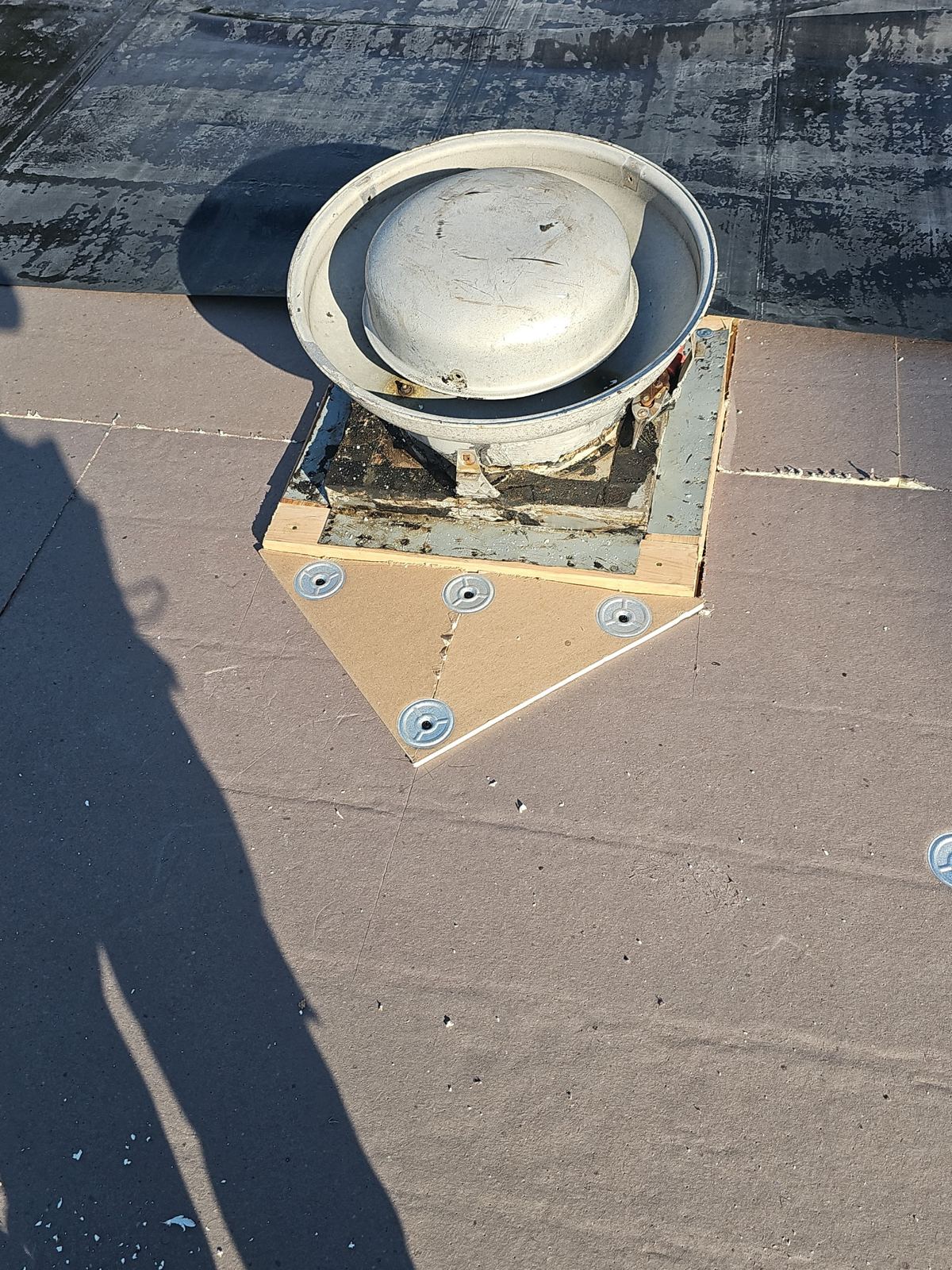
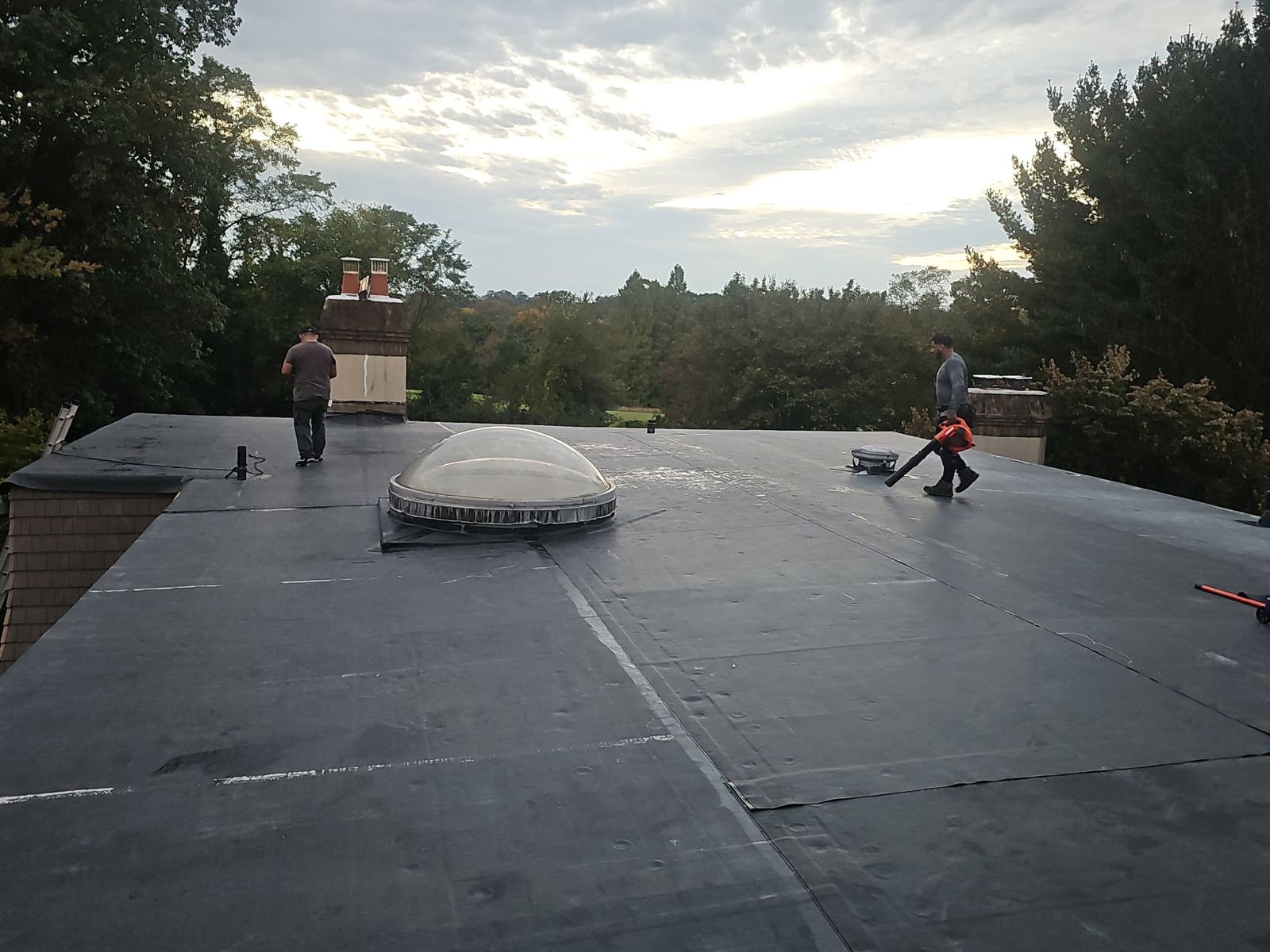
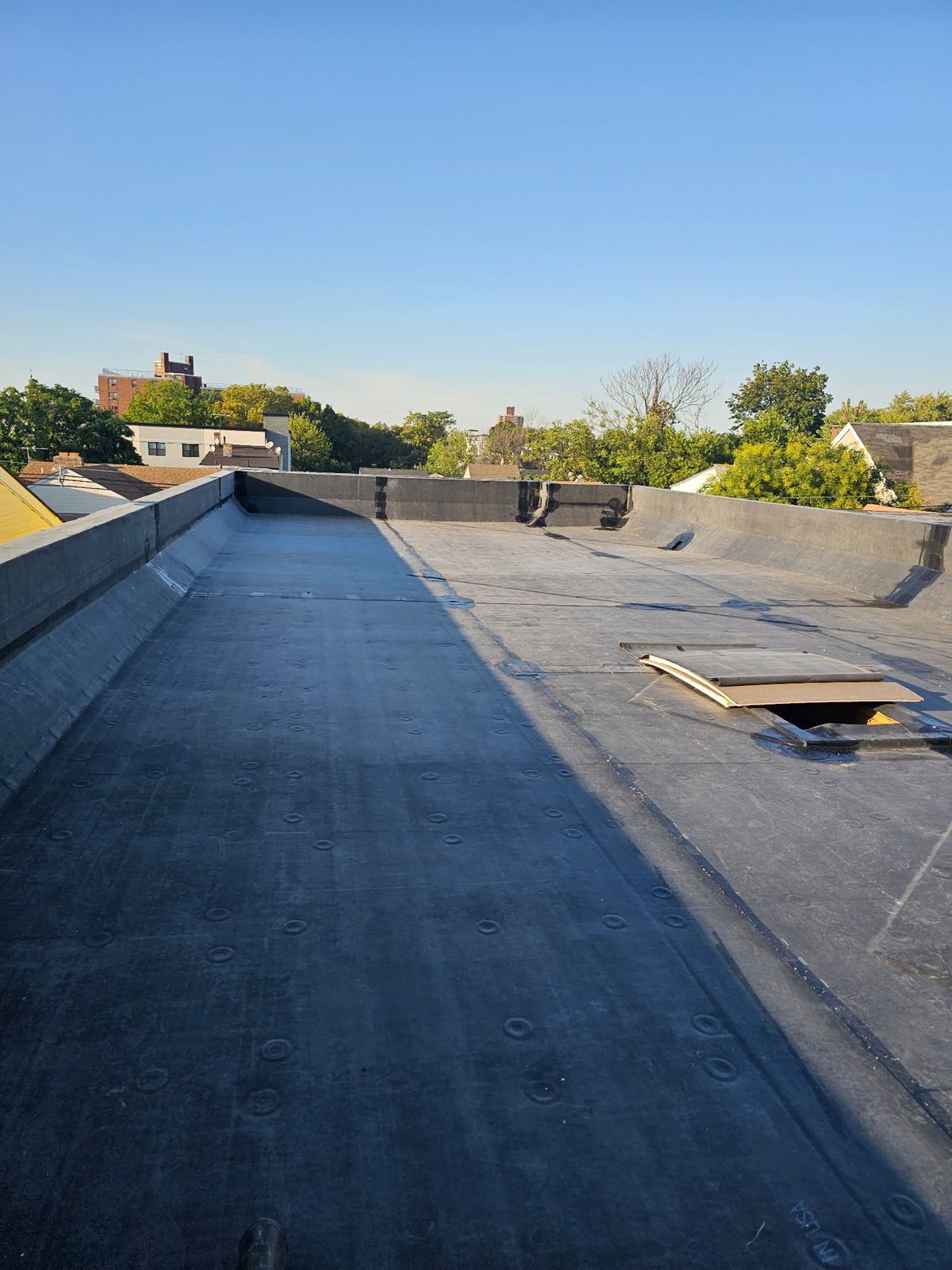
Many older homes feature low-slope rear additions, porch covers, or shallow dormer transitions. Standard architectural shingles are not designed for low-pitch surfaces where standing water or slow drainage can occur. For these sections, single-ply membranes or multi-ply modified bitumen systems are integrated into the main shingle roof. This dual-system approach creates a water-resistant seal across both steep-slope and low-pitch sections of the house.
- Architectural asphalt shingles designed for high wind and heavy debris resistance.
- Single-ply EPDM or modified bitumen membranes for low-slope roof sections.
- Heavy-duty valley flashings engineered to handle heavy fall leaf load.
- Corrosion-resistant drip edges along all eaves and rakes.
Managing Timelines, Yard Containment, and Homeowner Disruption
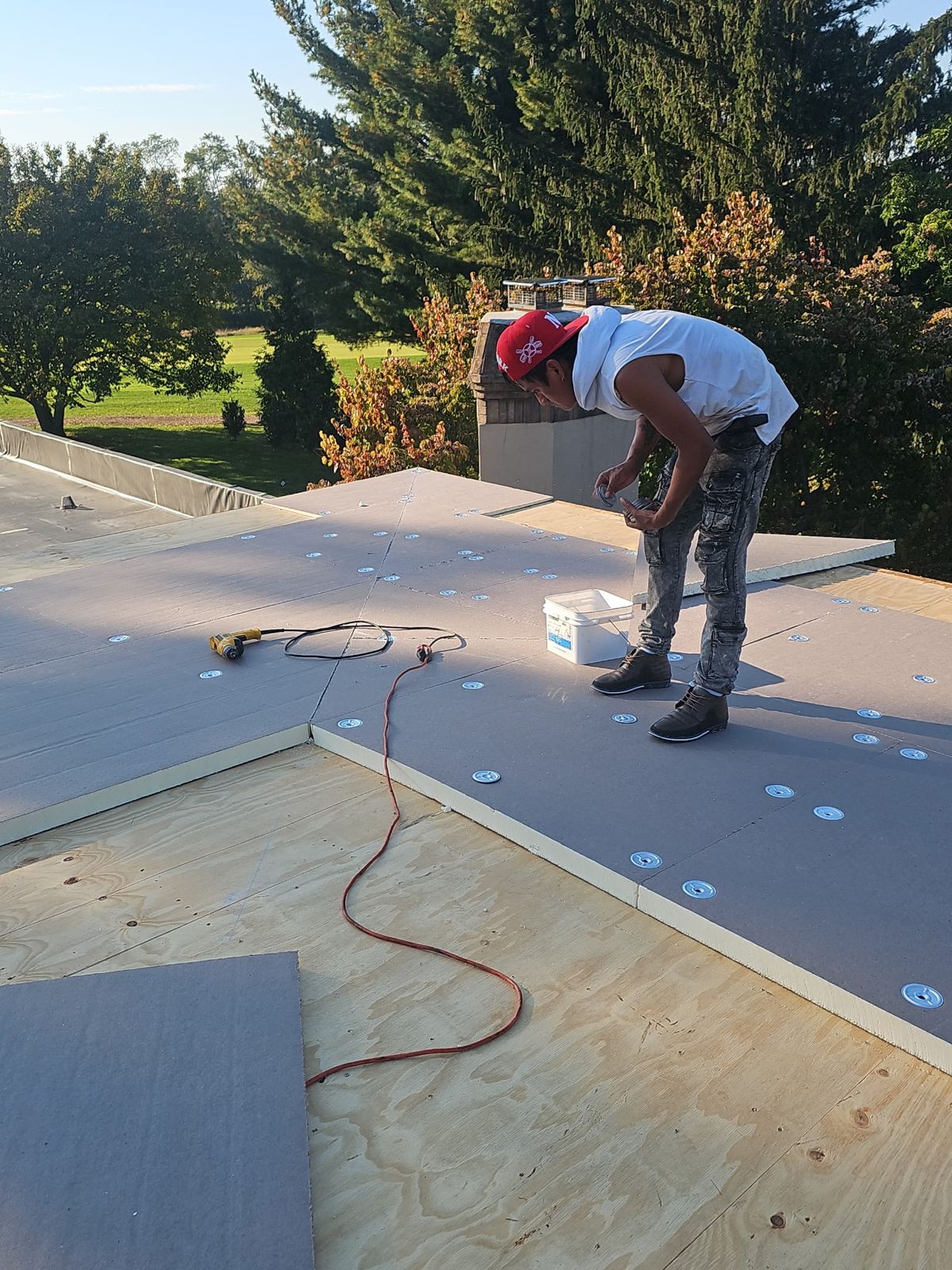
Executing a full roof replacement requires organized site management to limit disruption to your daily routine. Most residential replacements on standard capes and colonials in Westwood are completed within one to two days, weather permitting. Before tear-off begins, containment tarps are suspended from the gutters to protect exterior siding, windows, and surrounding flower beds from falling shingles and nails.
Debris is loaded directly into containment trucks to keep driveways and walkways clear throughout the construction process. After the installation is complete, technicians perform multiple magnetic sweeps around the perimeter to collect stray metallic fasteners, leaving the property clean and safe.
- Typical replacement completed in one to two consecutive days.
- Protective tarps deployed to shelter siding, windows, and landscaping.
- Continuous cleanup during tear-off to maintain clear driveways.
- Magnetic perimeter sweeps to capture hidden metal fasteners.
Insurance Claim Management and 24/7 Emergency Response
Severe weather, falling branches, and ice buildup can cause sudden roof failure. Storm Guard Roofing provides 24/7 emergency response to stabilize damaged roofs with temporary tarping and emergency seals, preventing water from penetrating interior ceilings and living spaces. When storm damage requires a full roof replacement, our team assists homeowners through the complex insurance claims process.
We document all structural damage, scope of loss, missing shingles, and saturated decking to provide complete technical records for insurance adjusters. As a licensed and insured contractor with over 25 years of local experience, we help ensure your claim accounts for all necessary structural repairs, ventilation upgrades, and code-compliant materials required for home protection.
- 24/7 emergency call response for immediate structural stabilization and tarping.
- Detailed photographic evidence and technical reports for insurance adjusters.
- Direct communication with insurance carriers to streamline scope approvals.
- Complete replacement services executed according to strict building standards.
Westwood questions we get asked
- How do dormers and valleys on older Westwood colonials affect roof replacement?
- Dormers and valleys create complex angles where water and heavy fall leaf load gather. During replacement, these transition areas require custom metal flashing and self-adhering ice and water membrane underlayment. Removing old materials around these architectural elements requires additional care during the tear-off phase, ensuring these vulnerability points are sealed properly against leaks.
- Why is a complete tear-off recommended over an overlay for a Westwood cape cod home?
- Overlaying new shingles over old ones conceals existing deck rot, cracked sheathing, and trapped moisture, which are common issues in older cape cod style homes. A complete tear-off allows roofers to inspect the wooden deck, replace compromised plywood, upgrade attic ventilation, and install ice and water shields directly on the bare surface, ensuring long-term structural protection.
- What roofing material is recommended for low-slope additions on Westwood homes?
- Standard shingles are prone to leaks on low-slope surfaces because water drains slowly off low pitches. For rear additions or low-slope porch roofs, modified bitumen or single-ply membrane systems such as EPDM are recommended. These materials form a watertight barrier across low-pitch transitions while tying cleanly into the main shingle roof.
- How does heavy fall leaf load affect the roof replacement process in Westwood?
- Heavy leaf accumulation retains moisture along gutters, eaves, and valleys, accelerating shingle decay and damaging edge decking. During replacement, extra attention is paid to installing heavy-gauge drip edges, wide valley flashings, and ice and water shields along edge lines so wet leaf debris does not cause water infiltration under the shingles.
More in Westwood
Call (201) 403-0024 for a Westwood inspection, or send the form.