Gloucester City · Camden County
Targeted Roof Repair Services for Gloucester City Properties
Storm Guard Roofing delivers targeted roof repair for residential and commercial structures throughout Gloucester City, New Jersey. With over 25 years of experience as a family-owned, licensed, and insured contractor, our focus remains on isolating active leaks, restoring compromised flashing, and repairing structural roofing components before minor defects trigger structural damage. We handle insurance claims from initial damage assessment to final documentation, providing 24/7 emergency response when severe weather strikes Camden County. Call our team directly at (201) 403-0024 to evaluate active water intrusion, wind-damaged membranes, or failing masonry transitions on your roof.
Gloucester City Rowhouse Flat Roofs and Shared Parapet Leak Repair
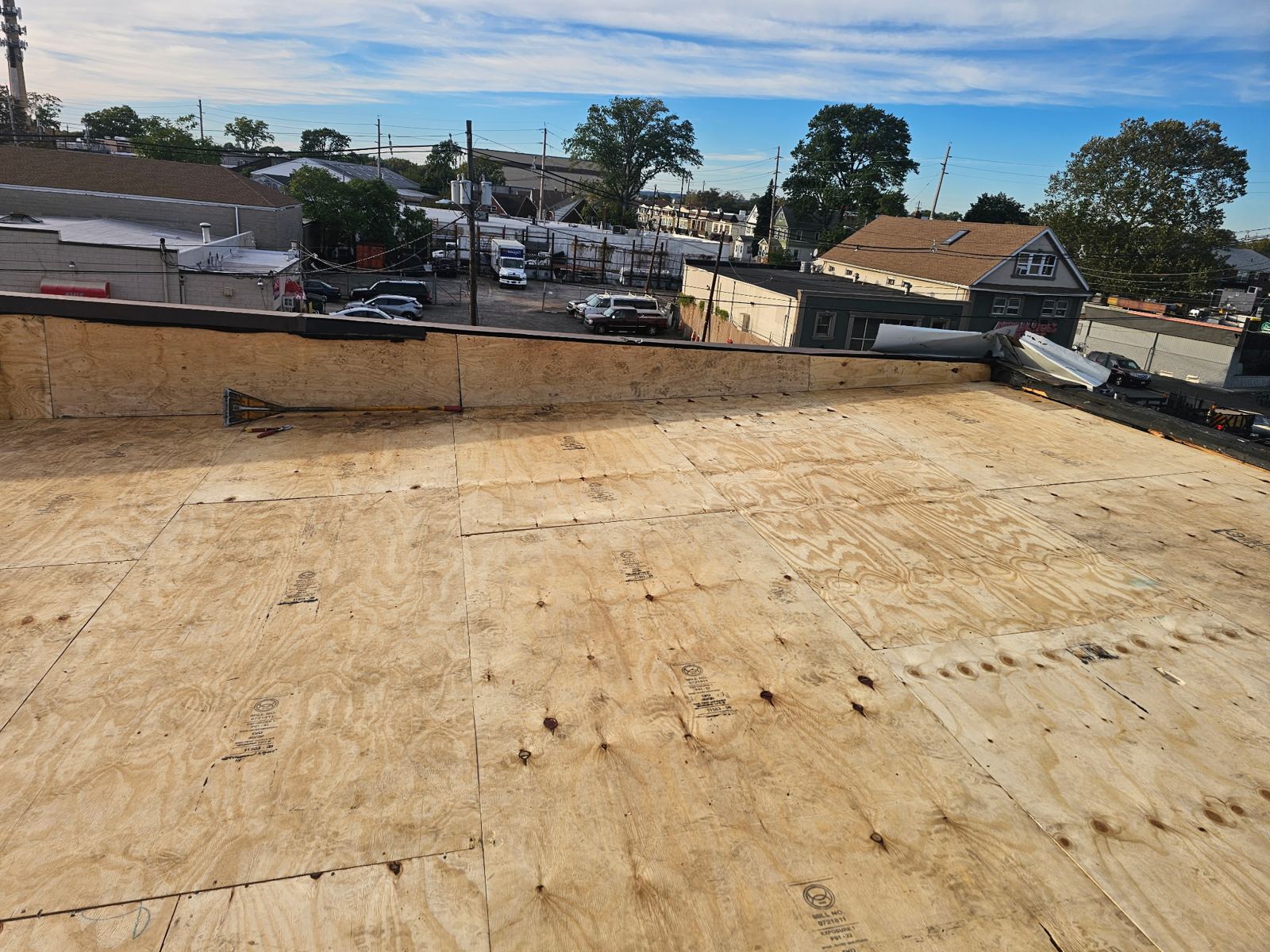
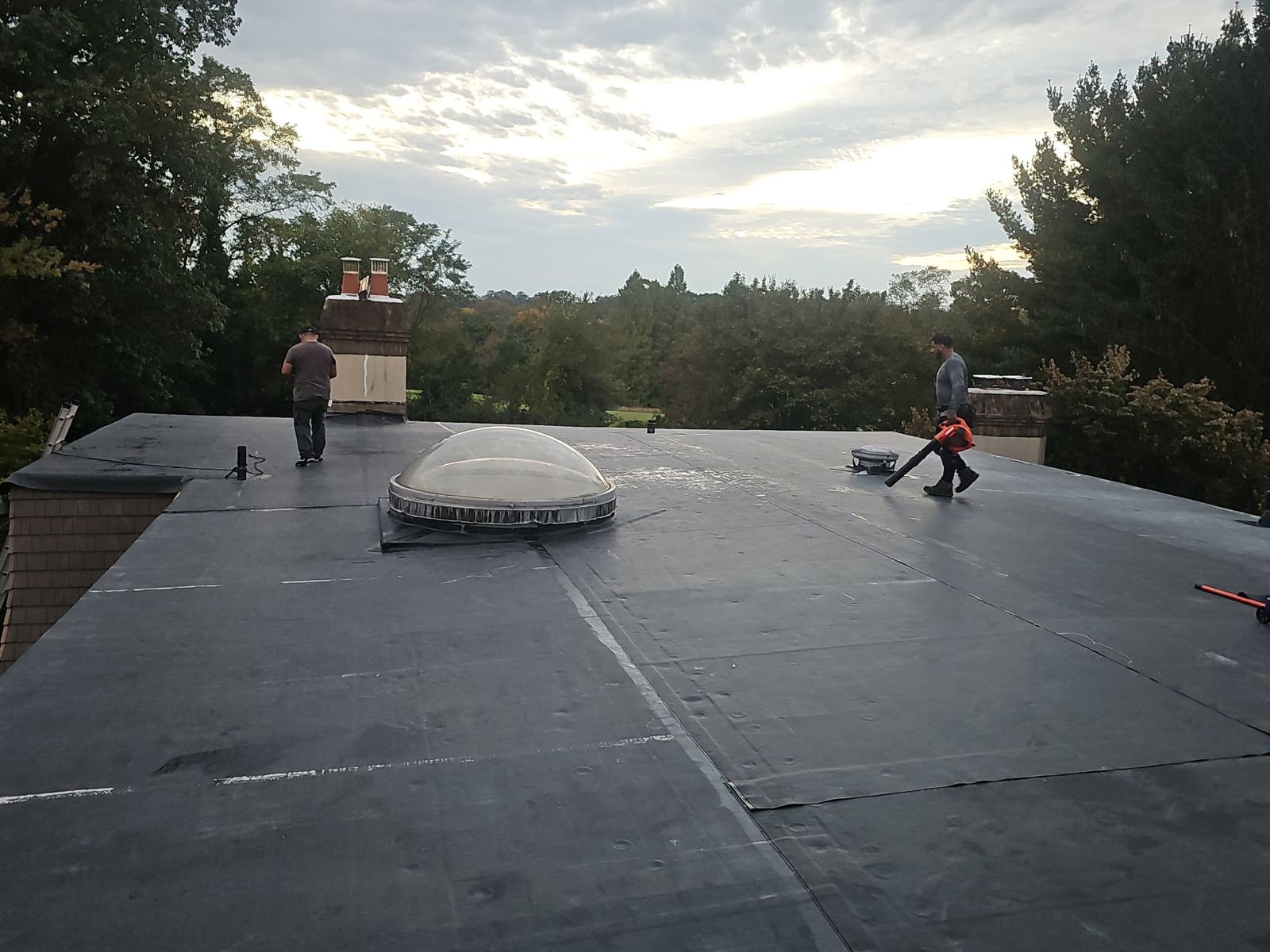
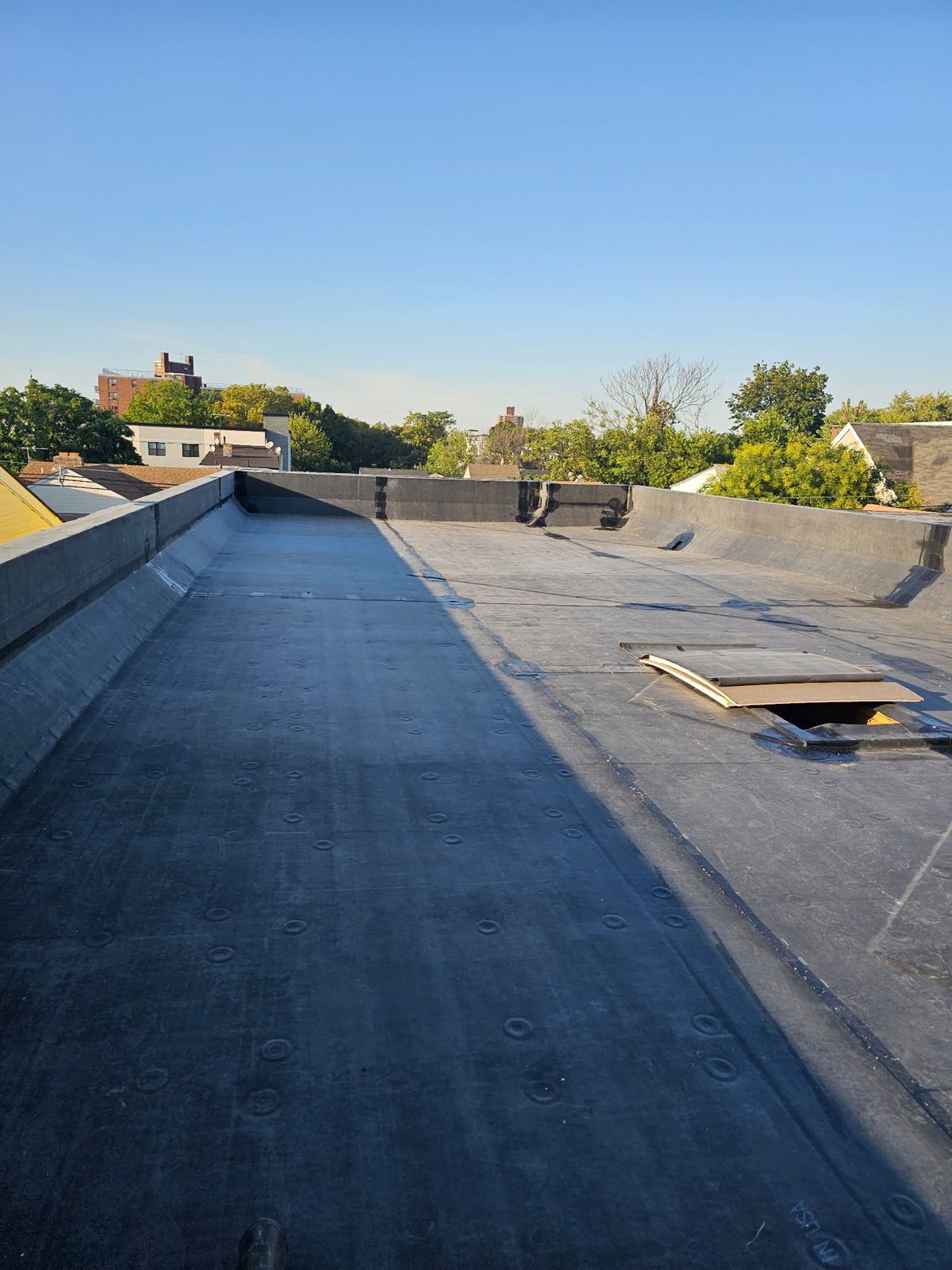
A significant portion of the local building stock in Gloucester City consists of rowhouses with flat roofs, shared parapets, and coping joints that open over time. These architectural features demand specialized maintenance strategies compared to standard sloped asphalt shingle systems. As building materials expand and contract through seasonal temperature shifts, the mortar joints between terra cotta or metal coping caps split. Water enters through these open joints, traveling horizontally along the top of the shared brick parapet wall before showing up on interior plaster ceilings.
Repairing water intrusion on shared parapet walls requires systematically checking cap joints, counter-flashing, and the termination bars that secure the flat roofing membrane to the masonry. Rather than applying temporary caulk that splits after a single freeze-thaw cycle, proper roof repair involves raking out failed mortar, applying elastomeric masonry sealants, and installing custom metal capping over open seam lines. Restoring these shared boundaries stops water migration into adjacent properties while preserving structural masonry.
- Sealing open coping caps and masonry joints along shared rowhouse parapets.
- Re-securing loose membrane termination bars and counter-flashing along brick walls.
- Patching localized blisters, punctures, and split seams on EPDM and modified bitumen flat roofs.
Diagnosing Flashing, Wall Step, and Valley Failures
Flashing failures account for the majority of residential roof leaks across Camden County. Wall step flashing, chimney counter-flashing, and roof valley intersections experience continuous stress from water runoff and wind uplift. When step flashing metal corrodes or pulls away from sidewalls, driven rain bypasses the primary shingle layer, entering wall cavities without visible surface damage to shingles.
Our technicians perform detailed physical inspections to pinpoint exact entry locations. In valleys where two roof slopes meet, debris accumulation often traps moisture, accelerating metal corrosion or degrading underlying leak barriers. Targeted repairs focus on replacing damaged metal stock, setting new step flashing modules within wall mortar joints, and installing self-adhering ice and water membranes behind existing siding transitions. This approach restores waterproof integrity without destabilizing adjacent roof sections.
- Replacing corroded wall step flashing and damaged valley metal transitions.
- Cutting and repointing brick wall counter-flashing mortar joints.
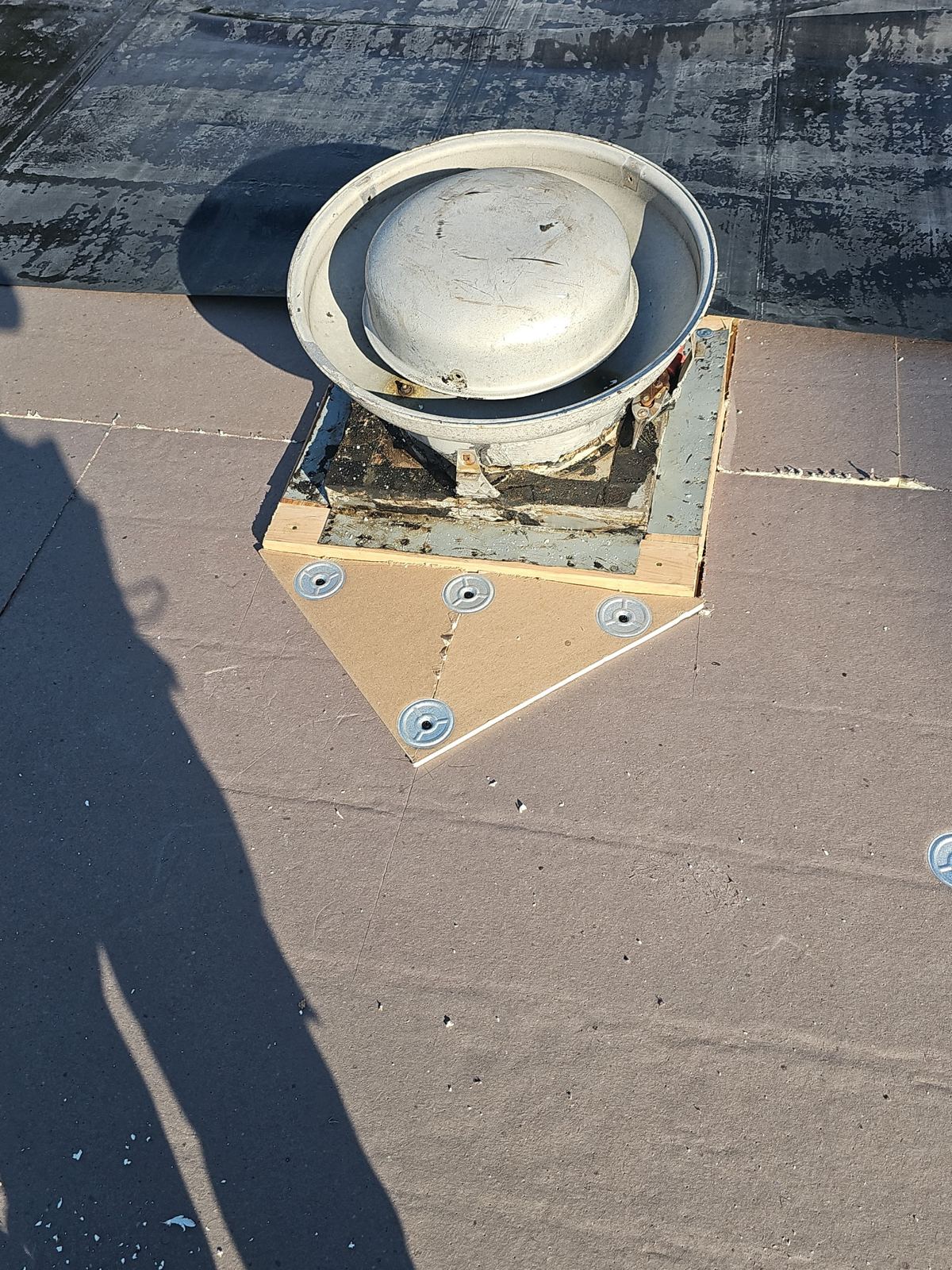
- Re-bedding roof vent pipes and skylight side flashings with commercial grade sealants.
Emergency Tarping and Storm Damage Response in Gloucester City
High winds, hail, and heavy rainfall cause immediate structural threats to Gloucester City properties. When severe weather tears away membrane sections or shingle courses, immediate containment prevents secondary water damage to interior framing and living spaces. Storm Guard Roofing provides 24/7 emergency response, dispatching crews equipped to perform heavy-duty tarping, structural shoring, and temporary water diversion under adverse weather conditions.
Following emergency containment, our team documents all storm damage for your insurance carrier. We prepare photographic evidence, itemized scope reports, and material specifications required by adjusters. Managing the insurance claim process directly ensures that repairs comply with local safety requirements without leaving policyholders with unexpected out-of-pocket costs for covered damage.
- Rapid deployment of reinforced weather-resistant tarping after severe wind or hail events.
- Comprehensive photographic documentation and structural assessment for insurance adjusters.
- Direct communication with insurance carriers to streamline scope approvals and repair claims.
Comparing Roof Repair Costs Against Full Roof Replacement
Homeowners facing water leaks often assume a complete roof tear-off is the only solution. However, localized roof repair is a cost-effective alternative when the underlying structural decking remains sound and the membrane or shingle field retains its flexibility. Replacing an entire roof prematurely drains financial resources, whereas pinpointing damaged flashing, repairing open parapet coping joints, or patching localized punctures extends the functional lifespan of the existing roof system for years.
Determining whether to repair or replace comes down to structural integrity and system age. If damage is isolated to fewer than 25 percent of the surface area, and internal structural decking shows no rot or sagging, targeted repairs offer superior value. We evaluate deck core samples, membrane adhesion, and underlayment conditions to give clear, factual options. We recommend full replacement only when the assembly has reached end-of-life condition across all components.
- Assessing wood deck soundings to confirm structural integrity before executing repairs.
- Evaluating remaining membrane flexibility and granule adhesion across shingle fields.
- Cost-effective restoration of targeted failure points to maximize overall system service life.
Water Tracking and Sub-Surface Leak Remediation
Water rarely drops straight down from the point of roof entry. Rain entering open coping joints or compromised valley flashings frequently travels along roof rafters, sheathings, and ceiling joists before leaking into interior rooms. Finding the origin of a leak requires technical knowledge of water movement, capillary action, and slope dynamics.
Our repair process traces water paths back to the exact failure point on the roof surface. By inspecting the attic underside, measuring timber moisture levels, and examining lap seams, we isolate hidden moisture paths. Sealing these entry channels protects structural joists from dry rot, mold growth, and wood degradation.
- Tracing internal moisture patterns along rafters back to exterior entry points.
- Identifying capillary action leaks along flat roof lap seams and edge metal.
- Sealing hidden entry points to protect internal structural framing from long-term decay.
Gloucester City questions we get asked
- How do shared parapet walls affect roof repair on Gloucester City rowhouses?
- Shared parapet walls connect neighboring rowhouses, meaning water entering through opened coping joints on one property can travel along the masonry line and drip into an adjacent home. Roof repair on these systems requires inspecting the entire parapet wall, re-pointing masonry joints, and sealing coping cap transitions across property lines to stop shared water migration.
- Can a flat roof leak on a Gloucester City rowhouse be repaired without replacing the whole surface?
- Yes. If the membrane is flexible and the underlying plywood decking is sound, localized repairs can seal punctured areas, open lap seams, or failed wall flashings. Storm Guard Roofing conducts physical evaluations to confirm if targeted repairs are feasible before recommending larger work.
- How does Storm Guard Roofing assist with storm damage insurance claims in Gloucester City?
- We perform immediate 24/7 emergency tarping, document structural damage with detailed photos and measurements, and meet directly with insurance adjusters. We submit itemized scope estimates to help ensure your claim covers all necessary repairs to restore the property.
- What should I do immediately if water starts leaking through my roof during a storm?
- Clear furniture from under the leak, place buckets to collect water, and puncture any sagging ceiling drywall to relieve weight and prevent ceiling collapse. Contact Storm Guard Roofing at (201) 403-0024 immediately for 24/7 emergency response and rapid tarping.
More in Gloucester City
Call (201) 403-0024 for a Gloucester City inspection, or send the form.